
How to tell if your attic ventilation is making your AC work twice as hard in Mount Plymouth
If your second floor feels like a sauna while your AC runs constantly, your attic ventilation might be the culprit. In Mount Plymouth’s hot, humid climate, a poorly ventilated attic can reach 150°F on summer days, forcing your AC to work overtime just to keep up. Before you invest in a bigger AC unit, you need to understand how attic ventilation affects your cooling system’s efficiency.. Read more about Could solar-powered cooling actually lower the energy bills for your Sky Lake house?.
The hidden battle happening above your ceiling
Your attic acts like a giant heat trap. During Orlando’s summer months, solar radiation bakes your roof for 8-10 hours daily. Without proper ventilation, this heat conducts through your ceiling and radiates into your living space. The result? Your AC runs longer cycles, struggles to maintain temperature, and your energy bills climb higher. Energy Star attic ventilation guidelines.
Many Mount Plymouth homes, particularly the ranch-style houses common in this area, have large attic footprints that exacerbate the problem. The heat doesn’t just affect comfort—it stresses your AC compressor, potentially shortening its lifespan by years.
How attic fans affect HVAC efficiency: The mechanics
Attic fans work by actively removing hot air from your attic space. When functioning correctly, they can reduce attic temperatures by 20-30°F, which directly translates to less heat transfer into your conditioned space. This reduction in thermal load means your AC doesn’t have to work as hard to maintain your thermostat setting.
The physics are straightforward: less heat in the attic equals less heat entering your home. Your AC can then operate more efficiently, potentially improving its SEER performance by 10-15% during peak cooling months.
However, the devil is in the details. The type of fan, your home’s air sealing, and your existing insulation all play crucial roles in whether an attic fan helps or hurts your system.
The efficiency controversy: Can attic fans actually hurt your AC?
Here’s where things get complicated. A powerful attic fan can create negative pressure in your attic space. If your home isn’t properly sealed, this pressure differential can pull conditioned air from your living space into the attic through gaps around light fixtures, plumbing penetrations, and attic access doors.
This backdrafting effect forces your AC to cool air that immediately escapes to the attic, essentially working twice as hard for no benefit. In some cases, homeowners have reported increased energy bills after installing attic fans—the exact opposite of what they intended. Who to call when your AC stops working at 2 AM in Orlando.
The problem is particularly acute in older Mount Plymouth homes built before modern air-sealing standards. These homes often have numerous small gaps that allow conditioned air to escape when attic fans create negative pressure.
Solar vs. electric attic fans: Which wins for efficiency?
Solar attic fans operate only when the sun is shining—precisely when your attic needs ventilation most. They consume zero electricity and can move 800-1,200 CFM of air, depending on the model. The downside? They stop working when clouds block the sun or after sunset.
Electric attic fans provide consistent ventilation regardless of weather conditions. They typically move 1,200-1,600 CFM and can be thermostatically controlled to activate only when temperatures exceed 90°F. The trade-off is ongoing electricity consumption—usually 300-400 watts per fan.
For Mount Plymouth’s climate, the solar vs. electric debate often comes down to your specific attic configuration and whether you have adequate passive ventilation (soffit and ridge vents) to support active ventilation.
Local data: Estimated savings for Orlando homeowners
| Attic Temperature Reduction | Estimated SEER Improvement | Monthly Energy Savings (Summer) | Installation Cost Range |
|---|---|---|---|
| 10°F | 5-7% | $15-25 | $300-600 |
| 20°F | 10-15% | $30-50 | $400-800 |
| 30°F | 15-20% | $45-75 | $500-1,000 |
These estimates assume a 2,500 sq ft home with R-30 insulation and existing passive ventilation. Your actual savings will vary based on your home’s specific characteristics and Orlando’s seasonal temperature patterns.
The verdict: When to choose an attic fan vs. improving insulation
Before installing an attic fan, consider this: proper insulation and air sealing often provide better ROI than active ventilation. In Mount Plymouth’s climate, R-38 to R-49 insulation in your attic floor creates a more effective thermal barrier than any fan can provide.
The diagnostic test: If your attic is properly insulated but still reaches 140°F on sunny days, an attic fan might help. If your insulation is thin or uneven, address that first. The same money spent on upgrading to R-49 insulation will typically yield better long-term results than installing a fan.
For homes with ductwork in the attic, the calculus changes. Hot attic air surrounding your ducts forces your AC to cool air that immediately warms as it travels through the system. In these cases, a combination of improved insulation and strategic attic ventilation often provides the best solution.
Mount Plymouth-specific considerations
Mount Plymouth’s elevation and proximity to Lake Apopka create unique microclimatic conditions. Afternoon breezes off the lake can actually help cool homes with proper ventilation design, but the high humidity (often 85-90% in summer) means moisture management is crucial.
Local building codes require minimum ventilation ratios: 1 square foot of net free ventilation area per 150 square feet of attic space. However, many older homes in the Mount Plymouth area don’t meet these standards, particularly those built before the 2010 Florida Building Code updates. Florida Solar Energy Center attic ventilation research.
The sandy soil common in this region also affects foundation ventilation, which can indirectly impact attic moisture levels through crawl space humidity migration.
Warning signs your attic ventilation needs attention
Ice dams forming on your roof edges during rare cold snaps indicate poor ventilation—heat escaping through the attic melts snow, which refreezes at the eaves. While rare in Orlando, this can occur during unusual weather patterns.
Curling or buckling shingles often signal excessive attic heat. The heat literally bakes the underside of your roofing material, causing premature failure. This is particularly common in Mount Plymouth’s older neighborhoods where roofs may be 15-20 years old.
Musty odors in upstairs rooms can indicate moisture buildup in your attic. When warm, humid air gets trapped in a poorly ventilated space, condensation forms on cool surfaces, creating ideal conditions for mold growth.
Professional diagnostic steps we take
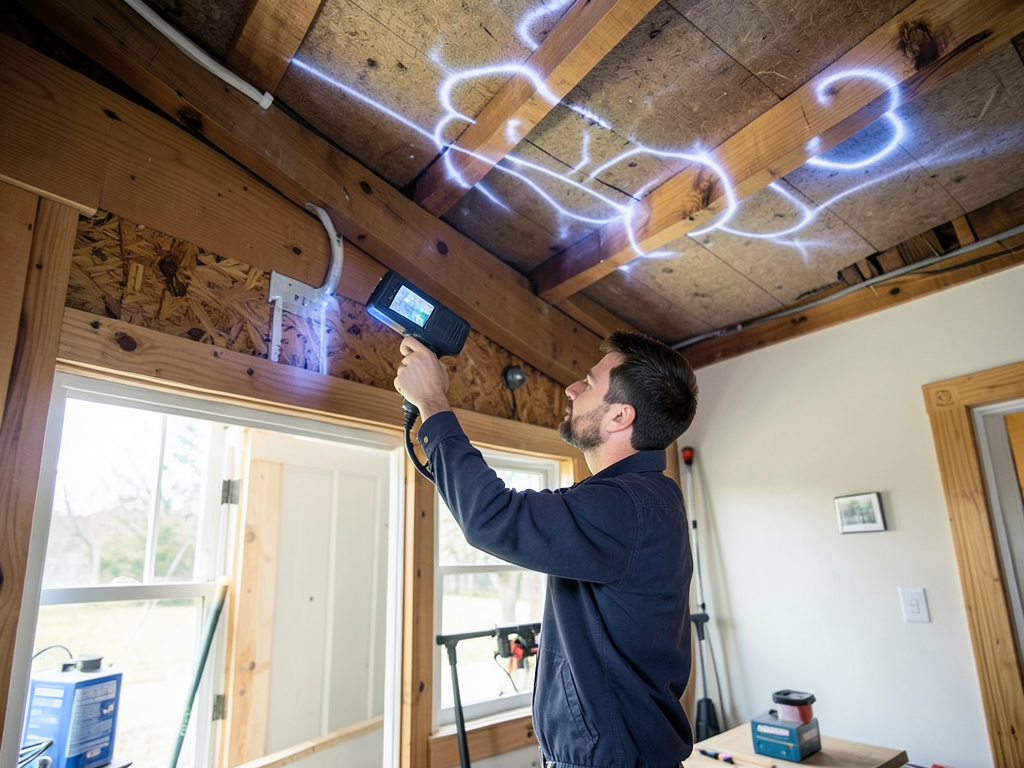
When evaluating attic ventilation issues, we start with a thermal imaging scan of your ceiling. This reveals hot spots where heat is transferring most aggressively into your living space. We then measure attic temperatures at different heights and times of day to establish baseline conditions.
Next, we inspect your existing ventilation system: soffit vents for blockage, ridge vents for proper installation, and any existing fans for correct operation. We check for negative pressure by measuring air pressure differentials between your attic and living space using a manometer.
Finally, we assess your insulation levels and air sealing quality. Even the best ventilation system can’t compensate for inadequate insulation or excessive air leakage.
Energy Star recommendations for Florida attics
The EPA’s Energy Star program recommends specific ventilation strategies for hot, humid climates like Orlando’s. For Florida homes, they emphasize the importance of continuous soffit-to-ridge ventilation rather than intermittent vents, which can create dead air spaces.
They also recommend radiant barriers in attics with R-30 or greater insulation, particularly in one-story homes where the ceiling represents a large surface area for heat transfer. In Mount Plymouth’s climate, a radiant barrier can reduce summer heat gain by 20-35%.
According to the Florida Solar Energy Center, proper attic ventilation combined with adequate insulation can reduce cooling costs by 10-25% in Central Florida homes. How to choose a central air replacement that handles the Dr. Phillips humidity.
The long-term impact on your AC system
Excessive attic heat doesn’t just affect your comfort—it directly impacts your AC’s operational life. When your system runs longer cycles to overcome attic heat gain, every component works harder. The compressor, which is often the most expensive part to replace, experiences the most stress.
Studies show that AC systems operating in high-temperature environments (above 95°F ambient) can lose 20-30% of their expected lifespan. For a system designed to last 15 years, that could mean replacement at 10-11 years instead.
The financial impact extends beyond energy bills. Replacing an AC compressor typically costs $1,500-2,500, while a complete system replacement can exceed $5,000. Proper attic management represents a fraction of these costs while potentially adding years to your system’s life.
Making the right choice for your Mount Plymouth home
The decision between improving insulation, adding ventilation, or both depends on your home’s specific characteristics. Homes built before 1990 often benefit most from a comprehensive approach: air sealing, insulation upgrade, and strategic ventilation addition.
Newer homes built to current codes may only need targeted improvements. If your attic already meets ventilation requirements and has adequate insulation, a solar fan might provide the final 10-15% improvement you’re seeking.
The key is professional assessment. What works for your neighbor’s house might be completely wrong for yours, depending on factors like roof orientation, tree coverage, and existing building envelope integrity. Professional duct cleaning services for historic homes in Thornton Park.
Frequently Asked Questions
Will an attic fan make my house cooler?
An attic fan can make your house feel cooler by reducing the heat radiating from your ceiling into living spaces. However, it won’t lower your thermostat setting—it helps your AC work more efficiently to reach the temperature you’ve already set.
How much does professional attic ventilation assessment cost?
A comprehensive attic ventilation assessment typically costs $150-300 in the Mount Plymouth area. This includes thermal imaging, temperature measurements, and a detailed report with recommendations. Many HVAC companies offer this service free with system maintenance or replacement estimates.
Can I install an attic fan myself?
While DIY installation is possible for electric fans, it requires electrical knowledge and proper attic access. Solar fans are simpler but still require roof penetration and proper sealing. Professional installation ensures correct sizing, proper wiring, and warranty protection.
Take control of your attic heat today
Don’t let your attic ventilation silently drive up your energy bills and shorten your AC’s life. The hot, humid Orlando climate makes proper attic management essential for year-round comfort and system longevity.
Call (321) 463-7979 today to schedule your professional attic ventilation assessment. We’ll evaluate your specific situation and recommend solutions that actually work for Mount Plymouth homes. Whether you need insulation upgrades, ventilation improvements, or both, we’ll help you make the right choice for your home and budget.
Pick up the phone and call (321) 463-7979 before the next heat wave hits. Your AC—and your wallet—will thank you.
You may also find this helpful. Is water dripping from your ceiling? Finding the secondary drain pan in Rosemont.
You may also find this helpful. Fixing poor airflow in the back bedrooms of your Bithlo ranch home.
{
“@context”: “https://schema.org”,
“@type”: “BlogPosting”,
“headline”: “How to tell if your attic ventilation is making your AC work twice as hard in Mount Plymouth”,
“description”: “Is your attic fan hurting your AC efficiency in Mount Plymouth? Discover how Orlando’s humidity affects attic ventilation and learn when fans help or harm your cooling system.”,
“wordCount”: 1756,
“datePublished”: “2026-04-06T13:27:00.000Z”,
“dateModified”: “2026-04-06T13:27:00.000Z”,
“inLanguage”: “en-US”,
“mainEntityOfPage”: {
“@type”: “WebPage”,
“@id”: “https://summithvacorlando.com”
},
“publisher”: {
“@type”: “LocalBusiness”,
“name”: “Summit HVAC Orlando”,
“url”: “https://summithvacorlando.com”
},
“author”: {
“@type”: “Organization”,
“name”: “Summit HVAC Orlando”,
“url”: “https://summithvacorlando.com”
},
“image”: {
“@type”: “ImageObject”,
“url”: “https://summithvacorlando.com/wp-content/uploads/2026/03/how-to-tell-if-your-attic-ventilation-is-making-yo-1.png”
}
}
{
“@context”: “https://schema.org”,
“@type”: “HVACBusiness”,
“name”: “Summit HVAC Orlando”,
“url”: “https://summithvacorlando.com”,
“address”: {
“@type”: “PostalAddress”,
“addressLocality”: “Orlando”
},
“areaServed”: {
“@type”: “City”,
“name”: “Orlando”
}
}
{
“@context”: “https://schema.org”,
“@type”: “FAQPage”,
“mainEntity”: [
{
“@type”: “Question”,
“name”: “The efficiency controversy: Can attic fans actually hurt your AC?”,
“acceptedAnswer”: {
“@type”: “Answer”,
“text”: “Here’s where things get complicated. A powerful attic fan can create negative pressure in your attic space. If your home isn’t properly sealed, this pressure differential can pull conditioned air from your living space into the attic through gaps around light fixtures, plumbing penetrations, and attic access doors.”
}
},
{
“@type”: “Question”,
“name”: “Solar vs. electric attic fans: Which wins for efficiency?”,
“acceptedAnswer”: {
“@type”: “Answer”,
“text”: “Solar attic fans operate only when the sun is shining—precisely when your attic needs ventilation most. They consume zero electricity and can move 800-1,200 CFM of air, depending on the model. The downside? They stop working when clouds block the sun or after sunset.”
}
},
{
“@type”: “Question”,
“name”: “Will an attic fan make my house cooler?”,
“acceptedAnswer”: {
“@type”: “Answer”,
“text”: “An attic fan can make your house feel cooler by reducing the heat radiating from your ceiling into living spaces. However, it won’t lower your thermostat setting—it helps your AC work more efficiently to reach the temperature you’ve already set.”
}
},
{
“@type”: “Question”,
“name”: “How much does professional attic ventilation assessment cost?”,
“acceptedAnswer”: {
“@type”: “Answer”,
“text”: “A comprehensive attic ventilation assessment typically costs $150-300 in the Mount Plymouth area. This includes thermal imaging, temperature measurements, and a detailed report with recommendations. Many HVAC companies offer this service free with system maintenance or replacement estimates.”
}
},
{
“@type”: “Question”,
“name”: “Can I install an attic fan myself?”,
“acceptedAnswer”: {
“@type”: “Answer”,
“text”: “While DIY installation is possible for electric fans, it requires electrical knowledge and proper attic access. Solar fans are simpler but still require roof penetration and proper sealing. Professional installation ensures correct sizing, proper wiring, and warranty protection.”
}
}
]
}
{
“@context”: “https://schema.org”,
“@type”: “BreadcrumbList”,
“itemListElement”: [
{
“@type”: “ListItem”,
“position”: 1,
“name”: “Home”,
“item”: “https://summithvacorlando.com”
},
{
“@type”: “ListItem”,
“position”: 2,
“name”: “Blog”,
“item”: “https://summithvacorlando.com/blog”
},
{
“@type”: “ListItem”,
“position”: 3,
“name”: “How to tell if your attic ventilation is making your AC work twice as hard in Mount Plymouth”
}
]
}
{
“@context”: “https://schema.org”,
“@type”: “Service”,
“serviceType”: “HVAC”,
“provider”: {
“@type”: “LocalBusiness”,
“name”: “Summit HVAC Orlando”,
“url”: “https://summithvacorlando.com”
},
“areaServed”: {
“@type”: “City”,
“name”: “Orlando”
},
“description”: “Is your attic fan hurting your AC efficiency in Mount Plymouth? Discover how Orlando’s humidity affects attic ventilation and learn when fans help or harm your cooling system.”
}