




Furnace Pilot Light Issues in Orlando – Expert Diagnosis and Permanent Fixes for Gas Furnace Problems

When your pilot light won't stay lit or keeps going out, you need accurate diagnosis of thermocouple failure, gas valve problems, and draft issues that plague Central Florida furnaces year-round.

Slider Image 1
Slider Image 2
Slider Image 3
Slider Image 4
Slider Image 5
Slider Image 7
Slider Image 8
Slider Image 9
Slider Image 10
Slider Image 11

Why Orlando Furnaces Struggle With Pilot Light Problems

Your furnace pilot light keeps going out. You relight it. Two hours later, it's out again. The cycle repeats until you're standing in front of your furnace at midnight, wondering if you need a new system.

Orlando's unique climate creates specific challenges for gas furnace pilot lights. While we don't face harsh winters, the extreme humidity and temperature swings between air-conditioned interiors and 95-degree outdoor heat create condensation inside furnace cabinets. This moisture corrodes thermocouples faster than in drier climates. When thermocouples fail, your pilot light won't stay lit because the safety mechanism cuts gas flow.

The sandy soil and frequent afternoon thunderstorms in the greater Orlando metro also cause foundation settling that can shift gas lines slightly. A kinked or restricted gas line reduces pressure to the pilot assembly, causing intermittent pilot light malfunctions. Add in dust and pollen that infiltrate through attic installations common in Lake Nona, Winter Park, and Baldwin Park homes, and you have multiple failure points.

A pilot light that keeps going out signals one of four problems: a failing thermocouple, a dirty pilot orifice, insufficient gas pressure, or a drafting issue. Each requires different diagnostic steps. Guessing wastes money. Replacing parts randomly rarely solves gas furnace pilot light malfunction because the root cause goes unaddressed. You need someone who understands how Central Florida's environment accelerates wear on specific furnace components.

Why Orlando Furnaces Struggle With Pilot Light Problems
How We Diagnose and Fix Pilot Light Problems Permanently

How We Diagnose and Fix Pilot Light Problems Permanently

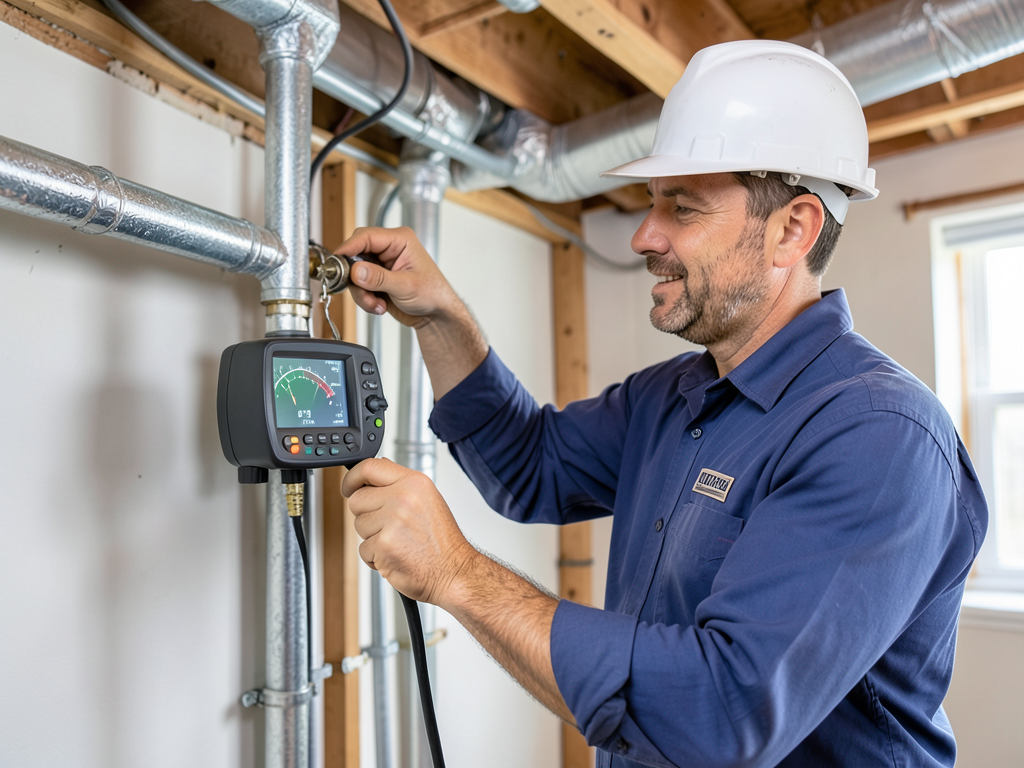
We don't start by selling you a thermocouple. We measure. A failing thermocouple generates less than 20 millivolts when heated. We test voltage output with a multimeter at the gas valve connection. If it reads below threshold, the thermocouple gets replaced. If voltage is adequate, the problem lies elsewhere.

Next, we check static gas pressure at the manifold. Orlando homes typically run on natural gas at 7 inches of water column, but we verify actual pressure because underground line corrosion or utility pressure drops affect pilot stability. Low pressure starves the pilot flame. High pressure creates a flame that lifts off the thermocouple, preventing proper heating.

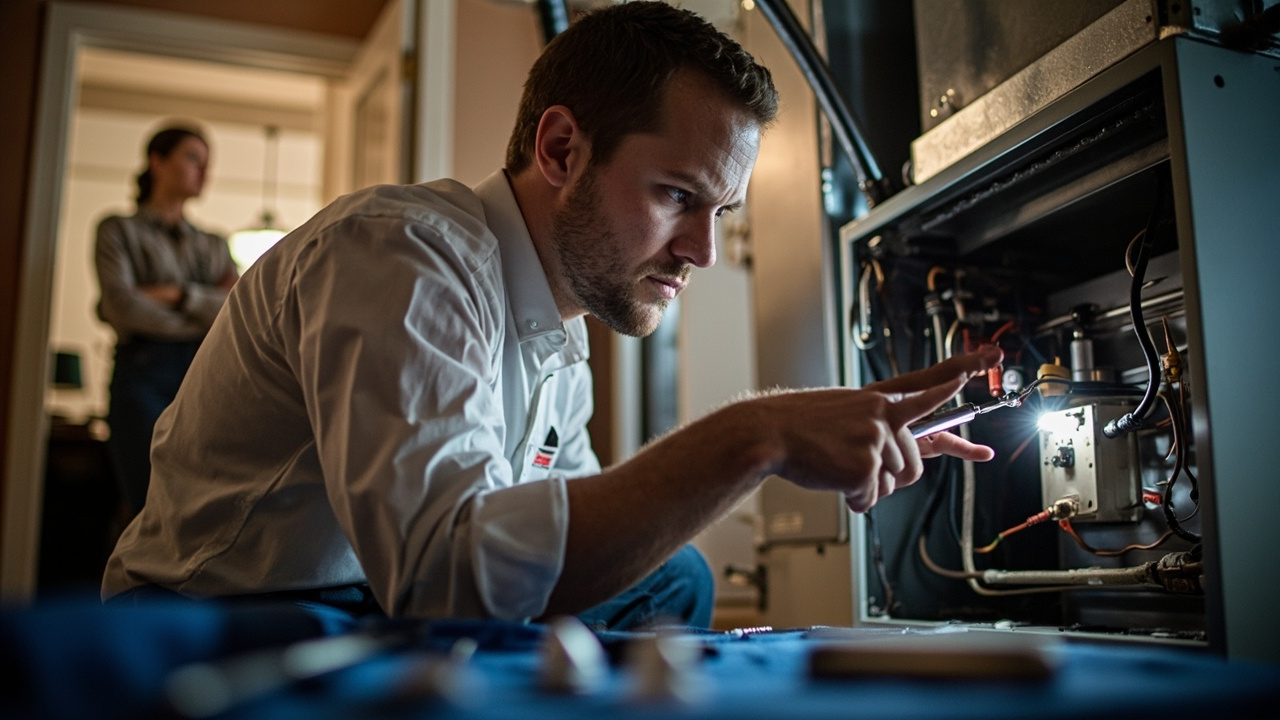
We inspect the pilot orifice under magnification. A partially blocked orifice creates a weak, yellow flame instead of a strong blue cone. This happens when humidity allows dust to cake inside the tiny opening. Cleaning requires removing the pilot assembly and using calibrated wire to clear the orifice without enlarging it.

Draft issues require checking the flue. We test for backdrafting with a smoke pencil near the draft hood. Orlando's sealed homes with powerful kitchen and bathroom exhaust fans can create negative pressure that pulls combustion gases back down the flue, extinguishing the pilot. We measure the difference between combustion air supply and exhaust capacity.

Summit HVAC Orlando technicians carry diagnostic equipment that reveals the actual failure point. We fix the cause, not just the symptom. That's why our repairs stick.

What Happens During Your Pilot Light Service Call

Furnace Pilot Light Issues in Orlando – Expert Diagnosis and Permanent Fixes for Gas Furnace Problems
01

Initial Safety Assessment

We start by checking for active gas leaks around the furnace cabinet, supply line, and valve connections using electronic detection. Safety comes first. If your pilot light won't stay lit, gas has been cycling on and off repeatedly, increasing leak risk. We verify proper ventilation and check carbon monoxide levels in the mechanical room before proceeding with any diagnostic work.
02

Systematic Component Testing

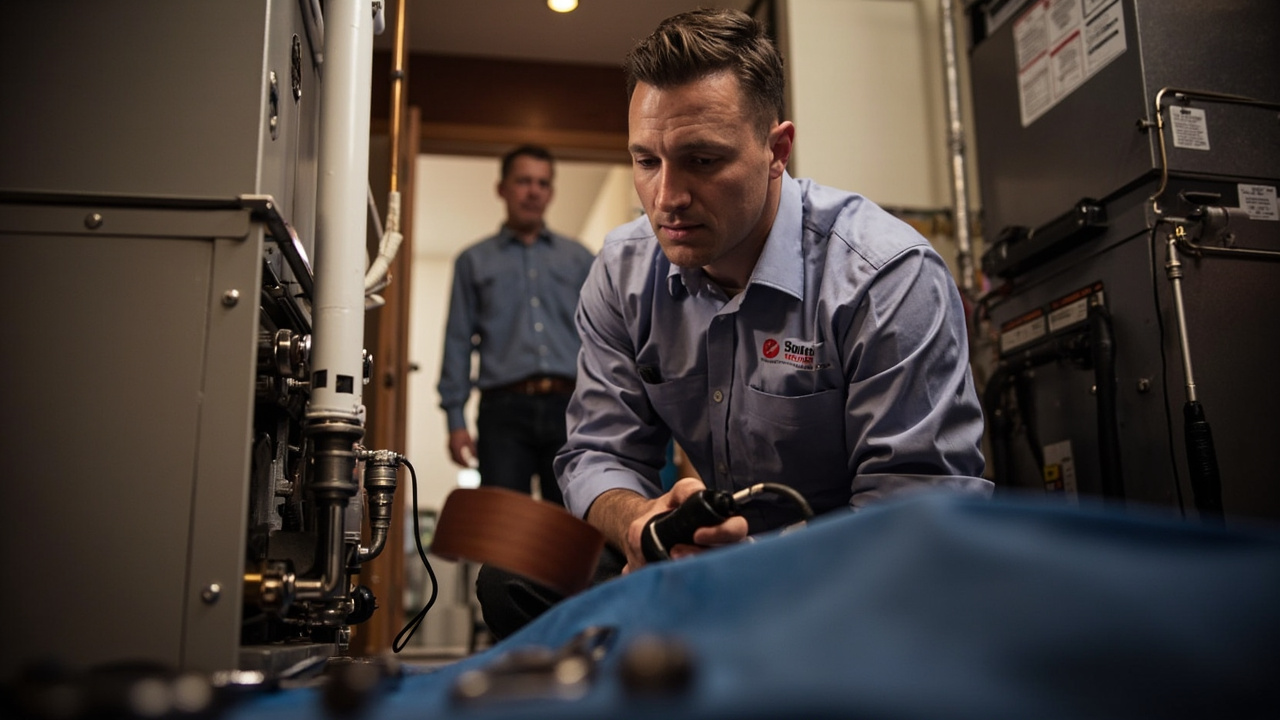
We test each component in the pilot assembly sequence. Thermocouple millivolt output gets measured first. Gas pressure gets verified at the inlet and manifold. Pilot orifice gets inspected for blockage. The gas valve gets tested for proper electromagnetic response. We check flame sensor positioning and draft conditions. This systematic approach identifies the actual failure point instead of guessing based on symptoms alone.
03

Repair and Verification

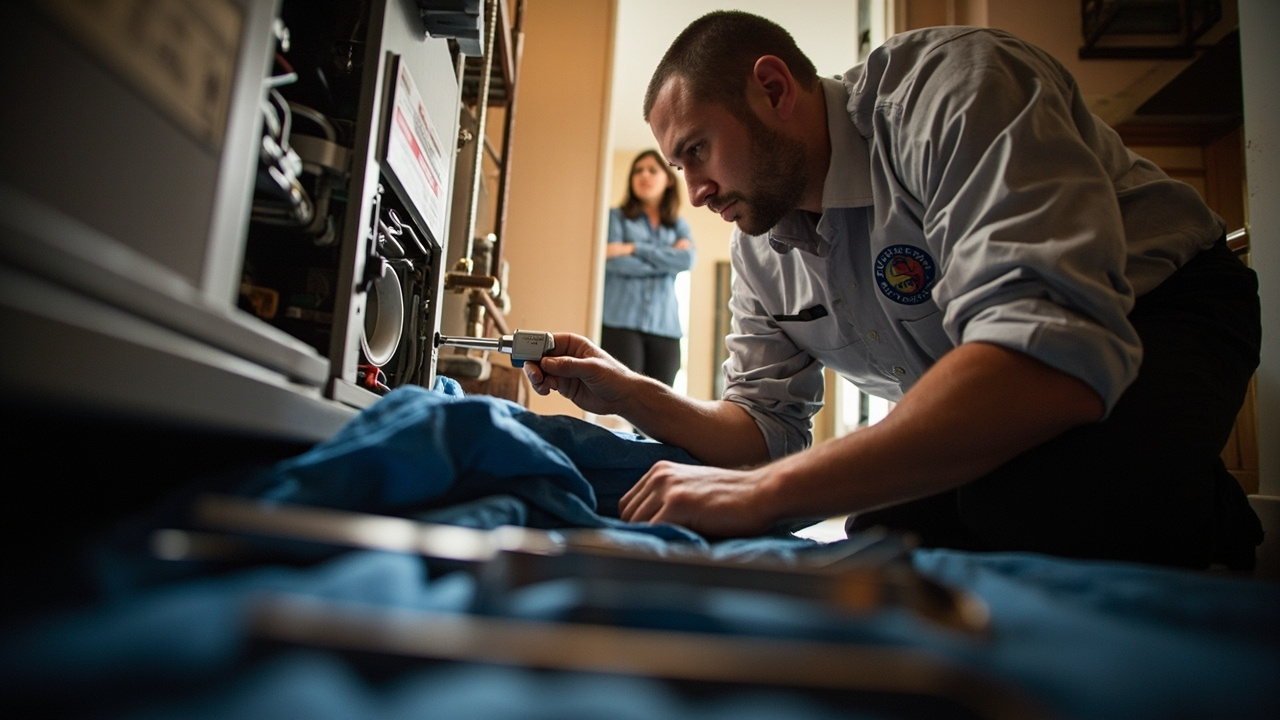
Once we identify the cause, we complete the repair using OEM-spec parts. After replacement or cleaning, we verify proper pilot flame characteristics, stable thermocouple output, and correct gas valve response. We cycle the furnace through multiple ignition sequences to confirm the repair holds under actual operating conditions. You see the flame stability before we leave your property.

Why Orlando Homeowners Choose Summit HVAC for Pilot Light Repairs

Most HVAC companies in Central Florida focus on air conditioning. Furnaces get treated as an afterthought because we only run heat 20 to 30 days per year. That creates a knowledge gap. Technicians who primarily work on AC systems lack deep experience with gas valve diagnostics, combustion analysis, and flame characteristics.

Summit HVAC Orlando maintains expertise across all climate control systems. We understand that your furnace sits idle for ten months, then needs to fire reliably during the handful of nights when temperatures drop into the 40s. That on-off cycling in humid conditions creates specific failure patterns. We've diagnosed hundreds of pilot light issues in homes from College Park to Avalon Park, and the failure modes repeat based on furnace age, installation location, and maintenance history.

We know that furnaces installed in unconditioned attic spaces face different challenges than those in interior closets. Attic units experience greater temperature swings and higher dust exposure. We account for installation environment when diagnosing intermittent pilot problems. A thermocouple that works fine in controlled conditions might fail when attic temperatures hit 130 degrees in summer, then drop to 50 degrees on a winter morning.

Orlando's building codes require specific venting configurations for gas appliances, and we stay current on amendments that affect furnace installations in new construction and renovations. Improper venting causes draft problems that extinguish pilots. We identify code violations that other companies miss because they're not familiar with local inspection requirements for combustion appliances.

What to Expect When You Call for Pilot Light Service

Same-Day Service Availability

A pilot light that won't stay lit means no heat when you need it. We maintain same-day service availability for furnace problems throughout the Orlando metro area. Most pilot light issues get resolved in a single visit because we stock common replacement parts like thermocouples, pilot assemblies, and gas valves on our trucks. You're not waiting three days for an ordered part while sleeping in a cold house. Call before 2 PM and we'll typically arrive the same day.

Comprehensive Diagnostic Process

We don't charge you for parts you don't need. Our diagnostic process uses actual measurements to identify the failure point. You'll see the voltage reading on the thermocouple, the gas pressure measurement, and the flame characteristics. We explain what each test reveals and why it matters. If your pilot orifice is clogged, we show you the blockage. If the thermocouple is generating weak voltage, you see the meter reading. Transparency builds trust.

Reliable Repairs That Last

When we replace a thermocouple, we use manufacturer-specified parts designed for your furnace model. Generic universal thermocouples from big-box stores often fail within months because the voltage output doesn't match the gas valve requirements. We install the correct part with proper positioning relative to the pilot flame. Our repairs restore factory-level reliability. The pilot lights when you need heat, stays lit through the heating cycle, and shuts off cleanly when the thermostat is satisfied.

Preventive Maintenance Recommendations

After fixing your immediate pilot light problem, we identify conditions that accelerate future failures. If your furnace sits in a dusty attic, we recommend air filter upgrades or cabinet sealing. If moisture is corroding components, we address ventilation. If your gas pressure runs borderline low, we document it for utility company follow-up. Preventing the next failure saves you money and middle-of-the-night service calls. We provide a written summary of our findings and recommendations.

Frequently Asked Questions

You Have Questions,
We Have Answers

What are the common causes of pilot light issues? +

Pilot light issues stem from three main culprits: a dirty or clogged pilot tube, a failing thermocouple, or airflow disruptions. In Orlando's humid climate, dust and moisture combine to create stubborn buildup inside the pilot assembly. Drafts from poor ductwork or exhaust vents can blow out the flame. A worn thermocouple fails to sense heat properly, cutting off gas flow as a safety measure. Gas supply problems or incorrect pressure settings also cause repeated outages. If your pilot light goes out frequently, the underlying cause needs professional diagnosis to prevent carbon monoxide risks and restore reliable heating.

What are the symptoms of a bad igniter on a furnace? +

A bad igniter shows several clear symptoms. You hear the furnace click or hum when the thermostat calls for heat, but no flame ignites. Some igniters glow orange or red but fail to light the gas burners. Others show visible cracks or breaks in the ceramic element. Your furnace may cycle repeatedly without producing warm air. In Orlando homes with older furnaces, igniter failure often happens during the first cold snap after months of inactivity. If you see no glow at all when your system attempts to start, the igniter has likely failed completely and requires replacement.

What causes a pilot light on a furnace to keep going out? +

A pilot light that repeatedly extinguishes points to specific mechanical failures. The thermocouple may have weakened from age or corrosion, failing to maintain proper voltage to hold the gas valve open. Dirty pilot orifices restrict gas flow, creating a weak flame that cannot sustain itself. Orlando's high humidity accelerates rust and mineral deposits in gas lines. Strong drafts from gaps in the furnace cabinet or nearby doors push the flame away from the thermocouple sensor. Incorrect gas pressure or a faulty gas valve also causes intermittent pilot failure. Each issue requires targeted repair to restore stability.

Why do I have to keep relighting my pilot light? +

Constantly relighting your pilot light signals an unstable system that needs immediate attention. The thermocouple may be positioned incorrectly, sitting too far from the flame to generate sufficient heat. Buildup on the thermocouple tip blocks heat transfer, causing the safety mechanism to shut off gas flow prematurely. Drafts from leaky ductwork or exterior vents disrupt the flame. In Orlando's older homes, settling foundations can shift furnace components out of alignment. A failing gas valve may not maintain consistent pressure. Repeated relighting wastes your time and creates safety risks. Professional diagnosis identifies the root cause quickly.

How do you clean a clogged pilot tube? +

Cleaning a clogged pilot tube requires careful disassembly and the right tools. Turn off the gas supply and allow the furnace to cool completely. Remove the pilot assembly according to your model's manual. Use compressed air to blow out loose debris from both ends of the tube. Insert a thin wire or specialized pilot tube cleaning needle through the orifice to dislodge stubborn buildup. Orlando's humidity can cause sticky residue that requires solvent cleaners rated for gas appliances. Avoid enlarging the orifice opening. Reassemble carefully, ensuring all connections seal properly before restoring gas flow and testing ignition.

What are the signs of a bad thermocouple? +

A failing thermocouple displays distinct warning signs before complete failure. Your pilot light goes out frequently, especially after burning for a short time. The flame may stay lit when you hold down the reset button but extinguishes immediately when you release it. You notice discoloration or white crusty deposits on the thermocouple probe. The pilot flame appears yellow or orange instead of blue, indicating improper combustion that damages the sensor. In Orlando's climate, accelerated corrosion from moisture shortens thermocouple life. If your furnace is more than 10 years old and shows these symptoms, thermocouple replacement prevents repeated service calls.

Can I fix a furnace ignition problem myself? +

Basic pilot light relighting is manageable for most homeowners following manufacturer instructions carefully. You can clean accessible dust from the pilot area and check for obvious obstructions. However, thermocouple replacement, gas valve adjustments, and internal component work require professional tools and expertise. Orlando's natural gas systems operate under specific pressure requirements. Incorrect repairs create carbon monoxide hazards or gas leaks. If your pilot light fails repeatedly after relighting, you need diagnostic equipment to measure thermocouple voltage and gas pressure. Licensed technicians carry liability insurance and follow local codes. Attempting complex ignition repairs yourself risks safety and voids warranties.

What is the life expectancy of a furnace igniter? +

Furnace igniters typically last 4 to 7 years under normal operating conditions. Hot surface igniters, the most common type in modern furnaces, cycle through extreme temperature changes that gradually weaken the ceramic element. In Orlando, frequent on-off cycling during mild winters accelerates wear. Furnaces running year-round for humidity control experience shorter igniter life. Silicon carbide igniters fail faster than silicon nitride models. Power surges from Florida's afternoon thunderstorms can crack igniters instantly. If your furnace is 5 years old or older and shows ignition delays or failures, plan for replacement before complete breakdown during cold weather.

Can you manually light a gas furnace with electronic ignition? +

You cannot manually light furnaces with electronic ignition systems the way you would a standing pilot light. These systems use hot surface igniters or spark igniters controlled by circuit boards. They lack the manual gas valve controls found on older pilot light models. Attempting to bypass electronic ignition creates serious safety hazards and violates manufacturer guidelines. If your electronic ignition fails, the control board has detected an unsafe condition. Orlando homeowners with newer furnaces should never attempt manual lighting. Call a licensed technician to diagnose sensor failures, igniter problems, or control board issues preventing proper startup.

How do you fix a pilot light that won't stay lit? +

Fixing a pilot light that will not stay lit starts with identifying the specific failure point. Replace a thermocouple showing voltage below 20 millivolts when tested. Clean the pilot orifice and thermocouple tip to remove buildup blocking heat transfer. Reposition the thermocouple so the flame directly contacts the upper third of the sensor. Eliminate drafts by sealing furnace cabinet gaps and checking exhaust venting. Adjust gas pressure if readings fall outside manufacturer specifications. In Orlando's humid environment, check for rust in gas lines restricting flow. If these steps fail, the gas valve itself may need replacement to restore reliable pilot operation.

How Orlando's Seasonal Patterns Affect Furnace Pilot Light Reliability

Central Florida's heating season creates unique pilot light stress. Unlike northern climates where furnaces run continuously for months, Orlando furnaces fire intermittently. You might use heat for three days in January, then not again until February. This start-stop cycling in high humidity causes components to corrode between uses. Thermocouples oxidize. Pilot orifices accumulate dust. Gas valves stick. When you finally need heat during a 38-degree morning, the pilot won't light or stay lit because components degraded during months of dormancy in humid attic conditions.

Summit HVAC Orlando serves neighborhoods throughout Orange, Seminole, and Osceola counties where installation practices vary widely. Homes in established areas like Thornton Park often have furnaces installed in interior closets with adequate combustion air. Newer developments in Lake Nona and Windermere typically have attic installations with minimal ventilation. We understand how location and installation affect performance. That local knowledge helps us diagnose why your pilot light keeps going out when your neighbor's identical furnace works fine.
HVAC Services in The Orlando Area

Summit proudly serves Orlando and surrounding Central Florida areas with fast, professional HVAC services. Whether you're in the heart of the city or in nearby neighborhoods, our technicians are just a call away. Use the map below to view our service area and plan your visit or consultation. We make it convenient to get expert help where and when you need it. Your comfort is always within reach with Summit.

Address:
Summit HVAC Orlando, 4700 Millenia BlvdOrlando, Orlando, FL, 32839

Additional Services We Offer

Our news updates

Latest Articles & News from The Blogs

What to do if your St. Cloud thermostat says waiting for more than five minutes Your thermostat displays 'waiting for…

What to do if your St. Cloud thermostat says waiting for more than five minutes

What to do if your St. Cloud thermostat says waiting for more than five minutes Your thermostat displays 'waiting for…

What it means when your Ocoee cooling system starts making a loud clicking sound

What it means when your Ocoee cooling system starts making a loud clicking sound Your outdoor AC unit should hum…

How to tell if your Celebration home builder installed the right size ductwork

How to tell if your Celebration home builder installed the right size ductwork Your Celebration home should feel comfortable year-round.…

Contact Us

If your pilot light won't stay lit or keeps going out, call Summit HVAC Orlando at (321) 463-7979. We'll diagnose the actual problem and fix it right the first time. Same-day service available throughout the Orlando metro area.