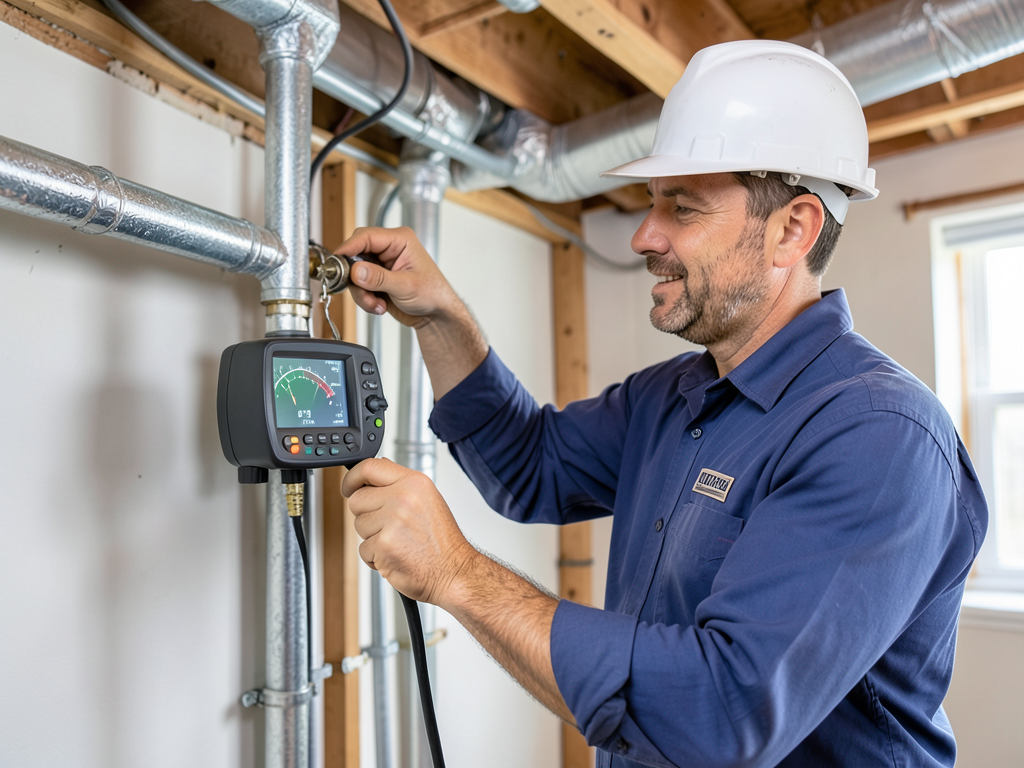





Whole Home Humidifiers in Orlando – Expert Installation and Repair for Year-Round Comfort

Summit HVAC Orlando installs and services central humidifiers designed to combat Florida's seasonal dryness, protecting your health, hardwood floors, and HVAC efficiency in homes across Orange County.

Slider Image 1
Slider Image 2
Slider Image 3
Slider Image 4
Slider Image 5
Slider Image 7
Slider Image 8
Slider Image 9
Slider Image 10
Slider Image 11

Why Orlando Homes Need Whole Home Humidifiers

Orlando is known for summer humidity, but most homeowners do not realize how dry indoor air becomes during winter months. When you run your heat pump or furnace from December through February, the relative humidity inside your home can drop below 30 percent. You feel it in your throat. You see it in static shocks, cracked woodwork, and peeling paint around windows.

Low humidity causes respiratory irritation, aggravates asthma, and makes your home feel colder than it actually is. You compensate by turning up the thermostat, which wastes energy and drives up your utility bill. Hardwood floors shrink and gap. Furniture joints loosen. Even your houseplants struggle.

Portable humidifiers cannot keep up. They require constant refilling, create puddles, and only humidify a single room. A whole house humidifier integrates directly into your HVAC system, delivering consistent moisture to every room through your existing ductwork. These central humidifiers mount to your furnace or air handler and operate automatically based on indoor humidity levels.

In Orlando, where homes are sealed tight to keep out heat and humidity in summer, indoor air becomes trapped and over-dried in winter. Your HVAC system cycles frequently due to our mild but variable winter weather, which accelerates moisture loss. A ducted humidifier solves this by adding water vapor directly into the supply air before it enters your living spaces. You maintain 40 to 50 percent relative humidity, which is the ideal range for health, comfort, and home preservation.

If you wake up with a dry mouth, notice increased static electricity, or see gaps forming in your hardwood, your indoor air is too dry. HVAC humidifiers are not optional in Orlando. They are essential.

Why Orlando Homes Need Whole Home Humidifiers
How Furnace Humidifiers Work in Your Orlando HVAC System

How Furnace Humidifiers Work in Your Orlando HVAC System

A whole house humidifier connects to your main supply plenum, right where heated or conditioned air leaves your furnace or air handler. There are three main types, and the right one depends on your system configuration, ductwork layout, and water hardness.

Bypass humidifiers use your blower to push air through a water panel. They work during heating cycles only, which is sufficient in Orlando since we rarely run heat continuously. These units are affordable and reliable but require a return air connection.

Fan-powered humidifiers include their own blower, which allows them to operate independently of your furnace fan. They deliver more moisture and can run even when your HVAC system is off. This is useful if you have a heat pump that runs short cycles or if you want humidity during shoulder seasons when you are not heating or cooling.

Steam humidifiers boil water and inject steam directly into the ductwork. They provide the most moisture output and the fastest response time. These are ideal for larger homes, homes with high ceilings, or situations where you need precise humidity control. Steam units require a dedicated electrical circuit and are more expensive, but they do not rely on airflow to evaporate water.

All central humidifiers require a water supply line, which we tap from a nearby cold water pipe. We install a humidistat, which measures indoor humidity and signals the unit to operate only when needed. The system drains excess water through a saddle valve or into a floor drain, preventing mineral buildup and ensuring clean operation.

We match the humidifier capacity to your home's square footage, insulation quality, and air exchange rate. Undersized units run continuously without reaching target humidity. Oversized units cause condensation on windows and promote mold growth. Proper sizing and installation are what separate functional systems from problem systems.

How We Install Your Central Humidifier System

Whole Home Humidifiers in Orlando – Expert Installation and Repair for Year-Round Comfort
01

System Evaluation and Sizing

We measure your home's heated square footage, inspect your existing ductwork, and assess your furnace or air handler capacity. We check static pressure in your plenum to confirm adequate airflow. We also test your home's air tightness and ask about any existing moisture problems. This data determines the correct humidifier type and capacity. We present options based on your budget, system compatibility, and performance expectations.
02

Installation and Integration

We cut an access hole in your supply plenum and mount the humidifier cabinet securely. We run a copper or PEX water line from the nearest cold water source and install a shut-off valve for future maintenance. We wire the humidistat to your thermostat or control board, depending on your system configuration. We install the drain line and ensure proper pitch to prevent standing water. We test all connections for leaks and verify that the unit cycles correctly with your HVAC system.
03

Calibration and Walkthrough

We calibrate the humidistat to maintain 45 percent relative humidity, which is optimal for Orlando's climate. We adjust the water flow rate to match your home's specific needs. We show you how to monitor humidity levels, replace the water panel or pad, and adjust settings seasonally. We explain what to watch for, including condensation on windows or excessive dust, which can indicate settings need adjustment. You leave knowing exactly how your new system operates.

Why Summit HVAC Orlando Is Your Trusted Humidifier Specialist

Installing a whole house humidifier requires more than cutting a hole in your ductwork and connecting a water line. You need someone who understands static pressure, airflow dynamics, and how Orlando's variable winter weather affects indoor humidity.

We have installed and serviced ducted humidifiers across Orange County for years. We know that homes in Windermere with open floor plans need different solutions than bungalows in College Park with segmented ductwork. We know that Orlando's hard water clogs pads faster than in other regions, which is why we recommend specific maintenance intervals and water treatment options.

We do not sell you the most expensive unit. We sell you the right unit. If your home only needs a bypass humidifier, we will not upsell you to steam. If your ductwork has restrictions or undersized return plenums, we tell you before installation, not after.

We also handle the details that other contractors skip. We install a dedicated water shut-off valve so you can service the unit without shutting off water to your entire home. We use copper or PEX supply lines, not cheap vinyl tubing that cracks and leaks. We mount the humidistat in a central location where it accurately reads your home's ambient humidity, not near a bathroom or kitchen where localized moisture skews the reading.

Orlando homes are built differently than homes in the Northeast or Midwest. Our concrete slab foundations, stucco exteriors, and sealed attics create unique humidity challenges. Your HVAC system works harder because of our long cooling season and high outdoor humidity, which affects how and when your humidifier operates.

We answer your calls. We show up on time. We clean up after ourselves. We do not subcontract our installs to unlicensed crews. When you call Summit HVAC Orlando, you get technicians who live and work in this community, not a call center in another state.

What to Expect When You Choose Our Humidifier Services

Fast Scheduling and Consultation

We schedule your consultation within days, not weeks. During the appointment, we assess your HVAC system, discuss your comfort concerns, and measure key variables like ductwork size and airflow capacity. We explain the differences between bypass, fan-powered, and steam humidifiers in plain language. You receive a detailed quote the same day, with no pressure and no surprise fees. If you have an urgent need due to respiratory issues or damage to wood floors or instruments, we prioritize your installation and can often complete the work within 48 hours.

Thorough System Assessment

We do not just bolt a humidifier onto your furnace and call it done. We inspect your ductwork for leaks, test your blower motor capacity, and verify that your drain line will handle the additional condensate load. We check your water hardness and recommend filtration if necessary to extend the life of your humidifier pads. We also inspect your existing thermostat to confirm compatibility with the new humidistat. If your system needs modifications, we explain what is required and why. You get a complete picture before we start work, not halfway through the job.

Precision Installation and Testing

Our installations follow manufacturer specifications and Orlando building codes. We seal all duct penetrations to prevent air leaks. We secure all water lines with proper supports and saddle valves. We test the humidistat calibration using a digital hygrometer to confirm accuracy. We cycle your system multiple times to verify that the humidifier operates correctly during heating and fan-only modes. You see the system working before we leave. We also provide a written record of all settings, including humidity setpoint, water flow rate, and maintenance intervals. You have documentation for future reference or resale.

Ongoing Maintenance Support

A whole house humidifier requires seasonal maintenance to perform correctly. We recommend replacing your water panel or evaporator pad every heating season, typically in November before you start running your heat pump or furnace regularly. We also clean the water distribution tray and inspect the drain line for clogs. During your annual HVAC tune-up, we include a humidifier inspection at no extra charge. We check the solenoid valve, verify water flow, and test the humidistat accuracy. If parts wear out, we stock common replacements and can complete repairs the same day. You do not wait weeks for parts to ship from out of state.

Frequently Asked Questions

You Have Questions,
We Have Answers

What is the downside of a whole-house humidifier? +

The main downside is maintenance. Whole-house humidifiers need regular cleaning to prevent mold, bacteria, and mineral buildup. In Orlando's humid climate, you may only need them during the drier winter months when AC runs constantly and strips indoor moisture. Over-humidification can damage wood floors, drywall, and create condensation issues. You also risk increasing utility bills if the unit runs when unnecessary. Improper installation or a faulty humidistat can cause moisture problems in your ductwork. If you skip filter changes or pad replacements, you will circulate contaminants through your home.

What type of humidifier is best for a whole house? +

Steam humidifiers work best for most Orlando homes. They boil water to create sterile vapor, eliminating bacteria and mineral dust. Bypass and fan-powered humidifiers are cheaper upfront but require more maintenance and can breed mold in our humid climate. Steam units cost more but deliver precise humidity control and cleaner output. They also work with any HVAC system. If you have hard water, steam models prevent white dust buildup on furniture. For homes with wood flooring or musical instruments, steam humidifiers offer the most consistent moisture levels without over-saturating your space.

How much does it cost to add a humidifier to your HVAC system? +

Expect to pay between $400 and $1,500 for a whole-house humidifier installed in your Orlando HVAC system. Bypass models run cheaper, while steam humidifiers cost more due to complexity. Installation labor varies based on your ductwork layout and whether you need new electrical wiring. Homes with older systems may need additional modifications. Hard water in parts of Orlando can require water treatment add-ons. Annual maintenance costs include replacement pads, filters, or descaling treatments. These figures exclude specific pricing, which depends on your system size, home square footage, and local contractor rates.

What humidifier do consumer reports recommend? +

Consumer Reports recommends steam humidifiers for whole-house applications due to their sterile output and low maintenance. Aprilaire models frequently rank high for reliability and ease of installation. Honeywell units also score well for affordability and compatibility with most HVAC systems. In Orlando, steam models perform better because they do not rely on evaporative pads that can grow mold in our humid climate. Look for units with automatic humidistats and self-cleaning features. Consumer Reports emphasizes proper sizing and professional installation over brand loyalty. Check their latest ratings before purchasing.

What are signs I need a humidifier? +

You need a humidifier if you notice static shocks, cracked wood trim, or peeling wallpaper. Dry, itchy skin and frequent nosebleeds signal low indoor moisture. In Orlando, this usually happens during winter when air conditioning runs less and heating strips humidity from the air. You may see gaps in hardwood floors or cracks in drywall seams. Houseplants wilt faster, and you feel cold even at normal thermostat settings. If you wake up with a dry throat or scratchy eyes, your indoor humidity is too low. A hygrometer can measure levels below 30 percent.

Where does the water go from a whole house dehumidifier? +

Whole-house dehumidifiers drain condensate through a dedicated drain line, usually routed to a floor drain, sump pump, or exterior drainage point. In Orlando homes, the line often ties into your AC condensate drain system. Some units include a built-in pump to push water upward if gravity drainage is not possible. The water collected is essentially distilled and contains no harmful chemicals, so it is safe for landscaping. Regular maintenance ensures the drain line stays clear and does not back up. Clogs can cause water damage or trigger the unit's overflow safety shutoff.

Where is the best place to put a whole home humidifier? +

Install a whole-house humidifier directly on the main supply or return plenum of your HVAC system. This ensures even distribution throughout your Orlando home. Bypass models connect to both supply and return ducts, while fan-powered units mount on the return side. Steam humidifiers work anywhere on the ductwork but need proximity to electrical and water lines. Avoid placing the unit near exterior walls or uninsulated spaces where condensation can form. Your installer should position it for easy access to the water panel or reservoir. Proper placement prevents moisture imbalance and dead zones in your home.

What are the signs of too much humidity? +

Too much humidity causes condensation on windows, musty odors, and visible mold growth on walls or ceilings. In Orlando, you may notice damp spots on drywall, peeling paint, or warped wood flooring. Your home feels clammy, and fabrics smell stale. Dust mites and allergens thrive above 60 percent humidity. You may see water stains around AC vents or feel sticky air even with the thermostat set low. A hygrometer reading above 55 percent indoors signals over-humidification. This damages your home and creates health risks like respiratory irritation and asthma triggers.

What is the healthiest type of humidifier for sinuses? +

Steam humidifiers are healthiest for sinus relief because they produce sterile, bacteria-free moisture. Boiling water kills pathogens before vapor enters your home. Evaporative and ultrasonic models can disperse mold spores or bacteria if not cleaned regularly. In Orlando, where mold grows easily, steam units reduce contamination risk. Cool mist humidifiers can harbor bacteria in stagnant water reservoirs. Warm mist types work well but consume more energy. For sinus health, pair a steam humidifier with a whole-house air filtration system to remove airborne irritants. Maintain indoor humidity between 40 and 50 percent.

What size humidifier do I need for a 2000 square foot house? +

A 2,000-square-foot home in Orlando needs a humidifier with a capacity of 12 to 15 gallons per day. This assumes standard ceiling heights and moderate air tightness. Steam humidifiers sized for 2,000 to 2,500 square feet work best. Bypass models may underperform in larger homes or during peak winter dryness. Your HVAC system's airflow, ductwork layout, and insulation quality affect sizing. Homes with open floor plans or vaulted ceilings need higher capacity. A professional load calculation ensures proper sizing. Undersized units run constantly without reaching target humidity. Oversized units waste energy and risk over-humidification.

Why Orlando's Winter Heating Cycles Demand Proper Humidification

Orlando experiences short but frequent heating cycles during winter months, often running heat pumps for just a few hours in the early morning before outdoor temperatures climb back into the 70s. This stop-and-start operation pulls moisture out of your indoor air faster than in colder climates where furnaces run continuously. Your home's concrete slab and stucco construction also trap conditioned air, preventing natural moisture exchange. Combined with sealed windows and modern HVAC systems that filter out outdoor humidity, your indoor air becomes dangerously dry. HVAC humidifiers combat this by adding moisture during every heating cycle, maintaining consistent comfort without the hassle of portable units.

Summit HVAC Orlando understands the unique demands of Orange County's building stock and climate patterns. We have worked on homes from the historic districts near Lake Eola to new construction in Avalon Park. We know that older homes with segmented ductwork need different humidifier configurations than open-concept designs. We also know that Orlando's municipal water supply has moderate hardness, which affects how often you need to replace water panels and clean mineral buildup. Our technicians live in these neighborhoods, service these systems year-round, and understand what actually works in Central Florida. You get local expertise, not generic advice from a national chain.
HVAC Services in The Orlando Area

Summit proudly serves Orlando and surrounding Central Florida areas with fast, professional HVAC services. Whether you're in the heart of the city or in nearby neighborhoods, our technicians are just a call away. Use the map below to view our service area and plan your visit or consultation. We make it convenient to get expert help where and when you need it. Your comfort is always within reach with Summit.

Address:
Summit HVAC Orlando, 4700 Millenia BlvdOrlando, Orlando, FL, 32839

Additional Services We Offer

Our news updates

Latest Articles & News from The Blogs

The Challenge of Retrofitting Central Air into Historic Parramore Residences Adding central air conditioning to a historic Parramore home presents…

The Challenge of Retrofitting Central Air into Historic Parramore Residences

The Challenge of Retrofitting Central Air into Historic Parramore Residences Adding central air conditioning to a historic Parramore home presents…

The Pros and Cons of Leasing versus Buying a New AC Unit in Sanford

The Pros and Cons of Leasing versus Buying a New AC Unit in Sanford\n\nChoosing between leasing and buying an AC…

Cooling a Multi-Generational Household in Avalon Park Without Breaking the Bank

Cooling a Multi-Generational Household in Avalon Park Without Breaking the Bank \n\n If your Avalon Park home feels like a…

Contact Us

Stop dealing with dry air, static shocks, and cracked woodwork. Call Summit HVAC Orlando at (321) 463-7979 to schedule your consultation. We will assess your system, recommend the right humidifier, and install it correctly the first time.