





St. Cloud sits in the humid subtropical zone where air conditioners run nearly year-round, pushing systems harder than almost anywhere else in the country. Summer temperatures regularly hit 92 degrees with humidity levels near 75 percent, creating constant demand on cooling equipment. This climate accelerates wear on compressors, evaporator coils, and refrigerant lines.
The area's sandy soil and high water table create unique installation challenges for ground-level outdoor units. Frequent afternoon thunderstorms dump heavy rain that can flood condensate drains and stress electrical connections. Salt air from nearby lakes corrodes outdoor components faster than inland locations experience.
St. Cloud's rapid residential growth means many neighborhoods feature newer construction with builder-grade HVAC systems that prioritize initial cost over longevity. These units often fail within 8-10 years instead of the 15-20 year lifespan quality systems deliver. Homes near East Lake Tohopekaliga face additional moisture challenges that require proper dehumidification strategies.
Winter heating needs are brief but real. When temperatures drop to the 40s, heat pumps must work efficiently to maintain comfort. Systems that receive poor maintenance often fail during these cold snaps, leaving families without heat when they need it most.
Summit HVAC Orlando has served Central Florida communities for years with a reputation built on speed and competence. We answer emergency calls 24/7 because AC failures do not wait for business hours. Our technicians arrive in fully equipped trucks carrying the parts that St. Cloud systems need most, which means fewer delays waiting for special orders.
We hire experienced technicians who understand Florida-specific HVAC challenges. They have diagnosed thousands of systems in humid climates and know the difference between a simple refrigerant recharge and a failing compressor. This expertise saves you money by preventing unnecessary replacements and catching small problems before they become expensive failures.
Our service model focuses on fast diagnosis and transparent pricing. We explain what failed, why it happened, and what it costs to fix before we start work. No surprise charges, no pressure tactics, just honest assessment and quality repairs. We carry manufacturer certifications for major brands, which means we follow proper protocols and warranty requirements.
St. Cloud customers choose us because we show up when we say we will and fix problems right the first time. We understand that a broken AC in July is not an inconvenience but a genuine emergency. Our dispatch system prioritizes urgent calls, and our technicians work efficiently to restore your comfort as quickly as possible. We also offer maintenance plans that catch problems early, reducing the chance of emergency breakdowns during peak summer heat.

Your AC does not wait for Monday morning to fail. We answer emergency calls around the clock and dispatch technicians fast. Most St. Cloud customers get same-day service, even on weekends and holidays. Our rapid response stops small problems from becoming major damage and restores your comfort when you need it most.

We carry common parts for major HVAC brands in every service truck, including capacitors, contactors, thermostats, and refrigerant. This preparation means we complete most repairs in a single visit without waiting for parts orders. You get faster solutions and fewer delays during Florida's brutal summer heat.
Our technicians hold EPA certifications and manufacturer training for major HVAC brands. They understand how Florida's humidity and heat stress cooling systems differently than northern climates. This expertise leads to accurate diagnoses, proper repairs, and advice that extends your system's lifespan in demanding Central Florida conditions.
We diagnose the problem and explain your options with clear pricing before we start work. No hidden fees, no pressure to buy services you do not need. St. Cloud customers appreciate our straightforward approach that respects their budget and intelligence. You make informed decisions about your HVAC system with complete information.
Summit HVAC Orlando handles every aspect of residential climate control, from emergency breakdowns to planned system replacements. We structure our services around what St. Cloud homeowners actually need, not what generates the highest profit margins. Our technicians perform accurate diagnostics that identify root causes instead of treating symptoms.
We repair all major brands and system types, including central air conditioning, heat pumps, gas furnaces, and ductless mini-splits. Our service range covers routine maintenance that prevents breakdowns, emergency repairs that restore comfort fast, and complete system installations when repair no longer makes financial sense.
Florida's climate demands reliable cooling, but it also requires proper humidity control and air quality management. We address these needs through comprehensive service that considers your entire comfort system, not just the outdoor condenser unit. Our approach extends equipment life, reduces energy costs, and maintains healthy indoor air quality year-round.
When your AC quits during summer heat or your heater fails on a cold night, we respond fast with fully equipped trucks and experienced technicians. We diagnose the failure accurately, explain your options clearly, and complete most repairs in a single visit. Our emergency service restores your comfort quickly without unnecessary delays or surprise charges. We handle refrigerant leaks, compressor failures, electrical problems, thermostat malfunctions, and blower motor issues that leave St. Cloud homes uncomfortable and vulnerable to heat stress.
When repair costs approach replacement value or your system exceeds 15 years old, new equipment delivers better efficiency and reliability. We help St. Cloud homeowners select properly sized systems that match their cooling needs and budget. Our installations follow manufacturer specifications and Florida building codes, ensuring optimal performance and warranty protection. We handle permits, inspections, and old equipment removal, delivering complete turnkey service. Modern systems reduce energy bills while providing superior comfort and humidity control in Central Florida's demanding climate.
Scheduled maintenance catches small problems before they become expensive failures. Our comprehensive tune-ups include refrigerant level checks, electrical connection inspection, condensate drain cleaning, air filter replacement, and performance testing. Regular service extends equipment life, maintains energy efficiency, and reduces the chance of emergency breakdowns during peak summer demand. St. Cloud customers who maintain their systems properly get better cooling performance, lower utility bills, and fewer surprise repair costs. We offer maintenance plans with priority scheduling and discounted service rates.
St. Cloud's climate and rapid growth create specific HVAC challenges that differ from other Florida markets. The combination of extreme humidity, frequent storms, and builder-grade equipment in newer neighborhoods leads to predictable failure patterns. Understanding these common problems helps homeowners recognize warning signs before complete system failure occurs.
Many issues stem from inadequate maintenance in Florida's demanding climate. Systems that run nearly year-round accumulate more wear and dirt than units in seasonal climates. Condensate drains clog with algae growth, electrical connections corrode from humidity exposure, and air filters become packed with dust that restricts airflow. These maintenance failures reduce efficiency and shorten equipment life.
The area's afternoon thunderstorms create power surges that damage electronic controls and compressor motors. Lightning strikes within a mile can send voltage spikes through electrical lines that fry circuit boards and capacitors. Storm damage often goes unnoticed until the system fails to start or operates erratically.
Florida's humidity and salt air corrode copper refrigerant lines, creating small leaks that reduce cooling capacity. Systems lose refrigerant gradually, working harder to maintain temperature while driving up energy bills. Homeowners notice longer run times, warmer air from vents, and ice formation on outdoor units. Proper repair requires finding the leak, fixing it permanently, and recharging with the correct refrigerant amount.
AC systems remove humidity from indoor air, creating condensate that must drain properly. Florida's warm, humid conditions promote algae and mold growth inside drain lines, creating blockages that cause water to back up into homes. Overflowing drain pans damage ceilings, walls, and flooring. Regular drain cleaning prevents these backups and protects your home from water damage that insurance may not cover.
Capacitors start compressor and fan motors, but Florida heat degrades these components faster than cooler climates. Failed capacitors prevent systems from starting or cause motors to run sluggishly and overheat. This common failure leaves homes without cooling until replacement. Warning signs include humming sounds from the outdoor unit, intermittent operation, or complete failure to start despite proper thermostat settings.
Many St. Cloud builders install minimum-sized HVAC systems to reduce construction costs, leaving homes with inadequate cooling capacity. These systems run constantly during summer, struggle to maintain comfortable temperatures, and wear out faster from continuous operation. Homeowners face high energy bills and frequent repairs. Proper system sizing requires accurate load calculations based on home size, insulation, window placement, and Florida's extreme climate demands.
We built our service process around speed, transparency, and respect for your time and budget. From your first call to final system testing, you will know what is happening, why it matters, and what it costs. Our approach eliminates the stress and confusion that often accompanies HVAC problems.
When you call with an emergency, we dispatch immediately and provide an accurate arrival window. Our technicians call 20 minutes before arrival so you do not waste time waiting. They arrive in clearly marked trucks with your company name, wearing uniforms and photo ID badges for your security.
The diagnostic process starts with listening to your description of the problem, then performing systematic testing to identify the root cause. We explain findings in plain language, not technical jargon designed to confuse. You receive clear options with transparent pricing before any repair work begins. This approach respects your intelligence and right to make informed decisions about your home comfort system.
Emergency calls get immediate dispatch to the nearest available technician. We provide realistic arrival windows and call ahead to confirm. Our service trucks carry common parts for most repairs, reducing delays. You receive updates throughout the process, including diagnosis findings, repair options, and completion timing. We answer questions directly and explain technical issues in terms that make sense. This communication eliminates uncertainty and helps you plan around the service call.
Our technicians perform systematic testing to identify the actual problem, not symptoms. We check refrigerant levels, electrical connections, airflow, thermostat calibration, and component operation. This thorough approach finds root causes that prevent recurring failures. You receive a clear explanation of what failed, why it happened, and what needs repair. We present options when multiple solutions exist, with honest advice about which choice makes the most financial sense for your situation.
Once you approve the repair, we complete work efficiently using quality parts that meet or exceed manufacturer specifications. We test system operation thoroughly before leaving, ensuring proper cooling, airflow, and thermostat response. You receive documentation of work performed, parts installed, and warranty information. Our repairs come with service guarantees that protect your investment. We stand behind our work and return promptly if any issues arise after completion.
We streamlined HVAC service into three clear stages that move efficiently from problem identification to complete resolution. This process eliminates confusion and wasted time while delivering quality results.
Your call triggers immediate dispatch to the nearest available technician who contacts you with an accurate arrival window. Upon arrival, we listen to your problem description, then perform systematic testing to identify the root cause. This diagnostic process typically takes 20-45 minutes depending on system complexity. We check all major components, measure refrigerant levels, test electrical connections, and verify proper airflow. You receive a clear explanation of findings with photos or video when helpful for understanding the issue.
We present repair options with clear pricing before starting work. You choose the solution that fits your budget and situation. Most repairs complete in 1-3 hours using parts we carry in stock. Our technicians work efficiently, protect your home with floor coverings and boot covers, and clean up completely after finishing. We follow manufacturer specifications and industry best practices for every repair, ensuring quality results that last.
After completing repairs, we test full system operation including cooling output, airflow volume, thermostat response, and safety controls. You receive documentation of work performed, parts installed, and warranty coverage. We explain any maintenance recommendations that could prevent future problems. If issues arise after service, we return promptly to address them. Your satisfaction matters more than rushing to the next call, so we take time to ensure everything works properly before leaving.
Florida's unique climate and hurricane exposure created building codes that exceed most other states in rigor and specificity. The Florida Building Code requires proper system sizing based on Manual J load calculations, not rules of thumb or square footage estimates. These calculations account for insulation levels, window placement, ceiling height, and building orientation to determine accurate cooling requirements.
Refrigerant line installation must follow strict protocols for proper slope, support spacing, and insulation coverage. Lines that trap oil or lack proper drainage reduce system efficiency and shorten compressor life. Florida's high humidity requires condensate drains with proper pitch and trap installation to prevent airflow problems and ensure reliable drainage during peak cooling loads.
Electrical connections must meet National Electrical Code standards with proper wire sizing, disconnect switch placement, and overcurrent protection. Many DIY installations and unlicensed work fail these basic requirements, creating safety hazards and voiding equipment warranties. Insurance companies may deny claims for damage caused by improperly installed systems.
Ductwork installation requires sealed connections, proper insulation in unconditioned spaces, and adequate return air pathways. Leaky ducts waste 20-30 percent of cooling capacity, driving up energy costs while failing to maintain comfortable temperatures. Building performance testing can identify duct leakage and airflow restrictions that reduce system efficiency.
Permits and inspections protect homeowners by verifying installations meet code requirements. These regulations exist because improper HVAC work causes house fires, carbon monoxide poisoning, refrigerant leaks, and premature equipment failure. Working with licensed contractors ensures compliance with these critical safety and performance standards.
Florida code requires Manual J load calculations for system sizing, not generic tonnage estimates. Oversized systems short-cycle without removing humidity properly. Undersized units run constantly and fail prematurely. Proper sizing considers insulation, windows, orientation, and occupancy. Most St. Cloud homes need 2.5-5 tons of cooling capacity depending on square footage and construction quality. Accurate calculations prevent comfort problems and excessive energy costs.
System replacement costs vary based on equipment efficiency, home size, ductwork condition, and installation complexity. Higher SEER ratings reduce operating costs but increase upfront investment. Homes with damaged ductwork require additional repair costs. Two-story homes cost more than single-story installations due to equipment placement challenges. Permits, inspections, and proper refrigerant disposal add necessary costs that protect your investment and ensure code compliance.
Most repairs complete within 1-3 hours once diagnosis finishes. System replacements typically require 1-2 days for complete installation, testing, and inspection. Complex ductwork modifications extend timelines. Permit approval adds 1-3 days in most jurisdictions. Summer represents peak demand when scheduling may require 2-3 day waits for non-emergency service. Emergency repairs receive same-day dispatch regardless of demand levels. We provide accurate timing estimates upfront.
Florida requires state licensing for HVAC contractors, with separate requirements for mechanical and refrigeration work. Technicians must hold EPA Section 608 certification for refrigerant handling. Electrical work requires appropriate licensing for power connections. These credentials demonstrate competency and legal authorization to perform HVAC service. Unlicensed work voids equipment warranties, violates building codes, and may prevent insurance claims. Always verify contractor licensing through state databases.
Comprehensive guide to HVAC repair and service for St. Cloud homeowners. Covers common AC problems in Central Florida's climate, including refrigerant leaks, condensate drain clogs, capacitor failures, and undersized systems. Explains Florida building codes, proper system sizing requirements, realistic repair timelines, and maintenance strategies that prevent emergency breakdowns. Features expert advice on choosing HVAC contractors, understanding repair costs, and recognizing warning signs of system failure.
Summit HVAC Orlando serves the entire St. Cloud area with fast response times and comprehensive HVAC service. Our service territory covers neighborhoods from East Lake Tohopekaliga west through downtown St. Cloud to the Holopaw area. We respond quickly to calls from the Southport Park community, where newer construction often features builder-grade equipment that requires frequent service during the first decade of operation.
The Buenaventura Lakes area represents a significant portion of our service calls, with older homes that need system replacements and ductwork upgrades. These established neighborhoods feature mature landscaping that sometimes restricts airflow to outdoor units, creating performance problems that homeowners do not recognize until system efficiency drops significantly. We help residents in this area optimize their cooling performance through proper unit placement and vegetation management.
North of Highway 192, the growing residential areas near Canoe Creek Road face unique challenges from sandy soil conditions that affect outdoor unit stability. Improper installation on settling ground creates refrigerant line stress that leads to leaks. We serve this expanding region with installation services that account for soil conditions and proper equipment support.
The downtown St. Cloud district features a mix of historic homes and newer construction near Lakefront Park. Older homes often lack proper insulation and duct sealing, reducing HVAC efficiency and comfort. We work with homeowners in these areas to improve system performance through building envelope upgrades that complement equipment service.
East toward Harmony and west toward Poinciana, our service area extends to communities that rely on efficient cooling during Central Florida's brutal summers. We maintain rapid response times across this territory through strategic dispatch and fully equipped service vehicles. Whether you live near Michigan Avenue in central St. Cloud or in newer developments along Nolte Road, Summit HVAC Orlando delivers the same quality service and fast response times. Our technicians know the area well and navigate efficiently to reach your home quickly when AC problems strike.
The $5000 rule is a guideline to help you decide between repairing or replacing your HVAC system. Multiply the age of your unit by the repair cost. If the total exceeds $5000, replacement makes more financial sense. For example, if your system is 12 years old and needs a $500 repair, that equals $6000, suggesting replacement. In St. Cloud's humid climate, older systems lose efficiency faster due to constant runtime. This rule helps you avoid throwing money at a failing system that will need more repairs soon.
HVAC technicians in the St. Cloud area typically charge between $75 and $150 per hour, depending on the complexity of the work and time of day. Emergency service calls outside normal business hours cost more. The rate includes diagnostic work, labor, and expertise. Flat-rate pricing is common for specific repairs, which can be more predictable than hourly billing. Always ask for a detailed estimate before work begins. Licensed technicians cost more than unlicensed workers, but they ensure code compliance and proper installation critical in Florida's demanding climate.
An average HVAC system for a St. Cloud home costs between $5000 and $12,000 installed. This includes the outdoor condenser, indoor air handler, ductwork modifications if needed, and labor. The final price depends on system size, efficiency rating (SEER), brand, and your home's specific requirements. Higher SEER ratings cost more upfront but reduce monthly electric bills, which matters in Florida's long cooling season. Homes with existing ductwork in good condition pay less. Always get multiple quotes and verify proper load calculations for your square footage.
The $5000 rule is a guideline to help you decide between repairing or replacing your HVAC system. Multiply the age of your unit by the repair cost. If the total exceeds $5000, replacement makes more financial sense. For example, if your system is 12 years old and needs a $500 repair, that equals $6000, suggesting replacement. In St. Cloud's humid climate, older systems lose efficiency faster due to constant runtime. This rule helps you avoid throwing money at a failing system that will need more repairs soon.
HVAC technicians in the St. Cloud area typically charge between $75 and $150 per hour, depending on the complexity of the work and time of day. Emergency service calls outside normal business hours cost more. The rate includes diagnostic work, labor, and expertise. Flat-rate pricing is common for specific repairs, which can be more predictable than hourly billing. Always ask for a detailed estimate before work begins. Licensed technicians cost more than unlicensed workers, but they ensure code compliance and proper installation critical in Florida's demanding climate.
An average HVAC system for a St. Cloud home costs between $5000 and $12,000 installed. This includes the outdoor condenser, indoor air handler, ductwork modifications if needed, and labor. The final price depends on system size, efficiency rating (SEER), brand, and your home's specific requirements. Higher SEER ratings cost more upfront but reduce monthly electric bills, which matters in Florida's long cooling season. Homes with existing ductwork in good condition pay less. Always get multiple quotes and verify proper load calculations for your square footage.
Replacing an HVAC system for a 2000 square foot house in St. Cloud typically costs between $6000 and $10,000. This assumes a standard installation with existing ductwork in decent condition. You need a 3-ton to 4-ton unit for this size home, depending on insulation quality, ceiling height, and sun exposure. Florida's humidity and heat demand higher capacity systems than northern climates. Factor in removal of the old system, refrigerant disposal, electrical upgrades if needed, and thermostat replacement. Higher efficiency units cost more but save on energy bills.
The 2025 federal tax credit allows you to claim up to 30 percent of the cost for qualifying high-efficiency HVAC equipment, capped at $2000 for heat pumps and central air systems. The system must meet minimum efficiency standards (SEER2 ratings for split systems). You claim the credit when filing your federal taxes. This applies to installations in your primary residence. St. Cloud homeowners who upgrade to qualifying Energy Star equipment can reduce out-of-pocket costs significantly. Keep all receipts and manufacturer certifications. Consult a tax professional for specific eligibility questions.
The 3-minute rule prevents compressor damage by requiring at least three minutes between shut-off and restart. Your AC system builds high pressure during operation. If you restart too quickly, the compressor works against this residual pressure, causing strain and potential failure. Modern thermostats have built-in delay timers. Never rapidly flip your thermostat on and off to cool faster. In St. Cloud's heat, this mistake happens often when homeowners panic during hot afternoons. Let the system cycle naturally. Violating this rule shortens compressor life and leads to expensive repairs.
HVAC systems in St. Cloud should be serviced twice yearly, once before cooling season (spring) and once before heating season (fall). Florida's near-constant AC use makes maintenance critical. Technicians check refrigerant levels, clean coils, inspect electrical connections, replace filters, and verify proper drainage. High humidity causes mold growth in drain lines and evaporator coils. Regular service prevents breakdowns during peak summer when you need cooling most. Skipping maintenance voids many manufacturer warranties and reduces system lifespan. Most breakdowns happen on the hottest days because neglected systems fail under stress.
The compressor is the most expensive component to replace, often costing $1200 to $2500 for parts and labor. The compressor pressurizes refrigerant and pumps it through the system. When it fails, you face a tough decision between repair and full system replacement, especially if your unit is over 10 years old. Evaporator coils and condenser coils also cost over $1000 to replace. In St. Cloud's climate, compressors work constantly and wear faster. Proper maintenance and prompt attention to unusual noises prevent catastrophic compressor failure.
Running your AC for one hour in St. Cloud typically costs between 10 and 40 cents, depending on your system's efficiency, size, and current electricity rates. A 3-ton system running at peak capacity uses about 3 kilowatts per hour. Florida's electricity rates and your system's SEER rating directly impact this cost. Older, inefficient systems (SEER 10) cost twice as much to run as newer systems (SEER 16-plus). Keep your thermostat at 78 degrees, change filters monthly, and seal ductwork leaks to minimize runtime and costs during our long cooling season.
The average HVAC system lasts 15 to 20 years with proper maintenance. In St. Cloud, systems often fail closer to 12 to 15 years due to constant use, high humidity, and corrosive salt air if you live near water. Heat pumps typically last slightly shorter than traditional AC units because they work year-round. Coastal homes experience faster deterioration. Regular maintenance, prompt repairs, and keeping the outdoor unit clear of debris extend lifespan. Once your system hits 12 years and needs major repairs, replacement becomes more economical than continued fixes.
Replacing an HVAC system for a 2000 square foot house in St. Cloud typically costs between $6000 and $10,000. This assumes a standard installation with existing ductwork in decent condition. You need a 3-ton to 4-ton unit for this size home, depending on insulation quality, ceiling height, and sun exposure. Florida's humidity and heat demand higher capacity systems than northern climates. Factor in removal of the old system, refrigerant disposal, electrical upgrades if needed, and thermostat replacement. Higher efficiency units cost more but save on energy bills.
The 2025 federal tax credit allows you to claim up to 30 percent of the cost for qualifying high-efficiency HVAC equipment, capped at $2000 for heat pumps and central air systems. The system must meet minimum efficiency standards (SEER2 ratings for split systems). You claim the credit when filing your federal taxes. This applies to installations in your primary residence. St. Cloud homeowners who upgrade to qualifying Energy Star equipment can reduce out-of-pocket costs significantly. Keep all receipts and manufacturer certifications. Consult a tax professional for specific eligibility questions.
The 3-minute rule prevents compressor damage by requiring at least three minutes between shut-off and restart. Your AC system builds high pressure during operation. If you restart too quickly, the compressor works against this residual pressure, causing strain and potential failure. Modern thermostats have built-in delay timers. Never rapidly flip your thermostat on and off to cool faster. In St. Cloud's heat, this mistake happens often when homeowners panic during hot afternoons. Let the system cycle naturally. Violating this rule shortens compressor life and leads to expensive repairs.
HVAC systems in St. Cloud should be serviced twice yearly, once before cooling season (spring) and once before heating season (fall). Florida's near-constant AC use makes maintenance critical. Technicians check refrigerant levels, clean coils, inspect electrical connections, replace filters, and verify proper drainage. High humidity causes mold growth in drain lines and evaporator coils. Regular service prevents breakdowns during peak summer when you need cooling most. Skipping maintenance voids many manufacturer warranties and reduces system lifespan. Most breakdowns happen on the hottest days because neglected systems fail under stress.
The compressor is the most expensive component to replace, often costing $1200 to $2500 for parts and labor. The compressor pressurizes refrigerant and pumps it through the system. When it fails, you face a tough decision between repair and full system replacement, especially if your unit is over 10 years old. Evaporator coils and condenser coils also cost over $1000 to replace. In St. Cloud's climate, compressors work constantly and wear faster. Proper maintenance and prompt attention to unusual noises prevent catastrophic compressor failure.
Running your AC for one hour in St. Cloud typically costs between 10 and 40 cents, depending on your system's efficiency, size, and current electricity rates. A 3-ton system running at peak capacity uses about 3 kilowatts per hour. Florida's electricity rates and your system's SEER rating directly impact this cost. Older, inefficient systems (SEER 10) cost twice as much to run as newer systems (SEER 16-plus). Keep your thermostat at 78 degrees, change filters monthly, and seal ductwork leaks to minimize runtime and costs during our long cooling season.
The average HVAC system lasts 15 to 20 years with proper maintenance. In St. Cloud, systems often fail closer to 12 to 15 years due to constant use, high humidity, and corrosive salt air if you live near water. Heat pumps typically last slightly shorter than traditional AC units because they work year-round. Coastal homes experience faster deterioration. Regular maintenance, prompt repairs, and keeping the outdoor unit clear of debris extend lifespan. Once your system hits 12 years and needs major repairs, replacement becomes more economical than continued fixes.
Summit proudly serves Orlando and surrounding Central Florida areas with fast, professional HVAC services. Whether you're in the heart of the city or in nearby neighborhoods, our technicians are just a call away. Use the map below to view our service area and plan your visit or consultation. We make it convenient to get expert help where and when you need it. Your comfort is always within reach with Summit.
Address:
St. Cloud, FL, 34769
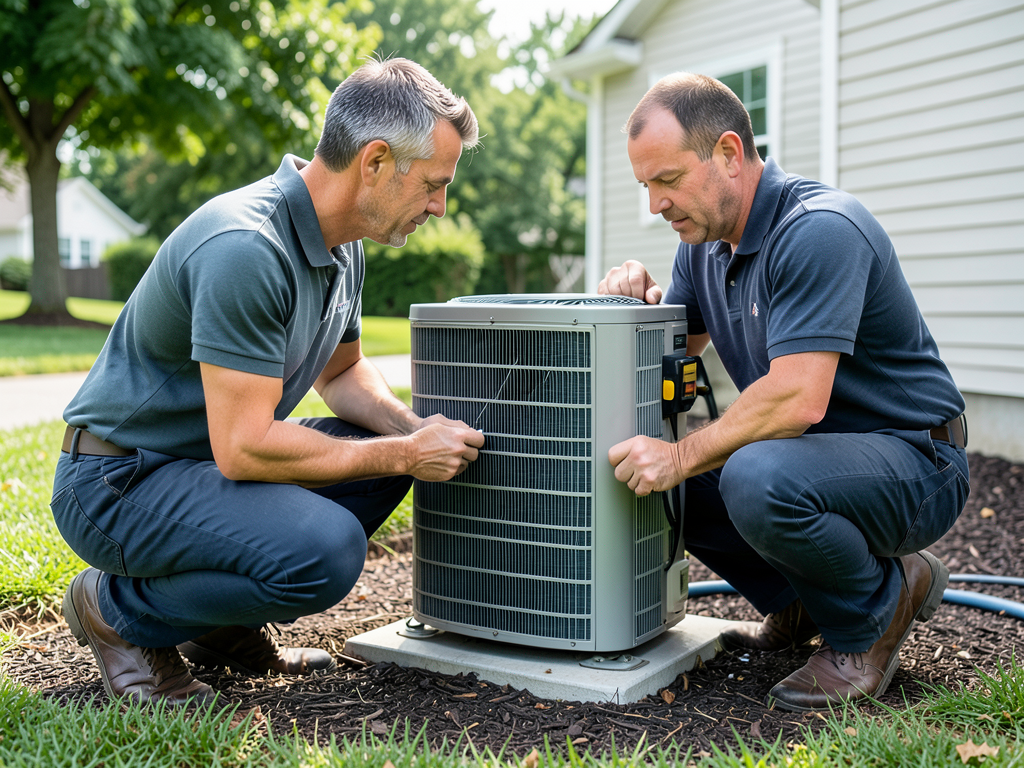
Your air conditioner's outdoor unit placement in Avalon Park directly impacts your monthly utility bills. In Orlando's intense heat and humidity, even a few feet of distance or a bit of shade can make a…
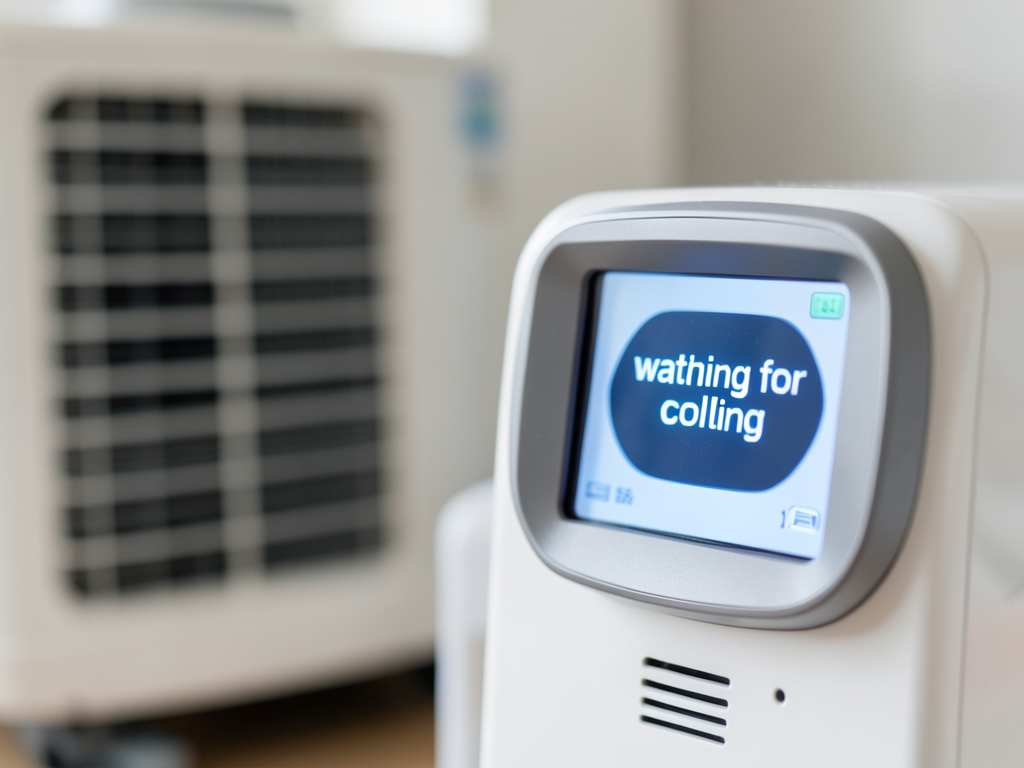
What to do if your St. Cloud thermostat says waiting for more than five minutes…
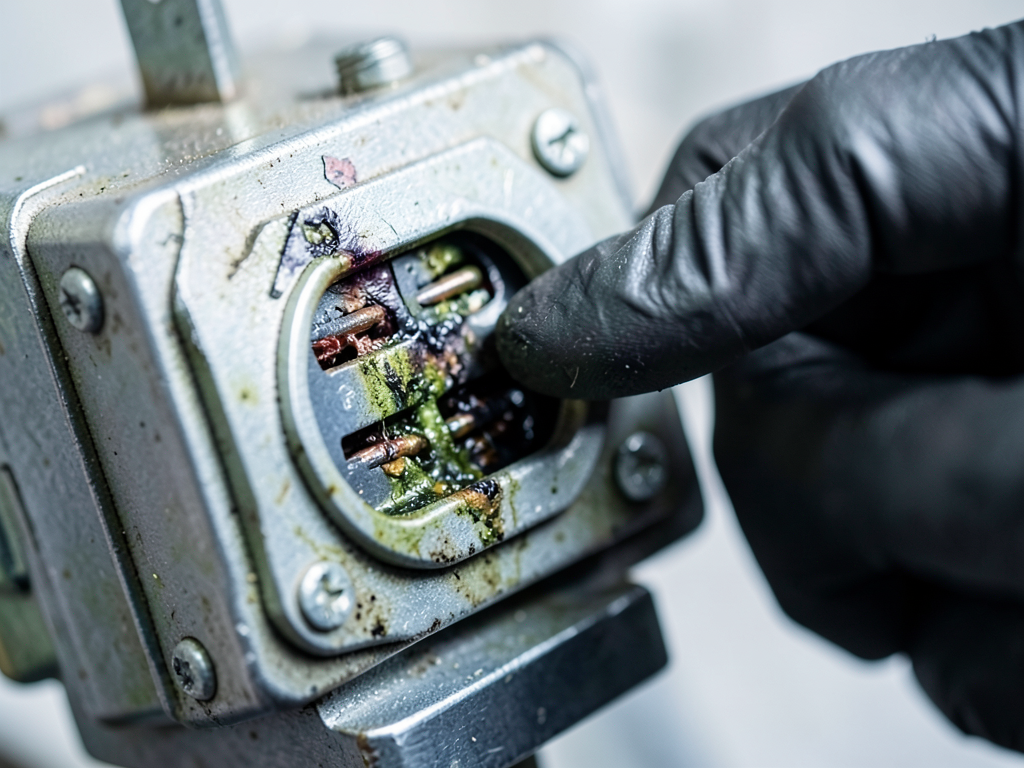
What it means when your Ocoee cooling system starts making a loud clicking sound Your…
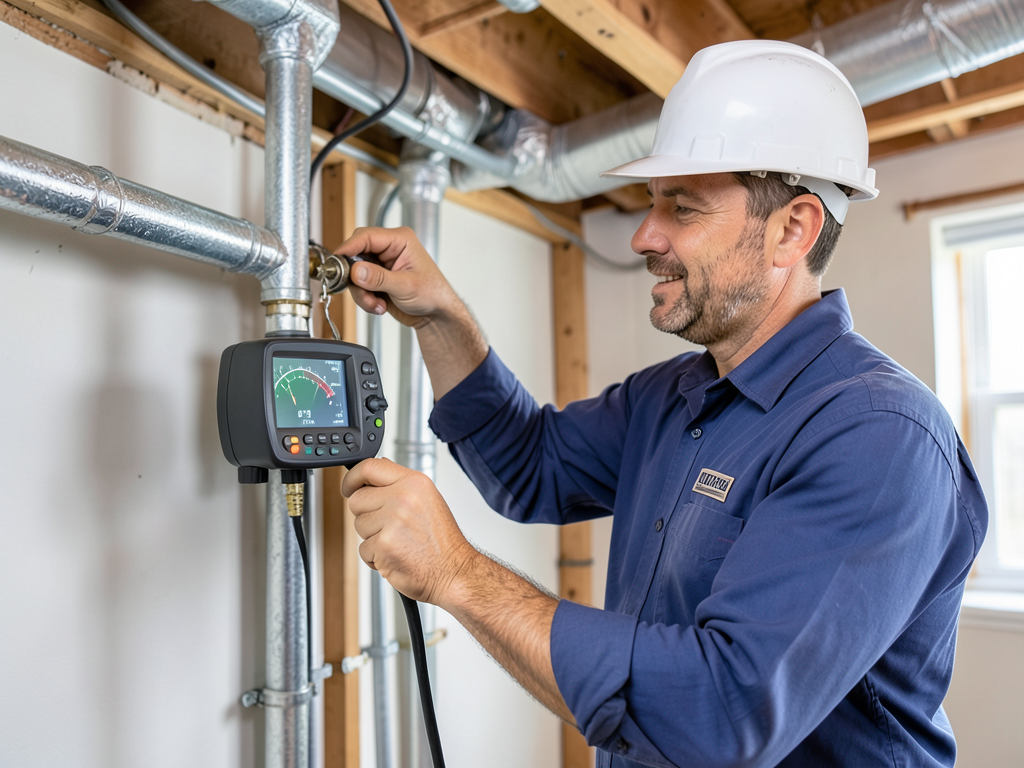
How to tell if your Celebration home builder installed the right size ductwork Your Celebration…
Your comfort matters. When your AC fails or your heater quits, call Summit HVAC Orlando at (321) 463-7979 for fast, reliable service. We answer 24/7 and dispatch immediately to restore your comfort quickly. No surprises, no delays, just quality HVAC repair from technicians who show up prepared and fix problems right.