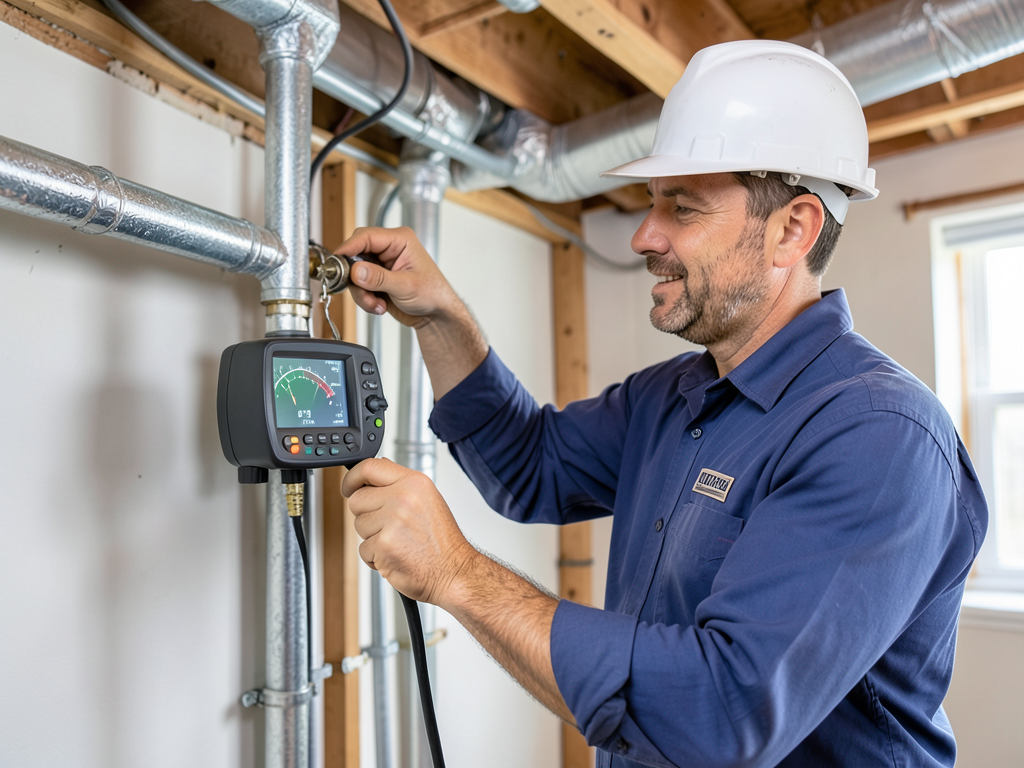





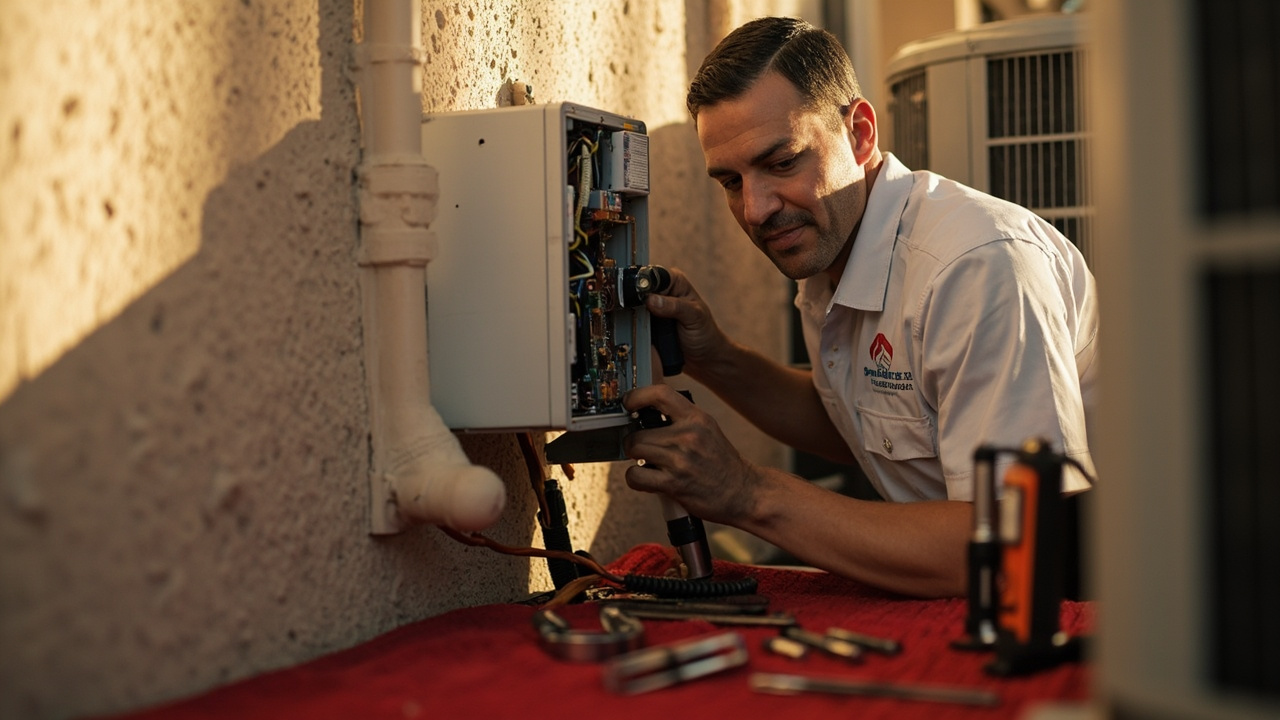
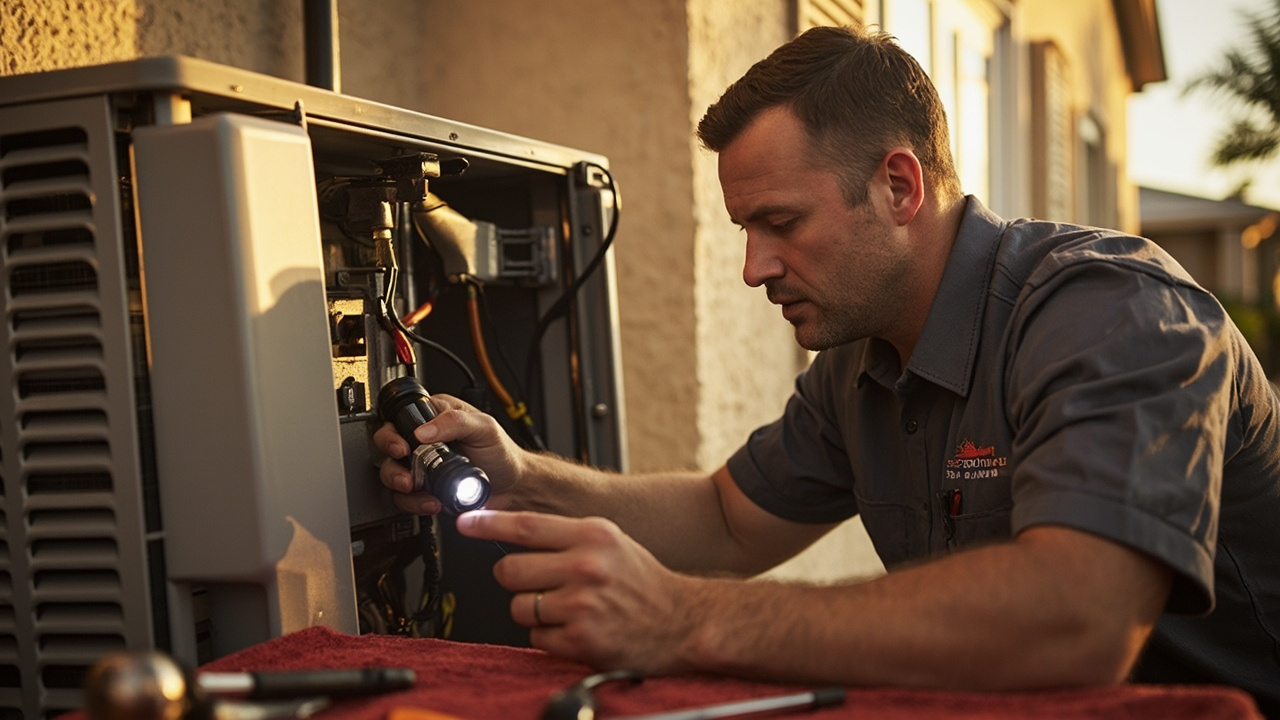
Short Cycling in Orlando – Expert Diagnosis and Permanent Repair for Systems That Won't Stay Running

When your AC or furnace keeps turning on and off every few minutes, you're not just dealing with discomfort. You're facing skyrocketing energy bills and imminent compressor failure. Summit HVAC Orlando identifies the root cause of short cycling and fixes it right the first time.

Slider Image 1
Slider Image 2
Slider Image 3
Slider Image 4
Slider Image 5
Slider Image 7
Slider Image 8
Slider Image 9
Slider Image 10
Slider Image 11

Why Your HVAC System Keeps Kicking On and Off in Orlando

You hear the compressor fire up. Thirty seconds later, it shuts down. Two minutes pass, and it starts again. This is HVAC rapid cycling, and it destroys equipment fast.

Orlando's extreme humidity makes short cycling even more dangerous. When your air conditioner short cycles, it never runs long enough to dehumidify your home. Your system pulls massive amperage during each startup, which is when motors and capacitors fail. A compressor that cycles 20 times per hour instead of three will die years early.

Furnace short cycling happens less often here, but when winter temperatures drop into the 40s and your heat pump struggles, rapid cycling can indicate refrigerant loss, airflow restriction, or a failing reversing valve.

The most common causes in Central Florida are undersized ductwork in older homes, clogged air filters from constant pollen and oak mold, refrigerant leaks from galvanic corrosion in coastal humidity, and oversized equipment installed during the housing boom when contractors prioritized speed over load calculations.

If your AC turns on and off repeatedly, the problem is mechanical or electrical. It will not fix itself. Every cycle wastes energy, spikes your bill, and brings you closer to a full system failure on a 98-degree afternoon.

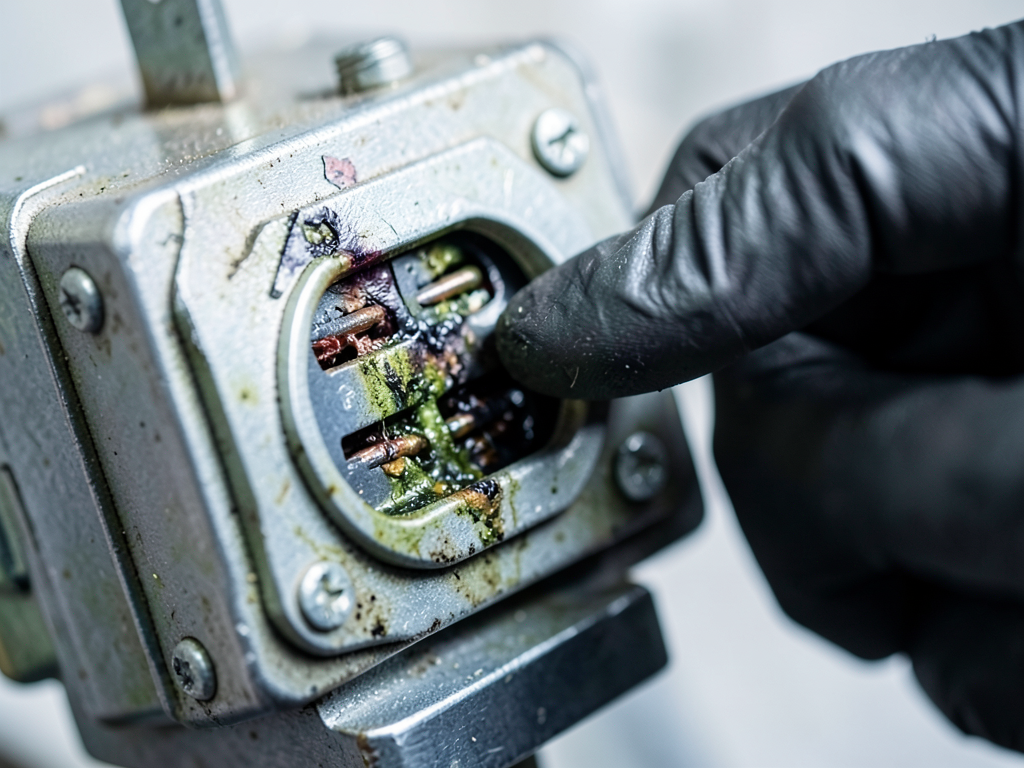
The longer you wait, the more damage accumulates. Contactors weld shut. Capacitors bulge and leak. Compressor windings overheat. What starts as an annoying pattern becomes a complete breakdown.

Why Your HVAC System Keeps Kicking On and Off in Orlando
How We Stop Short Cycling at the Source

How We Stop Short Cycling at the Source

Short cycling has six common causes, and generic troubleshooting misses most of them. We use a diagnostic protocol that tests each system in sequence.

First, we measure static pressure across your ductwork. If return airflow is restricted, your evaporator coil freezes, triggers the low-pressure cutoff, and shuts the system down. Dirty filters, closed vents, and crushed flex duct in attics all cause this. We check filter condition, measure supply and return velocities, and inspect accessible ductwork for kinks or disconnections.

Second, we test refrigerant charge with superheat and subcooling measurements. Orlando's humidity accelerates corrosion on lineset joints, especially where copper meets aluminum in older coil designs. Low refrigerant causes short cycling because the compressor reaches cutoff pressure too quickly. We find the leak, repair it, and recharge to manufacturer specs.

Third, we inspect the thermostat and control board. A failing anticipator or miscalibrated sensor can command rapid cycling even when the system is healthy. We test voltage at the contactor, verify proper signaling from the thermostat, and check for loose wiring at the air handler.

Fourth, we evaluate system sizing. If a previous contractor installed a five-ton unit in a home that needs three tons, the system satisfies the thermostat too fast and shuts down before completing a proper cycle. Oversized equipment is common in Florida tract homes built between 2000 and 2008.

We identify the exact failure point, explain what caused it, and repair it with the correct part or adjustment. Guessing is not an option.

What Happens During a Short Cycling Repair Visit

Short Cycling in Orlando – Expert Diagnosis and Permanent Repair for Systems That Won't Stay Running
01

System Performance Analysis

We arrive with calibrated gauges and multimeters, not assumptions. You describe the cycling pattern, and we observe the system through multiple on-off events. We measure cycle duration, monitor amperage draw at startup, and record thermostat behavior. This gives us a baseline of what is failing and when it fails during the cycle.
02

Component and Airflow Testing

We test static pressure, refrigerant charge, capacitor microfarads, contactor voltage, and thermostat calibration. We inspect the evaporator coil for freeze damage and check the drain pan for standing water, which indicates airflow restriction. Each test eliminates a possible cause until we isolate the actual failure. We explain what we find as we go.
03

Repair and Verification

Once we identify the root cause, we make the repair on site if we have the part. If we need to order a control board or coil, we explain lead time and interim options. After the fix, we monitor the system through three full cycles to confirm normal operation. You see the difference immediately. The system runs smoothly, holds temperature, and stops the maddening on-off pattern.

Why Orlando Homeowners Trust Summit HVAC for Short Cycling Repairs

Short cycling is not a simple fix. It requires diagnostic skill, not parts-swapping. Many Orlando HVAC companies replace the capacitor, tell you it's fixed, and leave. Two days later, the cycling starts again because the real problem was low refrigerant or a failing control board.

We have spent years working in Lake Nona, Baldwin Park, Colonialtown, and Audubon Park. We know the ductwork mistakes made in 1980s CBS block homes. We know the undersized linesets in 1990s additions. We know the oversized equipment installed during the last housing boom.

Orlando's climate is brutal on HVAC systems. Humidity causes coil corrosion. Afternoon thunderstorms stress electrical components. Pollen clogs filters faster here than anywhere else in the country. A technician who learned HVAC in Ohio will miss problems that are obvious to someone who has worked in Central Florida for a decade.

We also understand local building codes. Orange County requires specific duct sealing methods and refrigerant handling certifications. If a repair involves replacing a lineset or modifying ductwork, we follow Florida Building Code Mechanical Chapter 6 to the letter. Shortcuts create future failures.

We carry the parts that fail most often in this climate. Dual-run capacitors for Goodman and Trane systems. Contactors for Carrier and Lennox. Reversing valves for Rheem heat pumps. If your system is common in Orlando, we have the parts on the truck.

You are not getting a sales pitch for a new system unless your compressor is truly dead. We repair what can be repaired, and we tell you the truth about what cannot.

What to Expect When You Call Summit HVAC for Short Cycling

Same-Day Diagnosis Available

We understand that short cycling is an emergency. Your energy bill is climbing, and your system is on the edge of failure. We prioritize short cycling calls because they indicate imminent breakdown. Call us in the morning, and we can usually arrive the same afternoon. If we are fully booked, we will give you an exact appointment window for the next day, not a four-hour range. We show up when we say we will.

Transparent Diagnostic Process

You will not be left in the dark while we work. We walk you through each test and explain what we are checking. If we find a failed capacitor, we show you the bulging component and measure the microfarads to prove it is out of spec. If the problem is low refrigerant, we show you the gauge readings and explain what they mean. You get a written diagnostic report before we quote the repair.

Repairs Done Right the First Time

We do not guess. If the capacitor is weak, we replace it. If the refrigerant charge is low, we find the leak, fix it, and recharge the system to factory specifications. If the thermostat is miscalibrated, we replace it with a model that matches your system's control logic. We test the repair through multiple cycles before we leave. If the problem comes back within 30 days, we return and make it right.

Maintenance Plans to Prevent Future Cycling

Short cycling often starts small. A dirty coil reduces airflow. A weak capacitor delays startup. A slow refrigerant leak drops system pressure. Our maintenance plans catch these problems before they cause rapid cycling. We inspect airflow, test refrigerant charge, measure capacitor performance, and clean coils twice a year. Members get priority scheduling and discounted repairs. Prevention is cheaper than emergency replacement.

Frequently Asked Questions

You Have Questions,
We Have Answers

What is the most common cause of short cycling? +

The most common cause of short cycling in Orlando is a **dirty air filter** combined with refrigerant issues. Orlando's high humidity and constant AC use clog filters faster than in drier climates. When airflow drops, your evaporator coil freezes, triggering safety shutoffs. Low refrigerant from leaks also causes pressure imbalances that force the compressor to shut down prematurely. Oversized units are another culprit. A system too powerful for your square footage reaches temperature too fast and cycles off repeatedly. Orlando homes with poor insulation or leaky ductwork make this worse. Check your filter monthly during cooling season.

How do you fix short cycling? +

Start by replacing your air filter and inspecting your thermostat placement. If it sits near a heat source or in direct sunlight, it reads false temperatures and cycles the system incorrectly. Check your outdoor unit for debris blocking airflow. Orlando's oak pollen and palm fronds clog condenser coils fast. Next, verify refrigerant levels with a technician. Low charge from leaks is fixable but requires professional equipment. If your system is oversized for your home, you may need a two-stage compressor or variable-speed upgrade. Ductwork leaks steal 20-30% of cooled air in older Orlando homes, forcing premature cycling.

What is the meaning of short cycling? +

Short cycling means your HVAC system turns on and off in rapid bursts, typically running less than 10 minutes per cycle. A healthy system should run 15-20 minutes to properly dehumidify and cool your space. When it short cycles, your compressor endures excessive startup strain, your energy bills spike, and your home stays uncomfortable. In Orlando's humid climate, short cycling prevents proper moisture removal. Your indoor humidity stays high even when temperatures feel acceptable. This damages the compressor over time and can cut your system's lifespan in half. It signals an underlying mechanical or sizing problem that needs diagnosis.

How to tell if HVAC is short cycling? +

Listen for your outdoor unit turning on and off every few minutes instead of running steady cycles. Check your thermostat. If the temperature never reaches the setpoint and the system keeps restarting, that confirms short cycling. Walk outside during operation. If the condenser runs briefly then stops before your home cools, you have a problem. Orlando humidity makes this obvious. Your home feels clammy and warm despite the AC running constantly. Monitor your energy bills. Short cycling wastes power on repeated startups. You will see unexplained spikes. Ice buildup on refrigerant lines or the evaporator coil also indicates cycling issues.

Can a thermostat cause short cycling? +

Yes. A malfunctioning thermostat is a frequent short cycling trigger in Orlando homes. If the thermostat sits near a window with direct sun exposure or above a heat-producing appliance, it reads artificially high temperatures and shuts off prematurely. Faulty wiring or a dying battery can send erratic signals to your compressor. Older mercury thermostats lose calibration over time. If your thermostat is located in a hallway away from your main living space, it may not accurately reflect your actual comfort needs. Upgrading to a programmable or smart thermostat with proper placement often solves the problem immediately.

How to tell if a compressor is shorted to ground? +

Turn off power to your AC unit at the breaker. Use a multimeter set to ohms. Disconnect the compressor wires and place one probe on a compressor terminal and the other on the bare copper ground or outdoor unit casing. A reading of zero or near-zero ohms indicates a ground fault. The compressor motor insulation has failed, and current leaks to the metal housing. This is dangerous and will trip your breaker repeatedly. In Orlando's heat and humidity, compressor windings degrade faster due to constant operation. A shorted compressor cannot be repaired. Replacement is required, often meaning a full outdoor unit swap.

Can a dirty air filter cause short cycling? +

Absolutely. A clogged filter is the leading cause of short cycling in Orlando. High humidity and constant AC runtime load filters with dust, pollen, and mold spores quickly. Restricted airflow drops pressure across your evaporator coil, causing it to freeze. When ice builds up, your system shuts down on safety limits. The ice melts, the system restarts, and the cycle repeats. Orlando homes should change filters every 30-45 days during peak cooling months, not the 90-day interval you see on packaging. Check your filter now. If you cannot see light through it, replace it immediately.

What is the $5000 AC rule? +

The $5000 rule is a guideline for deciding between AC repair and replacement. Multiply the age of your system by the quoted repair cost. If the result exceeds $5000, replace the unit instead of repairing it. For example, a 12-year-old system needing a $500 compressor repair equals $6000, suggesting replacement makes better financial sense. In Orlando, where systems run 8-10 months per year, a 10-year-old unit is near end-of-life regardless of repair costs. Factor in efficiency gains. A new SEER2 16 system cuts cooling costs significantly compared to an older SEER 10 unit.

How much does it cost to fix a short cycling furnace? +

Repair costs depend on the root cause. Replacing a thermostat costs $150-$300. A new air filter is under $30. Cleaning a flame sensor runs $100-$150. Refrigerant leaks require locating the breach and recharging, typically $300-$800. If the limit switch or pressure control failed, expect $200-$400 for parts and labor. A failing blower motor costs $400-$800. Compressor replacement is rarely cost-effective on furnaces. In Orlando, most homes use heat pumps instead of traditional furnaces, so short cycling repairs usually address cooling-side components. Get a diagnostic before committing. Many techs charge $75-$125 for an inspection.

Why is my AC set to 72 but reads 78? +

Your thermostat reads the actual room temperature, which is 78 degrees. The setpoint of 72 is your target, not current reality. If your AC runs continuously but cannot reach 72, you likely have inadequate cooling capacity, ductwork leaks, or poor insulation. Orlando homes with single-pane windows or attic temps exceeding 130 degrees struggle to cool during peak afternoon hours. Check for air leaks around doors and windows. Verify your outdoor unit is not clogged with debris or running low on refrigerant. An oversized or undersized system also causes this gap. Your ductwork may be dumping cooled air into your attic or crawlspace.

How Orlando's Humidity and Afternoon Storms Accelerate Short Cycling

Orlando averages 51 inches of rain per year, and most of it falls between June and September in violent afternoon thunderstorms. This creates two problems for HVAC systems. First, constant humidity causes galvanic corrosion on refrigerant linesets, especially where dissimilar metals meet. A pinhole leak drops refrigerant charge slowly over months, and short cycling is often the first symptom. Second, power surges from lightning strikes degrade capacitors and control boards. A compressor that cycles on and off every two minutes after a summer storm often has a damaged start capacitor or contactor.

Summit HVAC Orlando has worked in every major neighborhood in Orange County. We know the ductwork layouts in Delaney Park bungalows, the undersized returns in Dr. Phillips custom homes, and the flex duct nightmares in Avalon Park attics. We also stay current on local code enforcement. Orange County requires brazing for refrigerant repairs, not compression fittings. We follow the rules because shortcuts cause callbacks. When your system keeps turning on and off, you need someone who knows Orlando systems inside and out.
HVAC Services in The Orlando Area

Summit proudly serves Orlando and surrounding Central Florida areas with fast, professional HVAC services. Whether you're in the heart of the city or in nearby neighborhoods, our technicians are just a call away. Use the map below to view our service area and plan your visit or consultation. We make it convenient to get expert help where and when you need it. Your comfort is always within reach with Summit.

Address:
Summit HVAC Orlando, 4700 Millenia BlvdOrlando, Orlando, FL, 32839

Additional Services We Offer

Our news updates

Latest Articles & News from The Blogs

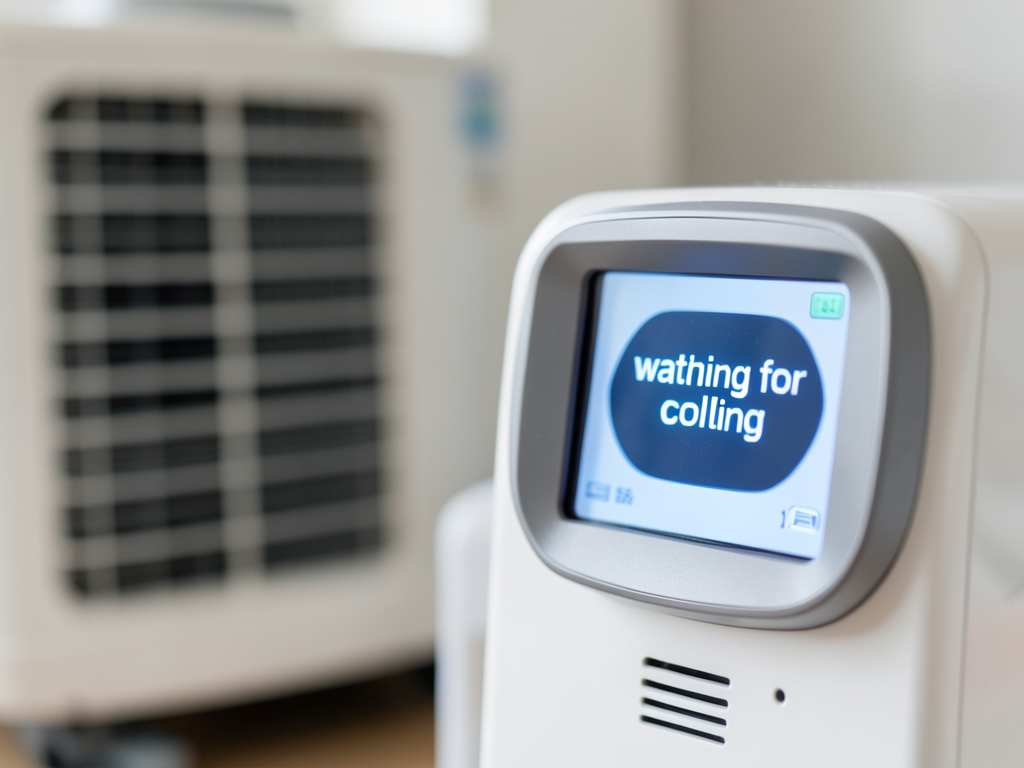
What to do if your St. Cloud thermostat says waiting for more than five minutes Your thermostat displays 'waiting for…

What to do if your St. Cloud thermostat says waiting for more than five minutes

What to do if your St. Cloud thermostat says waiting for more than five minutes Your thermostat displays 'waiting for…

What it means when your Ocoee cooling system starts making a loud clicking sound

What it means when your Ocoee cooling system starts making a loud clicking sound Your outdoor AC unit should hum…

How to tell if your Celebration home builder installed the right size ductwork

How to tell if your Celebration home builder installed the right size ductwork Your Celebration home should feel comfortable year-round.…

Contact Us

Your system will not heal itself. Every cycle damages your compressor and spikes your power bill. Call Summit HVAC Orlando at (321) 463-7979 right now. We will diagnose the problem, explain what is failing, and fix it today.