






Noisy AC or Heater in Orlando – Expert Diagnosis Stops the Problem at the Source

When your air conditioner rattles or your furnace makes noise, you need more than a temporary fix. Summit HVAC Orlando identifies the root cause of loud HVAC systems and delivers precision repairs that restore quiet operation and prevent future damage.

Slider Image 1
Slider Image 2
Slider Image 3
Slider Image 4
Slider Image 5
Slider Image 7
Slider Image 8
Slider Image 9
Slider Image 10
Slider Image 11

Why Your HVAC System Makes Noise in Orlando Homes

A loud air conditioner or furnace making noise is not just annoying. It signals mechanical stress that will escalate into full system failure if ignored.

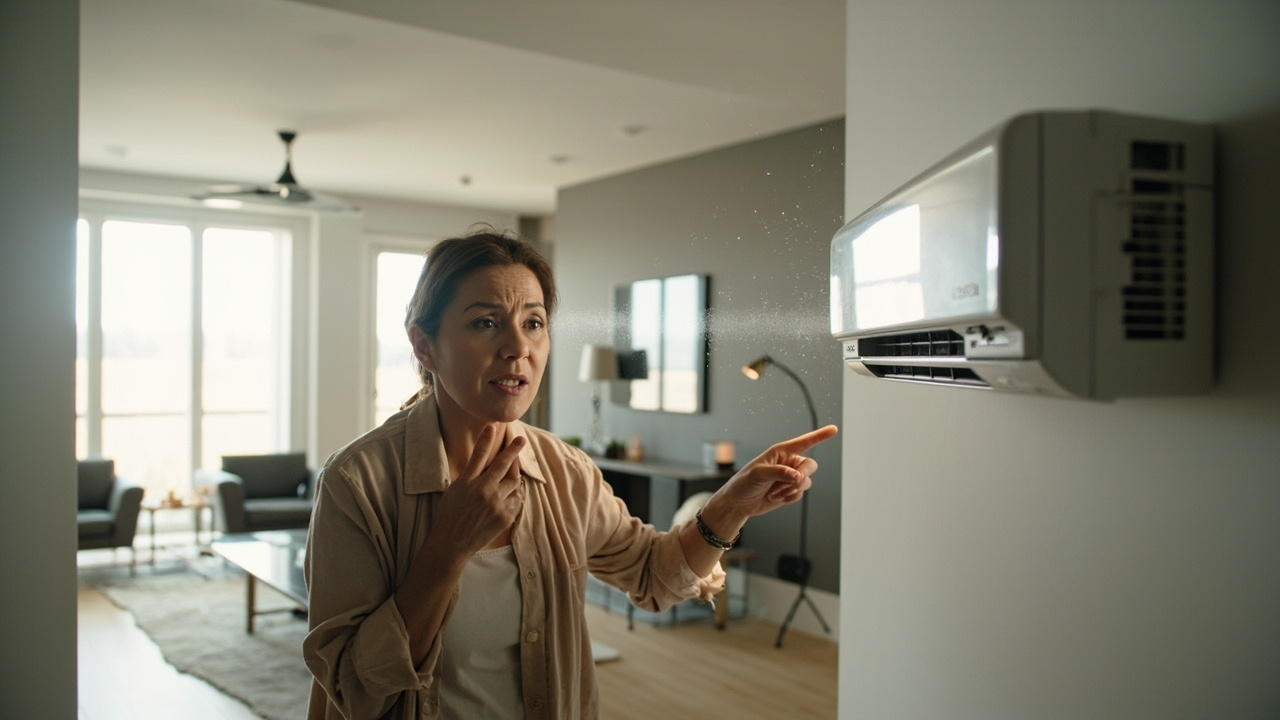
Orlando's extreme humidity creates unique strain on HVAC components. When condensate drains clog from algae growth, the backup causes water to hit the blower wheel, creating a sloshing or thumping sound. When air handlers run continuously to combat 90-degree heat and 80% humidity, worn bearings in the blower motor start to squeal. When ductwork expands and contracts multiple times per day due to temperature swings, loose metal panels bang and pop.

A noisy HVAC system also wastes energy. When your air conditioner makes noise from a failing compressor, it draws excessive amperage and drives up your electric bill. When a loud heater rattles from a cracked heat exchanger, it vents combustion gases into your living space, creating a carbon monoxide risk.

Most homeowners in Baldwin Park or College Park assume the noise will go away. It will not. The friction that causes the sound accelerates wear. A squealing belt becomes a snapped belt. A rattling fan blade becomes a broken blade that damages the entire fan assembly.

You need a technician who can differentiate between a loose mounting bolt and a failing compressor. Someone who knows that Orlando homes built before 2002 often have undersized ductwork that creates whistling at the registers. Someone who can hear the difference between refrigerant flow noise and a bearing about to seize.

Why Your HVAC System Makes Noise in Orlando Homes
How We Diagnose and Eliminate HVAC Noise

How We Diagnose and Eliminate HVAC Noise

We do not guess. We use a systematic diagnostic protocol that isolates the noise source in minutes.

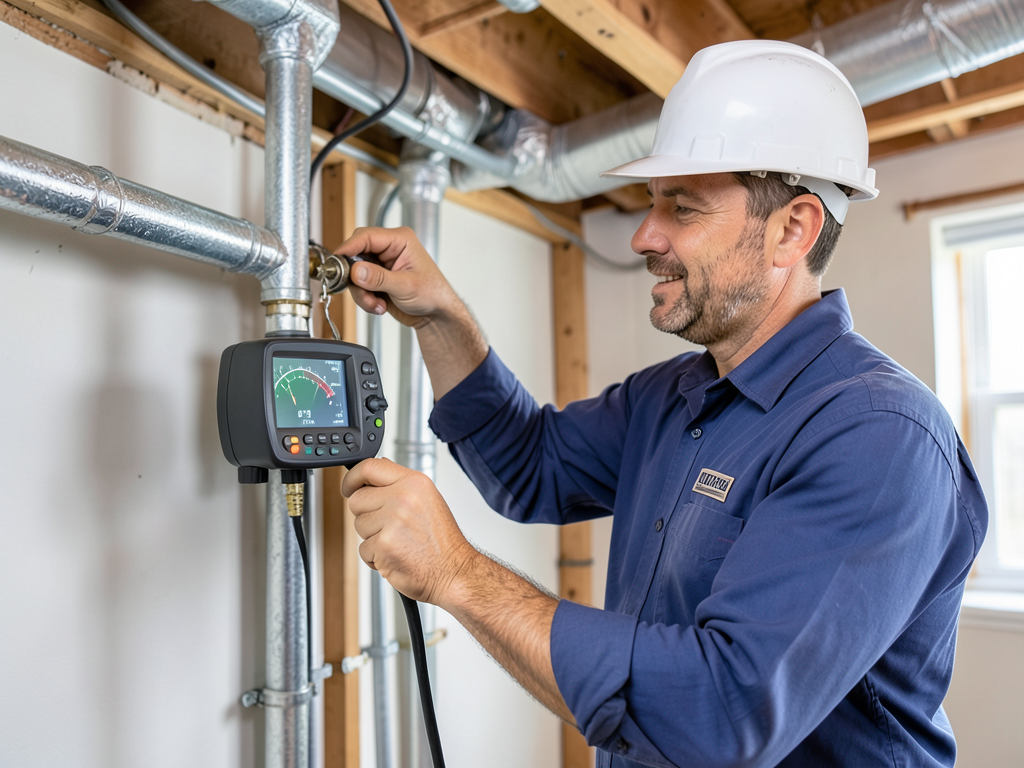
First, we run the system through a full heating and cooling cycle while monitoring amperage draw at the compressor, blower motor, and capacitor. Elevated amperage under load tells us a component is struggling. We use a vibration analyzer to measure oscillation at bearing points. Any reading above 0.3 inches per second indicates imminent failure.

Next, we inspect the blower assembly. We check the wheel for debris buildup, which throws the assembly out of balance and causes a helicopter-like thumping. We measure the motor mounts for rubber deterioration. Orlando's heat degrades rubber faster than in cooler climates, and a loose motor will vibrate against the housing.

We examine the compressor for refrigerant undercharge or overcharge. A hissing sound means refrigerant is escaping through a leak. A growling sound means the compressor is starved for oil. We check for liquid slugging, which happens when refrigerant enters the compressor in liquid form instead of vapor. This creates a hammering sound and will destroy the compressor in weeks.

We inspect the ductwork for air leaks and pressure imbalances. High static pressure from a clogged filter or closed registers forces air through small gaps, creating a whistling noise. We use a manometer to measure supply and return pressure. If the delta exceeds 0.5 inches of water column, the blower is working too hard.

We correct the problem with OEM replacement parts, not universal aftermarket components that fail within months.

What Happens During Your Noise Diagnostic

Noisy AC or Heater in Orlando – Expert Diagnosis Stops the Problem at the Source
01

Initial Sound Assessment

We listen to the system during startup, steady operation, and shutdown. Different noises occur at different stages. A clicking sound during startup points to a failing contactor. A grinding sound during steady operation points to a bearing failure. A bang during shutdown points to a refrigerant migration issue. We record the sound frequency and compare it to known failure signatures.
02

Component Load Testing

We measure voltage and amperage at every major component under operating conditions. A compressor drawing 15% over rated amps is failing internally. A blower motor pulling inconsistent amperage has a weak capacitor. We test capacitance with a digital meter. Orlando's heat shortens capacitor life to three years on average. A weak capacitor causes the motor to labor and hum loudly.
03

Repair and Verification

After replacing the failed component, we retest the system under load to confirm the noise is eliminated. We verify airflow at the registers and check for secondary issues caused by the original failure. A bad blower motor often causes the evaporator coil to freeze, restricting airflow. We ensure the system operates within manufacturer specifications before we leave.

Why Orlando Homeowners Trust Summit HVAC for Noise Repairs

Generic HVAC companies treat noise as a minor annoyance. They tighten a few screws and leave. The noise returns within days because they never identified the real problem.

Summit HVAC Orlando understands the mechanical stress Orlando's climate places on HVAC systems. We know that humidity accelerates corrosion on blower wheels and fan blades. We know that thermal expansion in ductwork is more severe here than in northern climates. We know that undersized systems, common in homes built during Orlando's rapid growth in the 1990s, run longer duty cycles that wear out components faster.

We also understand local building codes. Orange County requires duct leakage testing on new installations, but most older homes have leaky ducts that waste 30% of conditioned air. When ducts leak, the blower works harder and makes more noise. We seal duct leaks with mastic, not foil tape, which fails in Florida's heat.

We stock parts for the brands installed most frequently in the Orlando metro area. Carrier, Trane, Lennox, Rheem, and Goodman systems dominate the local market. We keep blower motors, capacitors, contactors, and compressor hard-start kits on every truck. When we diagnose a failed part, we replace it immediately. No waiting days for a part to arrive while your system deteriorates further.

We train our technicians on the specific failure modes common to Florida installations. Salt air corrosion in coastal neighborhoods. Algae growth in condensate lines. Rodent damage in attic-mounted air handlers. Electrical issues from frequent lightning strikes.

You get a technician who has seen your exact problem dozens of times.

What to Expect When You Call Summit HVAC Orlando

Same-Day Diagnostic Availability

We schedule diagnostic appointments within hours, not days. A noisy HVAC system is a failing HVAC system. Waiting a week for an appointment allows the damage to worsen. Most noise-related failures happen suddenly. A bearing does not gradually fail. It runs fine, then seizes. We arrive prepared to diagnose and repair in a single visit. Our trucks carry the most common failure parts for Orlando systems. You get a quiet system restored the same day you call in most cases.

Transparent Diagnostic Process

We show you the failed component and explain why it failed. You see the worn bearing, the cracked mount, or the corroded blade. We explain how the failure affects system performance and what happens if you delay the repair. We provide a written estimate before starting any work. No surprise charges. No upselling. If your system needs a blower motor, we replace the blower motor. We do not recommend a full system replacement unless the repair cost exceeds 50% of replacement cost.

Permanent Noise Elimination

We do not mask the symptom. We eliminate the cause. If your system makes noise from vibration, we replace worn isolation mounts and rebalance the blower assembly. If the noise comes from ductwork, we add bracing and seal leaks. If the compressor is failing, we replace it with an OEM unit matched to your system. After the repair, your system operates as quietly as it did when new. You hear the soft hum of airflow, not the grinding or banging that signaled imminent failure.

Post-Repair System Check

After completing the repair, we test the entire system. We measure airflow, check refrigerant pressures, and verify electrical connections. A failed component often stresses other parts of the system. A bad capacitor can damage a compressor. A clogged filter can overheat a blower motor. We identify and correct secondary issues before they cause additional failures. We document the repair and provide maintenance recommendations to prevent future problems. You get a system that runs quietly and efficiently for years.

Frequently Asked Questions

You Have Questions,
We Have Answers

Why is my AC so loud all of a sudden? +

Sudden loud noises from your AC often signal a mechanical failure. Loose components like fan blades or mounting bolts rattle when they shift. A screaming sound points to a failing compressor or worn belt. Grinding indicates bearing failure. Orlando's high humidity accelerates rust and corrosion, which loosens parts faster than in dry climates. Debris like palm fronds can also lodge in the outdoor unit. If your system was quiet yesterday and loud today, shut it down and call a technician. Running a damaged unit causes more expensive damage. The noise is your warning.

What is the 3 minute rule for AC? +

The 3 minute rule prevents compressor damage during cycling. After your AC shuts off, wait at least three minutes before restarting. This allows refrigerant pressure to equalize throughout the system. If you restart too soon, the compressor tries to start against high pressure, which strains the motor and can burn it out. Most modern units have built-in time delay relays to enforce this automatically. In Orlando's hot climate where systems run constantly, short cycling breaks this rule and shortens compressor life. If your unit restarts immediately after shutting off, the delay relay may have failed.

What does an AC compressor sound like when it's going out? +

A failing compressor makes distinct sounds before it dies. You will hear a hard starting noise, like a stuttering or rattling as it struggles to turn on. Once running, it may produce a grinding or clanking sound from worn internal bearings. A high-pitched squeal means refrigerant pressure is escaping. If you hear loud banging when the unit shuts off, internal components are damaged. In Orlando's year-round cooling season, compressors work harder and fail faster than northern climates. A compressor nearing failure often trips breakers or causes the unit to shut down mid-cycle.

Which is the most common source of abnormal noises in an air conditioner? +

The blower motor and fan assembly cause most AC noise complaints. Worn bearings create a squealing or grinding sound. Unbalanced fan blades produce rhythmic thumping. A loose blower wheel rattles against the housing. Dirt buildup on fan blades throws them out of balance, which worsens in Orlando's dusty environment near construction zones. The blower runs constantly during cooling, so even minor issues amplify. Technicians check motor mounts, lubricate bearings, and clean blades during maintenance. Ignoring blower noise leads to motor burnout, which costs more to replace than repair.

What is the $5000 AC rule? +

The $5000 rule is a replacement guideline, not an actual code. Multiply your system's age by the repair cost. If the total exceeds $5000, replace the unit instead of repairing it. For example, a 12-year-old system needing a $600 repair equals $7200, so replacement makes financial sense. This rule accounts for diminishing efficiency and future repair likelihood. In Orlando's climate, units older than 10 years run inefficiently due to constant use. Modern systems cool better while using less energy. Factor in rising electricity costs and potential refrigerant phaseouts when deciding.

What does a blown blower motor sound like? +

A blown blower motor produces no sound at all because it stops running. Before complete failure, you will hear loud screeching from seized bearings or a humming without airflow as the motor tries but fails to spin. You may smell burning from overheated windings. The thermostat calls for cooling, but no air comes from vents. Orlando's thick air laden with humidity and pollen clogs filters faster, which forces motors to work harder. A motor drawing excessive amperage will trip breakers repeatedly. If your system runs but pushes no air, the blower motor has failed.

What are signs of a failing AC compressor? +

A failing compressor shows several warning signs before dying. The unit struggles to reach set temperature despite running constantly. You notice warm air from vents or ice forming on refrigerant lines. Hard starting with clicking or stuttering sounds indicates capacitor or motor failure. Circuit breakers trip frequently. The outdoor unit shakes or vibrates excessively. You hear grinding, rattling, or banging from the condenser. Orlando systems run 8-10 months yearly, which accelerates wear. Compressor failure often follows neglected maintenance. Dirty coils force the compressor to work harder, which shortens its life by years.

How cool should my house be if it's 100 outside? +

Your AC should maintain 75-80 degrees inside when it hits 100 degrees outside. Most residential systems are sized for a 20-degree temperature differential. Expecting 72 degrees during extreme heat overworks your unit. In Orlando's humid climate, the system also removes moisture, which requires extra energy. Set your thermostat to 78 degrees, close blinds on sun-facing windows, and run ceiling fans to feel cooler without lowering temperature. If your home exceeds 80 degrees during peak heat, you have an undersized system, duct leaks, or poor insulation. Units running constantly without reaching temperature need professional diagnosis.

How do the amish keep cool in the summer? +

This question does not relate to AC repair diagnostics. Amish cooling methods include passive ventilation, opening windows at night, using whole-house fans, and building homes with thick walls for thermal mass. They avoid mechanical cooling systems. If you are experiencing AC noise issues in Orlando, the focus should be on identifying mechanical failures like loose components, worn bearings, or compressor problems. Modern HVAC systems require professional diagnosis when making unusual sounds. Traditional cooling methods do not address equipment failures that cause noise in mechanical air conditioning systems.

Should I turn off my AC if it's making noise? +

Yes, turn off your AC immediately if it makes loud or unusual noises. Continuing to run a damaged system causes catastrophic failure. A rattling fan blade can break and damage other components. A grinding compressor can seize completely. A screeching belt can snap. Orlando's heat makes homeowners reluctant to shut down cooling, but running a failing unit for a few more hours costs thousands in additional damage. Turn off the system at the thermostat and breaker panel. Open windows, use fans, and call a technician. Most repairs cost less if you catch them early.

How Orlando's Year-Round AC Use Accelerates HVAC Component Wear

Orlando homes run air conditioning 10 to 12 months per year. Your compressor operates under load more than 3,000 hours annually, compared to 1,500 hours in northern climates. This extended duty cycle accelerates bearing wear, refrigerant oil breakdown, and capacitor degradation. When a compressor bearing begins to fail, the noise starts as a faint hum and progresses to a loud grinding within weeks. High humidity promotes algae growth in condensate drain pans, which clogs drains and causes water to slosh inside the air handler. This combination of thermal stress and moisture creates failure modes you will not see in drier climates.

Summit HVAC Orlando has diagnosed noisy systems in thousands of local homes. We know the specific failure patterns in Metrowest split-systems and the ductwork issues common to Winter Park's older housing stock. We understand Orange County's energy code requirements and how they affect system sizing and airflow. When you call a company familiar with Orlando's climate and construction methods, you get faster diagnosis and accurate repairs. We do not waste time testing components that rarely fail here. We focus on the wear points specific to Florida's heat and humidity.
HVAC Services in The Orlando Area

Summit proudly serves Orlando and surrounding Central Florida areas with fast, professional HVAC services. Whether you're in the heart of the city or in nearby neighborhoods, our technicians are just a call away. Use the map below to view our service area and plan your visit or consultation. We make it convenient to get expert help where and when you need it. Your comfort is always within reach with Summit.

Address:
Summit HVAC Orlando, 4700 Millenia BlvdOrlando, Orlando, FL, 32839

Additional Services We Offer

Our news updates

Latest Articles & News from The Blogs

How to prep your Lake Nona smart home HVAC system for a long summer vacation Heading to the beach or…

How to prep your Lake Nona smart home HVAC system for a long summer vacation

How to prep your Lake Nona smart home HVAC system for a long summer vacation Heading to the beach or…

Why your Winter Park home feels muggy even though the air conditioning is running

Why your Winter Park home feels muggy even though the air conditioning is running Your air conditioner runs nonstop but…

What to do when your AC starts blowing warm air in the middle of a Maitland heatwave

What to do when your AC starts blowing warm air in the middle of a Maitland heatwave Your AC is…

Contact Us

A noisy HVAC system will fail. The only question is when. Call Summit HVAC Orlando at (321) 463-7979 for same-day diagnosis and repair. We identify the source, explain the fix, and restore quiet operation fast.