




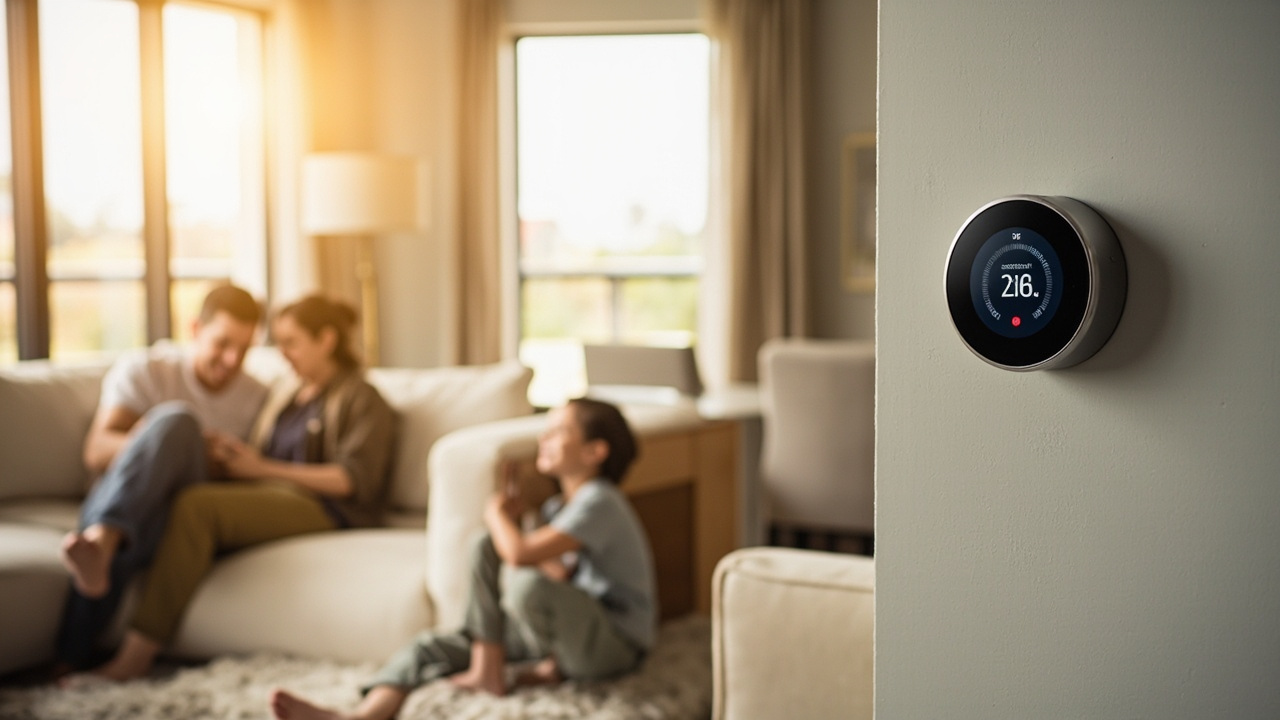

Orlando homeowners run air conditioning nine to ten months each year, compared to five or six months in northern climates. This extended cooling season means small efficiency improvements compound into substantial annual savings. A smart thermostat that reduces runtime by 20 percent during a typical Orlando year prevents 1,500 to 2,000 additional hours of compressor operation. The benefits of connected thermostats become more pronounced when your system faces continuous demand from May through October, when overnight temperatures rarely drop below 70 degrees and afternoon heat regularly exceeds 90 degrees. The algorithms adjust for Orlando's unique pattern of morning humidity, midday heat buildup, and afternoon thunderstorms that temporarily cool outdoor air but spike indoor humidity levels.
Orlando's mix of older and newer housing stock creates varying HVAC challenges across neighborhoods. Homes in Winter Park and College Park often feature original ducting and single-stage systems that benefit from smart thermostat optimization. Newer developments in Lake Nona and Windermere typically include multi-stage or variable-speed systems that unlock advanced features in premium smart thermostats. Local HVAC expertise matters because generic installers unfamiliar with Florida building practices may misconfigure humidity settings or fail to account for the impact of afternoon thunderstorms on system performance. We understand how Orlando's architecture and climate interact with HVAC technology, ensuring your smart thermostat delivers maximum value rather than just adding another connected device to your home.