




Furnace Blowing Cold Air in Orlando – Fast Expert Diagnosis to Restore Your Heat Today

When your furnace is blowing cold air instead of heating your Orlando home, our certified technicians diagnose the root cause fast and deliver same-day repairs to get your heating system back to full operation.

Slider Image 1
Slider Image 2
Slider Image 3
Slider Image 4
Slider Image 5
Slider Image 7
Slider Image 8
Slider Image 9
Slider Image 10
Slider Image 11

Why Your Orlando Furnace is Blowing Cold Air Right Now

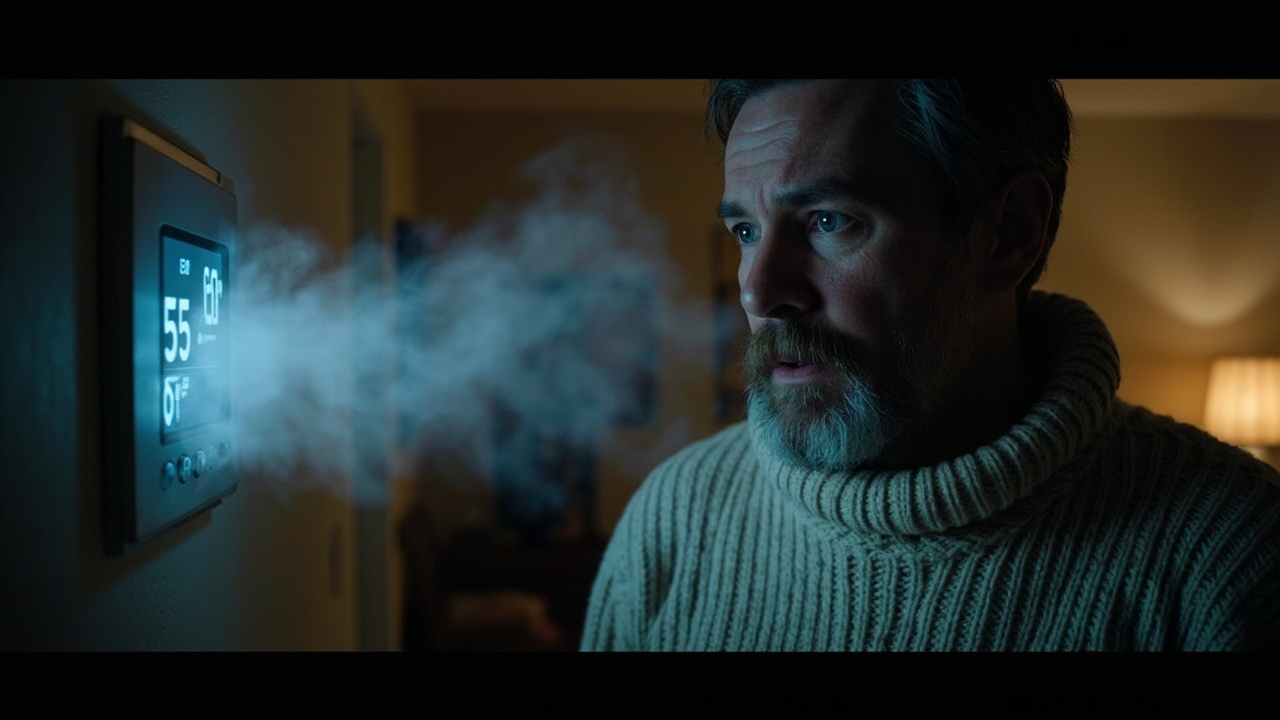
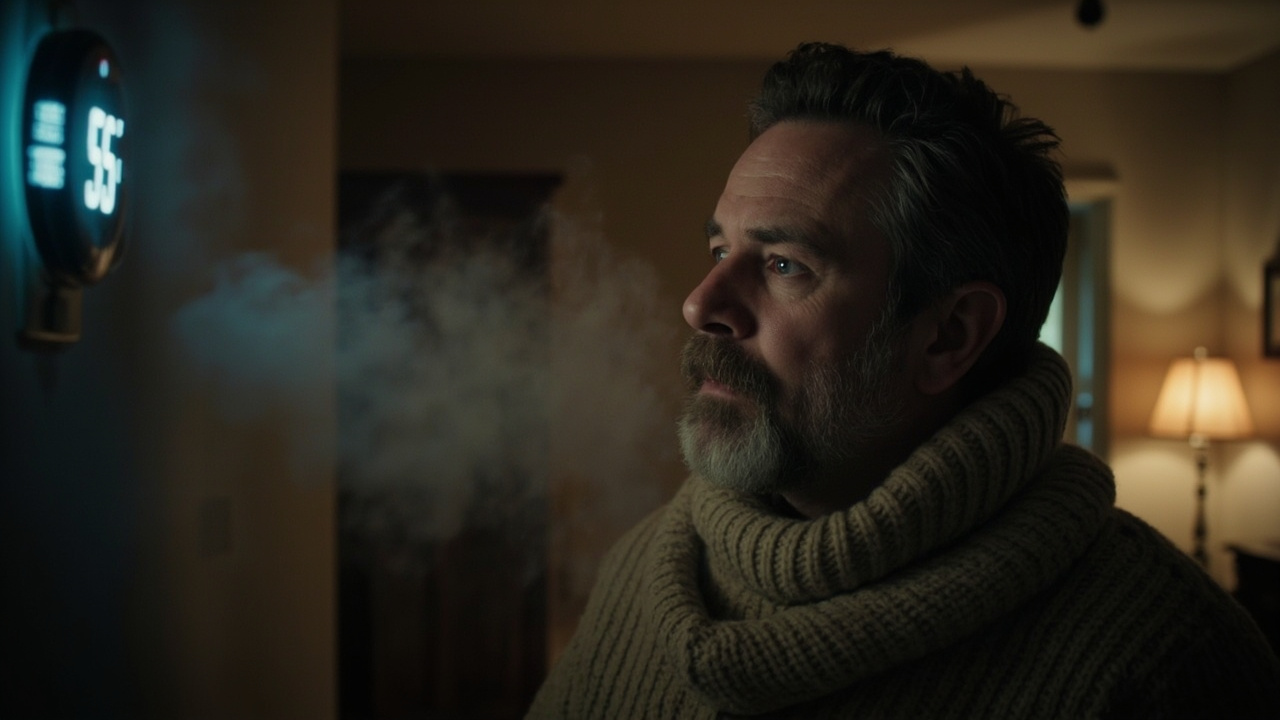
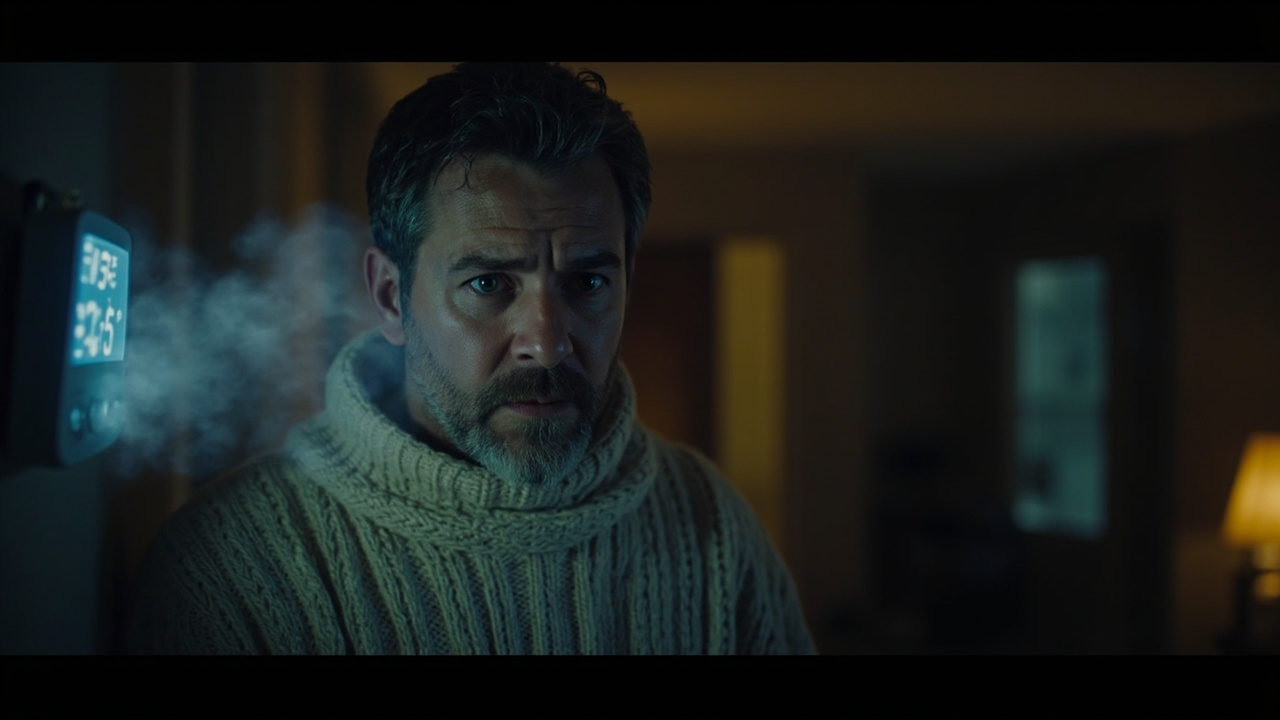
You turn up the thermostat expecting warm air. Instead, your furnace is blowing cold air through every vent. The frustration is immediate, especially when Orlando's winter mornings dip into the 40s and your home feels like an icebox.

A heater blowing cold air is not normal. This problem signals a failure somewhere in your heating system, and Orlando's unique climate makes diagnosis tricky. Many homes here use heat pumps instead of traditional gas furnaces. When humidity levels spike, even in winter, condensate drain lines clog. When temperatures swing 30 degrees between morning and afternoon, thermal expansion stresses components. When your heating system starts blowing unheated air, the cause could be a tripped flame sensor, a failed reversing valve, a dirty air filter choking airflow, or a refrigerant leak.

A furnace blowing cool air also happens when the pilot light goes out on gas systems, or when the thermostat wiring shorts due to Florida's moisture infiltration. Homeowners in College Park and Baldwin Park often discover their furnace is not blowing hot air because the ignitor cracked or the limit switch failed. These are not DIY fixes. Orlando's building codes require licensed HVAC techs to touch gas lines and refrigerant circuits. Guessing costs you more money and leaves your family shivering. The solution is fast, accurate diagnosis by someone who knows how Florida's climate beats up HVAC equipment.

Why Your Orlando Furnace is Blowing Cold Air Right Now
How We Fix a Furnace Blowing Cold Air in Orlando

How We Fix a Furnace Blowing Cold Air in Orlando

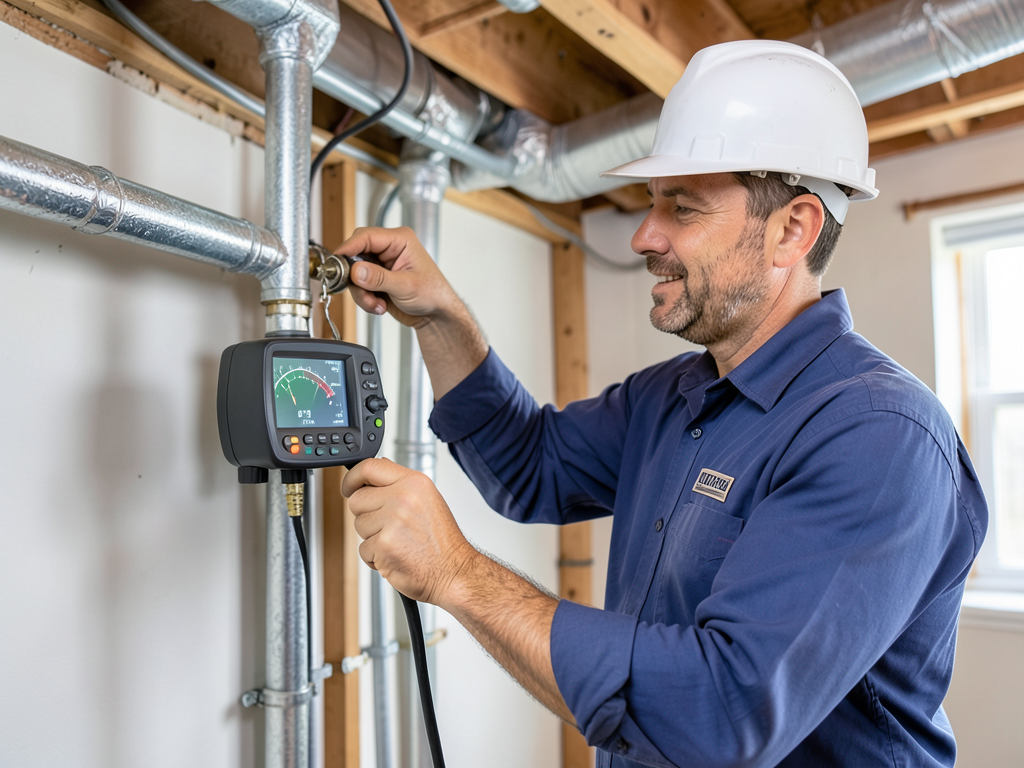
We do not show up and guess. Our diagnostic process isolates the failure point in minutes, not hours. When you call Summit HVAC Orlando, we dispatch a technician to your location with a fully stocked service van. Every truck carries igniters, flame sensors, capacitors, contactors, and reversing valves because we know what fails in Central Florida.

First, we test thermostat voltage and verify your system is receiving the call for heat. A furnace blowing cold air often traces back to a thermostat miscommunication or a tripped breaker. Next, we check the air filter. A clogged filter drops airflow below the threshold needed to trigger the burners or heat strips. We inspect the flame sensor on gas furnaces, which corrodes in Orlando's humidity and shuts down ignition as a safety measure. On heat pumps, we test the reversing valve to confirm it is switching into heating mode. A stuck valve leaves your system in cooling mode, pushing cold air when you need heat.

We measure refrigerant pressures and superheat to detect leaks. Low refrigerant means low heat output. We also inspect ductwork for disconnections or leaks in the attic, which are common in older Orlando homes where ducts were never sealed properly. If the blower motor is running but the burners are not firing, we test the ignitor, gas valve, and flame rollout switches. Each component gets a pass or fail. You get a clear explanation of what broke and what it takes to fix it. No upselling. No unnecessary replacements.

What Happens When You Call About Cold Air

Furnace Blowing Cold Air in Orlando – Fast Expert Diagnosis to Restore Your Heat Today
01

Immediate Dispatch and Arrival

You call our office at (321) 463-7979 and speak with a real person, not a voicemail system. We confirm your address, gather basic details about your heating system, and dispatch the nearest available technician. Most Orlando service calls receive same-day response. You get a call when the tech is 15 minutes out, so you are never left waiting. Our vans carry everything needed to diagnose and repair a furnace blowing cold air on the first visit.
02

Systematic Diagnostic Testing

The technician starts at the thermostat, verifying voltage and system mode settings. Next comes the air handler, where we test capacitors, contactors, and blower motor operation. For gas furnaces, we inspect ignition components and flame sensors. For heat pumps, we test the reversing valve and refrigerant charge. Every system gets a full electrical and mechanical workup. We use multimeters, manometers, and refrigerant gauges to isolate the failure. You watch the process and get clear answers about what failed and why.
03

Repair and Heat Restoration

Once we identify the cause of your furnace blowing unheated air, we present the repair options. Most fixes happen on the spot. We replace the failed component, test the system through multiple heating cycles, and verify proper temperature rise at the vents. Before we leave, you feel warm air flowing again. We also check for secondary issues that could cause future failures, like dirty coils or weak capacitors. You get a written service report detailing what we found, what we fixed, and what to watch moving forward.

Why Orlando Homeowners Trust Summit HVAC for Heating Repairs

Central Florida's HVAC demands are different. Most of the country runs furnaces for six months. You run yours for six weeks, maybe two months if winter hits hard. That intermittent use pattern causes problems. Components sit idle for months, corrode in humidity, then fail the first time you fire them up in December.

Summit HVAC Orlando understands how this climate destroys heating equipment. We know that flame sensors corrode faster here than in dry climates. We know that reversing valves on heat pumps stick because they spend 95 percent of the year in cooling mode. We know that Orlando's hard water clogs condensate drains, triggering safety switches that shut down your blower. These are not textbook problems. They are patterns we see every winter in neighborhoods like Winter Park, Maitland, and Dr. Phillips.

We also understand Orlando's building codes. Any work involving gas lines, refrigerant, or electrical systems requires a licensed contractor. Homeowners who hire unlicensed handymen to fix a furnace not blowing hot air end up with bigger problems, failed inspections, and voided equipment warranties. We carry the proper state certifications, liability coverage, and workers' comp insurance. You are protected if something goes wrong.

Our techs are not salespeople. They are diagnosticians. If your system needs a $40 flame sensor, we replace the flame sensor. We do not pitch you a new furnace unless your heat exchanger is cracked or your compressor is dead. Honest diagnosis builds trust. That is why Orlando families call us back year after year, and why contractors refer their own relatives to us when heating problems hit.

What to Expect When We Fix Your Heating System

Same-Day Service Availability

We know a furnace blowing cold air is urgent. You should not wait three days for someone to show up. Summit HVAC Orlando offers same-day service for most heating calls placed before 3 PM. Our techs work evenings and weekends during peak winter demand, so you are not stuck in a cold house overnight. We also offer emergency after-hours service for critical failures. Call (321) 463-7979, explain the situation, and we prioritize your dispatch. Our goal is to restore heat the same day you call, not schedule you out for next week.

Comprehensive System Diagnosis

A furnace blowing cool air can stem from a dozen different failures. We do not guess. We test every electrical connection, measure voltage at each component, and verify proper gas pressure or refrigerant charge. You get a written diagnostic report listing what passed inspection and what failed. If your system has multiple issues, we prioritize them by urgency and cost. You make the final call on what gets fixed. We also photograph problem areas like corroded flame sensors or disconnected ducts, so you see exactly what we see. Transparency eliminates doubt.

Quality Repairs That Last

We use OEM or equivalent parts rated for Florida's humidity and heat. Cheap aftermarket igniters and capacitors fail fast. We install components designed to handle Central Florida's stress cycles. Every repair includes a workmanship guarantee, so if something we installed fails prematurely, we come back and make it right. We also test the system through multiple heating cycles before we pack up. You feel warm air at the vents before we leave. No callbacks. No surprises. Just reliable heat when you need it most.

Preventive Maintenance Plans Available

A furnace blowing unheated air is often preventable. Annual maintenance catches problems before they cause failures. We offer maintenance agreements that include pre-season inspections, priority service, and discounted repairs. During a tune-up, we clean flame sensors, test ignitors, check refrigerant charge, and verify airflow. We also inspect ductwork for leaks and test thermostat calibration. Regular maintenance extends equipment life and prevents those 2 AM emergency calls when your heating system quits during the coldest night of the year. Ask about our plans when we complete your repair.

Frequently Asked Questions

You Have Questions,
We Have Answers

How do you fix a furnace that blows cold air? +

Start by checking your thermostat settings. Make sure it is set to heat mode and the temperature is higher than your current room temperature. Next, inspect your air filter. A clogged filter restricts airflow and can cause your furnace to blow cold air. Replace it if dirty. Check your circuit breaker to ensure the furnace has power. If the pilot light is out, relight it following manufacturer instructions. In Orlando's mild winters, many homeowners forget to switch from cooling to heating mode. If these steps do not resolve the issue, call a licensed HVAC technician to inspect the ignition system or gas valve.

Why is cold air blowing when the heat is on? +

Cold air blowing during heating mode usually points to a few specific problems. Your thermostat may be wired incorrectly or set to fan mode instead of auto mode. The fan blows continuously in fan mode, circulating unheated air between cycles. Your furnace's limit switch might be malfunctioning, shutting down the burners prematurely while the blower continues running. A dirty flame sensor can also prevent the burners from staying lit. Given Orlando's high humidity, condensation buildup can corrode electrical connections and sensors. If your system recently had a filter change or thermostat replacement, wiring issues are common culprits. A technician can diagnose electrical and sensor problems quickly.

Why is my furnace blowing air but not warm? +

Your furnace blower is working, but the heating element is not. This typically indicates ignition failure. Gas furnaces rely on an igniter to light the burners. If the igniter is cracked or worn, the burners will not fire. Electric furnaces use heating coils that can fail over time. Check your gas supply if you have a gas furnace. The valve may be closed or the gas line interrupted. In Orlando, power fluctuations during afternoon thunderstorms can trip safety switches that prevent the furnace from igniting. A dirty flame sensor or failed gas valve also causes this symptom. Do not attempt to repair gas components yourself. Call a qualified technician.

How do I reset my furnace? +

To reset your furnace, locate the reset button, usually red or yellow, near the blower motor or inside the blower compartment. Press and hold it for 30 seconds, then release. If your furnace lacks a reset button, turn off the power at the circuit breaker or wall switch near the unit. Wait five minutes to allow the system to fully power down. Restore power and set your thermostat to heating mode. The furnace should restart. If it trips again immediately, you have a deeper issue like a blocked vent, overheating limit switch, or motor failure. Repeated resets without fixing the root cause can damage components. Call a technician if resetting does not work.

What is the most expensive part to fix on a furnace? +

The heat exchanger is the most expensive component to replace, often costing as much as a new furnace. It transfers heat from combustion gases to your home's air. Cracks in the heat exchanger allow carbon monoxide to leak, creating a dangerous situation. Most technicians recommend full system replacement when the heat exchanger fails, especially on units over 15 years old. The gas valve and blower motor are the next most expensive repairs. In Orlando's humid climate, heat exchangers corrode faster due to condensation and seasonal use patterns. Regular maintenance extends heat exchanger life by preventing overheating and corrosion. Always get a second opinion before replacing a heat exchanger.

What are signs of furnace failure? +

Watch for these warning signs. Your furnace makes loud banging, popping, or grinding noises during operation, indicating worn bearings or cracked heat exchangers. Yellow or flickering pilot flames suggest incomplete combustion and potential carbon monoxide production. Blue flames are normal. Frequent cycling, where the furnace turns on and off rapidly, points to thermostat issues or airflow restrictions. Rising energy bills without increased usage signal declining efficiency. Visible rust or corrosion on the furnace cabinet indicates moisture problems common in Orlando's humid environment. If your furnace is over 15 years old and requires frequent repairs, replacement is more economical than continued fixes. Strange odors, especially metallic or sulfur smells, require immediate attention.

How to fix a heater that blows cold air? +

First, confirm your thermostat is set to heat mode, not cool or fan. Increase the temperature setting five degrees above room temperature to trigger the heating cycle. Replace a dirty air filter immediately. Restricted airflow forces the system to shut down before heating properly. Check that all supply vents are open and unblocked by furniture or curtains. Inspect your outdoor heat pump unit if you have one. Ice buildup on the coils prevents heat transfer. In Orlando, heat pumps are common, and they struggle when outdoor temperatures drop below 40 degrees. If basic checks do not work, the issue is likely a failed heating element, defrost control, or reversing valve requiring professional repair.

How can I tell if my heat pump is low on refrigerant? +

Low refrigerant causes noticeable performance drops. Your heat pump runs constantly but fails to reach the thermostat setting. Ice forms on the outdoor coil even in moderate Orlando weather. You hear hissing or bubbling sounds near the refrigerant lines, indicating a leak. Warm air blows from your vents during heating mode because the system cannot absorb enough heat from outside air. Your energy bills spike without explanation. Refrigerant does not deplete naturally. Low levels always mean a leak exists somewhere in the system. A technician must locate and repair the leak before recharging refrigerant. Adding refrigerant without fixing the leak wastes money and damages the compressor over time.

Should I turn my heat pump to emergency heat in extreme cold? +

Emergency heat bypasses your heat pump and uses electric resistance coils. It is expensive to run and should only be used when your heat pump fails completely or during defrost cycle malfunctions. In Orlando, outdoor temperatures rarely drop low enough to require emergency heat. Heat pumps operate efficiently down to the mid-30s. Use emergency heat if your outdoor unit is frozen solid and will not defrost, or if the compressor has failed and you are waiting for repairs. Switch back to normal heat mode as soon as the issue is resolved. Running emergency heat unnecessarily can double or triple your electric bill. If you find yourself using emergency heat frequently, your system needs repair.

How to tell if a furnace thermostat is bad? +

A faulty thermostat shows specific symptoms. The display is blank or unresponsive, indicating dead batteries or no power. Your furnace does not turn on when you adjust the temperature setting. The furnace short cycles, turning on and off every few minutes. Room temperature does not match the thermostat reading by more than three degrees. In Orlando's humidity, moisture can corrode thermostat contacts and wiring. Test your thermostat by setting it five degrees higher than current temperature. The furnace should start within minutes. Try replacing batteries first. If the furnace works when you manually trigger it at the unit but not from the thermostat, wiring or the thermostat itself has failed. A technician can test voltage and replace it.

Why Orlando's Seasonal Temperature Swings Stress Your Furnace

Orlando's heating season is unpredictable. You might need heat in the morning when it is 42 degrees, then turn on the air conditioner by noon when it hits 78. This constant switching between heating and cooling modes strains your system. Heat pumps rely on a reversing valve to toggle between modes. When that valve cycles dozens of times in a single week, it wears faster than in climates with stable heating or cooling seasons. A furnace not blowing hot air often traces back to a reversing valve that stuck in cooling mode or a thermostat that lost its heating calibration after excessive mode switching. Orlando's erratic winter weather accelerates these failures.

Central Florida humidity also corrodes heating components faster than dry climates. Flame sensors, igniters, and electrical connections degrade quickly when exposed to 80 percent humidity levels year-round. Summit HVAC Orlando understands these local failure patterns. We stock parts that fail most often in this region, and our techs know how to diagnose problems that are rare in other states but common here. Choosing a local HVAC company means working with professionals who understand how Orlando's climate attacks your equipment. We also stay current with Orange County and Seminole County code requirements, ensuring every repair meets local standards for safety and permitting.
HVAC Services in The Orlando Area

Summit proudly serves Orlando and surrounding Central Florida areas with fast, professional HVAC services. Whether you're in the heart of the city or in nearby neighborhoods, our technicians are just a call away. Use the map below to view our service area and plan your visit or consultation. We make it convenient to get expert help where and when you need it. Your comfort is always within reach with Summit.

Address:
Summit HVAC Orlando, 4700 Millenia BlvdOrlando, Orlando, FL, 32839

Additional Services We Offer

Our news updates

Latest Articles & News from The Blogs

What to do if your St. Cloud thermostat says waiting for more than five minutes Your thermostat displays 'waiting for…

What to do if your St. Cloud thermostat says waiting for more than five minutes

What to do if your St. Cloud thermostat says waiting for more than five minutes Your thermostat displays 'waiting for…

What it means when your Ocoee cooling system starts making a loud clicking sound

What it means when your Ocoee cooling system starts making a loud clicking sound Your outdoor AC unit should hum…

How to tell if your Celebration home builder installed the right size ductwork

How to tell if your Celebration home builder installed the right size ductwork Your Celebration home should feel comfortable year-round.…

Contact Us

Your furnace should blow hot air, not cold. Call Summit HVAC Orlando now at (321) 463-7979 for same-day diagnosis and repair. Our certified techs carry the parts to fix your heating system on the first visit. Stop freezing and start heating.