




Weak Airflow from Vents in Orlando – Expert Diagnosis and Permanent Repairs

Summit HVAC Orlando identifies the root cause of weak airflow from vents and restores full system performance, ensuring your AC runs efficiently through Central Florida's brutal summers.

Slider Image 1
Slider Image 2
Slider Image 3
Slider Image 4
Slider Image 5
Slider Image 7
Slider Image 8
Slider Image 9
Slider Image 10
Slider Image 11

Why Your AC Vents Are Barely Blowing Air in Orlando Homes

You walk up to a vent expecting cold relief. Instead, you get a weak trickle that barely moves the air. That frustration is not just annoying. It signals a real problem in your HVAC system.

Low air pressure from vents happens for specific reasons. Orlando's combination of extreme heat and humidity puts unusual strain on air conditioning systems. Your AC runs longer hours than in most of the country. That extended runtime exposes weak points faster. Dust and biological growth accumulate in ductwork at accelerated rates due to moisture in the air. When you notice poor airflow from AC, the cause is usually one of three things: restricted ducts, failing blower components, or refrigerant issues affecting coil performance.

Reduced air flow from registers is not normal, and it is not something you should ignore. Your system is telling you it cannot move conditioned air properly. That means some rooms stay hot while your energy bills climb. The AC runs constantly but never catches up. Little air coming out of vents often starts subtle, then gets worse as the underlying problem progresses.

In homes with older ductwork, especially those built before 2000, flex duct can collapse or kink inside attic spaces. Orlando attics reach 140 degrees in summer. That heat degrades duct insulation and causes sagging. AC blowing weakly from certain vents while others work fine usually points to a duct restriction in that specific branch line. The problem is not the vent itself. The problem is somewhere upstream in the distribution system, and it requires trained eyes to locate and fix correctly.

Why Your AC Vents Are Barely Blowing Air in Orlando Homes
How Summit HVAC Orlando Restores Full Airflow to Your System

How Summit HVAC Orlando Restores Full Airflow to Your System

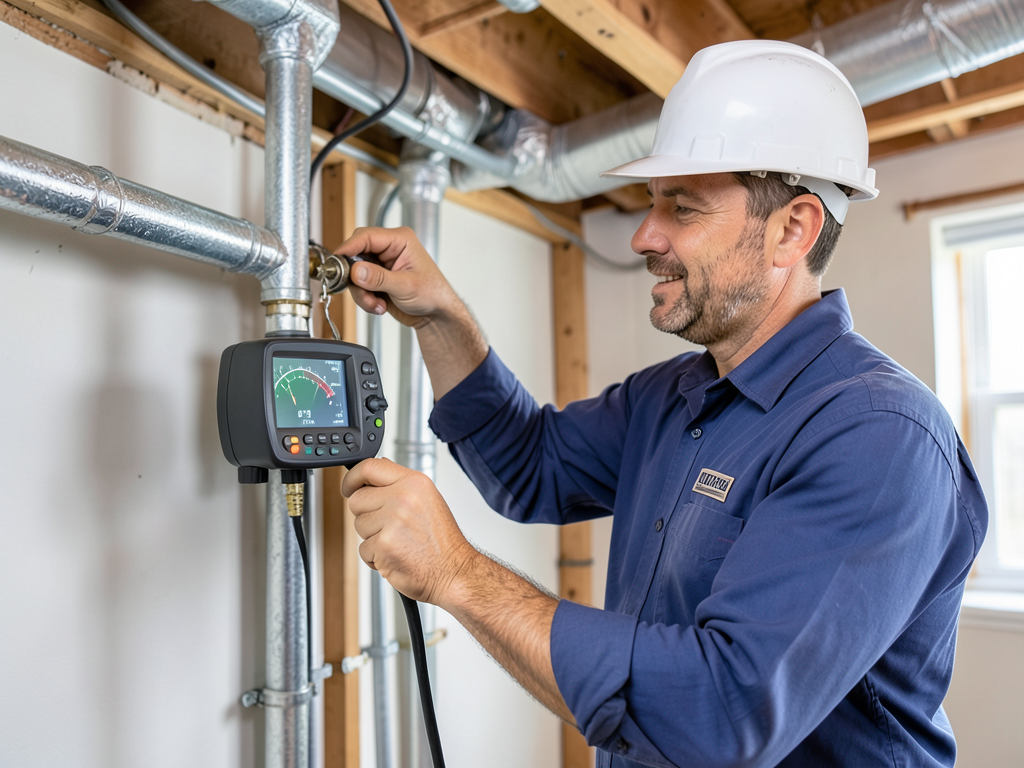
We do not guess. We measure. When you call us for weak airflow from vents, we bring diagnostic tools that quantify the problem. We use a digital manometer to measure static pressure across the system. High static pressure means your blower is working against resistance. That resistance comes from somewhere, and we find it.

We start at the air handler. The blower wheel can become caked with dirt, which reduces its ability to move air even when the motor spins at full speed. We pull the blower assembly and inspect the wheel, the motor capacitor, and the belt if your system uses one. A failing capacitor will cause the motor to run slow, producing weak airflow even though everything appears to be working.

Next, we inspect the evaporator coil. A dirty or frozen coil acts like a wall. Air cannot pass through it properly. If the coil is clean but airflow is still weak, we move to the duct system. We check the filter first, obviously, but we also check the return plenum for leaks. A separated return duct pulls hot attic air instead of room air, which causes the system to struggle.

For branch ducts, we use a camera scope to inspect inside the lines. We find crushed flex duct, disconnected boots, and collapsed sections that you cannot see from the outside. Once we locate the restriction, we access the problem area and make the repair. If the ductwork is beyond repair, we replace that section with proper rigid or flex duct, sealed with mastic and supported correctly. We do not use duct tape. We use actual mastic sealant and metal-backed tape rated for HVAC systems. The result is measurable airflow at every vent, which we verify before we leave.

How We Diagnose and Fix Your Airflow Problem

Weak Airflow from Vents in Orlando – Expert Diagnosis and Permanent Repairs
01

System Performance Testing

We measure supply and return air temperatures, static pressure, and airflow volume at multiple points in your system. These measurements tell us whether the problem is mechanical, electrical, or duct-related. We check blower motor amperage and capacitor microfarads to verify the blower is running at design speed. This diagnostic phase identifies the exact failure point so we can fix the right thing the first time.
02

Targeted Repair or Replacement

Once we isolate the cause, we execute the repair. This might mean cleaning a fouled blower wheel, replacing a weak capacitor, sealing a disconnected return plenum, or repairing collapsed ductwork in the attic. We use OEM parts for blower components and proper materials for duct repairs. If we find biological growth in ducts, we address that with antimicrobial treatment after the mechanical repair is complete. You get a repair that lasts.
03

Airflow Verification and Documentation

After the repair, we re-measure system performance to confirm airflow is restored. We check each vent to verify proper air delivery. You should feel strong, consistent airflow from every register. We document the before and after readings so you can see the improvement in measurable terms. We also provide guidance on filter maintenance and system care to prevent the problem from returning. Your system is back to full capacity.

Why Orlando Homeowners Trust Summit HVAC for Airflow Problems

Orlando HVAC systems face conditions that most of the country does not deal with. Your AC runs eight to ten months a year. That runtime accelerates wear on every component. A blower motor that might last fifteen years in a mild climate might only last ten here. Ductwork in a 130-degree attic deteriorates faster than ductwork in a conditioned space. You need a company that understands how Central Florida conditions affect system performance.

Summit HVAC Orlando has worked in this climate long enough to recognize patterns. We know that homes built in the 1980s and 1990s often have undersized ductwork that was never adequate for the cooling load. We know that additions and renovations often tie into existing ducts without proper load calculations, which creates airflow imbalances. We know that certain neighborhoods have attic layouts that make duct access difficult, and we have the tools and experience to work in tight spaces.

We also understand local building codes and permitting requirements. If your ductwork repair requires attic access or structural modifications, we handle the permits and inspections. You do not have to coordinate with the county. We take care of that.

When we say we fix weak airflow from vents, we mean we find the actual problem and repair it correctly. We do not sell you a system replacement when a blower motor repair will solve the issue. We do not tell you the ducts are fine when they are clearly leaking. We give you honest assessments based on measured data, and we stand behind the work we do.

Orlando has enough fly-by-night HVAC companies. You need a company that shows up when they say they will, diagnoses the problem accurately, and fixes it right the first time. That is what we do. That is why homeowners call us when their AC is not performing the way it should.

What Happens When You Call Summit HVAC for Weak Airflow

Fast Scheduling and Same-Day Service

We understand that weak airflow in Orlando summer heat is not something you can wait on. We offer same-day service for most calls. When you contact us, we give you a clear appointment window and show up on time. Our trucks carry the most common parts needed for airflow repairs, including blower motors, capacitors, duct materials, and mastic sealant. That means we can often complete the repair on the first visit without waiting for parts orders. You get your comfort back fast, and we do not waste your time with multiple trips for simple repairs.

Thorough Diagnostic Process

Our technicians spend the time necessary to diagnose your system correctly. We do not rush through an inspection and guess at the problem. We use calibrated instruments to measure static pressure, temperature differential, motor amperage, and airflow volume. We visually inspect accessible ductwork and check for disconnected boots, crushed sections, and leaks. If we suspect a problem in hidden ductwork, we use camera equipment to see inside the ducts without tearing apart your ceilings. You get a clear explanation of what we found, why it is causing weak airflow, and what it will take to fix it.

Quality Repairs That Last

We fix the problem right, not fast. If your blower motor needs replacement, we install an OEM motor that matches the original specifications. If ductwork needs repair, we use proper rigid or flex duct materials, seal all joints with mastic, and support the ducts correctly to prevent future sagging. We do not use shortcuts like duct tape or zip ties. We follow industry best practices and local code requirements. When we finish the repair, you will feel the difference immediately. Strong, consistent airflow from every vent. Your system will cool your home the way it was designed to.

Follow-Up Support and Maintenance Guidance

After we complete the repair, we provide guidance on maintaining your system to prevent future airflow problems. That includes filter replacement schedules, signs of duct leaks to watch for, and when to call for professional maintenance. We also offer preventive maintenance agreements that include annual duct inspections, blower cleaning, and system performance checks. Regular maintenance catches small problems before they turn into weak airflow or system failures. We want your HVAC system to run efficiently for years, not just until the next breakdown. Our goal is to keep you comfortable without repeated service calls.

Frequently Asked Questions

You Have Questions,
We Have Answers

Why do I barely feel air coming out of my vents? +

Weak airflow usually stems from a clogged air filter, closed or blocked vents, or dirty evaporator coils. In Orlando's humid climate, dust and debris accumulate quickly in filters, restricting air movement. Check your filter first and replace it if dirty. Next, inspect all supply vents to ensure furniture or drapes are not blocking them. If airflow remains weak throughout your home, you may have ductwork leaks or a failing blower motor. A technician can diagnose blower speed issues or duct problems that reduce system efficiency and comfort.

How to increase airflow through vents? +

Start by replacing your air filter with a clean one rated MERV 8 to 11. Open all supply vents fully and remove obstructions like furniture or curtains. Clean return grilles to allow proper air circulation. Inspect ductwork in accessible areas for visible disconnections or tears. In Orlando homes, duct leaks are common in attics due to heat expansion and contraction. Check that your blower fan setting is on auto, not low speed. If these steps do not restore airflow, have a technician inspect your blower motor and duct system for hidden issues.

Why are my AC vents not blowing hard? +

Your AC vents may not blow hard because of a clogged air filter, undersized ductwork, or blower motor problems. Orlando's high humidity accelerates filter clogging, which chokes airflow. Check and replace your filter immediately. Verify that all vents are open and unblocked. If the blower motor runs at reduced speed or is failing, you will notice weak airflow throughout the house. Ductwork that is too small for your system or has significant leaks also reduces airflow. A technician can test static pressure and blower performance to pinpoint the cause.

Why is my AC set at 74 but reads 78? +

Your AC reads 78 degrees when set to 74 because the system cannot keep up with cooling demand. In Orlando's extreme heat and humidity, undersized units, refrigerant leaks, or dirty coils prevent effective cooling. Check your air filter first. A clogged filter restricts airflow and reduces cooling capacity. Inspect your outdoor condenser for debris blocking airflow. If the coils are dirty or refrigerant is low, your system will run continuously without reaching setpoint. A technician can measure refrigerant charge and check for duct leaks that waste cooled air.

What is the $5000 AC rule? +

The 5000 dollar AC rule is a guideline for deciding whether to repair or replace your air conditioner. Multiply the age of your unit by the repair cost. If the result exceeds 5000, replacement is usually smarter. For example, a 12-year-old unit needing a 500 dollar repair equals 6000, suggesting replacement. In Orlando, where units work harder due to year-round heat and humidity, older systems become inefficient and costly to maintain. This rule helps you avoid throwing money at a dying system when a new, efficient unit offers better long-term value.

How to tell if a house has poor ventilation? +

Signs of poor ventilation include stuffy air, lingering odors, excessive humidity, and visible condensation on windows. In Orlando homes, high indoor humidity above 60 percent indicates inadequate ventilation and air exchange. You may notice mold growth in bathrooms or closets. Dust accumulation on surfaces suggests poor air circulation. If some rooms feel warmer or stuffier than others, your ventilation system is not distributing fresh air properly. Check that exhaust fans work in kitchens and bathrooms. An HVAC technician can test air exchange rates and recommend ventilation upgrades if needed.

What is the 2 foot rule in HVAC? +

The 2 foot rule in HVAC means keeping at least 2 feet of clearance around your outdoor condenser unit. This space allows proper airflow for heat exchange and prevents efficiency loss. In Orlando, overgrown shrubs, palm fronds, and grass clippings quickly block condenser airflow. Trim vegetation regularly and remove debris that accumulates during storms. Blocked condenser coils force your system to work harder, increasing energy bills and shortening equipment life. Maintain clear space on all sides of the unit. Never stack items near the condenser or enclose it with fencing that restricts airflow.

Do air vent boosters really work? +

Air vent boosters provide minimal benefit and often create more problems than they solve. They add slight airflow to a single vent but do not address the root cause of weak airflow, such as duct leaks or blower issues. In Orlando homes, boosters can disrupt system balance, causing pressure imbalances that reduce efficiency. The noise from booster fans is also annoying. Instead of masking symptoms with a booster, have a technician diagnose why that room receives weak airflow. Proper duct sealing, balancing dampers, or blower adjustments fix the real problem.

What is the 3 minute rule for AC? +

The 3 minute rule for AC means waiting at least 3 minutes after the compressor shuts off before restarting the system. This delay allows refrigerant pressure to equalize, preventing hard starts that damage the compressor. If you rapidly cycle your thermostat or experience power interruptions common during Orlando summer storms, follow this rule to protect your equipment. Most modern thermostats have built-in delay timers. Repeatedly starting the compressor under high pressure causes overheating and premature failure. Let the system rest before restarting to extend compressor life and avoid expensive repairs.

What should my AC be set at if it's 100 degrees outside? +

When outdoor temperatures hit 100 degrees in Orlando, set your AC to 75 to 78 degrees. Air conditioners can realistically cool indoor air 15 to 20 degrees below outdoor temperature. Setting your thermostat to 70 when it is 100 outside forces the system to run continuously without reaching setpoint, wasting energy and stressing components. A realistic setpoint prevents system strain and reduces humidity effectively. Use ceiling fans to improve comfort at higher thermostat settings. If your home will not cool to 78 during extreme heat, you may have equipment issues requiring professional diagnosis.

How Orlando's Humidity and Heat Accelerate Airflow Problems

Orlando averages over 230 days per year with temperatures above 80 degrees. Your air conditioner runs constantly from April through October. That extended runtime means your blower motor, capacitor, and ductwork endure more stress than systems in cooler climates. High humidity also promotes biological growth inside ducts and on evaporator coils, which restricts airflow. Dust and pollen combine with moisture to form a sticky residue that coats blower wheels and coil fins. This is not a problem you can prevent by changing filters alone. The environment itself accelerates the wear and contamination that causes weak airflow from vents.

Summit HVAC Orlando understands how Central Florida conditions affect residential HVAC systems. We see the same patterns across neighborhoods from College Park to Lake Nona. Older homes often have ductwork that was never sized correctly for modern cooling loads. Newer construction sometimes uses flex duct that sags in hot attics. We know which problems are common in specific home styles and age ranges. That local knowledge lets us diagnose issues faster and recommend solutions that actually work in this climate. You need a company that understands Orlando HVAC, not a national chain following a generic checklist.
HVAC Services in The Orlando Area

Summit proudly serves Orlando and surrounding Central Florida areas with fast, professional HVAC services. Whether you're in the heart of the city or in nearby neighborhoods, our technicians are just a call away. Use the map below to view our service area and plan your visit or consultation. We make it convenient to get expert help where and when you need it. Your comfort is always within reach with Summit.

Address:
Summit HVAC Orlando, 4700 Millenia BlvdOrlando, Orlando, FL, 32839

Additional Services We Offer

Our news updates

Latest Articles & News from The Blogs

How to prep your Lake Nona smart home HVAC system for a long summer vacation Heading to the beach or…

How to prep your Lake Nona smart home HVAC system for a long summer vacation

How to prep your Lake Nona smart home HVAC system for a long summer vacation Heading to the beach or…

Why your Winter Park home feels muggy even though the air conditioning is running

Why your Winter Park home feels muggy even though the air conditioning is running Your air conditioner runs nonstop but…

What to do when your AC starts blowing warm air in the middle of a Maitland heatwave

What to do when your AC starts blowing warm air in the middle of a Maitland heatwave Your AC is…

Contact Us

Stop suffering with weak airflow and high energy bills. Call Summit HVAC Orlando at (321) 463-7979 right now. We will diagnose the problem, fix it right, and restore full airflow to your home. Same-day service available.