





Alafaya sits in the humid subtropical zone where air conditioners run nine months a year. Summer temperatures hit 95 degrees with 80 percent humidity, creating a heat index that punishes HVAC equipment. Your system doesn't just cool air. It removes gallons of moisture daily, straining compressors and evaporator coils beyond what northern systems ever face.
The area's sandy soil and high water table create unique challenges. Ground-level condensate drainage clogs faster here than in other regions. Afternoon thunderstorms dump rain that floods drain pans and trips safety switches. Salt air from the coast, just 45 miles east, corrodes outdoor units in neighborhoods near the Econlockhatchee River corridor.
Alafaya's growth means newer construction with modern HVAC requirements, but older homes near UCF and along Alafaya Trail still run systems installed before efficiency standards changed. These units consume more power and break down more often. Add in the oak pollen that blankets the region each spring, clogging filters and reducing airflow, and you understand why Alafaya HVAC systems need aggressive maintenance and fast repairs when they fail.
Summit HVAC Orlando has served East Orange County since 2008, building our reputation on speed and honesty. We're not a franchise. We're not a call center routing you to whoever bids lowest. We're a locally owned company that lives in the communities we serve, and our technicians know Alafaya's neighborhoods, construction patterns, and common HVAC problems by heart.
Our trucks carry extensive inventory specific to Central Florida systems. That means we stock the capacitors, contactors, and thermostats that fail most often in high-humidity climates. We bring refrigerant in the correct weights for residential split systems common to Alafaya subdivisions. When other companies tell you they need to order parts and come back next week, we're finishing the repair and testing your system.
We answer phones 24 hours a day, seven days a week. Real people, not recordings. When you call at 11 p.m. because your AC died and your house is 85 degrees, a technician responds. We dispatch within two hours for emergencies, and we mean it. Our average response time to Alafaya addresses is 73 minutes from your call to our arrival.
We price fairly and explain everything. You get a written quote before work starts. No hidden fees for weekend service or after-hours calls. No pressure to replace equipment that can be repaired. We fix what's broken, recommend what matters, and skip the sales pitch. That approach has earned us over 1,200 five-star reviews from customers who appreciate straight talk and fast work.

We dispatch to Alafaya addresses within two hours for AC emergencies. Our technicians live in East Orlando and arrive fast with the parts your system needs. Most repairs finish the same day you call, restoring cool air before nightfall.

Our vehicles carry the components that fail most often in Florida's climate. Capacitors, contactors, fan motors, and refrigerant stay on board, eliminating return trips and delays. We complete 87 percent of repairs on the first visit to your home.
Every Summit HVAC Orlando technician holds a Florida state license and maintains liability insurance. We pull permits when required and follow Florida Building Code standards for all installations and major repairs. Your work is protected and done right.
We've repaired systems in every Alafaya subdivision, from newer homes near Waterford Lakes to older properties along Dean Road. We know which builders installed which brands and where problems develop in each construction phase. Local knowledge speeds diagnosis and repair.
Summit HVAC Orlando handles every aspect of residential and commercial air conditioning. Emergency repairs get you cooling again fast. Maintenance programs prevent breakdowns during the hottest months. Full system replacements give you modern efficiency when repair costs stop making sense.
We service all brands and system types common to Central Florida. Split systems, package units, heat pumps, and ductless mini-splits all receive expert diagnosis and repair. Our technicians train continuously on new refrigerants, efficiency standards, and diagnostic technology. Whether your system is three years old or thirty, we have the knowledge and tools to fix it.
Commercial clients get the same fast response as homeowners. We understand that a failed AC in your retail space or office costs you money every hour. Our commercial division handles units from five tons to 20 tons, working efficiently to minimize business disruption and restore comfort for your customers and employees.
Your AC doesn't break on schedule. It quits during the hottest afternoon or in the middle of the night. We respond immediately with diagnostic tools and parts inventory to identify problems and restore cooling fast. Compressor failures, refrigerant leaks, electrical issues, and blower motor problems all get fixed on-site. We carry the components Alafaya systems need most, completing repairs without delays.
Regular maintenance extends equipment life and catches small problems before they become expensive failures. Our tune-ups include coil cleaning, refrigerant level checks, electrical connection inspection, and condensate drain clearing. We test capacitors, measure amperage draw, and verify proper airflow. Maintenance appointments book year-round, but spring service before cooling season starts gives you the best protection against summer failures.
Systems older than 15 years often cost more to repair than they're worth. New equipment delivers better efficiency, lower power bills, and reliable cooling for the next decade. We install quality brands sized correctly for your home, following Florida load calculation requirements and building codes. Installation includes permit processing, proper refrigerant charging, and ductwork evaluation to ensure your new system performs as designed.
Central Florida's climate and Alafaya's specific conditions create predictable HVAC problems. High humidity keeps condensate drains flowing constantly, and algae grows fast in drain pans. Sand and construction dust infiltrate outdoor units in developing areas. Afternoon storms cause power surges that damage control boards and capacitors.
Older neighborhoods near UCF see compressor failures in systems pushed past their design life. Newer construction around Waterford Lakes deals with poor initial installations where contractors cut corners. Every area faces the same enemy: heat and moisture that never let up. Understanding these common problems helps you recognize warning signs before complete system failure leaves you sweltering.
Your AC removes gallons of moisture daily. That water drains through a small pipe that clogs with algae and sediment. When the drain backs up, your system shuts down to prevent water damage. This problem strikes suddenly and stops cooling completely until cleared professionally.
Capacitors start your compressor and fan motors. Florida heat degrades them faster than cooler climates, causing failure every three to five years. A bad capacitor prevents your system from starting or causes hard starting that damages the compressor. Replacement takes minutes but requires immediate attention.
Vibration and corrosion create small leaks in refrigerant lines and coils. Your system gradually loses cooling power, runs constantly, and drives up power bills. Simply adding refrigerant without finding the leak wastes money. Proper repair locates the leak, fixes it, and then recharges the system to manufacturer specifications.
Indoor coils collect dust and debris even with clean filters. Blocked coils reduce airflow and cooling capacity, making your system work harder while cooling less. Annual coil cleaning during maintenance prevents this gradual performance loss and keeps your system running efficiently through Florida summers.
We know AC failures create stress. You're hot, worried about costs, and need answers fast. Our process eliminates uncertainty and gets your system cooling again quickly. From your first phone call to final testing, we communicate clearly and work efficiently.
You'll never wonder what's happening or when we'll arrive. We give accurate time windows and call when we're on the way. Our technicians arrive in marked trucks with all the tools and parts needed for most repairs. We respect your home, work clean, and explain everything in plain language. No technical jargon. No pressure. Just honest assessment and fair pricing.
Real people answer our phones 24/7. We gather information about your problem and dispatch immediately for emergencies. You receive a call when your technician is 15 minutes away. We provide accurate arrival windows and stick to them. If diagnosis takes longer than expected, we explain why and keep you informed throughout the repair process.
After diagnosing your system, we provide written quotes for all necessary repairs. You see exactly what parts cost, what labor involves, and what warranty coverage includes. We explain your options if multiple repair paths exist. No work begins until you approve the price. No surprise charges appear on your invoice. The quote you approve is the price you pay.
All repairs include warranty coverage on parts and labor. We test your system thoroughly before leaving to verify proper operation and cooling performance. You receive documentation of work completed and recommendations for preventing future problems. If issues arise after we leave, we return quickly to make it right at no additional charge.
Fast AC repair requires systematic diagnosis and efficient execution. We follow a proven process that identifies problems quickly and fixes them right the first time.
Our technician arrives with diagnostic equipment to test your entire system. We check refrigerant pressures, measure electrical current, inspect components, and evaluate airflow. Thermal imaging identifies hot spots in electrical connections. Leak detectors find refrigerant losses. This comprehensive testing pinpoints the exact failure, preventing guesswork and unnecessary part replacement. You receive a clear explanation of what failed and why.
After you approve the written quote, we complete repairs immediately using quality parts from our truck inventory. Electrical connections receive proper torque and testing. Refrigerant charging follows manufacturer specifications using accurate scales and gauges. We replace failed components and address any secondary issues discovered during repair. Work proceeds efficiently because we arrive prepared with the right tools and parts.
Before leaving, we run your system through complete cycles to verify proper operation. We measure supply air temperature, check refrigerant superheat and subcooling, and confirm correct amperage draw. You see your system cooling properly and understand what we fixed. We clean our work area, provide documentation, and explain any maintenance recommendations to prevent future failures.
Florida Building Code sets strict requirements for HVAC installation and repair because your system must handle extreme heat and humidity. Load calculations use Manual J methodology to size equipment correctly for your square footage, insulation levels, window area, and orientation. Undersized systems run constantly and fail early. Oversized systems short-cycle and don't remove humidity properly.
Refrigerant handling requires EPA certification under Section 608 regulations. Technicians must recover refrigerant before opening systems, preventing environmental release. New installations use R-410A refrigerant in most residential applications, though older systems still run R-22. Cross-contamination between refrigerant types destroys compressors, so proper identification and handling matters critically.
Ductwork installation follows standards in Florida Building Code Chapter 14. Ducts in unconditioned attics require R-8 insulation minimum. All joints must seal with mastic, not just tape, preventing the air leaks that waste 20 to 30 percent of cooling capacity in poorly installed systems. Return air pathways need proper sizing to prevent negative pressure that pulls humid outdoor air into your home.
Electrical connections follow National Electrical Code requirements with Florida amendments. Disconnect boxes must be visible and within sight of outdoor units. Wire sizing must handle startup amperage, not just running current. GFCI protection is required for condensate pumps and outdoor outlets near equipment. These aren't suggestions. They're code requirements that protect your safety and equipment investment.
Permits are required for system replacement and major repairs including compressor changeouts or refrigerant line sets. The inspection process verifies proper installation, correct refrigerant charge, and adequate airflow. Some homeowners see permits as hassle, but they protect you by ensuring work meets code and creates a documented record for future buyers.
Manual J load calculations determine correct equipment size for your specific home. Variables include insulation R-values, window square footage and orientation, ceiling height, and infiltration rates. Bigger isn't better. Oversized systems cost more to buy and operate while delivering worse humidity control and comfort than correctly sized equipment matched to your actual cooling needs.
Proper refrigerant charge requires measuring subcooling or superheat, not just adding pounds by guess. Overcharge reduces capacity and damages compressors. Undercharge makes your system work harder while cooling less. Correct charging follows manufacturer specifications using accurate gauges, thermometers, and ambient temperature compensation. Most systems need adjustment when outdoor temperature exceeds 95 degrees.
Annual maintenance costs $150 but prevents repairs averaging $600. Spring tune-ups catch capacitor degradation, refrigerant loss, and airflow restrictions before they cause failures. Coil cleaning maintains efficiency and prevents the gradual performance loss that makes you think your system is dying when it just needs service. Maintenance pays for itself in avoided emergency repairs.
Permitted work creates documentation that protects your home value and satisfies future buyers. Inspections verify correct installation that unpermitted work skips. Code compliance ensures your system operates safely and efficiently. Contractors who avoid permits save money but leave you with liability and potential insurance complications if problems arise.
Licensed HVAC contractor explains common air conditioning failures in Alafaya, Florida homes and what homeowners should know before calling for emergency AC repair. Covers failed capacitors, refrigerant leaks, electrical problems, and condensate drain issues specific to Central Florida's humid climate. Discusses proper diagnostic procedures, fair pricing expectations, and how to choose qualified HVAC contractors for same-day air conditioner repair service in the Alafaya area.
Summit HVAC Orlando serves the entire Alafaya area from the UCF campus north to Chuluota and from Dean Road east to the Econlockhatchee River basin. We know these neighborhoods because we work in them daily and understand the specific HVAC challenges each area faces.
The Waterford Lakes community features newer construction from the late 1990s and early 2000s. These homes typically run 14 SEER systems now reaching 20 years old and due for replacement. The area's retail concentration means we handle significant commercial work alongside residential service. Subdivisions like Waterford Lakes Town Center and the surrounding residential phases see issues with builder-grade equipment that lasted past warranty but now requires frequent repair or full replacement.
Areas along Alafaya Trail between Colonial Drive and University Boulevard mix older single-family homes with newer townhome developments. Older properties often run undersized systems installed before modern load calculation standards. We frequently upsize equipment during replacement to handle additions and improved insulation. The proximity to UCF means rental properties that receive harder use and less maintenance than owner-occupied homes.
The Dean Road corridor heading toward Christmas and the St. Johns County line features more rural properties on larger lots. These homes deal with longer refrigerant line runs, sometimes exceeding 50 feet, which affects system performance and requires precise charging. Well water common in this area creates mineral buildup in condensate drains faster than homes on city water.
Communities near the Econlockhatchee River and Little Econlockhatchee River face higher humidity and more aggressive corrosion on outdoor units. Salt air traveling inland from the coast accelerates deterioration of copper lines and aluminum fins. We recommend more frequent coil cleaning and corrosion protection in these areas to extend equipment life.
Avalon Park to the south and Eastwood to the west round out our primary service area. These master-planned communities feature homes from multiple builders spanning 20 years of construction. We've serviced systems from every builder and know which brands and installation crews delivered quality work versus which shortcuts create ongoing problems. That institutional knowledge helps us diagnose faster and recommend the right solutions for each property.
Our service area extends throughout East Orange County and into Seminole County communities near Oviedo. We maintain fast response times across this territory because our technicians start their days from home rather than a central shop, putting them closer to your location when you call.
The $5000 rule is a guideline to help you decide between repair or replacement. Multiply the age of your HVAC system by the repair cost. If the total exceeds $5000, replacement makes more sense. For example, a 12-year-old system needing a $500 repair equals $6000, signaling replacement is smarter. In Alafaya's humid climate, older systems work harder and fail faster. High humidity accelerates compressor wear and coil corrosion. Factor in energy savings from newer, efficient models when making your decision. A local HVAC technician can assess your specific situation and long-term costs.
HVAC installers in the Alafaya area typically charge between $75 and $150 per hour for labor, depending on experience level and job complexity. Emergency or after-hours service runs higher. Installation projects are usually bid as flat-rate jobs rather than hourly. A standard residential install includes labor, permits, and disposal fees. Complex jobs like ductwork modification or electrical upgrades cost more. Humidity and heat in Central Florida mean technicians work in challenging attic conditions, which factors into pricing. Always get itemized estimates from multiple local contractors to compare labor rates and scope of work before committing.
The top five HVAC brands are Carrier, Trane, Lennox, Rheem, and Goodman. Carrier and Trane lead in reliability and warranty coverage. Lennox offers advanced features and variable-speed technology. Rheem provides solid mid-range performance. Goodman delivers budget-friendly options with decent efficiency. In Alafaya, high humidity and constant air conditioning use demand systems with strong dehumidification capabilities and corrosion-resistant coils. Brand matters less than proper sizing and professional installation. A correctly sized 14-SEER Goodman outperforms an oversized 18-SEER Carrier. Work with a qualified local contractor who understands Central Florida climate demands when selecting equipment.
The $5000 rule is a guideline to help you decide between repair or replacement. Multiply the age of your HVAC system by the repair cost. If the total exceeds $5000, replacement makes more sense. For example, a 12-year-old system needing a $500 repair equals $6000, signaling replacement is smarter. In Alafaya's humid climate, older systems work harder and fail faster. High humidity accelerates compressor wear and coil corrosion. Factor in energy savings from newer, efficient models when making your decision. A local HVAC technician can assess your specific situation and long-term costs.
HVAC installers in the Alafaya area typically charge between $75 and $150 per hour for labor, depending on experience level and job complexity. Emergency or after-hours service runs higher. Installation projects are usually bid as flat-rate jobs rather than hourly. A standard residential install includes labor, permits, and disposal fees. Complex jobs like ductwork modification or electrical upgrades cost more. Humidity and heat in Central Florida mean technicians work in challenging attic conditions, which factors into pricing. Always get itemized estimates from multiple local contractors to compare labor rates and scope of work before committing.
The top five HVAC brands are Carrier, Trane, Lennox, Rheem, and Goodman. Carrier and Trane lead in reliability and warranty coverage. Lennox offers advanced features and variable-speed technology. Rheem provides solid mid-range performance. Goodman delivers budget-friendly options with decent efficiency. In Alafaya, high humidity and constant air conditioning use demand systems with strong dehumidification capabilities and corrosion-resistant coils. Brand matters less than proper sizing and professional installation. A correctly sized 14-SEER Goodman outperforms an oversized 18-SEER Carrier. Work with a qualified local contractor who understands Central Florida climate demands when selecting equipment.
Replacing an AC unit in Florida typically costs between $3500 and $7500 for a standard residential system. Price depends on system size, SEER rating, and installation complexity. In Alafaya, most homes need 3-ton to 5-ton units due to high cooling loads from humidity and heat. Higher SEER ratings reduce energy bills but cost more upfront. Add $1000 to $2000 if ductwork needs modification or electrical panel upgrades are required. Proper refrigerant line installation and drainage management are critical in Florida's wet climate. Get multiple quotes from licensed contractors and verify permits are included in the estimate.
A 4000-square-foot home in Alafaya typically requires a 4-ton to 5-ton HVAC system, costing between $8000 and $15000 installed. Price varies based on SEER rating, zoning needs, and ductwork condition. Larger homes often benefit from dual-zone systems for better temperature control and efficiency. Two-story homes need careful load calculations since heat rises and second floors run hotter. High ceilings, large windows, and insulation quality affect sizing requirements. Undersized systems run constantly in Florida heat and fail prematurely. Oversized systems short-cycle and fail to dehumidify properly. Professional load calculations ensure correct equipment sizing for your specific home layout.
The 3-minute rule protects your compressor from damage. After your AC shuts off, wait at least three minutes before restarting it. This allows refrigerant pressure to equalize between the high and low sides of the system. Restarting too quickly forces the compressor to start against high pressure, causing electrical strain and potential failure. In Alafaya's climate, where systems cycle frequently during summer, this rule matters. Modern thermostats have built-in delay features. If you manually control your system or experience power outages common during Florida storms, respect this rule. Compressor replacement costs $1500 or more, making patience worthwhile.
The 2025 federal tax credit offers up to $2000 for qualifying high-efficiency HVAC systems under the Energy Efficient Home Improvement Credit. Your system must meet specific efficiency requirements: central AC units need 16 SEER2 or higher, heat pumps need 15 SEER2 and 12 HSPF2 or higher. The credit covers 30 percent of costs up to the $2000 cap. You claim it on your tax return the year you install the system. In Alafaya, higher-efficiency systems also reduce monthly electric bills in our cooling-heavy climate. Consult a tax professional for your specific situation and keep all installation receipts and manufacturer certifications.
Fall and spring are the best months to buy an HVAC system in Alafaya. October through April offers milder weather, giving contractors more availability and flexibility. You avoid the summer rush when emergency replacements spike during peak cooling season. Manufacturers often run rebates and promotions during slower months. Contractors have more time for careful installation rather than racing between emergency calls. You can test your new system before extreme heat arrives. Avoid buying during a breakdown in July when you are desperate and prices reflect demand. Plan replacements proactively when your system reaches 12 to 15 years old to capture off-season advantages.
A complete HVAC system for a 2000-square-foot home in Alafaya costs between $5000 and $10000 installed. You need a 3-ton to 4-ton system depending on insulation, window quality, and ceiling height. Basic 14-SEER systems start around $5000. High-efficiency 18-SEER systems with variable-speed technology run $8000 to $10000. Price includes equipment, labor, permits, and disposal. Add costs if ductwork needs repair, electrical upgrades are required, or you want zoning controls. Proper sizing matters more than efficiency ratings. Central Florida humidity demands systems with good dehumidification capacity. Get multiple quotes and verify load calculations before purchasing.
A full HVAC installation takes one to three days for most Alafaya homes. A straightforward replacement with existing ductwork takes one full day. Complex installs requiring ductwork modification, electrical upgrades, or structural changes take two to three days. Multi-zone systems need extra time for control wiring and damper installation. Attic work in Florida heat slows progress. Permit inspections may add a day between rough-in and final hookup. Weather delays happen during summer storms. Your contractor should provide a clear timeline before starting work. Single-day installs are possible but rushed jobs lead to improper charging, poor airflow, and premature failure.
Replacing an AC unit in Florida typically costs between $3500 and $7500 for a standard residential system. Price depends on system size, SEER rating, and installation complexity. In Alafaya, most homes need 3-ton to 5-ton units due to high cooling loads from humidity and heat. Higher SEER ratings reduce energy bills but cost more upfront. Add $1000 to $2000 if ductwork needs modification or electrical panel upgrades are required. Proper refrigerant line installation and drainage management are critical in Florida's wet climate. Get multiple quotes from licensed contractors and verify permits are included in the estimate.
A 4000-square-foot home in Alafaya typically requires a 4-ton to 5-ton HVAC system, costing between $8000 and $15000 installed. Price varies based on SEER rating, zoning needs, and ductwork condition. Larger homes often benefit from dual-zone systems for better temperature control and efficiency. Two-story homes need careful load calculations since heat rises and second floors run hotter. High ceilings, large windows, and insulation quality affect sizing requirements. Undersized systems run constantly in Florida heat and fail prematurely. Oversized systems short-cycle and fail to dehumidify properly. Professional load calculations ensure correct equipment sizing for your specific home layout.
The 3-minute rule protects your compressor from damage. After your AC shuts off, wait at least three minutes before restarting it. This allows refrigerant pressure to equalize between the high and low sides of the system. Restarting too quickly forces the compressor to start against high pressure, causing electrical strain and potential failure. In Alafaya's climate, where systems cycle frequently during summer, this rule matters. Modern thermostats have built-in delay features. If you manually control your system or experience power outages common during Florida storms, respect this rule. Compressor replacement costs $1500 or more, making patience worthwhile.
The 2025 federal tax credit offers up to $2000 for qualifying high-efficiency HVAC systems under the Energy Efficient Home Improvement Credit. Your system must meet specific efficiency requirements: central AC units need 16 SEER2 or higher, heat pumps need 15 SEER2 and 12 HSPF2 or higher. The credit covers 30 percent of costs up to the $2000 cap. You claim it on your tax return the year you install the system. In Alafaya, higher-efficiency systems also reduce monthly electric bills in our cooling-heavy climate. Consult a tax professional for your specific situation and keep all installation receipts and manufacturer certifications.
Fall and spring are the best months to buy an HVAC system in Alafaya. October through April offers milder weather, giving contractors more availability and flexibility. You avoid the summer rush when emergency replacements spike during peak cooling season. Manufacturers often run rebates and promotions during slower months. Contractors have more time for careful installation rather than racing between emergency calls. You can test your new system before extreme heat arrives. Avoid buying during a breakdown in July when you are desperate and prices reflect demand. Plan replacements proactively when your system reaches 12 to 15 years old to capture off-season advantages.
A complete HVAC system for a 2000-square-foot home in Alafaya costs between $5000 and $10000 installed. You need a 3-ton to 4-ton system depending on insulation, window quality, and ceiling height. Basic 14-SEER systems start around $5000. High-efficiency 18-SEER systems with variable-speed technology run $8000 to $10000. Price includes equipment, labor, permits, and disposal. Add costs if ductwork needs repair, electrical upgrades are required, or you want zoning controls. Proper sizing matters more than efficiency ratings. Central Florida humidity demands systems with good dehumidification capacity. Get multiple quotes and verify load calculations before purchasing.
A full HVAC installation takes one to three days for most Alafaya homes. A straightforward replacement with existing ductwork takes one full day. Complex installs requiring ductwork modification, electrical upgrades, or structural changes take two to three days. Multi-zone systems need extra time for control wiring and damper installation. Attic work in Florida heat slows progress. Permit inspections may add a day between rough-in and final hookup. Weather delays happen during summer storms. Your contractor should provide a clear timeline before starting work. Single-day installs are possible but rushed jobs lead to improper charging, poor airflow, and premature failure.
Summit proudly serves Orlando and surrounding Central Florida areas with fast, professional HVAC services. Whether you're in the heart of the city or in nearby neighborhoods, our technicians are just a call away. Use the map below to view our service area and plan your visit or consultation. We make it convenient to get expert help where and when you need it. Your comfort is always within reach with Summit.
Address:
Alafaya, FL, 32826
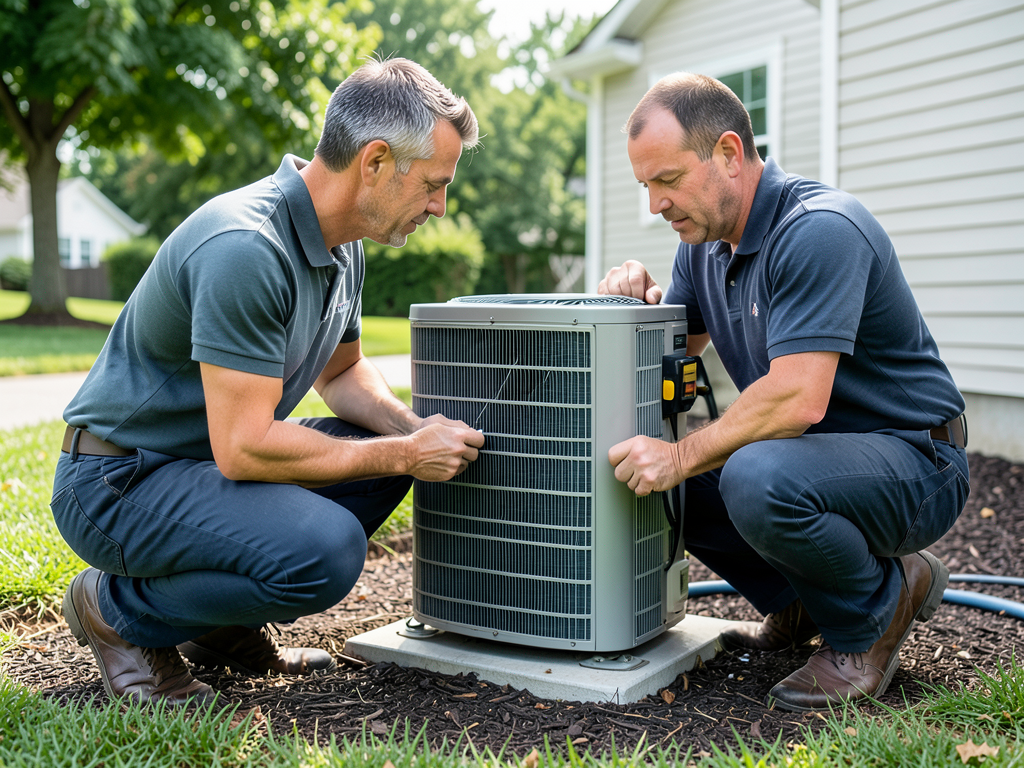
Your air conditioner's outdoor unit placement in Avalon Park directly impacts your monthly utility bills. In Orlando's intense heat and humidity, even a few feet of distance or a bit of shade can make a…
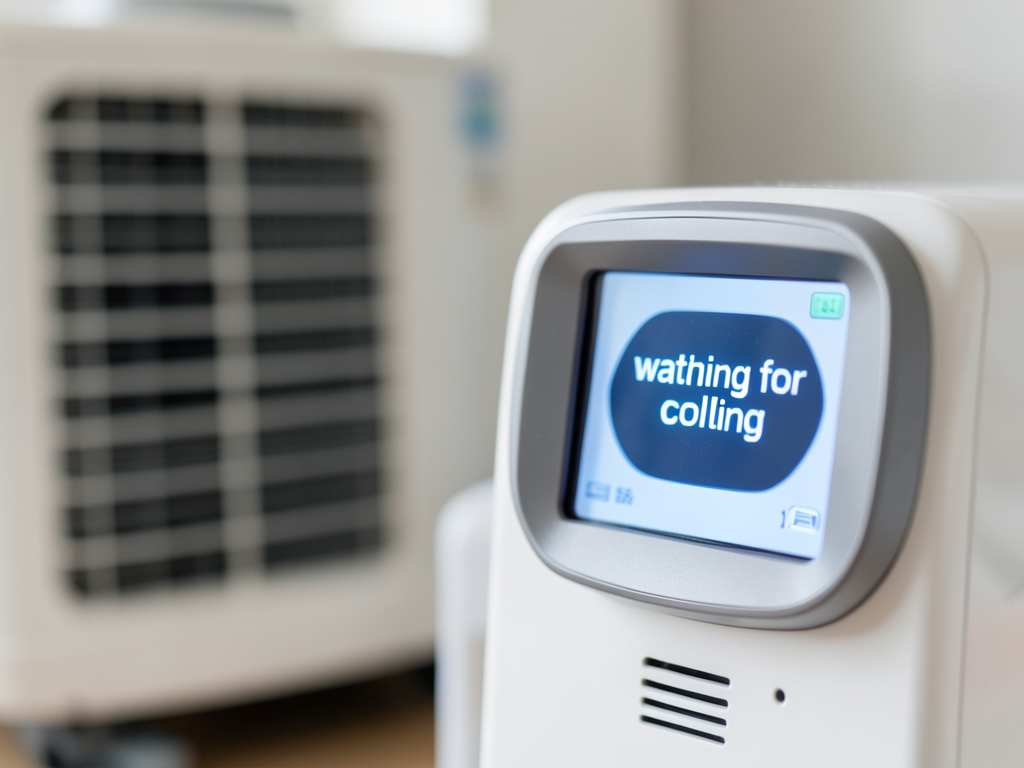
What to do if your St. Cloud thermostat says waiting for more than five minutes…
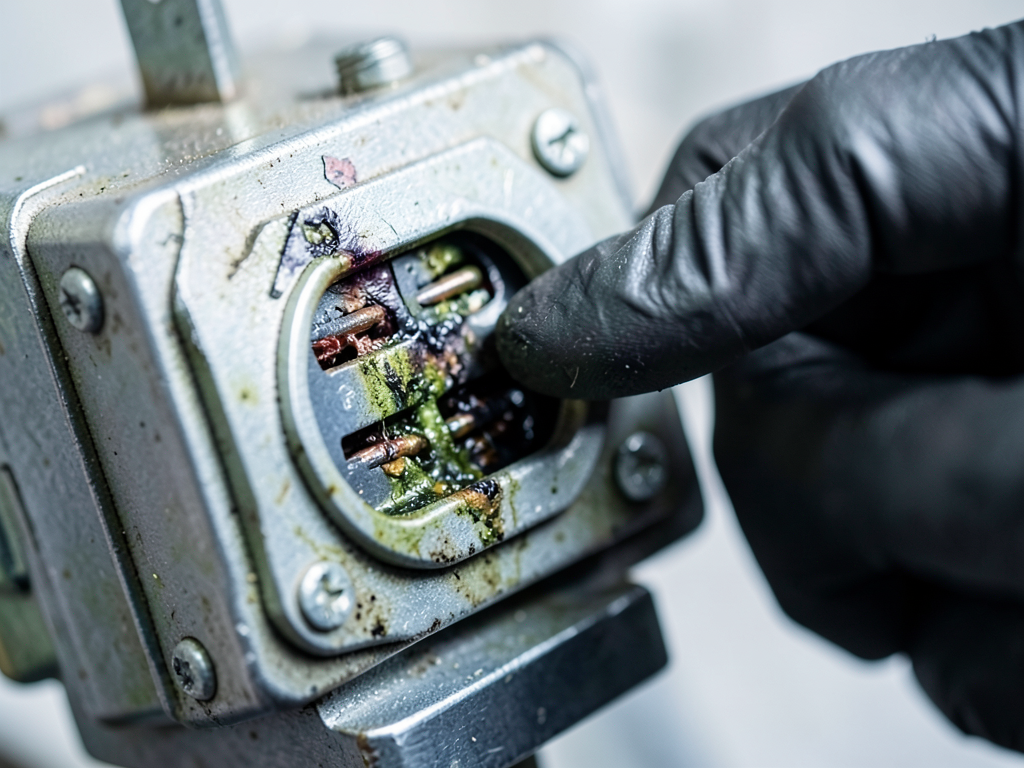
What it means when your Ocoee cooling system starts making a loud clicking sound Your…
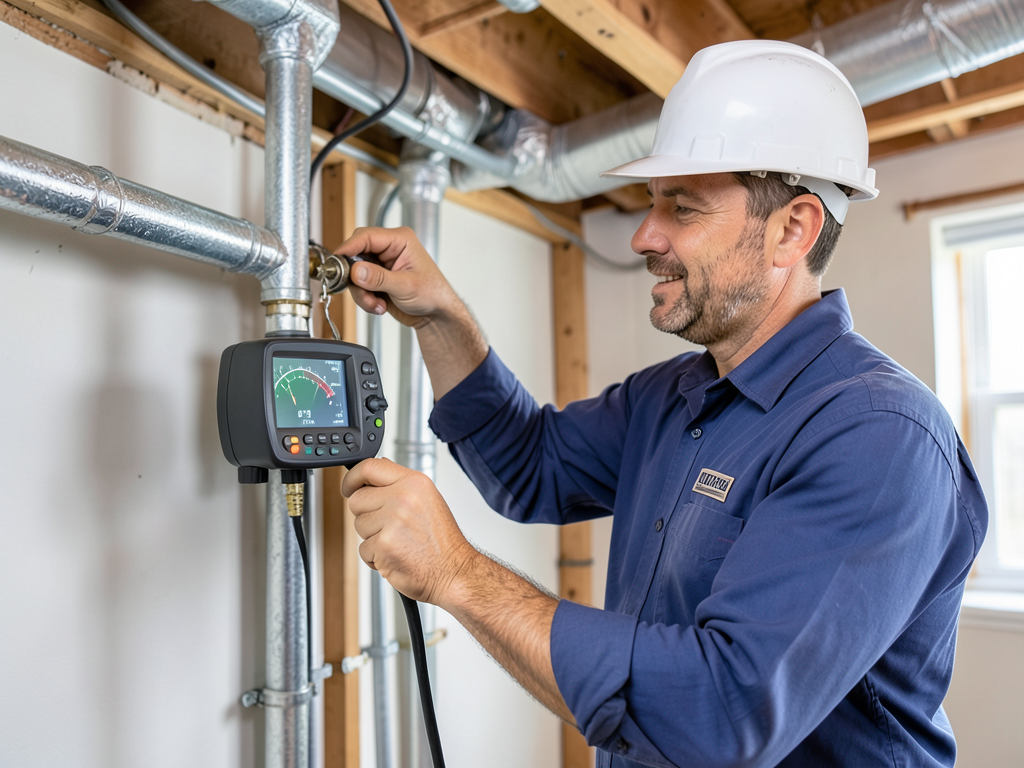
How to tell if your Celebration home builder installed the right size ductwork Your Celebration…
Don't spend another hour sweating in your home. Summit HVAC Orlando responds fast with the parts and expertise to fix your AC today. Call (321) 463-7979 now for immediate dispatch. Real people answer 24/7, and we'll have a technician on the way within hours.