




Iced Up Evaporator Coil in Orlando – Expert Diagnosis and Permanent Repair

When your air conditioner coil freezes up, you need more than a temporary thaw. Summit HVAC Orlando identifies the root cause of frozen cooling coils and fixes the underlying problem, so your system runs efficiently through Orlando's brutal summer heat.

Slider Image 1
Slider Image 2
Slider Image 3
Slider Image 4
Slider Image 5
Slider Image 7
Slider Image 8
Slider Image 9
Slider Image 10
Slider Image 11

Why Orlando AC Units Develop Frozen Evaporator Coils

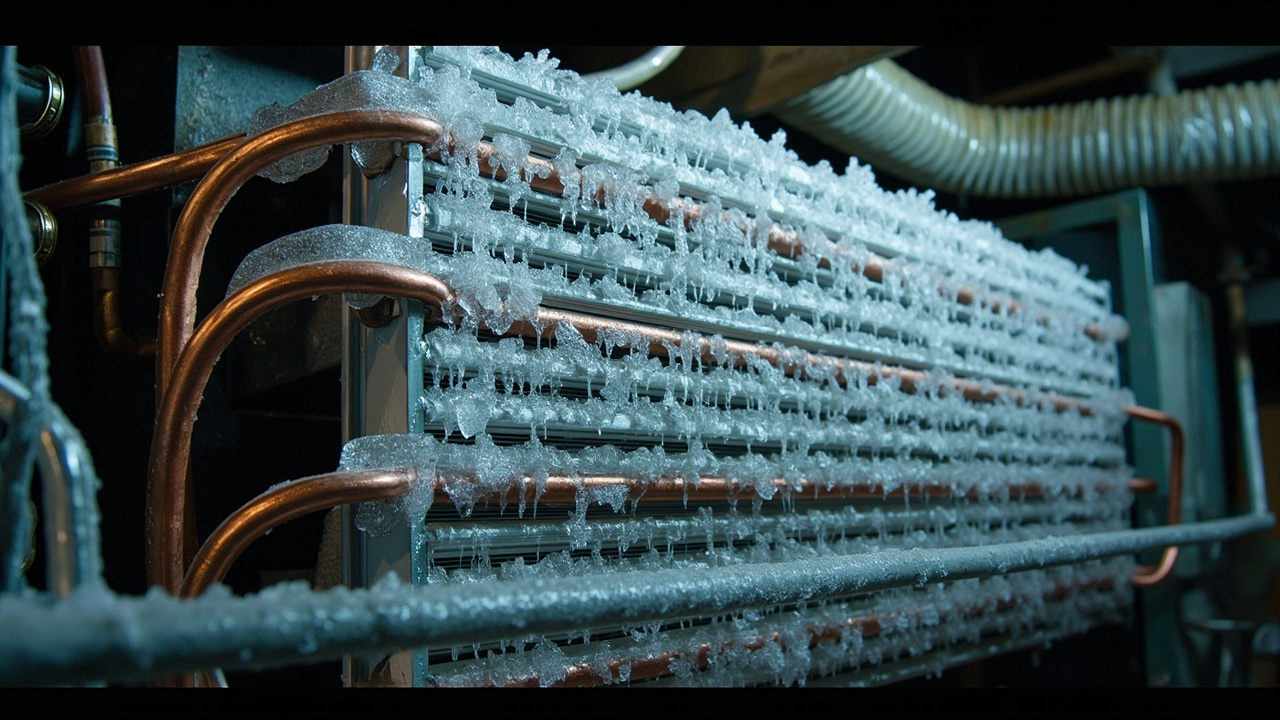
You walk past your air handler and see ice coating the copper lines. Your vents blow warm air even though the thermostat reads 72 degrees. The frozen ac evaporator coil is not the problem. It is a symptom.

Orlando's climate creates the perfect conditions for evaporator coil freezing. We run AC systems nine months a year, which means constant airflow through filters that clog faster in Central Florida's pollen-heavy air. When airflow drops below 400 cubic feet per minute per ton of cooling, refrigerant cannot absorb enough heat. The coil temperature drops below 32 degrees, and condensation turns to ice.

High humidity compounds the issue. A single AC unit in Orlando can pull 10 to 15 gallons of water from the air daily. When that moisture hits an already-cold coil, ice builds quickly. The ice blocks more airflow, which drops the coil temperature further, which creates more ice. The cycle accelerates.

Refrigerant leaks cause iced-over evaporator coils too. Low refrigerant charge reduces system pressure, which drops evaporator temperature. You get ice on evaporator coil even with perfect airflow. Older systems in Lake Nona and Winter Park often develop pinhole leaks in the coil itself due to formicary corrosion, an issue tied to volatile organic compounds reacting with copper in humid environments.

Dirty coils, failed blower motors, stuck metering devices, and collapsed ductwork all produce the same symptom: frozen cooling coils. The fix depends entirely on accurate diagnosis.

Why Orlando AC Units Develop Frozen Evaporator Coils
How We Fix Frozen Evaporator Coils the Right Way

How We Fix Frozen Evaporator Coils the Right Way

Most companies thaw the coil, replace the filter, and leave. The ice comes back in three days.

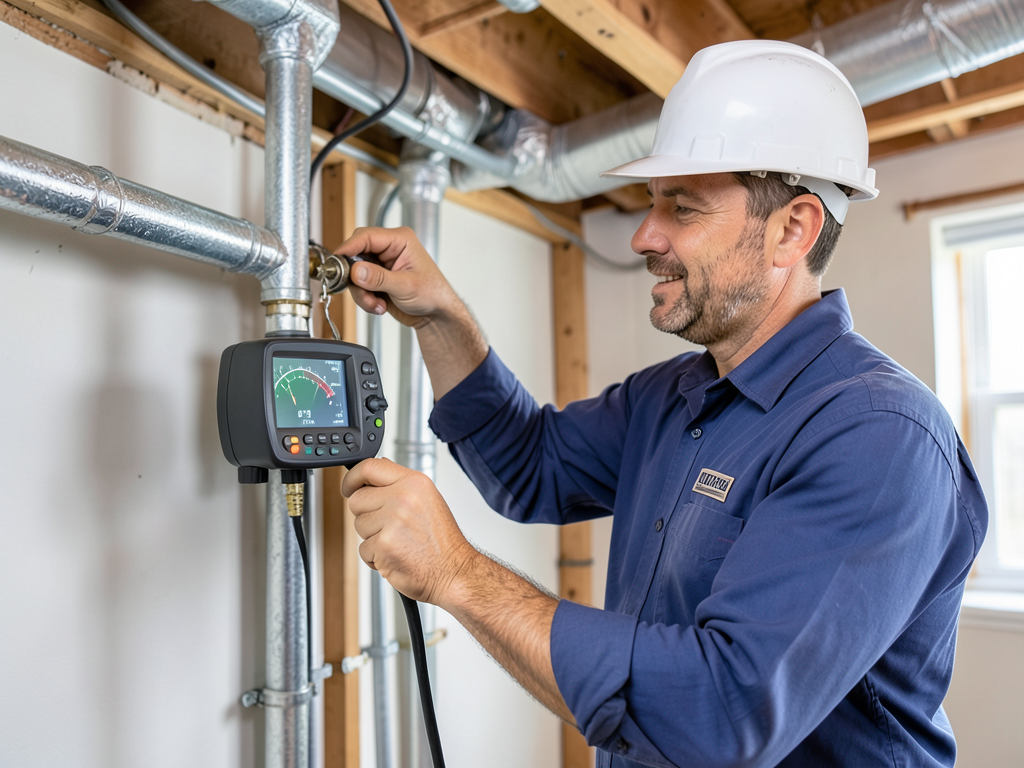
We start with static pressure testing across the evaporator coil. We measure the pressure drop between the return plenum and supply plenum. If the delta exceeds 0.5 inches of water column, airflow is restricted. We then isolate the restriction: filter, coil fouling, or ductwork collapse.

We pull the blower assembly and inspect the evaporator coil directly. Biological growth, dust caking, and pet dander reduce surface area and choke airflow. We clean coils with a non-acidic coil cleaner and a soft brush, then flush with water. Aggressive cleaning damages the thin aluminum fins, so we avoid pressure washers.

We test refrigerant charge with subcooling and superheat measurements, not just static pressure gauges. Subcooling tells us if the system is overcharged. Superheat tells us if it is undercharged or if the metering device is failing. We compare readings against the manufacturer's performance chart at current outdoor temperature and indoor wet bulb.

If refrigerant is low, we find the leak. We use nitrogen pressure testing and electronic leak detectors, not dye that guesses. Pinhole leaks in evaporator coils often require coil replacement, especially in systems over 12 years old. Refrigerant recharge without leak repair is theft.

We verify blower motor amperage and capacitor microfarad rating. A weak capacitor drops motor speed, which drops airflow. We replace capacitors showing more than six percent variance from rated capacity.

We check the thermostatic expansion valve or piston metering device for debris or failure. A stuck TXV floods the evaporator with liquid refrigerant, which drops coil temperature and causes ice buildup.

What Happens When We Arrive for a Frozen Coil Call

Iced Up Evaporator Coil in Orlando – Expert Diagnosis and Permanent Repair
01

System Shutdown and Thaw

We turn off the system at the thermostat and switch the blower to fan-only mode. This circulates warm air across the frozen evaporator coil and accelerates the thaw. Depending on ice thickness, this takes 30 to 90 minutes. We place towels and a wet vacuum near the air handler to catch meltwater. We do not use heat guns or torches. Forced thawing damages coil integrity and creates refrigerant leaks.
02

Diagnostic Testing and Measurement

Once the coil thaws completely, we measure airflow with a manometer and anemometer. We pull amp draw on the blower motor and condenser fan. We attach manifold gauges to the service ports and record suction pressure, discharge pressure, subcooling, and superheat. We inspect the filter, coil surface, condensate drain, and ductwork. This data tells us why the air conditioner coil is freezing up.
03

Repair and Verification

We execute the repair: coil cleaning, refrigerant recovery and recharge, capacitor replacement, TXV adjustment, or ductwork modification. After the repair, we run the system for 20 minutes and retest all measurements. We verify the coil stays dry and cold without ice formation. We check supply air temperature, return air temperature, and temperature split. We document everything and explain what failed and why.

Why Orlando Homeowners Trust Summit HVAC for Frozen Coil Repairs

You need a technician who understands how Central Florida's humidity, runtime hours, and air quality affect evaporator coil performance. Summit HVAC Orlando works on systems in Baldwin Park, Avalon Park, and Doctor Phillips every day. We see the same failure patterns tied to local conditions.

Formicary corrosion is a major issue in Orlando. The combination of high humidity and volatile organic compounds from household products, carpet adhesives, and building materials causes pinhole leaks in copper coils. We recognize the signs early and recommend coil replacement before refrigerant loss causes compressor damage.

We know how Orlando's sandy soil and high water tables lead to condensate drain clogs. Algae grows fast in standing water inside drain pans. A clogged drain pan triggers the float switch, which shuts down the system. Some homeowners bypass the float switch to keep the AC running, which floods the air handler and promotes mold growth on the evaporator coil. We clear drains, treat them with algaecide tablets, and educate homeowners on proper maintenance.

We stock parts for the brands installed most frequently in Orlando: Trane, Carrier, Lennox, Rheem, and Goodman. We do not leave your house to hunt for a capacitor or contactor. Our vans carry blower motors, run capacitors, TXVs, filter driers, and refrigerant.

We follow Florida building code and pull permits for refrigerant line modifications and coil replacements. Unpermitted work voids your homeowner's insurance and creates liability during home sales. We do not cut corners.

You get a written diagnosis before we start work. No surprise charges, no upselling based on fear. If your system needs replacement, we explain why and show you the failed components.

What to Expect When You Call Summit HVAC for a Frozen Coil

Same-Day Service Availability

A frozen evaporator coil shuts down cooling in the middle of Orlando's summer. We prioritize these calls. Most frozen coil appointments get scheduled within four hours of your call. If you contact us before noon, we arrive the same day. After-hours calls get next-morning priority. We do not put you on a three-day waiting list while your house climbs to 85 degrees. Our dispatch team coordinates schedules in real time to get a technician to your home fast.

Thorough Diagnostic Process

We spend 45 to 90 minutes diagnosing a frozen coil. This is not a 15-minute filter swap. We test every variable that affects evaporator temperature: airflow, refrigerant charge, metering device operation, blower motor performance, and coil cleanliness. You get a written report that explains what failed, why it failed, and what happens if you ignore it. We take photos of dirty coils, damaged components, and pressure readings. You see exactly what we see.

Complete and Lasting Repair

We fix the root cause, not just the symptom. If low airflow caused the freeze, we clean the coil, replace the filter, and verify CFM output. If refrigerant loss caused the freeze, we locate and repair the leak before recharging the system. If the blower motor is failing, we replace it with a direct OEM match rated for Orlando's high runtime. You do not get a temporary patch that fails in two weeks. The system runs correctly after we leave.

Maintenance Plans That Prevent Future Freezing

Most frozen coils result from deferred maintenance. Filters get ignored, coils go uncleaned, and refrigerant leaks slowly for months before the system fails. Our maintenance plans include biannual inspections, coil cleaning, refrigerant level checks, and condensate drain treatment. We catch small problems before they become expensive emergencies. Plan members get priority scheduling and discounted repair rates. You avoid the 2 a.m. service call because we prevent the failure in the first place.

Frequently Asked Questions

You Have Questions,
We Have Answers

What causes ice on an evaporator coil? +

Ice forms when airflow drops below normal levels or refrigerant pressure falls. Dirty air filters restrict air movement over the coil, causing surface temperatures to plummet. Blocked return vents, closed registers, or failing blower motors produce the same result. In Orlando's humid climate, even minor airflow issues can trigger rapid ice buildup because moisture condenses and freezes on cold coil surfaces. Low refrigerant from leaks also drops evaporator pressure, creating freezing temperatures. Collapsed ductwork or crushed flex ducts in attics reduce airflow and cause icing within hours during summer operation.

What is the best way to thaw out an iced up evaporator coil? +

Turn off the system completely at the thermostat. Switch the fan to ON mode to circulate air and speed thawing, or shut down entirely if water damage threatens. Open the air handler access panel and place towels beneath the coil to catch melt water. Thick ice takes four to six hours to thaw naturally. Never chip ice or apply heat guns, which damage delicate aluminum fins. After complete thawing, check your air filter and replace if dirty. If ice returns after restart, call a technician immediately. Orlando's humidity accelerates mold growth in wet air handlers, so dry the cabinet thoroughly.

Will low refrigerant cause an evaporator to ice up? +

Yes. Low refrigerant directly causes evaporator icing. When refrigerant charge drops from leaks, pressure inside the coil falls below design levels. This creates abnormally cold coil temperatures that freeze condensate on contact. The system runs longer cycles trying to reach thermostat setpoint, which compounds the problem. Orlando systems lose refrigerant from vibration leaks at flare fittings, corroded line sets in attics, or pinhole leaks from formicary corrosion caused by formic acid in coastal air. Refrigerant loss always requires professional repair. Adding refrigerant without fixing the leak wastes money and damages the compressor through liquid slugging.

What is the likely cause for heavy icing in the evaporator coil? +

Heavy ice accumulation points to severe airflow restriction or critically low refrigerant. Completely blocked air filters are the primary culprit in residential systems. Closed supply registers in multiple rooms force air back through the return, collapsing airflow across the coil. Failed blower motors or capacitors stop air movement entirely while refrigerant keeps circulating. Crushed or disconnected ductwork in Orlando attics during insulation work cuts airflow by 60 percent or more. Evaporator coils caked with years of dust buildup also ice heavily. Multiple closed doors in homes without return air paths starve the system and cause rapid freezing.

Can I turn my AC back on after it thaws? +

Not immediately. First identify and fix the root cause. If you restart without addressing dirty filters, low refrigerant, or airflow problems, ice returns within 30 minutes. Replace the air filter, open all supply registers, and confirm the blower runs properly. Check for water leaks around the air handler that signal drain problems. Run the system and monitor for 20 minutes. If frost reappears on refrigerant lines or the coil surface, shut down and call a technician. Repeated freeze cycles damage compressors through liquid floodback. Orlando's high humidity means frozen coils drip gallons of water, risking ceiling damage and mold growth.

What are the six common causes of evaporator freezing? +

Six common causes include dirty air filters blocking airflow, low refrigerant from leaks, failed blower motors or capacitors stopping air circulation, closed or blocked supply registers restricting system airflow, dirty evaporator coils clogged with dust and debris, and collapsed ductwork reducing air volume. Orlando systems face additional risks from crushed flex ducts in hot attics, corroded refrigerant lines from humidity, and oversized units that short cycle before dehumidifying properly. Thermostat issues causing continuous fan operation without compressor cycling also create freezing conditions. Each cause requires specific diagnosis because symptoms overlap and multiple problems often exist simultaneously in older systems.

How Orlando's Year-Round AC Runtime Accelerates Evaporator Coil Problems

Most of the country runs air conditioning three to four months per year. Orlando runs it nine months minimum. Your evaporator coil processes thousands of additional operating hours compared to systems in cooler climates. That extended runtime accelerates filter clogging, coil fouling, and refrigerant seal degradation. A coil that would last 15 years in Atlanta lasts 10 years in Orlando. The biological growth rate on evaporator coils is higher here due to constant condensation combined with humid return air. You cannot treat Orlando AC systems like systems in drier or cooler regions.

Central Florida HVAC companies see frozen coil calls daily during summer. Summit HVAC Orlando has diagnosed hundreds of iced-over evaporator coils in neighborhoods across Orange and Seminole counties. We understand the difference between a coil frozen due to a dirty filter and a coil frozen due to formicary corrosion. That distinction matters because the repair cost and urgency vary significantly. Local expertise prevents misdiagnosis. A technician trained in Denver does not recognize the signs of corrosion common to coastal and high-humidity regions. You need someone who works on Orlando systems exclusively.
HVAC Services in The Orlando Area

Summit proudly serves Orlando and surrounding Central Florida areas with fast, professional HVAC services. Whether you're in the heart of the city or in nearby neighborhoods, our technicians are just a call away. Use the map below to view our service area and plan your visit or consultation. We make it convenient to get expert help where and when you need it. Your comfort is always within reach with Summit.

Address:
Summit HVAC Orlando, 4700 Millenia BlvdOrlando, Orlando, FL, 32839

Additional Services We Offer

Our news updates

Latest Articles & News from The Blogs

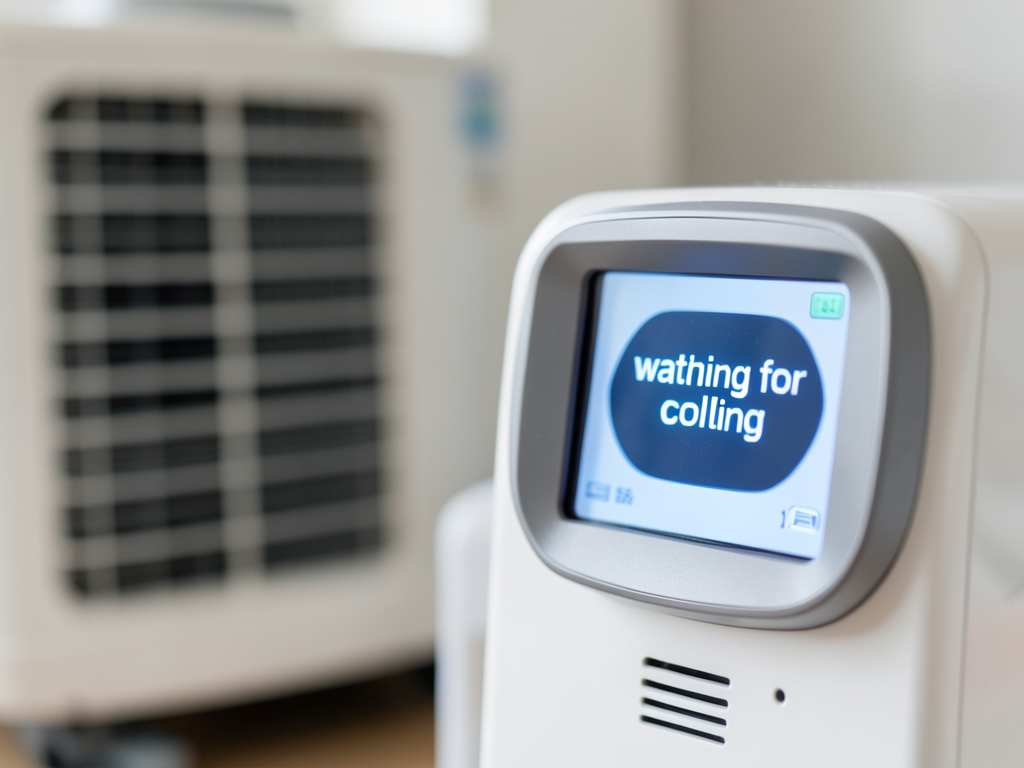
What to do if your St. Cloud thermostat says waiting for more than five minutes Your thermostat displays 'waiting for…

What to do if your St. Cloud thermostat says waiting for more than five minutes

What to do if your St. Cloud thermostat says waiting for more than five minutes Your thermostat displays 'waiting for…

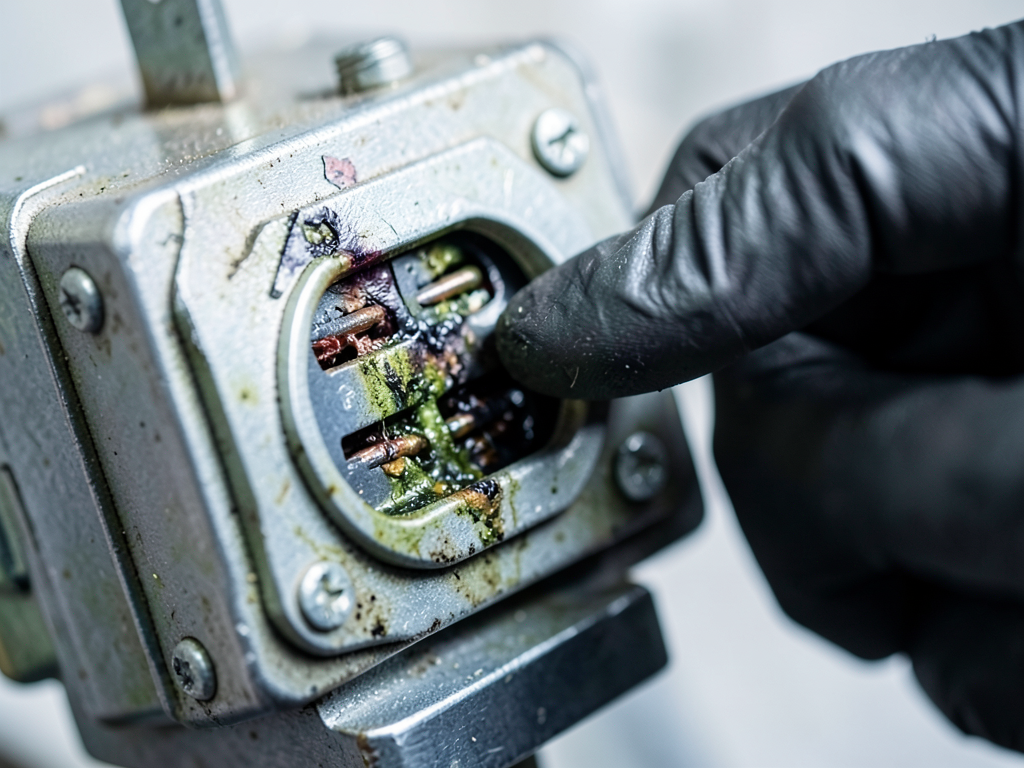
What it means when your Ocoee cooling system starts making a loud clicking sound

What it means when your Ocoee cooling system starts making a loud clicking sound Your outdoor AC unit should hum…

How to tell if your Celebration home builder installed the right size ductwork

How to tell if your Celebration home builder installed the right size ductwork Your Celebration home should feel comfortable year-round.…

Contact Us

Do not let ice build up and damage your compressor. Call Summit HVAC Orlando at (321) 463-7979 right now. We will schedule your diagnostic appointment today, identify why your evaporator coil is freezing, and execute the correct repair. No guessing, no upselling, no return trips.