







Orlando experiences three distinct pollen seasons each year. Tree pollen from live oaks and pines peaks in February and March. Grass pollen from bahiagrass and Bermuda grass dominates April through October. Ragweed pollen arrives in the fall. These overlapping seasons mean airborne allergens circulate almost continuously. When you combine year-round pollen with 75 percent average humidity, your home becomes a reservoir for biological contaminants. Air filtration systems capture pollen before it enters your living spaces, reducing exposure and minimizing allergy symptoms throughout the year.
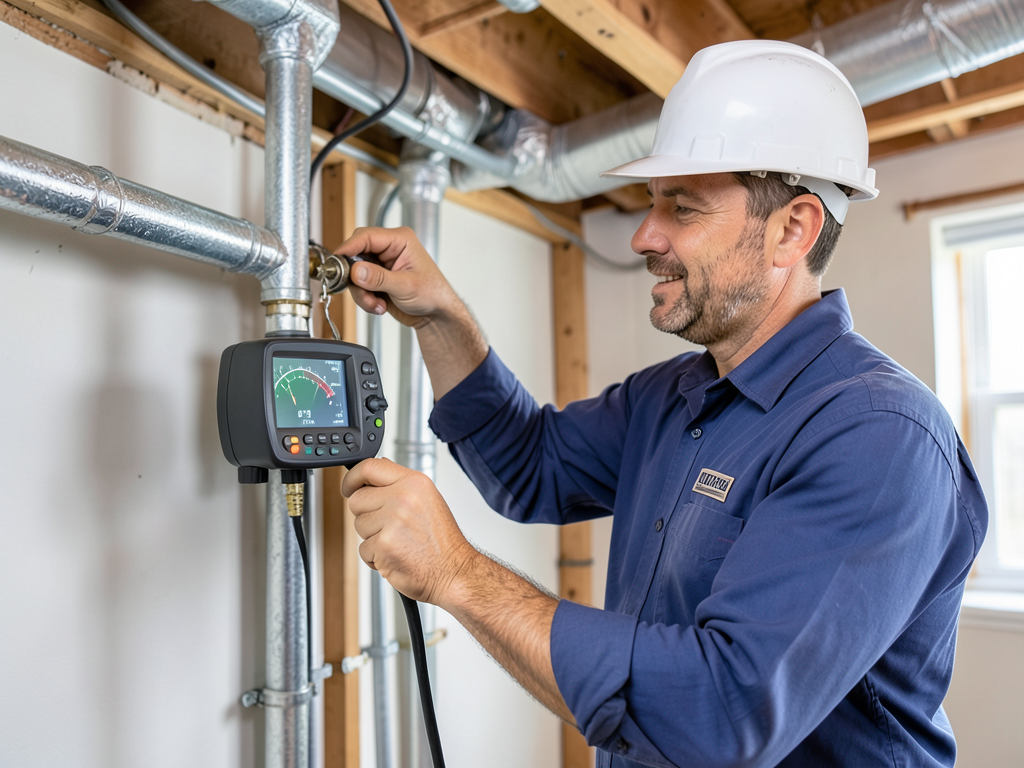
Florida's building codes require proper ventilation in residential HVAC systems, but standard ventilation does not address indoor air quality. Local HVAC contractors understand the need for supplemental filtration in Central Florida's climate. Summit HVAC Orlando works with homeowners across Orange and Seminole counties to install systems that meet Florida's humidity challenges. We understand how to balance filtration efficiency with airflow requirements, ensuring your system removes contaminants without creating static pressure issues that reduce performance or increase energy costs.