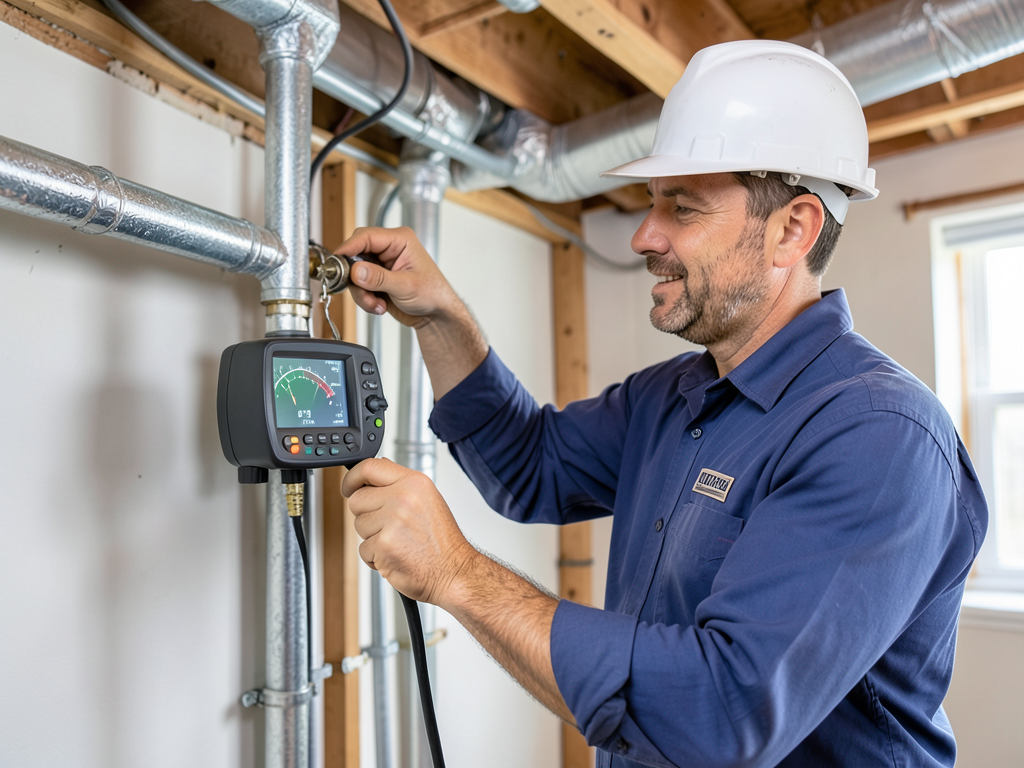








Benefits of Inverter Technology in Orlando – Cut Your Energy Bills by Up to 40%

Discover how variable speed compressor benefits and inverter HVAC energy efficiency can slash your cooling costs while maintaining perfect comfort in Orlando's relentless heat and humidity.

Slider Image 1
Slider Image 2
Slider Image 3
Slider Image 4
Slider Image 5
Slider Image 7
Slider Image 8
Slider Image 9
Slider Image 10
Slider Image 11

Why Orlando Homeowners Are Switching to Inverter Air Conditioners

Orlando runs air conditioning 10 months a year. The combination of high humidity and temperatures that spike into the mid-90s from May through October creates a punishing load on traditional HVAC systems. Standard air conditioners operate like a light switch. They run at full capacity, shut off when the setpoint is reached, then cycle back on at 100% power. This constant stop-start pattern wastes energy and creates temperature swings that leave rooms feeling clammy or stuffy.

Inverter technology power savings come from a fundamentally different approach. Instead of cycling on and off, variable speed compressors modulate their output between 25% and 100% capacity. When your home reaches the desired temperature, the system ramps down to a low-power state and maintains that setpoint with minimal energy draw. This matters in Orlando because your system never fully shuts off during the day. It hums along at 30% capacity, sipping electricity while maintaining consistent humidity control.

The advantages of inverter air conditioners become obvious on your power bill. A traditional 3-ton system cycling on and off can pull 3,500 watts every time it starts. An inverter system maintaining the same temperature might draw 800 watts continuously. Over a summer month, that difference translates to 30% to 40% lower cooling costs. The pros of inverter heat pumps extend beyond summer. During Orlando's brief cold snaps in January and February, the same variable speed technology heats your home more efficiently than resistance strips or single-stage heat pumps.

You also gain comfort. No more temperature swings. No more loud startup cycles rattling windows. Just steady, quiet cooling that adapts to your home's needs in real time.

Why Orlando Homeowners Are Switching to Inverter Air Conditioners
How Variable Speed Compressors Change the Game

How Variable Speed Compressors Change the Game

Traditional compressors use fixed-speed motors. They operate at one speed, 3,600 RPM, regardless of cooling demand. Inverter compressors use DC brushless motors controlled by variable frequency drives. This allows the compressor to spin anywhere from 900 RPM up to 4,500 RPM depending on what the thermostat calls for.

When you first turn on an inverter system after being away, it ramps up to maximum capacity to pull down the temperature quickly. Once the setpoint is within two degrees, the compressor slows to a maintenance speed. The refrigerant flow decreases. The evaporator coil operates in a sweet spot where it dehumidifies efficiently without overcooling. The condenser fan matches compressor speed, so outdoor noise drops to a whisper.

This modulation happens continuously. If afternoon sun heats your west-facing rooms, the system increases capacity by 10% to compensate. If clouds roll in or evening arrives, it scales back. The result is a home that stays within one degree of your setpoint all day.

The inverter HVAC energy efficiency advantage comes from eliminating startup surge. A traditional compressor draws 5 to 7 times its running wattage for the first 3 seconds of every cycle. If your system short-cycles due to an oversized unit or poor airflow, you burn energy on startup surges all day. Inverter systems eliminate this waste. They start soft, ramp gradually, and never fully shut down during occupied hours.

Summit HVAC Orlando installs inverter systems sized to your home's actual load. We calculate heat gain from windows, insulation, and ductwork. We match compressor capacity to your space so the system operates in its efficiency range most of the day. This precision prevents the oversizing mistakes that plague traditional installs.

What Happens When You Upgrade to Inverter Technology

Benefits of Inverter Technology in Orlando – Cut Your Energy Bills by Up to 40%
01

Load Calculation and System Sizing

We perform a Manual J load calculation to determine your home's precise cooling needs. This accounts for insulation levels, window orientation, ductwork condition, and Orlando's specific climate zone. Inverter systems must be sized correctly to operate in their variable speed range. Oversizing kills efficiency. We measure, calculate, and spec the right capacity for your square footage and building envelope.
02

Equipment Selection and Configuration

We match the outdoor condenser to your indoor air handler and configure the variable frequency drive for your ductwork. Inverter systems require communicating thermostats that send precise signals to the compressor controller. We install compatible stats and program them for optimal ramp rates and setpoint recovery. The system learns your home's thermal mass and adjusts its behavior over the first week of operation.
03

Commissioning and Efficiency Verification

After installation, we monitor the system through multiple cycles. We verify superheat and subcooling at low, medium, and high compressor speeds. We check that the variable frequency drive modulates smoothly without hunting or oscillating. We confirm that humidity levels stay between 45% and 55% during maintenance mode. You receive documentation showing energy draw at different operating points and projected annual savings.

Why Summit HVAC Orlando Specializes in Inverter Installs

Inverter technology requires a different skill set than traditional HVAC work. You cannot slap in an inverter condenser and expect it to perform. The system must be tuned to your home's characteristics and Orlando's climate patterns.

We train our technicians on variable frequency drive diagnostics and refrigerant charge verification at multiple operating speeds. Standard gauges and charging charts do not apply. Inverter systems require digital manifolds and real-time monitoring of compressor RPM, discharge temperature, and suction pressure across the operating range.

Orlando's high humidity makes proper dehumidification critical. Inverter systems excel at humidity control when sized and configured correctly. At low compressor speeds, the evaporator coil operates at a lower temperature differential, which increases moisture removal per BTU of cooling. We adjust fan speeds and refrigerant charge to maximize latent heat removal during the long summer months when humidity hovers between 70% and 90%.

We also understand Orlando building codes and permitting requirements. Orange County requires load calculations for any system replacement over 3 tons. We pull permits, schedule inspections, and ensure your install meets Florida Building Code requirements for refrigerant line insulation, condensate drainage, and electrical disconnects.

Local expertise matters when selecting equipment. We know which brands hold up in Florida's corrosive coastal environment. We know which inverter models handle voltage fluctuations common in older Orlando neighborhoods. We stock parts for the systems we install, so repairs happen fast when needed. You are not waiting three weeks for a control board shipped from a warehouse in another state.

What to Expect from Your Inverter System Upgrade

Installation Timeline and Scheduling

Most inverter system installs take one to two days depending on whether we replace ductwork or modify electrical service. We schedule around your availability and work efficiently to minimize disruption. Day one involves removing the old equipment, mounting the new outdoor unit, and installing the air handler. Day two covers refrigerant line installation, electrical connections, thermostat wiring, and system commissioning. We test the system under load before we leave. You have cool air the same day we finish the install.

Pre-Install Assessment and Planning

Before we quote an inverter system, we inspect your existing setup. We check ductwork for leaks, measure airflow at each register, and test electrical service capacity. Inverter systems require stable voltage and proper grounding. We identify any issues that would prevent optimal performance. If your ducts leak or your breaker panel needs an upgrade, we address those items before installing new equipment. This prevents callbacks and ensures you get the efficiency gains you paid for. We provide a detailed scope of work with line-item pricing.

Performance and Comfort Gains

You will notice the difference immediately. The system runs quieter. Temperature swings disappear. Humidity stays in check even during afternoon thunderstorms. Your power bill drops within the first month. Most Orlando homeowners see 30% to 40% reductions in cooling costs compared to their old single-stage system. The variable speed operation also extends equipment lifespan. Compressors fail from thermal stress caused by repeated startups. Inverter compressors run continuously at low stress levels, which means fewer breakdowns and longer service life.

Maintenance and Long-Term Support

Inverter systems require annual maintenance to preserve efficiency. We check refrigerant charge at multiple compressor speeds, clean the evaporator coil, inspect electrical connections, and update firmware on the variable frequency drive. We also monitor filter condition more frequently because inverter systems move less air per hour than traditional units. A dirty filter impacts performance more severely. We offer maintenance plans that include two visits per year, priority scheduling, and discounts on repairs. You receive detailed service reports showing system performance trends and any components that may need attention.

Frequently Asked Questions

You Have Questions,
We Have Answers

What are the benefits of inverter technology? +

Inverter technology adjusts compressor speed to match cooling demand instead of cycling on and off. In Orlando's humid climate, this means consistent indoor comfort without temperature swings. You get lower energy bills, reduced humidity control, and quieter operation. The compressor ramps up gradually during hot afternoons and scales back when conditions ease. This prevents the wear-and-tear caused by constant starting and stopping. Orlando homeowners typically see 30-40% energy savings compared to traditional single-stage systems, which matters during long summer cooling seasons.

What is the disadvantage of an inverter? +

The main disadvantage is higher upfront cost. Inverter-based HVAC systems cost more than traditional units due to advanced electronics and variable-speed components. Repairs can also be pricier because the technology requires specialized training and parts. In Orlando, where AC systems run heavily year-round, a component failure outside warranty means potentially expensive service calls. The break-even point depends on your energy rates and usage patterns. For homes with moderate cooling needs, the payback period may stretch longer than expected.

What should you not plug into an inverter? +

Never plug sensitive electronics like laptops, medical equipment, or devices with microprocessors directly into basic modified sine wave inverters. These inverters produce choppy waveforms that damage delicate circuits. Laser printers, certain battery chargers, and variable-speed tools also struggle with modified sine wave power. In Orlando hurricane season, residents using backup inverters should verify they have pure sine wave models for sensitive gear. Skip connecting anything with digital displays, clocks, or precision timing. Stick to simple resistive loads like lights, fans, or basic appliances for modified sine wave inverters.

What are inverters good for? +

Inverters convert DC power from batteries or solar panels into AC power for household appliances. During Orlando power outages, which spike during hurricane season, inverters keep essential devices running. They power refrigerators, fans, lights, and phone chargers when the grid fails. Solar installations use inverters to make panel output compatible with home electrical systems. For HVAC applications, inverter technology means variable-speed operation that matches real-time cooling needs. This flexibility delivers comfort and efficiency. Whether for backup power or energy savings, inverters bridge the gap between stored DC power and usable AC electricity.

Can an inverter run a fridge? +

Yes, but inverter size and type matter. A standard refrigerator needs 600-800 running watts but requires 2-3 times that for startup surge. You need a pure sine wave inverter rated at least 2000 watts with sufficient battery capacity. In Orlando, where power outages can last days after storms, a properly sized inverter system keeps food from spoiling. Calculate your fridge's wattage from the label, multiply startup current by voltage, and add 20% safety margin. Battery capacity determines run time, not inverter size. A 12V deep-cycle battery bank handles the load duration.

How long will a 12V battery last with an inverter? +

Battery life depends on load size and battery capacity. A 100Ah 12V battery delivers roughly 1200 watt-hours of usable power (accounting for safe discharge limits). If you draw 100 watts, expect about 10-12 hours. Double the load, halve the time. In Orlando's heat, battery efficiency drops, shortening run time by 10-15%. Deep-cycle batteries handle repeated discharge better than car batteries. For hurricane preparedness, calculate your essential load wattage and multiply by desired run hours to determine needed battery capacity. Most residents need multiple batteries for multi-day outages.

What is the 3 minute rule for AC? +

The 3-minute rule protects your compressor from damage. After your AC shuts off, refrigerant pressure equalizes between the high and low sides of the system. Restarting too quickly forces the compressor to work against unequal pressure, causing strain and potential failure. Modern thermostats have built-in delay timers that enforce this waiting period. In Orlando's stop-and-go cooling cycles during mild weather, this protection prevents premature compressor burnout. Inverter systems avoid this issue entirely because they ramp speed gradually rather than cycling off completely. Never manually override the delay timer.

Which one is better, AC or inverter? +

Inverter technology outperforms traditional AC in efficiency and comfort. Standard AC units cycle on and off at full blast, wasting energy and creating temperature swings. Inverter systems adjust compressor speed to match demand, running continuously at lower power levels. For Orlando's climate, where AC runs 8-10 months yearly, inverter technology cuts energy bills significantly. You get steadier temperatures, better humidity control, and longer equipment life. The higher initial investment pays back through lower operating costs. If you plan to stay in your home long-term, inverter technology delivers better value and comfort.

What is the lifespan of an inverter? +

Quality inverter systems last 15-20 years with proper maintenance. The compressor, the heart of the system, typically outlives traditional units because it avoids constant start-stop stress. Electronic control boards may need replacement around the 10-12 year mark. In Orlando's harsh climate, with high humidity, salt air in coastal areas, and heavy use, annual maintenance extends lifespan. Capacitors, contactors, and sensors wear faster than the inverter drive itself. Indoor components last longer than outdoor units exposed to weather. Regular filter changes, coil cleaning, and refrigerant checks maximize your investment.

What appliances should not be used with an inverter? +

Avoid connecting oxygen concentrators, CPAP machines, microwaves, and anything with motors or compressors to basic inverters. Modified sine wave inverters cause these devices to overheat, buzz, or fail prematurely. Sump pumps, power tools, and garage door openers need pure sine wave power for proper operation. In Orlando, where backup power matters during storms, residents should use pure sine wave inverters for all modern electronics. Fluorescent lights, audio equipment, and anything with electronic speed controls also require clean sine wave power. When in doubt, check manufacturer specifications before connecting devices.

Why Inverter Technology Matters More in Orlando's Climate

Orlando sits in HVAC climate zone 2A, characterized by hot, humid summers and mild winters. Dewpoints regularly hit 75 degrees from June through September. Traditional air conditioners cannot handle this moisture load without overcooling your home or running constantly. Inverter systems solve this by operating at lower speeds for longer periods. The evaporator coil stays cold enough to condense moisture but does not freeze up or cycle off prematurely. This continuous dehumidification prevents mold growth in ductwork and keeps indoor air quality high. The advantages of inverter air conditioners become critical when you consider that Orlando homes battle humidity nine months a year.

Orlando also deals with frequent voltage sags during peak demand hours. Summer afternoons when everyone runs their air conditioning put strain on the grid. Inverter systems handle voltage fluctuations better than traditional compressors because the variable frequency drive regulates power input. If line voltage drops from 240V to 225V, the system adjusts and continues operating. Traditional compressors stall or trip breakers. We install inverter systems that meet Florida's strict efficiency standards and comply with Orange County electrical codes. Our local knowledge ensures your system performs reliably during Orlando's hottest days when you need it most.
HVAC Services in The Orlando Area

Summit proudly serves Orlando and surrounding Central Florida areas with fast, professional HVAC services. Whether you're in the heart of the city or in nearby neighborhoods, our technicians are just a call away. Use the map below to view our service area and plan your visit or consultation. We make it convenient to get expert help where and when you need it. Your comfort is always within reach with Summit.

Address:
Summit HVAC Orlando, 4700 Millenia BlvdOrlando, Orlando, FL, 32839

Additional Services We Offer

Our news updates

Latest Articles & News from The Blogs

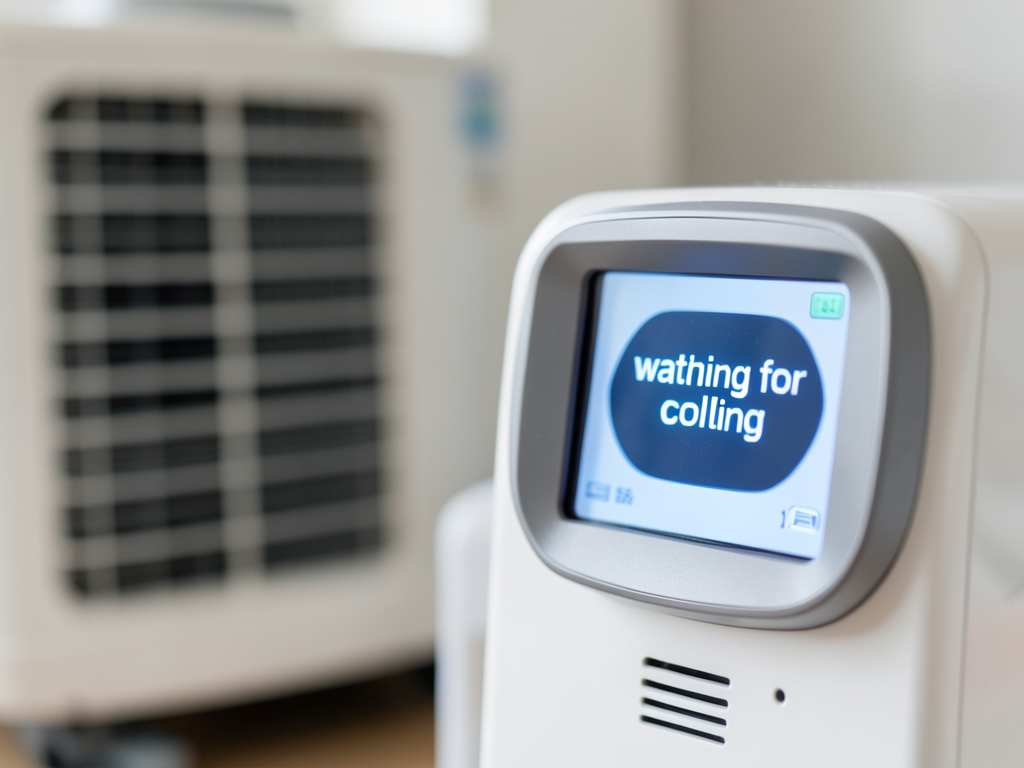
What to do if your St. Cloud thermostat says waiting for more than five minutes Your thermostat displays 'waiting for…

What to do if your St. Cloud thermostat says waiting for more than five minutes

What to do if your St. Cloud thermostat says waiting for more than five minutes Your thermostat displays 'waiting for…

What it means when your Ocoee cooling system starts making a loud clicking sound

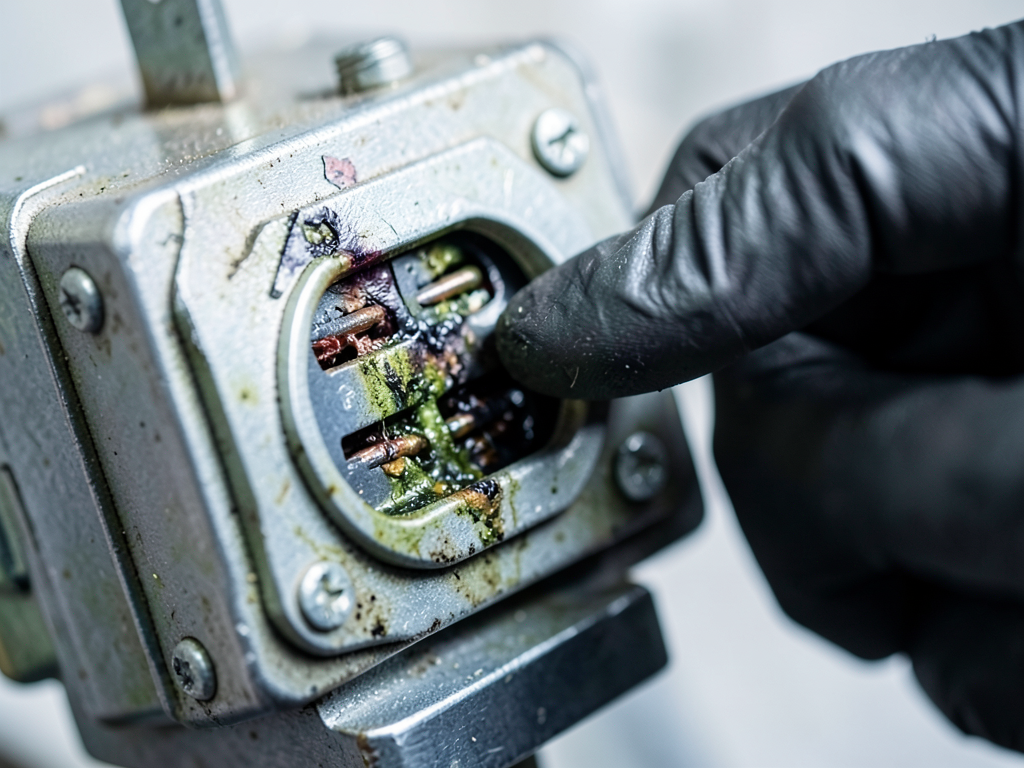
What it means when your Ocoee cooling system starts making a loud clicking sound Your outdoor AC unit should hum…

How to tell if your Celebration home builder installed the right size ductwork

How to tell if your Celebration home builder installed the right size ductwork Your Celebration home should feel comfortable year-round.…

Contact Us

Summit HVAC Orlando installs inverter technology systems that deliver real energy savings and better performance. Call (321) 463-7979 now to schedule your free load calculation and equipment quote. We will show you exactly how much you can save.