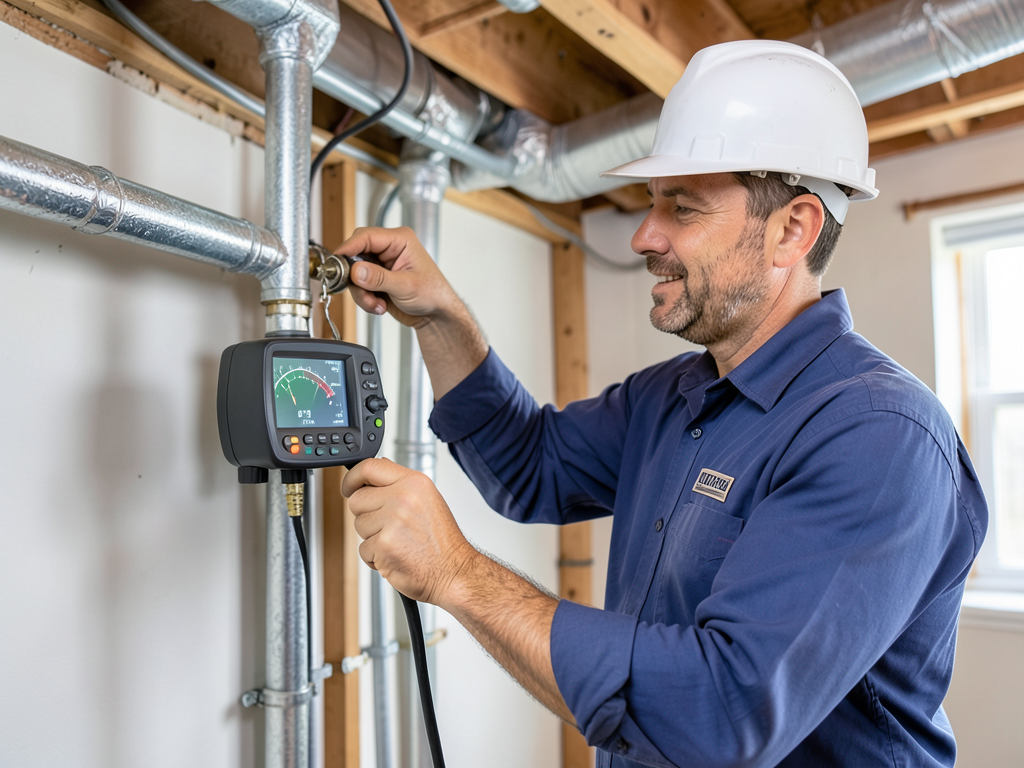





HVAC Warranty Guide in Orlando – Understand Your Coverage and Protect Your Investment

Get clarity on HVAC system warranty coverage, manufacturer terms, and equipment policies so you know exactly what is protected when your heating or cooling system needs repair or replacement in Central Florida.

Slider Image 1
Slider Image 2
Slider Image 3
Slider Image 4
Slider Image 5
Slider Image 7
Slider Image 8
Slider Image 9
Slider Image 10
Slider Image 11

Why HVAC Warranties Matter More in Orlando's Year-Round Climate

Your HVAC system runs harder in Orlando than almost anywhere else in the country. With cooling demand eight to ten months a year and humidity pushing 90 percent in summer, your equipment faces constant wear. When a compressor fails or a heat exchanger cracks, warranty coverage determines whether you pay hundreds or thousands out of pocket.

Most homeowners do not understand HVAC system warranty coverage until something breaks. Then they discover that parts are covered but labor is not, or that missed maintenance appointments voided the entire agreement. Heating and cooling warranty terms vary wildly between manufacturers, and even identical equipment models can have different HVAC equipment warranty policies depending on where you bought the system and who installed it.

Orlando's intense UV exposure and salt-laden air from coastal winds accelerate outdoor unit deterioration. Condenser coils corrode faster here than in drier climates. Control boards fail more frequently in high-humidity environments. These failures happen within the warranty window more often than you think, but only if you know what HVAC manufacturer warranty details actually protect you against and what documentation you need to file a claim.

The difference between a $200 repair and a $2,000 replacement often comes down to understanding HVAC unit warranty information before the breakdown happens. Most warranties require annual professional maintenance to stay valid. Miss one year and you forfeit coverage entirely. We see this scenario play out weekly in Orlando, where homeowners discover too late that their warranty lapsed.

Why HVAC Warranties Matter More in Orlando's Year-Round Climate
How HVAC Warranty Coverage Actually Works

How HVAC Warranty Coverage Actually Works

HVAC warranties come in three layers. The manufacturer covers specific components for a defined period. The installing contractor may offer workmanship protection. Extended service agreements add labor coverage that standard warranties exclude.

Manufacturer warranties typically separate parts coverage from compressor coverage. A standard residential split system might carry a five-year parts warranty and a ten-year compressor warranty. That sounds comprehensive until you realize the warranty covers the part replacement cost but not the refrigerant, labor, diagnostic time, or related components that failed because of the covered part. A compressor replacement might cost $1,800 in labor and refrigerant even when the compressor itself is free.

Registration matters more than most homeowners realize. Many manufacturers require warranty registration within 60 days of installation. Fail to register and your coverage drops from ten years to one year automatically. We register every system we install, but homeowners who bought systems from big-box retailers or discount installers often discover their equipment was never registered at all.

Heating and cooling warranty terms include maintenance requirements buried in the fine print. Most manufacturers mandate annual professional service to maintain coverage. You need documentation proving that a licensed HVAC technician inspected the system, changed filters, checked refrigerant levels, and tested safety controls. A handwritten receipt from an unlicensed handyman does not count. Neither does a DIY filter change, even if you have photos.

Workmanship warranties from the installing contractor cover installation errors like incorrect refrigerant charge, improper ductwork connections, or faulty electrical wiring. These warranties range from 90 days to two years depending on the contractor. Quality installers stand behind their work because proper installation determines whether your equipment reaches its expected lifespan.

How to Maximize Your HVAC Warranty Protection

HVAC Warranty Guide in Orlando – Understand Your Coverage and Protect Your Investment
01

Document Everything Immediately

Save your invoice, model and serial numbers, and installation date in multiple places. Photograph the equipment data plate showing the serial number before the outdoor unit gets dirty. Register your system with the manufacturer within 30 days, even if your installer says they will handle it. Confirm registration by checking the manufacturer website directly. Keep all maintenance records in a dedicated file, physical or digital, because you will need them to prove coverage eligibility when something fails.
02

Schedule Annual Professional Maintenance

Book your maintenance visit during spring before cooling season peaks. A licensed technician must perform the service and provide detailed documentation of the work completed. Generic receipts that say "tune-up" are not sufficient. Your record needs to list specific tasks like refrigerant pressure readings, amperage draws on motors, and capacitor microfarad measurements. These details prove you maintained the system according to HVAC equipment warranty policies. Missing one year voids most manufacturer coverage permanently.
03

File Claims Properly

When equipment fails, contact a licensed contractor to diagnose the problem before attempting warranty claims yourself. The technician identifies failed components and determines coverage eligibility. They submit warranty claims with proper documentation, part numbers, and failure descriptions that manufacturers require. Attempting DIY diagnosis or using unlicensed repair services automatically voids most warranties. Professional contractors have direct relationships with manufacturers and distributors that streamline the claims process and reduce your out-of-pocket costs.

Why Local Orlando Expertise Matters for Warranty Service

National HVAC companies follow corporate warranty protocols that do not account for Orlando-specific factors. They file claims based on standard failure modes that work in Atlanta or Dallas but ignore how Florida's climate accelerates certain types of degradation. A corroded condenser coil might get denied coverage in another state but approved here when the claim properly documents salt air exposure and coastal proximity.

Summit HVAC Orlando understands how to document warranty claims in ways that reflect Central Florida operating conditions. We know which manufacturers honor claims for UV damage to plastic components and which deny them. We photograph corrosion patterns that prove environmental factors rather than neglect caused the failure. These details determine whether your claim gets approved or rejected.

Orlando's building codes require specific installation standards that affect warranty coverage. Improper drain line installation voids warranties when water damage occurs. Undersized ductwork that causes compressor short-cycling leads to denied claims for premature failure. We see warranty denials every month from out-of-area contractors who installed systems incorrectly and left homeowners holding the bill for covered repairs.

Manufacturer relationships matter when claims get disputed. Local contractors with decades of history get claims approved that national chains cannot. We handle hundreds of warranty claims annually, and we know which distributors process claims fastest and which manufacturers require additional documentation. That knowledge saves you weeks of delays when your system is down in July.

Florida-specific equipment knowledge helps us guide you toward brands with strong regional warranty support. Some manufacturers have authorized service centers in Orlando that stock parts locally. Others ship everything from out of state, adding days to repair timelines. We recommend systems based on total cost of ownership, including warranty claim speed and part availability.

What to Expect from HVAC Warranty Coverage in Orlando

Warranty Claim Response Times

Filing a warranty claim takes two to five business days for approval in most cases. Parts shipping adds another three to seven days depending on availability and manufacturer location. Critical components like compressors often require special order, extending timelines to two weeks. Emergency situations get priority processing, but warranty coverage does not guarantee same-day parts availability. Plan for a total timeline of one to two weeks from diagnosis to completed repair. Local distributors stock common parts like capacitors and contactors, which reduces wait times for minor covered repairs to 24 to 48 hours.

Coverage Assessment Process

A licensed technician diagnoses the failure and determines which components fall under warranty coverage. They verify your maintenance records, check registration status, and confirm the failure mode qualifies for coverage under your specific HVAC manufacturer warranty details. The assessment includes photographing failed parts and documenting serial numbers. Technicians test related components to identify any secondary failures that might affect the repair scope. This process takes 60 to 90 minutes and determines your exact out-of-pocket costs before work begins. Some manufacturers require pre-approval photos before authorizing part shipment.

Quality of Warranty Repairs

Warranty repairs use manufacturer-supplied OEM parts identical to original equipment specifications. Compressor replacements include new refrigerant and oil to meet current EPA standards. Control board replacements come pre-programmed for your specific model. Warranty work must meet the same installation standards as new equipment, including proper brazing techniques, nitrogen purging, and vacuum procedures. Professional contractors test all systems after warranty repairs to verify performance meets factory specifications. You receive documentation showing the new part serial numbers, refrigerant charge weights, and system performance readings for your records.

Extended Coverage Options

Extended service agreements add labor coverage to manufacturer parts warranties, eliminating the gap between covered parts and installation costs. These plans typically cost $200 to $400 annually and include preventive maintenance visits that keep manufacturer warranties valid. Coverage extends beyond standard warranty periods, protecting your investment for 10 to 15 years total. Plans include priority scheduling, no trip charges, and discounted rates on non-covered repairs. Some agreements cover refrigerant top-offs and ductwork repairs that standard warranties exclude. Evaluate extended coverage based on equipment age, usage intensity, and your comfort with unexpected repair expenses.

Frequently Asked Questions

You Have Questions,
We Have Answers

What is the typical warranty on a HVAC system? +

Most HVAC systems include two warranties: a parts warranty and a compressor warranty. Parts warranties typically last 5 to 10 years, covering components like fans, coils, and control boards. Compressor warranties often extend longer, ranging from 10 to 12 years, because the compressor is the most expensive part. In Orlando's humid climate, where systems run year-round, warranty coverage matters. You must register your system within 60 to 90 days of installation to activate extended coverage. Without registration, manufacturers default to a shorter warranty, often just one year. Always keep your installation paperwork.

What is the $5000 rule for HVAC? +

The $5,000 rule refers to a repair decision guideline. Multiply the cost of repair by the age of your system. If the total exceeds $5,000, replacement makes more financial sense than repair. For example, a $500 repair on a 12-year-old system equals $6,000, signaling replacement time. In Orlando, where AC units work harder due to constant heat and humidity, systems wear faster. This rule helps you avoid throwing money at an aging system that will fail soon anyway. It is not a warranty term but a practical budgeting tool for homeowners.

What HVAC has a 12 year warranty? +

Several manufacturers offer 12-year compressor warranties, including Carrier, Trane, Lennox, and Rheem. These extended warranties typically cover the compressor and sometimes heat exchangers. However, you must register the equipment within 60 to 90 days after installation to activate the full 12-year coverage. Without registration, coverage drops to 5 years or less. In Orlando's demanding climate, a 12-year compressor warranty offers valuable protection. The compressor handles the heavy lifting in your AC system, and replacements can cost $1,500 or more in labor and parts. Always verify warranty terms with your installer.

What voids a HVAC warranty? +

Skipping annual maintenance is the fastest way to void your HVAC warranty. Manufacturers require proof of yearly professional tune-ups. Using unqualified technicians or incorrect refrigerant also cancels coverage. In Orlando, improper installation in high-humidity environments often causes premature failures that warranties will not cover. Moving your outdoor unit without manufacturer approval voids protection. Failing to register your system within the required timeframe reduces coverage to the basic one-year term. Keep every maintenance receipt and service record. If you file a warranty claim, you must prove you maintained the system according to manufacturer specifications.

Which HVAC company has the best warranty? +

Carrier and Trane consistently offer strong warranty programs with 12-year compressor coverage and optional extended labor warranties. Lennox and Rheem also provide competitive coverage. However, warranty strength depends on proper registration and maintenance compliance. The best warranty is one you can actually use. In Orlando, local installation quality matters as much as brand. A top-tier warranty means nothing if your installer cuts corners or uses improper refrigerant in Florida's humidity. Focus on manufacturers with strong local dealer networks and responsive customer service. Read the fine print on parts coverage, labor exclusions, and maintenance requirements.

How many years should a HVAC system last? +

A well-maintained HVAC system lasts 15 to 20 years in moderate climates. In Orlando, expect 12 to 15 years due to year-round operation and high humidity. Systems here run nearly 300 days a year, compared to 180 in northern climates. Salt air near the coast accelerates corrosion. Annual maintenance extends lifespan significantly. Clean coils, proper refrigerant levels, and timely filter changes reduce strain. If your system is over 10 years old and requiring frequent repairs, start budgeting for replacement. Efficiency drops over time, increasing energy bills even when the system still runs.

Is a new HVAC system tax deductible in 2025? +

The federal Energy Efficient Home Improvement Credit allows deductions for qualifying HVAC systems in 2025. You can claim up to 30 percent of the cost, with a maximum credit of $2,000 for systems meeting ENERGY STAR efficiency standards. In Florida, there is no state income tax, so federal credits are your only tax benefit. The system must meet or exceed SEER2 ratings of 16 or higher for central AC. Heat pumps qualify for higher credits. Keep your itemized receipt and manufacturer certification statement. Consult a tax professional to confirm eligibility based on your specific installation and income.

What is the 3 minute rule for AC? +

The three-minute rule protects your compressor from short cycling damage. After your AC shuts off, wait at least three minutes before restarting. This pause allows refrigerant pressure to equalize between the high and low sides of the system. Starting too soon forces the compressor to work against high pressure, causing wear and potential failure. In Orlando's heat, homeowners often frantically toggle thermostats, but this damages equipment. Modern systems have built-in delay timers to enforce this rule automatically. If your system short cycles frequently, it signals a deeper problem requiring professional diagnosis, not just thermostat adjustments.

What is the best month to buy an HVAC system? +

October through December offers the best pricing for HVAC purchases in Orlando. Demand drops after summer, and contractors offer discounts to fill schedules during the slower season. You avoid the spring rush when everyone realizes their AC failed during the first heat wave. Fall installation also allows you to test heating mode before winter, though Orlando winters are mild. Avoid buying in May through August when demand peaks and prices rise. Manufacturers sometimes release rebates in early spring or late fall. Plan ahead and replace before failure, not during an emergency when you have zero negotiating power.

Which HVAC brand lasts the longest? +

Carrier, Trane, and Lennox consistently rank highest for longevity, often reaching 15 to 18 years with proper maintenance. However, in Orlando's harsh climate, installation quality and maintenance matter more than brand name. A budget brand installed correctly and maintained annually outlasts a premium brand installed poorly. Look for systems with stainless steel or coated coils to resist corrosion from humidity and salt air. Avoid the cheapest builder-grade units, which use thinner metals and lower-grade components. Focus on SEER2 ratings above 16 for efficiency and find an installer who pulls permits and follows manufacturer specifications exactly.

How Orlando's Climate Affects HVAC Warranty Claims and Coverage

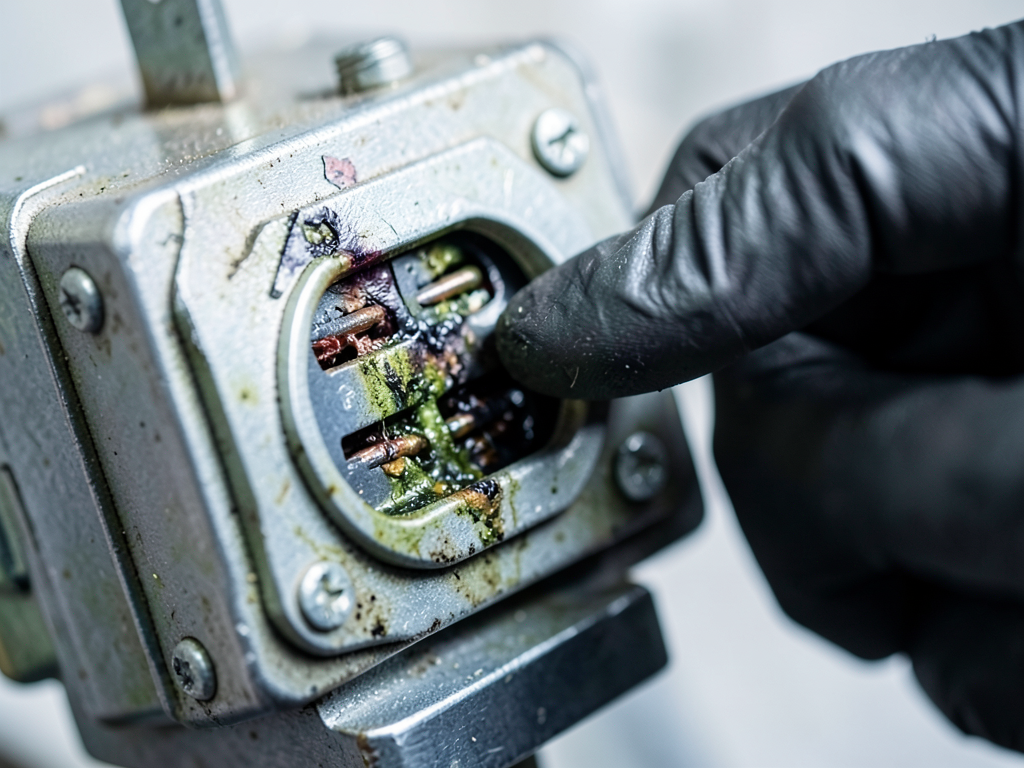
Orlando's combination of year-round cooling demand, intense UV exposure, and coastal humidity creates warranty scenarios that do not exist in other regions. Outdoor units face direct sunlight eight hours daily, degrading plastic components and control board coatings faster than equipment in shaded northern climates. Salt-laden air from coastal winds accelerates condenser coil corrosion, especially in areas east of Interstate 4. These environmental factors cause covered failures within the first five years more frequently than in drier climates. Manufacturers familiar with Florida operating conditions structure HVAC system warranty coverage differently than northern-focused brands.

Central Florida contractors understand how to document environmental damage in warranty claims so manufacturers approve coverage rather than deny claims as neglect. We photograph corrosion patterns, UV degradation, and storm damage in ways that demonstrate proper maintenance under harsh conditions. Local building departments require specific installation standards for hurricane resistance and flood protection that affect warranty eligibility. Contractors unfamiliar with Orange County codes make installation errors that void coverage. Our familiarity with regional distributor networks gets parts shipped from Florida warehouses rather than out-of-state facilities, cutting repair timelines in half during peak summer months.
HVAC Services in The Orlando Area

Summit proudly serves Orlando and surrounding Central Florida areas with fast, professional HVAC services. Whether you're in the heart of the city or in nearby neighborhoods, our technicians are just a call away. Use the map below to view our service area and plan your visit or consultation. We make it convenient to get expert help where and when you need it. Your comfort is always within reach with Summit.

Address:
Summit HVAC Orlando, 4700 Millenia BlvdOrlando, Orlando, FL, 32839

Additional Services We Offer

Our news updates

Latest Articles & News from The Blogs

How to prep your Lake Nona smart home HVAC system for a long summer vacation Heading to the beach or…

How to prep your Lake Nona smart home HVAC system for a long summer vacation

How to prep your Lake Nona smart home HVAC system for a long summer vacation Heading to the beach or…

Why your Winter Park home feels muggy even though the air conditioning is running

Why your Winter Park home feels muggy even though the air conditioning is running Your air conditioner runs nonstop but…

What to do when your AC starts blowing warm air in the middle of a Maitland heatwave

What to do when your AC starts blowing warm air in the middle of a Maitland heatwave Your AC is…

Contact Us

Stop guessing about your warranty coverage. Call Summit HVAC Orlando at (321) 463-7979 for a free warranty review. We verify your registration status, check your coverage details, and explain exactly what protection you have before you need it.