





Sanford sits in Central Florida's humid subtropical zone where summer temperatures routinely exceed 92 degrees with heat indices pushing 105 or higher. The combination of relentless humidity and extreme heat puts constant stress on air conditioning systems from May through October. Your AC runs nearly nonstop for six months, which accelerates wear on compressors, capacitors, and refrigerant lines.
Winter brings its own challenges. While freezing temperatures are rare, cold snaps dip into the 30s and 40s, forcing heating systems that sit idle most of the year to fire up suddenly. This on-off cycle strains heat strips and thermostats that haven't been tested in months. Homes near Lake Monroe and the St. Johns River face additional moisture challenges that promote mold growth in ductwork and condensation issues in attics.
Sanford's sandy soil and high water table also affect HVAC performance. Ground-level humidity seeps into crawl spaces and affects duct systems in older homes throughout historic downtown and established neighborhoods like Goldsboro and Georgetown. Air handlers in these areas work harder to dehumidify, which shortens equipment life. Regular maintenance becomes critical, not optional, in this climate. A small refrigerant leak or dirty coil that might be manageable up north becomes a system failure waiting to happen in Sanford's relentless summer heat.
Summit HVAC Orlando has built its reputation in Sanford by showing up when we say we will and fixing problems the first time. Too many HVAC companies send undertrained technicians who misdiagnose issues, leading to multiple service calls for the same problem. We invest heavily in ongoing training for our team, so they understand modern variable-speed systems, smart thermostats, and the specific challenges Florida humidity creates for indoor air quality.
Our technicians arrive in fully stocked trucks with the most common replacement parts already on board. That means we can complete most repairs during the first visit instead of ordering parts and coming back days later while you suffer through the heat. We also provide upfront pricing before any work begins. You'll know exactly what the repair costs before we touch your system, with no surprise charges or hidden fees when the job is done.
We've served the greater Sanford area for years, building relationships with homeowners who trust us to maintain their systems year after year. Our maintenance agreements prevent breakdowns before they happen by catching worn capacitors, low refrigerant levels, and dirty coils during scheduled tune-ups. This proactive approach saves our customers hundreds in emergency repair costs and extends equipment life by years.
When you call Summit HVAC Orlando, you're not getting a call center in another state. You're talking to our local dispatch team who knows Sanford's neighborhoods and can get a technician to your door fast. We understand that HVAC emergencies don't wait for business hours, which is why we offer true 24/7 emergency service with real technicians on call, not an answering service that takes messages.

Our dispatch team prioritizes emergency calls and sends the nearest available technician to your Sanford home within hours, not days. We keep crews on call 24/7 because we know Florida heat emergencies can't wait until Monday morning or after the holiday weekend.

You'll know the exact cost before we start work. No hourly rates that climb as the job drags on. No surprise charges for parts or labor. We diagnose the problem, quote the repair price, and get your approval before we proceed with any HVAC service.
Our technicians carry the most common HVAC parts in their trucks, including capacitors, contactors, thermostats, and refrigerant. This means we complete most repairs in one visit instead of ordering parts and scheduling a second appointment while your system stays broken.
We understand the specific HVAC challenges Sanford homeowners face, from humidity control near the lake to duct issues in older homes. Our technicians know which systems work best in Florida's climate and which shortcuts fail fast in this environment.
Summit HVAC Orlando handles every aspect of heating and cooling for Sanford homes and businesses. From emergency air conditioner breakdowns in the middle of summer to complete system replacements in older properties, we have the experience and equipment to handle projects of any size. Our service range covers everything from quick thermostat fixes to complex ductwork modifications in historic homes.
We organize our HVAC services around the three main ways customers need help. Some need emergency repairs when systems fail unexpectedly. Others need regular maintenance to prevent breakdowns and keep warranties valid. A third group needs expert guidance on replacing aging systems with modern, efficient equipment. Understanding these different needs helps us respond with the right technician, parts, and pricing structure for your specific situation.
Our technicians carry specialized tools for refrigerant recovery, leak detection, airflow measurement, and combustion analysis. We use digital manifolds and subcooling calculations instead of outdated pressure-only methods, which leads to more accurate diagnoses and longer-lasting repairs. For installations, we follow Manual J load calculations and Manual D duct design protocols, not the shortcuts that lead to undersized systems and comfort problems down the road.
Air conditioners break down at the worst possible times, usually during the hottest days when systems run nonstop. Our emergency repair service gets a technician to your door fast with the diagnostic tools and parts needed to restore cooling quickly. We handle compressor failures, refrigerant leaks, electrical problems, frozen coils, and blower motor issues. You'll get honest answers about whether repair makes sense or if replacement is the better investment for an aging system.
Regular maintenance extends equipment life and prevents expensive emergency repairs. Our tune-up service includes cleaning coils, checking refrigerant charge, testing capacitors, lubricating motors, and inspecting electrical connections. We catch small problems like worn contactors before they strand you without cooling on a 95-degree afternoon. Maintenance customers get priority scheduling and discounted rates on repairs. Most manufacturers also require annual maintenance to keep warranties valid.
When repair costs approach half the value of your system or your equipment is over 15 years old, replacement makes more financial sense. We perform proper load calculations to size equipment correctly for your home's square footage, insulation, and window exposure. Our installations include new linesets, updated electrical disconnects, proper refrigerant charge, and thorough airflow testing. We explain efficiency ratings, warranty coverage, and financing options so you can make an informed decision without sales pressure.
Sanford's climate creates specific HVAC challenges that wear out systems faster than in milder regions. The combination of extreme heat, high humidity, and systems that run for extended periods accelerates component failure. Homes built in different eras also face unique problems based on construction methods, insulation levels, and original equipment choices.
Older homes in downtown Sanford and established neighborhoods often have undersized ductwork that restricts airflow and forces systems to work harder. Original duct systems in homes from the 1960s and 1970s were designed for less efficient equipment and don't provide adequate return air for modern systems. Inadequate attic insulation also forces air conditioners to run longer cycles, which increases electricity costs and shortens equipment life.
Properties near Lake Monroe and the St. Johns River deal with elevated moisture levels that promote condensation problems and mold growth in duct systems. High humidity overwhelms air conditioners that are oversized for the space because they cool quickly but don't run long enough to remove moisture from the air. The result is a cold, clammy house that never feels comfortable despite low thermostat settings.
Ice buildup on indoor coils stops cooling and can damage compressors. Low refrigerant levels and restricted airflow from dirty filters cause most freeze-ups. The system must be shut down to thaw completely before we can diagnose and repair the underlying problem.
Capacitors start compressors and fan motors but fail frequently in Florida heat. A failed capacitor leaves you without cooling until replacement. These small components cause the majority of summer breakdowns, which is why we stock multiple sizes on every truck.
Oversized air conditioners cycle on and off too quickly to remove moisture. The house feels cold but clammy. Proper system sizing and longer run times solve this problem. Some homes benefit from dedicated dehumidification equipment that works with the AC.
Attic ducts develop leaks at connections and joints, dumping expensive cooled air into hot attic spaces. This forces systems to run longer and increases electric bills. Duct sealing and insulation improvements can reduce cooling costs by 20 percent or more.
We've built our service process around speed, transparency, and getting your HVAC system working right the first time. When you call with an air conditioning problem on a hot Sanford afternoon, you need action, not excuses. Our dispatch team gets technician availability in real time and commits to a specific arrival window, not vague promises about someone coming out eventually.
Before our technician knocks on your door, you'll receive a text message with their name, photo, and estimated arrival time. This lets you know exactly who to expect and when they'll arrive. Our technicians wear uniforms, carry photo identification, and drive clearly marked service vehicles. They'll protect your floors with shoe covers and set up their workspace to minimize disruption.
The diagnostic process starts with listening to your description of the problem. What changed? When did it start? What have you noticed? These details often point directly to the issue. The technician will then inspect your system thoroughly, testing components, checking refrigerant levels, measuring airflow, and examining electrical connections. Once they identify the problem, you'll receive a clear explanation of what failed, why it happened, and what it costs to fix. Only after you approve the price do we proceed with repairs.
You'll never wonder what's happening with your HVAC repair. Our technicians explain problems in plain language without jargon or technical terms meant to confuse. They'll show you the failed component, explain why it matters, and describe what happens if you delay the repair. You'll receive a written quote before any work begins, and we'll update you if anything changes during the repair process.
We arrive during the promised time window, not hours late with weak excuses. Our technicians work efficiently to complete repairs quickly without rushing through critical steps. They clean up their workspace completely, removing old parts and packaging materials. We treat your home with the same respect we expect for our own properties.
Our relationship doesn't end when the technician leaves. We stand behind our work with solid warranties on parts and labor. If you have questions about system operation or maintenance after the repair, call us. We'd rather answer questions than have you struggle with thermostat settings or worry about normal operating sounds.
We've streamlined our service process to get your cooling restored with minimum hassle. From your first call to final system testing, every step focuses on speed and accuracy.
Our technician arrives with professional diagnostic tools and years of experience troubleshooting Florida HVAC systems. They'll test components systematically to identify the exact failure point, not guess at solutions. You'll receive a clear explanation of what's wrong, what caused it, and what it costs to fix. We provide upfront flat-rate pricing before starting any repair work.
Once you approve the repair price, our technician proceeds with the fix using quality replacement parts from their stocked truck. They follow manufacturer specifications and industry best practices, not shortcuts that lead to callbacks. The repair includes thorough testing to confirm proper operation, correct refrigerant charge, and adequate airflow throughout your home.
After completing repairs, the technician tests your entire system to ensure everything works correctly. They'll verify thermostat operation, check temperature drop across coils, and make sure airflow feels strong at all vents. You'll receive warranty information covering parts and labor, plus guidance on maintenance steps that prevent future breakdowns.
Florida's building code and HVAC licensing requirements are among the strictest in the nation for good reason. The extreme climate and hurricane exposure demand systems that can handle sustained high-load operation and severe weather events. All HVAC work in Sanford requires proper permitting through Seminole County, and contractors must hold valid state licenses to pull those permits legally.
The Florida Building Code mandates specific installation practices that protect homeowners from substandard work. New installations require Manual J load calculations to properly size equipment for the home's cooling load. Oversizing systems by 20 or 30 percent, which was common practice decades ago, is no longer acceptable. Oversized units cycle on and off rapidly, failing to remove humidity and wasting energy. Proper sizing ensures equipment runs long enough to dehumidify while maintaining comfortable temperatures.
Refrigerant handling in Florida follows strict EPA regulations under Section 608 of the Clean Air Act. Technicians must hold valid EPA certification to purchase, handle, or dispose of refrigerants. They're required to recover refrigerant from systems before opening sealed components, preventing harmful releases into the atmosphere. R-22 refrigerant, which served air conditioners for decades, is now phased out and extremely expensive. Most R-22 systems over 10 years old make more financial sense to replace than repair when major components fail.
Ductwork installation and modification in Florida must follow Manual D design standards that account for friction loss, air velocity, and proper return air sizing. Undersized return ducts starve systems of airflow, reducing efficiency and shortening equipment life. Attic ducts require minimum R-6 insulation under Florida code, though R-8 performs better in our climate. Duct connections must be sealed with mastic or UL-181 rated tape, not standard duct tape which fails in attic heat.
The Florida statute 489 governs HVAC contractor licensing and requires specific experience levels before testing for licenses. This ensures contractors understand load calculations, refrigerant circuits, electrical requirements, and combustion safety before working unsupervised. Unlicensed handymen installing or repairing HVAC systems operate illegally and void manufacturer warranties. More importantly, their work often creates safety hazards from improper electrical connections, refrigerant leaks, or carbon monoxide risks.
Correct refrigerant levels require precise measurement using subcooling or superheat methods, not guessing with gauge pressures alone. Undercharging reduces capacity and efficiency. Overcharging damages compressors and waste money. We verify charge using manufacturer specifications and ambient temperature corrections for accurate results every time.
Repair pricing depends on failed component cost, labor complexity, and refrigerant type. Simple fixes like capacitors or contactors cost much less than compressor or coil replacement. Systems using discontinued R-22 refrigerant cost significantly more to recharge than modern 410A systems. We provide exact pricing before work begins so you can make informed decisions.
Most air conditioning repairs take two to four hours once the technician arrives with the correct parts. Component replacement is straightforward when we have parts on the truck. System replacements require one to two days depending on ductwork modifications, electrical upgrades, and equipment complexity.
All HVAC work in Sanford requires proper permits pulled by licensed contractors. Summit HVAC Orlando holds current state licensing and maintains liability insurance and workers compensation coverage. We pull permits for installations and major repairs, ensuring your work meets code and protects your property value and insurance coverage.
Professional HVAC repair guidance for Sanford, Florida homeowners covering common air conditioning problems, proper diagnostic procedures, and when to repair versus replace aging systems. Summit HVAC Orlando explains climate-specific challenges including humidity control, capacitor failures, frozen coils, and ductwork issues in Central Florida homes. The video details what homeowners should expect from qualified HVAC contractors and how Florida's building codes protect consumers.
Summit HVAC Orlando provides fast, reliable air conditioning and heating service throughout Sanford and the greater Seminole County area. Our service territory covers historic downtown Sanford along First Street and Park Avenue, where century-old homes present unique HVAC challenges with their high ceilings, original ductwork, and architectural details that complicate equipment placement. We've worked extensively in Goldsboro and Georgetown, established neighborhoods where mid-century homes often need duct modifications and system upgrades to handle modern cooling demands.
The residential communities along Lake Monroe's shoreline from Mellonville Avenue to Monroe Harbour Marina deal with elevated humidity levels that stress air conditioning systems year-round. Our technicians understand the moisture control strategies these waterfront properties require, from properly sized equipment to enhanced dehumidification solutions. We service homes throughout the Mayfair Country Club area and the newer subdivisions off Lake Mary Boulevard where modern construction standards provide better insulation but sometimes include undersized duct systems from builder-grade installations.
Our service area extends north into the Heathrow and Lake Mary communities along Interstate 4, where larger homes demand more sophisticated zoning systems and variable-speed equipment. These properties often feature two-story designs that create temperature imbalances between floors, requiring careful airflow balancing and sometimes supplemental equipment. We also serve DeBary and Deltona to the north, where sprawling single-story homes on larger lots present different challenges with long duct runs and equipment exposed to weather.
East Sanford communities along SR 46 toward Geneva sit in more rural settings where properties may have older equipment and limited electrical service that requires upgrades during system replacement. We handle the coordination with electricians and permitting for these comprehensive projects. To the south, we serve the Longwood border areas where Sanford transitions into newer development with modern construction standards.
Our technicians know Seminole County's permitting requirements, inspection protocols, and the specific HVAC challenges created by the region's sandy soil, high water table, and aggressive summer weather. We maintain fast response times across all Sanford neighborhoods because we position trucks strategically and dispatch the nearest available technician to your location. Whether you're in a historic downtown bungalow, a lakefront property, or a newer suburban subdivision, Summit HVAC Orlando delivers the same quality service and expert repairs that have built our reputation throughout Central Florida.
The $5000 rule helps you decide between repair or replacement. If your repair cost multiplied by your system age exceeds $5000, replacement makes more financial sense. For example, a $400 repair on a 10-year-old unit equals $4000, so repair it. A $600 repair on a 12-year-old system equals $7200, so replace it. In Sanford's humid climate, older units work harder and fail faster. Factor in rising energy bills and refrigerant costs when making your decision. This rule helps you avoid throwing money at a dying system.
HVAC job costs in Sanford vary widely based on scope. A simple repair like a capacitor replacement runs a few hundred dollars. Duct sealing or thermostat upgrades cost more. Full system replacements represent the highest investment. Central Florida's heat and humidity put extra strain on equipment, which affects repair frequency and complexity. Your home size, existing ductwork condition, and efficiency goals all influence final costs. Get multiple detailed estimates that include labor, permits, and disposal fees. Avoid choosing based solely on price.
An average HVAC system cost depends on your home size, efficiency rating, and equipment type. Basic single-stage units cost less than variable-speed systems with higher SEER ratings. In Sanford, you need equipment sized for extreme heat and high humidity, which affects pricing. Installation complexity matters too. Homes with existing ductwork cost less than new construction. Expect higher-efficiency systems to cost more upfront but save money long-term through lower electric bills. Factor in Sanford's climate when choosing SEER ratings for maximum comfort and efficiency.
The $5000 rule helps you decide between repair or replacement. If your repair cost multiplied by your system age exceeds $5000, replacement makes more financial sense. For example, a $400 repair on a 10-year-old unit equals $4000, so repair it. A $600 repair on a 12-year-old system equals $7200, so replace it. In Sanford's humid climate, older units work harder and fail faster. Factor in rising energy bills and refrigerant costs when making your decision. This rule helps you avoid throwing money at a dying system.
HVAC job costs in Sanford vary widely based on scope. A simple repair like a capacitor replacement runs a few hundred dollars. Duct sealing or thermostat upgrades cost more. Full system replacements represent the highest investment. Central Florida's heat and humidity put extra strain on equipment, which affects repair frequency and complexity. Your home size, existing ductwork condition, and efficiency goals all influence final costs. Get multiple detailed estimates that include labor, permits, and disposal fees. Avoid choosing based solely on price.
An average HVAC system cost depends on your home size, efficiency rating, and equipment type. Basic single-stage units cost less than variable-speed systems with higher SEER ratings. In Sanford, you need equipment sized for extreme heat and high humidity, which affects pricing. Installation complexity matters too. Homes with existing ductwork cost less than new construction. Expect higher-efficiency systems to cost more upfront but save money long-term through lower electric bills. Factor in Sanford's climate when choosing SEER ratings for maximum comfort and efficiency.
A 1200 square foot house in Sanford needs a 2 to 2.5 ton system. Costs vary based on efficiency ratings, brand, and installation complexity. Florida's heat demands proper sizing to handle humidity and prevent short cycling. Undersized units run constantly and fail early. Oversized units cycle too frequently and leave humidity behind. Your home's insulation, window quality, and sun exposure affect sizing requirements. A proper Manual J load calculation ensures accurate sizing for Sanford's climate. Higher SEER ratings cost more but reduce monthly electric bills.
A 4000 square foot house needs a 4 to 5 ton system or dual systems for proper zoning. Larger homes in Sanford often benefit from multiple units to handle varying loads and improve efficiency. Two-story homes face unique challenges with heat rising and creating temperature imbalances. Your home's age, insulation quality, and ductwork design significantly impact costs. Commercial-grade equipment may be necessary for homes this size. Proper load calculations prevent oversizing, which wastes money and creates humidity problems in Central Florida's climate.
The 3 minute rule prevents compressor damage after your AC shuts off. Wait at least 3 minutes before restarting your system. This allows refrigerant pressure to equalize throughout the system. Starting too soon forces the compressor to work against high pressure, which causes premature failure. In Sanford's climate where systems run constantly during summer, this rule protects your investment. Most modern thermostats have built-in delay timers. If your system short cycles or trips breakers frequently, you need professional diagnosis to prevent expensive compressor replacement.
HVAC systems last 10 to 15 years in Sanford's harsh climate. Constant heat and humidity accelerate wear on components. Systems in milder climates often last 15 to 20 years. Your system's lifespan depends on installation quality, maintenance frequency, and runtime hours. Units running year-round in Florida age faster than systems with seasonal use. Regular filter changes, annual tune-ups, and proper drainage extend equipment life. Coastal proximity adds salt air corrosion risk. If your system exceeds 12 years and needs major repairs, replacement often makes better financial sense.
HVAC technicians can earn $100,000 annually through experience, certifications, and specialization. Service managers, commercial specialists, and business owners reach this income level. In Sanford's growing market, skilled techs stay busy year-round due to constant cooling demands. Emergency service calls, overtime hours, and performance bonuses boost earnings. Advanced certifications in areas like heat pumps, refrigeration, or building automation increase value. Technicians who master troubleshooting complex systems and build strong customer relationships earn top pay. Business ownership offers the highest income potential through multiple revenue streams.
Common HVAC repairs in Sanford include capacitor failures, refrigerant leaks, and drainage clogs. High humidity causes drain line blockages and condensate pump failures. Contactor wear from constant use creates starting problems. Dirty coils reduce efficiency and freeze evaporator coils. Thermostat malfunctions cause comfort issues. Blower motor failures happen from continuous operation during Florida summers. Refrigerant leaks waste energy and reduce cooling capacity. Ductwork leaks in attics lose conditioned air to extreme heat. Regular maintenance catches these issues early before they become expensive failures requiring emergency service.
A 2000 square foot house in Sanford needs a 3 to 3.5 ton air conditioner. Exact sizing requires a Manual J load calculation that factors in insulation, windows, orientation, and occupancy. Florida's heat and humidity demand proper sizing to control both temperature and moisture. Ceiling height, attic insulation quality, and window efficiency affect tonnage needs. Homes with large south-facing windows or poor insulation need larger units. Oversizing creates humidity problems and higher bills. Undersizing causes constant runtime and poor comfort. Professional load calculations ensure proper equipment selection for Sanford's climate demands.
A 1200 square foot house in Sanford needs a 2 to 2.5 ton system. Costs vary based on efficiency ratings, brand, and installation complexity. Florida's heat demands proper sizing to handle humidity and prevent short cycling. Undersized units run constantly and fail early. Oversized units cycle too frequently and leave humidity behind. Your home's insulation, window quality, and sun exposure affect sizing requirements. A proper Manual J load calculation ensures accurate sizing for Sanford's climate. Higher SEER ratings cost more but reduce monthly electric bills.
A 4000 square foot house needs a 4 to 5 ton system or dual systems for proper zoning. Larger homes in Sanford often benefit from multiple units to handle varying loads and improve efficiency. Two-story homes face unique challenges with heat rising and creating temperature imbalances. Your home's age, insulation quality, and ductwork design significantly impact costs. Commercial-grade equipment may be necessary for homes this size. Proper load calculations prevent oversizing, which wastes money and creates humidity problems in Central Florida's climate.
The 3 minute rule prevents compressor damage after your AC shuts off. Wait at least 3 minutes before restarting your system. This allows refrigerant pressure to equalize throughout the system. Starting too soon forces the compressor to work against high pressure, which causes premature failure. In Sanford's climate where systems run constantly during summer, this rule protects your investment. Most modern thermostats have built-in delay timers. If your system short cycles or trips breakers frequently, you need professional diagnosis to prevent expensive compressor replacement.
HVAC systems last 10 to 15 years in Sanford's harsh climate. Constant heat and humidity accelerate wear on components. Systems in milder climates often last 15 to 20 years. Your system's lifespan depends on installation quality, maintenance frequency, and runtime hours. Units running year-round in Florida age faster than systems with seasonal use. Regular filter changes, annual tune-ups, and proper drainage extend equipment life. Coastal proximity adds salt air corrosion risk. If your system exceeds 12 years and needs major repairs, replacement often makes better financial sense.
HVAC technicians can earn $100,000 annually through experience, certifications, and specialization. Service managers, commercial specialists, and business owners reach this income level. In Sanford's growing market, skilled techs stay busy year-round due to constant cooling demands. Emergency service calls, overtime hours, and performance bonuses boost earnings. Advanced certifications in areas like heat pumps, refrigeration, or building automation increase value. Technicians who master troubleshooting complex systems and build strong customer relationships earn top pay. Business ownership offers the highest income potential through multiple revenue streams.
Common HVAC repairs in Sanford include capacitor failures, refrigerant leaks, and drainage clogs. High humidity causes drain line blockages and condensate pump failures. Contactor wear from constant use creates starting problems. Dirty coils reduce efficiency and freeze evaporator coils. Thermostat malfunctions cause comfort issues. Blower motor failures happen from continuous operation during Florida summers. Refrigerant leaks waste energy and reduce cooling capacity. Ductwork leaks in attics lose conditioned air to extreme heat. Regular maintenance catches these issues early before they become expensive failures requiring emergency service.
A 2000 square foot house in Sanford needs a 3 to 3.5 ton air conditioner. Exact sizing requires a Manual J load calculation that factors in insulation, windows, orientation, and occupancy. Florida's heat and humidity demand proper sizing to control both temperature and moisture. Ceiling height, attic insulation quality, and window efficiency affect tonnage needs. Homes with large south-facing windows or poor insulation need larger units. Oversizing creates humidity problems and higher bills. Undersizing causes constant runtime and poor comfort. Professional load calculations ensure proper equipment selection for Sanford's climate demands.
Summit proudly serves Orlando and surrounding Central Florida areas with fast, professional HVAC services. Whether you're in the heart of the city or in nearby neighborhoods, our technicians are just a call away. Use the map below to view our service area and plan your visit or consultation. We make it convenient to get expert help where and when you need it. Your comfort is always within reach with Summit.
Address:
Sanford, FL, 32771
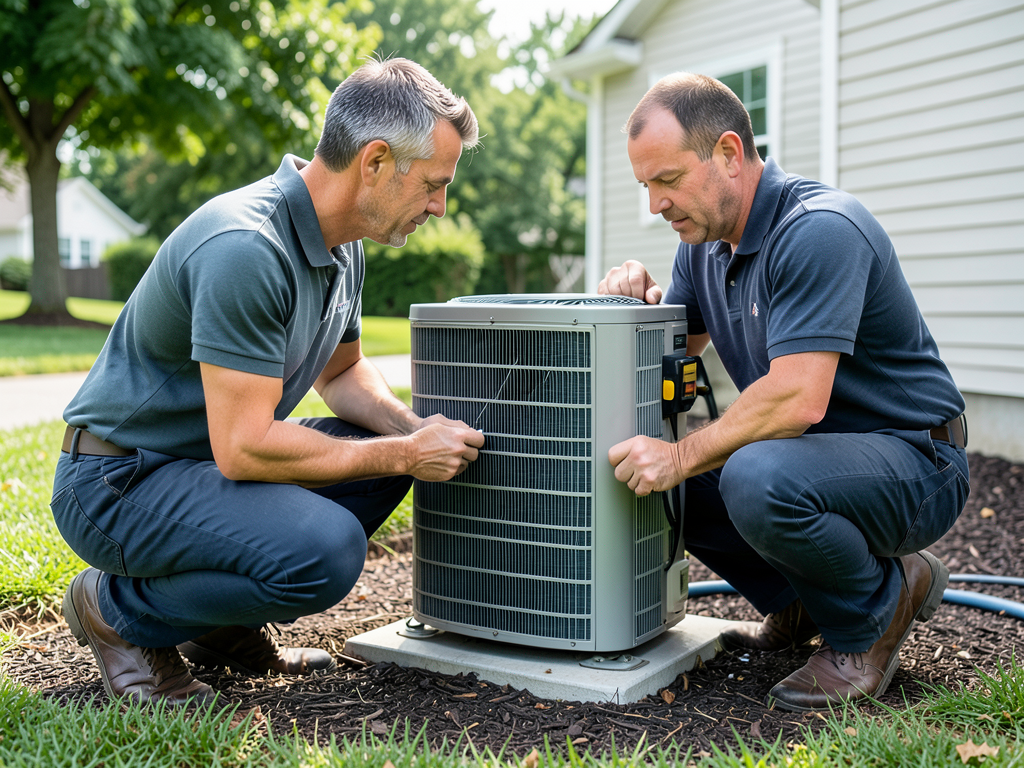
Your air conditioner's outdoor unit placement in Avalon Park directly impacts your monthly utility bills. In Orlando's intense heat and humidity, even a few feet of distance or a bit of shade can make a…
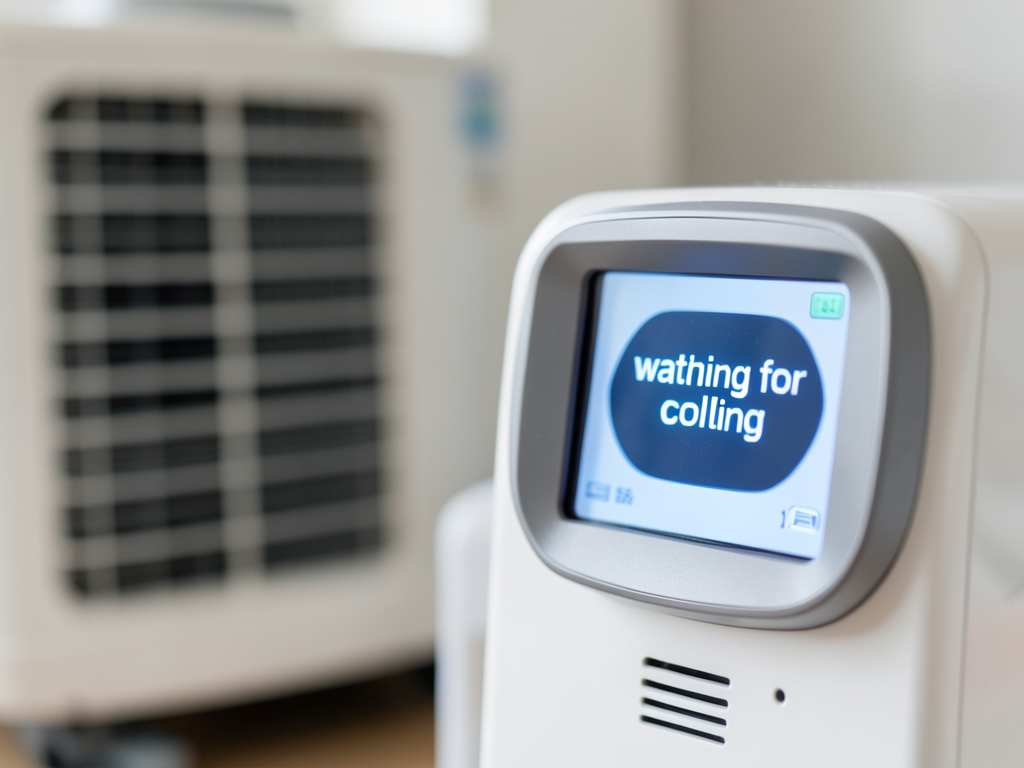
What to do if your St. Cloud thermostat says waiting for more than five minutes…
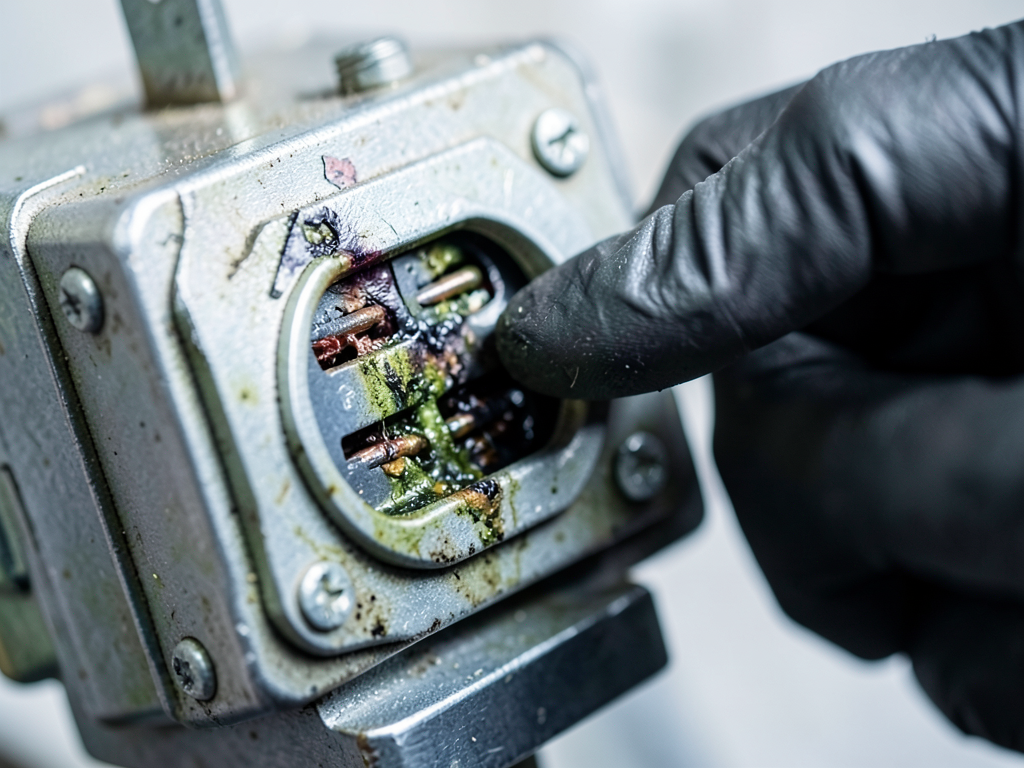
What it means when your Ocoee cooling system starts making a loud clicking sound Your…
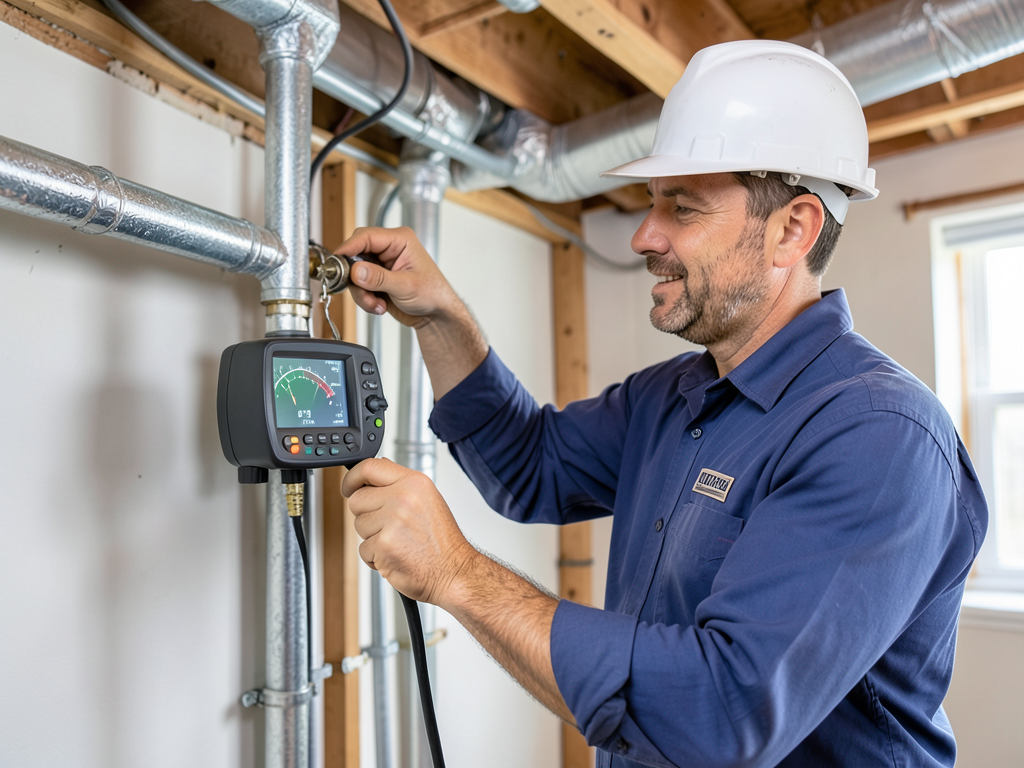
How to tell if your Celebration home builder installed the right size ductwork Your Celebration…
Don't suffer through another day without reliable air conditioning. Call Summit HVAC Orlando now at (321) 463-7979 for fast, professional HVAC service in Sanford. We'll diagnose your problem accurately, provide upfront pricing, and restore your comfort quickly.