




Rapid Response Cooling in Orlando – Emergency AC Repair Within 60 Minutes

When your air conditioning fails in Central Florida's relentless heat, you need rapid response cooling teams who dispatch immediately, diagnose accurately, and restore comfort before heat exhaustion becomes a real threat to your family.

Slider Image 1
Slider Image 2
Slider Image 3
Slider Image 4
Slider Image 5
Slider Image 7
Slider Image 8
Slider Image 9
Slider Image 10
Slider Image 11

When Your AC Dies in Orlando, Every Minute Counts

Orlando's brutal combination of 95-degree temperatures and 80 percent humidity creates dangerous indoor conditions within 30 minutes of AC failure. Your home becomes a sweatbox. Elderly family members face heat stress. Pets suffer. Medication spoils in bathroom cabinets.

You cannot wait until tomorrow. You need emergency AC repair now.

Central Florida's subtropical climate pushes cooling systems harder than almost anywhere in the country. When a compressor seizes or refrigerant lines leak, the indoor heat index climbs fast. What felt like 78 degrees at 9 AM feels like 95 degrees by noon with no airflow.

Urgent air conditioning service means more than just fixing your unit. It means stopping the cascade of problems that follow AC failure. Humidity climbs above 70 percent indoors. Mold spores activate in wall cavities. Wood furniture swells. Electronics overheat.

Orlando homeowners know the feeling. You flip the thermostat down. Nothing happens. The compressor stays silent. Panic sets in because you know how fast your house will become unbearable.

24/7 cooling repair exists because AC emergencies do not follow business hours. Systems fail at 11 PM on Saturday nights. They quit at 6 AM on Sunday mornings. They die during Fourth of July cookouts when your house is full of guests.

Immediate AC service is not about convenience. It is about safety. Heat-related illness sends hundreds of Central Florida residents to emergency rooms every summer. Most of those cases start at home with failed air conditioning and delayed repairs.

When you need rapid response cooling in Orlando, you need technicians who answer the phone, dispatch within minutes, and arrive with parts already loaded in the truck.

When Your AC Dies in Orlando, Every Minute Counts
How Emergency HVAC Cooling Works in High-Stress Situations

How Emergency HVAC Cooling Works in High-Stress Situations

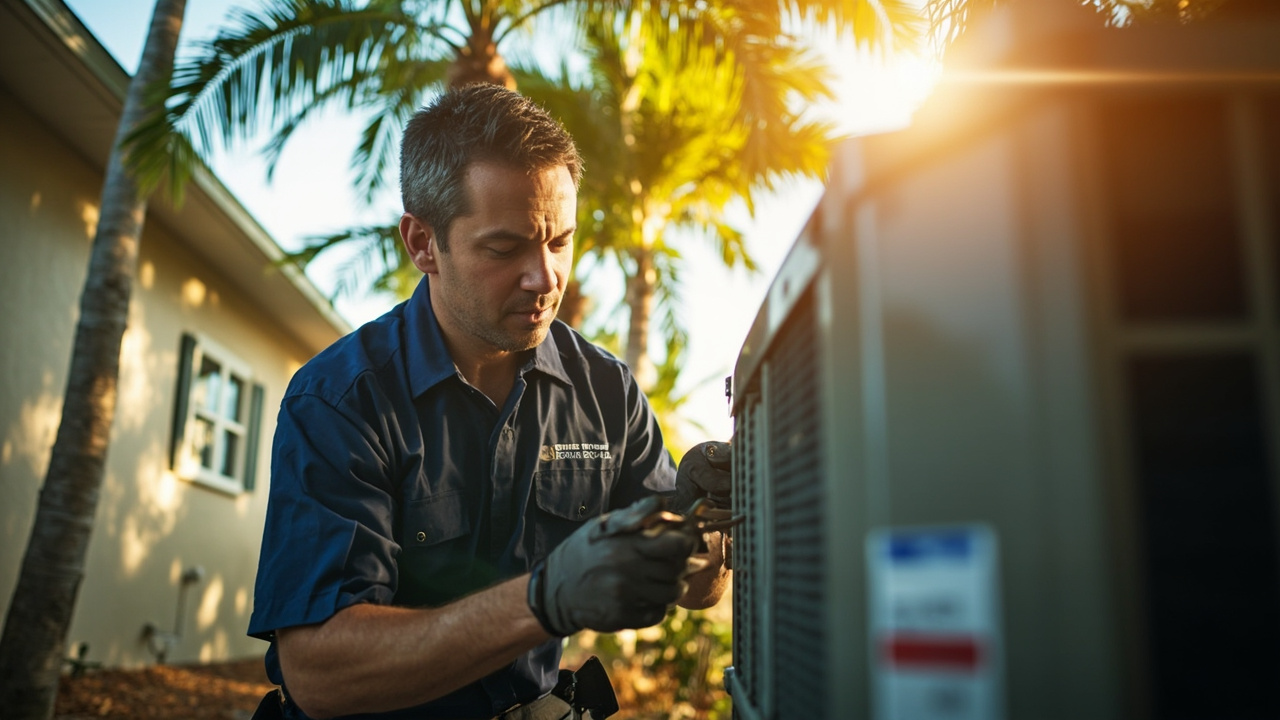
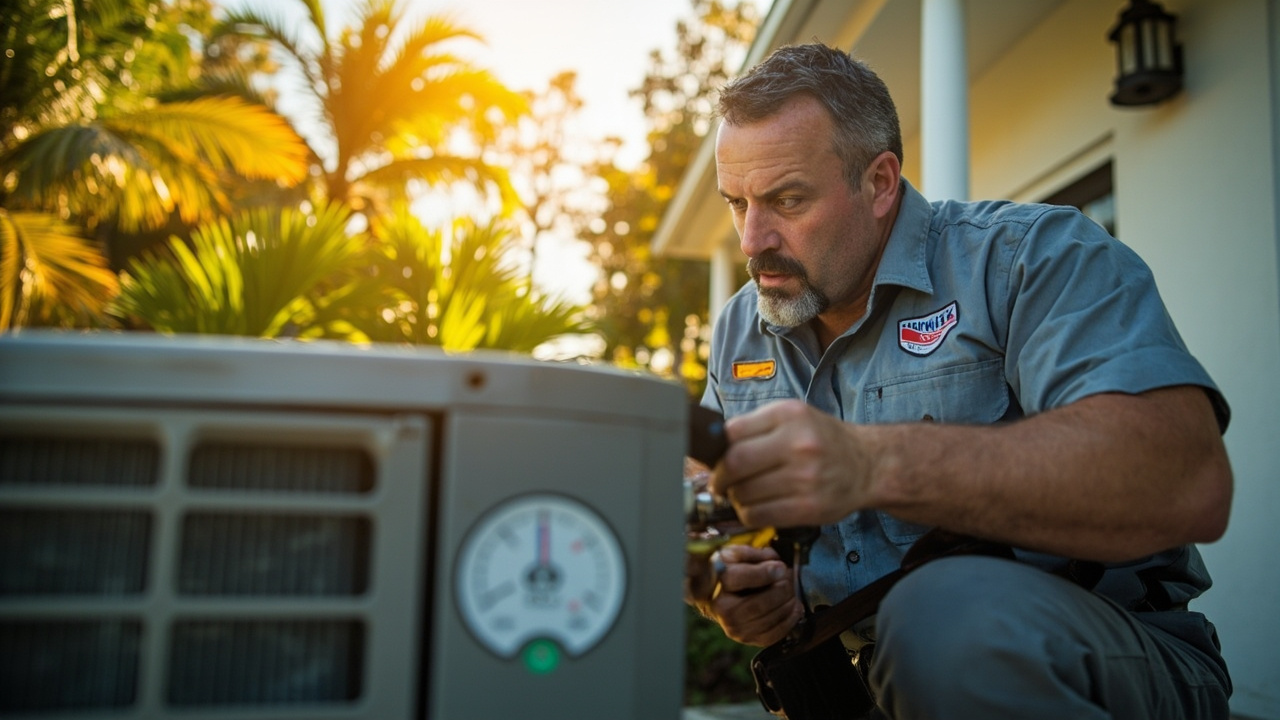
Most companies talk about emergency service. We practice it. Our rapid response cooling protocol begins the moment you call (321) 463-7979.

No phone trees. No voicemail. A live dispatcher answers, logs your address, and sends the nearest available technician. Our trucks carry diagnostic tools, refrigerant tanks, capacitors, contactors, and blower motors because we stock for Orlando's most common failure points.

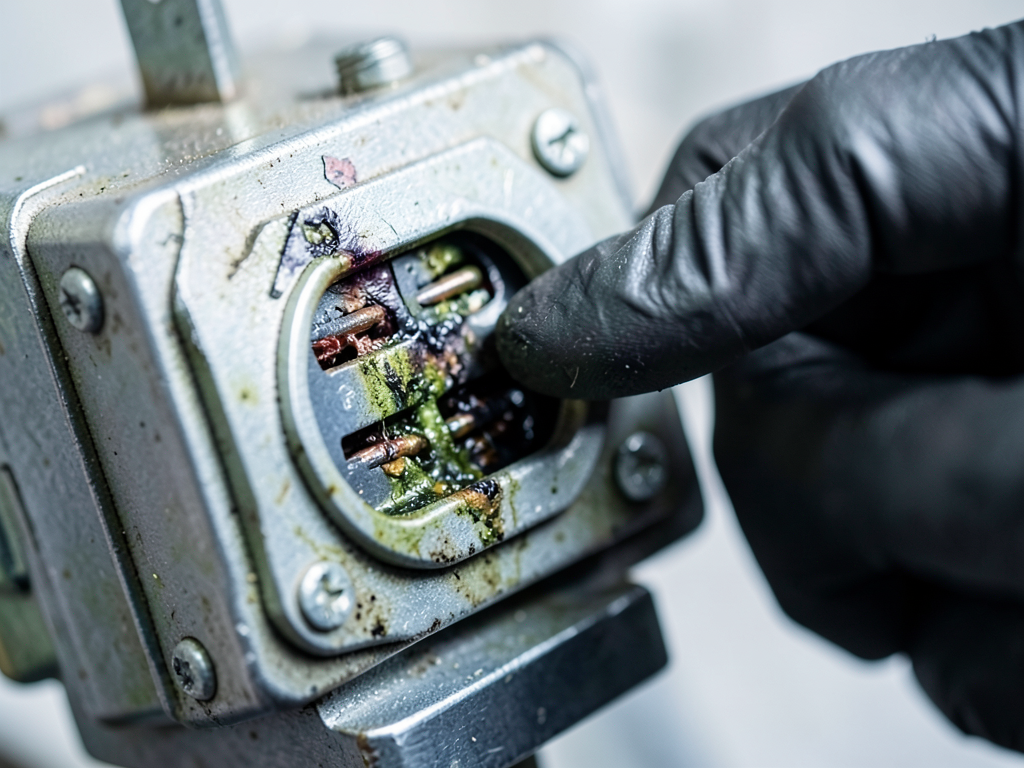
Orlando's sandy soil and constant ground moisture create unique electrical challenges. Condensate drain lines clog faster here than in drier climates. Contactor points corrode from humidity exposure. Capacitors fail early from heat cycling. We see these patterns daily, so we prepare for them.

Our technicians run full system diagnostics even during emergency calls. We measure superheat and subcool numbers. We check amperage draw on compressor windings. We test voltage at the disconnect box. This takes 12 minutes and prevents misdiagnosis.

Emergency AC repair does not mean sloppy shortcuts. It means working fast and working right. We isolate the failed component, confirm the diagnosis with a second measurement, then execute the repair. If your compressor seized, we tell you immediately. If you just need a $40 capacitor, we replace it and get you back online.

Summit HVAC Orlando technicians carry thermal cameras to spot hot spots in electrical panels. We use micron gauges during refrigerant recovery. We pressure-test repairs before we restore power. These tools separate professional emergency HVAC cooling from the guy who shows up with a screwdriver and a guess.

We document every emergency call with photos and diagnostic readings. You get a written report explaining what failed, why it failed, and what you can do to prevent future failures. Transparency matters when you are making repair decisions at 2 AM under stress.

Your Emergency Call to Comfort Restored

Rapid Response Cooling in Orlando – Emergency AC Repair Within 60 Minutes
01

Immediate Dispatch

You call our emergency line at (321) 463-7979 and speak with a dispatcher within two rings. We log your address, symptoms, and unit type. GPS routing identifies the closest available technician. You receive a text message with technician name, photo, and estimated arrival time within five minutes of your call. No waiting, no uncertainty.
02

Onsite Diagnostics

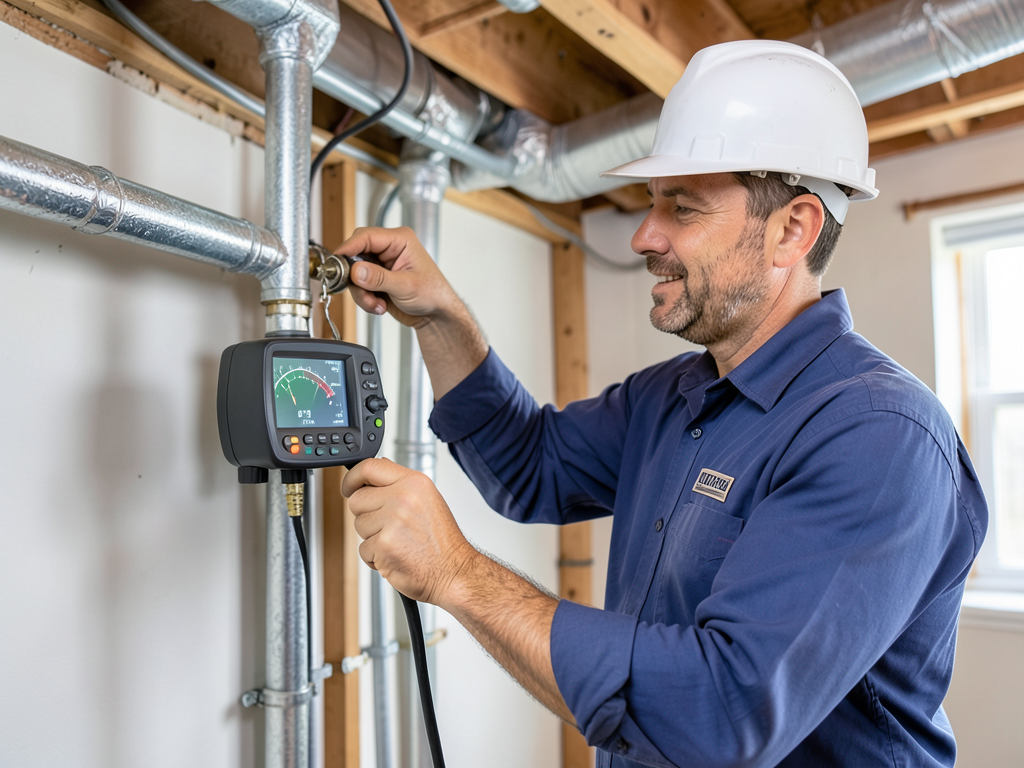
Our technician arrives with a fully stocked truck and runs a complete system analysis. We test voltage, measure refrigerant pressures, check capacitance, and inspect electrical connections. Thermal imaging reveals hidden problems. Digital manifold gauges provide exact refrigerant data. We identify the root cause and explain your options clearly before starting any repair work.
03

Restored Comfort

We execute the repair, test the system under load, and verify proper operation before we leave. You feel cold air within 30 minutes of repair completion. We clean up completely, answer your questions, and provide written documentation of all work performed. Your system runs correctly, your home cools down, and you can finally breathe easy again.

Why Orlando Trusts Us for Urgent Cooling Repairs

Central Florida HVAC work requires specific knowledge. Orlando's electrical code differs from other counties. Our permits get processed faster because inspectors know our work. We understand local humidity loads and size equipment correctly for the subtropical climate.

Many emergency AC companies dispatch undertrained technicians who cannot diagnose complex problems. They replace parts randomly, hoping something works. You pay for multiple service calls and still have no cool air. That approach fails here.

Summit HVAC Orlando technicians train continuously on residential and light commercial systems. We work on Trane, Carrier, Lennox, Goodman, Rheem, and American Standard units daily. We know the weak points in each model. When a Goodman compressor fails, we know whether the hard start kit was missing. When a Carrier evaporator leaks, we check for formicary corrosion caused by Central Florida's coastal air.

Our response time average sits at 47 minutes from call to arrival for emergency AC repair in the greater Orlando metro area. We cover Winter Park, Altamonte Springs, Maitland, Lake Mary, and Apopka without charging extra travel fees. Your emergency is our priority regardless of where you live.

We stock our trucks based on real failure data from thousands of Orlando service calls. Capacitors fail constantly here. We carry 30 different sizes. Blower motors seize from dust accumulation. We stock the six most common replacements. Contactor points weld shut from voltage spikes. We have them ready.

Honest pricing during emergencies separates professionals from predators. We provide upfront quotes before we start work. You approve the repair cost while your system is still broken. No surprise bills. No pressure tactics. Just clear information so you can make the right decision for your household.

Trust matters when you are letting someone into your home at midnight. Our technicians wear identification badges, drive marked vehicles, and respect your property. We use drop cloths, clean up completely, and treat your home the way we would treat our own.

What Happens When You Call for Emergency Cooling

Arrival Time and Availability

We answer emergency calls 24 hours a day, seven days a week, including holidays. Dispatch confirms your location and sends the nearest technician immediately. Average arrival time runs 45 to 60 minutes depending on traffic and your location within the Orlando metro area. You receive real-time text updates with technician location and estimated arrival. No automated systems. No callbacks tomorrow. Live help when you need it most. Our trucks stay fueled and stocked so we can respond without delays. Weekend and holiday rates remain reasonable because we do not exploit emergencies.

Diagnostic Process

Every emergency call starts with a complete system evaluation. We check thermostat settings, circuit breakers, and disconnect switches first to rule out simple issues. Then we move to the outdoor unit. We measure voltage, check capacitance, test compressor windings, and verify refrigerant pressures. Indoor inspection includes blower operation, evaporator coil condition, and drain line status. Thermal imaging spots electrical hot spots. Digital gauges provide exact superheat and subcool readings. This process takes 15 to 20 minutes and ensures accurate diagnosis. You see the problem on our diagnostic screen and understand what failed before we discuss repair options.

Repair Quality and Results

We carry OEM and high-quality aftermarket parts for immediate installation. Capacitors, contactors, blower motors, and transformers get replaced on the spot. Refrigerant leaks get brazed properly with nitrogen purge, not quick-sealed with leak stop products that destroy compressors. We pressure-test repairs, pull vacuum to 500 microns, and recharge to manufacturer specifications using digital scales. Your system gets tested under load before we leave. You feel cold air blowing within 30 minutes of repair completion. If we cannot fix the problem that night, we explain why and schedule priority service for first thing the next morning. You never pay for incomplete work.

Service Documentation

You receive a detailed service report documenting all diagnostic findings, parts replaced, and measurements taken during the repair. Photos show the failed component and the completed installation. Refrigerant pressures, voltage readings, and amperage draws get recorded for future reference. This documentation helps you track system performance and provides proof of proper repair if you ever need it for warranty claims or home sale disclosures. We also provide maintenance recommendations based on what we found during the emergency call. If your filter was clogged or your condenser coil was dirty, we note it clearly so you can prevent future failures.

Frequently Asked Questions

You Have Questions,
We Have Answers

What is the $5000 AC rule? +

The $5000 AC rule refers to a rough cost threshold where replacing your air conditioner makes more sense than repairing it. If your repair estimate plus the age of your unit (in years) multiplied by $100 exceeds $5000, replacement is smarter. For example, a 10-year-old system needing a $4000 compressor repair equals $5000, so replace it. In Orlando's brutal humidity and heat, older units work harder and fail faster. If your system is over 12 years old and facing major repairs, replacement saves you money long-term on energy bills and prevents future breakdowns during peak summer.

What is the 3 minute rule for AC? +

The 3-minute rule for AC protects your compressor from damage. After your system shuts off, wait at least 3 minutes before restarting it. This allows refrigerant pressure to equalize throughout the system. Restarting too quickly forces the compressor to start against high pressure, which strains the motor and shortens its life. If your thermostat keeps short-cycling (turning on and off rapidly), you have a bigger problem. This often signals a failing capacitor, refrigerant leak, or frozen evaporator coil. In Orlando's constant heat, short-cycling wastes energy and breaks down your system faster.

How cool should my house be if it's 100 outside? +

If it's 100 degrees outside in Orlando, your house should stay around 75 to 78 degrees with a properly sized AC system. Most residential units can cool 15 to 20 degrees below outdoor temperature in extreme heat. Pushing your thermostat lower forces your system to run continuously without reaching the setpoint, which wastes energy and stresses components. Orlando's high humidity makes cooling harder because your system must remove moisture and heat. If your house stays above 80 degrees during peak afternoon heat, you need a system inspection for refrigerant leaks, airflow problems, or undersized equipment.

How much do HVAC technicians charge per hour? +

HVAC technicians in Orlando charge between $75 and $150 per hour for service calls, with most companies averaging $100 to $125. Emergency after-hours or weekend rates run higher, often $150 to $200 per hour. Many companies charge a flat diagnostic fee (typically $75 to $100) that gets applied to the repair if you move forward. Rates vary based on experience, certification level, and repair complexity. Commercial HVAC work costs more due to larger systems and specialized equipment. Be cautious of unusually low rates, which often signal unlicensed contractors or bait-and-switch pricing tactics common in Central Florida.

Can I write off my new AC unit on my taxes? +

You can write off a new AC unit on your taxes only in specific situations. If you work from home and use a dedicated home office space, you may deduct a portion through home office expenses. Rental property owners can depreciate HVAC replacement costs over 27.5 years or take advantage of Section 179 deductions for qualifying improvements. If your new system qualifies for federal energy efficiency tax credits (check IRS guidelines), you can claim those directly. Medical necessity deductions exist but require strict documentation. For most Orlando homeowners, AC replacement is not tax-deductible as a personal expense. Consult a tax professional for your situation.

Is a 3 ton AC too big for 1500 square feet? +

A 3-ton AC is not too big for 1500 square feet in Orlando. Standard sizing calls for 1 ton per 400 to 600 square feet, but Florida's extreme heat and humidity require larger capacity. A 3-ton unit (36,000 BTU) suits 1500 square feet well, especially with high ceilings, large windows, or poor insulation. Oversizing becomes a problem when you install a 4 or 5-ton unit in that space, causing short-cycling and poor humidity control. Undersizing is worse in Orlando because your system runs constantly and never cools properly. Proper load calculations factor in insulation, window orientation, and ductwork design.

How do the amish keep cool in the summer? +

The Amish keep cool in summer using passive strategies like thick stone walls, high ceilings, and cross-ventilation through strategically placed windows. They create shade with large porches and deciduous trees planted on the south side of homes. Many use basements as cool refuges during peak heat. They wear lightweight, breathable fabrics and adjust their work schedules to avoid midday heat. Some communities allow battery-powered fans or gas-powered cooling systems. While these methods work in Pennsylvania's moderate climate, they would fail in Orlando's extreme heat and humidity. Modern air conditioning is not a luxury here but a health necessity for safe indoor temperatures.

How long should your AC run on a 100 degree day? +

Your AC should run 15 to 20 minutes per cycle on a 100-degree day in Orlando, cycling on and off every hour or so. During extreme afternoon heat (2 p.m. to 6 p.m.), expect near-continuous operation to maintain your setpoint. If your system runs nonstop for hours without reaching temperature, you have a problem: low refrigerant, dirty coils, blocked airflow, or undersized equipment. A properly maintained system handles Orlando's heat efficiently. If your unit never stops running and your house stays warm, call for emergency service. Continuous operation without cooling signals compressor failure or major refrigerant loss.

Why is my AC set at 74 but reads 78? +

If your AC is set at 74 but reads 78, your system cannot keep up with the cooling demand. Common causes include low refrigerant from a leak, a failing compressor, dirty evaporator coils, or blocked return airflow. In Orlando's afternoon heat, undersized systems struggle to reach setpoint during peak hours (2 p.m. to 6 p.m.) but catch up later. Check your air filter first. A clogged filter chokes airflow and kills cooling capacity. If the problem persists overnight when outdoor temperatures drop, you need professional diagnosis. Refrigerant leaks and compressor failures worsen quickly in Florida's heat.

How long does it take to cool a house from 80 to 70? +

Cooling a house from 80 to 70 degrees takes 1 to 3 hours depending on system size, insulation, and outdoor temperature. In Orlando's heat, expect closer to 2 to 3 hours if you've turned off your AC during the day. Your system removes about 3 to 5 degrees per hour under normal conditions. If recovery takes longer than 4 hours, your AC has a problem: low refrigerant, dirty coils, or inadequate capacity. Letting your house warm up to 80 degrees daily wastes more energy than maintaining a steady 75 to 76 degrees because your system works harder during recovery.

Why Orlando's Humidity Makes Rapid Response Cooling Critical

Central Florida's subtropical climate combines extreme heat with crushing humidity levels that create dangerous indoor conditions within one hour of AC failure. Orlando averages 235 days per year above 85 degrees with relative humidity above 70 percent. When your cooling system fails, indoor temperatures spike fast, but humidity climbs even faster. Mold spores activate at 60 percent relative humidity. By the time your house reaches 80 percent humidity, active mold growth begins in wall cavities, under baseboards, and inside ductwork. Immediate AC service prevents long-term mold damage that costs thousands to remediate. The sooner we restore cooling, the less secondary damage your home suffers.

Summit HVAC Orlando understands the unique mechanical stress that Central Florida weather places on cooling equipment. Systems here run 3,000 to 4,000 hours per year compared to 1,500 hours in northern climates. That constant runtime accelerates wear on compressors, blower motors, and capacitors. We see failure patterns specific to Orlando. Condensate drain lines clog from algae growth in humid conditions. Contactor points corrode from salt air carried inland from the coast. Evaporator coils leak from formicary corrosion caused by formaldehyde off-gassing in new construction. Our emergency technicians recognize these local failure modes immediately and carry the right parts to fix them. Experience with Orlando's climate makes the difference between a proper repair and a temporary patch.
HVAC Services in The Orlando Area

Summit proudly serves Orlando and surrounding Central Florida areas with fast, professional HVAC services. Whether you're in the heart of the city or in nearby neighborhoods, our technicians are just a call away. Use the map below to view our service area and plan your visit or consultation. We make it convenient to get expert help where and when you need it. Your comfort is always within reach with Summit.

Address:
Summit HVAC Orlando, 4700 Millenia BlvdOrlando, Orlando, FL, 32839

Additional Services We Offer

Our news updates

Latest Articles & News from The Blogs

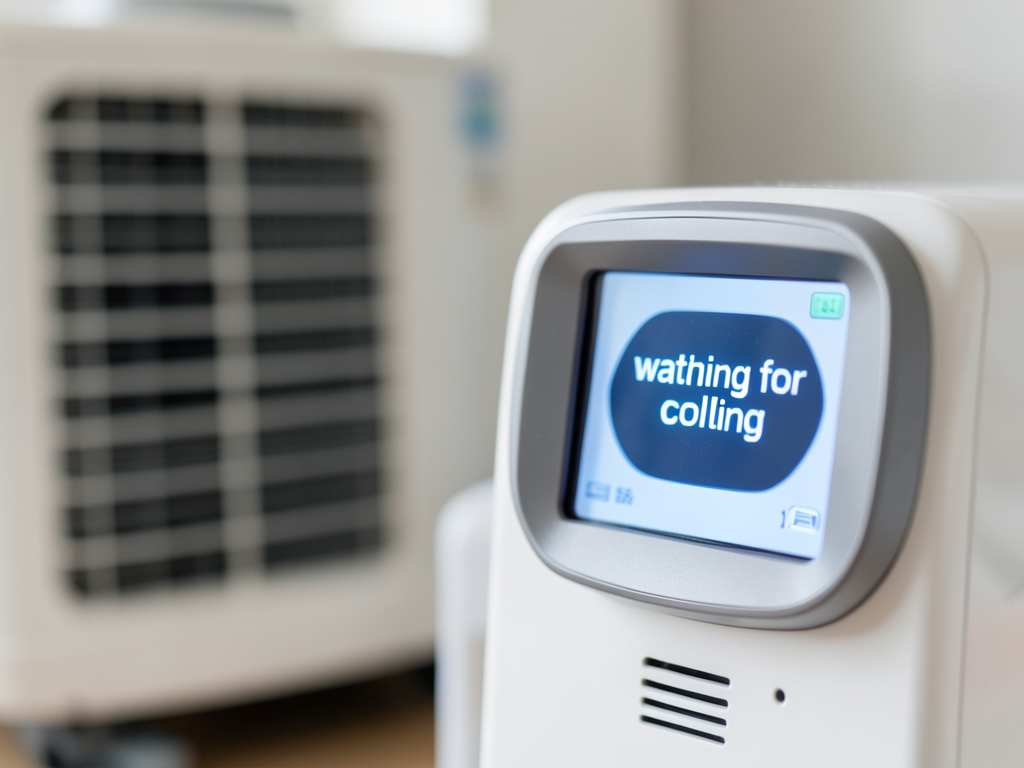
What to do if your St. Cloud thermostat says waiting for more than five minutes Your thermostat displays 'waiting for…

What to do if your St. Cloud thermostat says waiting for more than five minutes

What to do if your St. Cloud thermostat says waiting for more than five minutes Your thermostat displays 'waiting for…

What it means when your Ocoee cooling system starts making a loud clicking sound

What it means when your Ocoee cooling system starts making a loud clicking sound Your outdoor AC unit should hum…

How to tell if your Celebration home builder installed the right size ductwork

How to tell if your Celebration home builder installed the right size ductwork Your Celebration home should feel comfortable year-round.…

Contact Us

Your family should not suffer through another hour of oppressive heat. Call Summit HVAC Orlando now at (321) 463-7979 for rapid response cooling that restores comfort fast. Our emergency technicians are standing by with fully stocked trucks ready to dispatch to your location immediately.