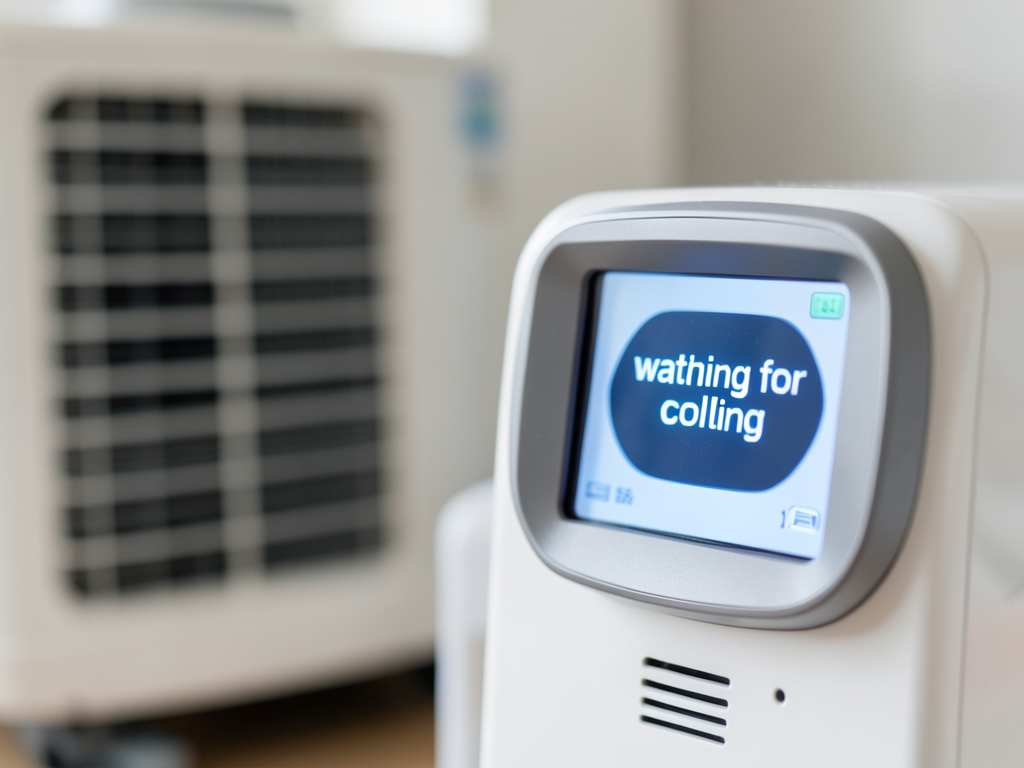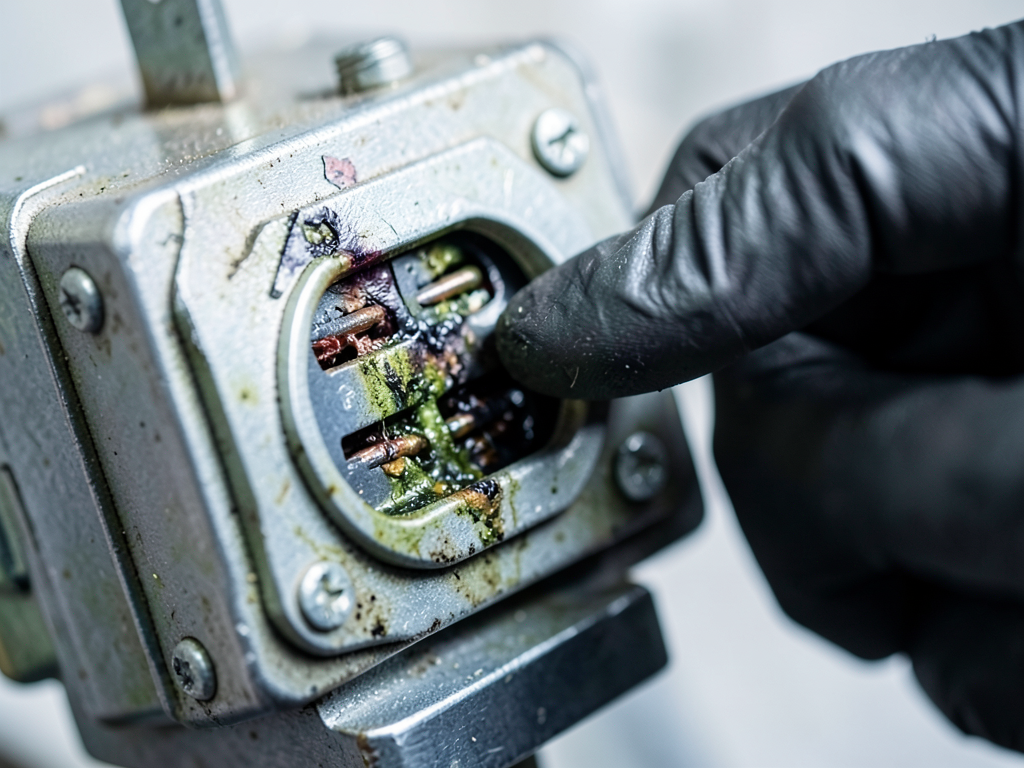








Orlando equipment operates under stress that northern climates never experience. Your air conditioning runs eight to ten months every year. Gas furnaces cycle on during brief cold snaps, then sit dormant for months. This intermittent heating creates conditions where carbon monoxide problems go unnoticed. A cracked heat exchanger discovered in January has been leaking all winter. Water heaters work overtime in Florida's humidity, creating more opportunities for incomplete combustion and vent deterioration. The constant temperature swings between air-conditioned interiors and outdoor heat accelerate metal fatigue in heat exchangers and flue pipes.
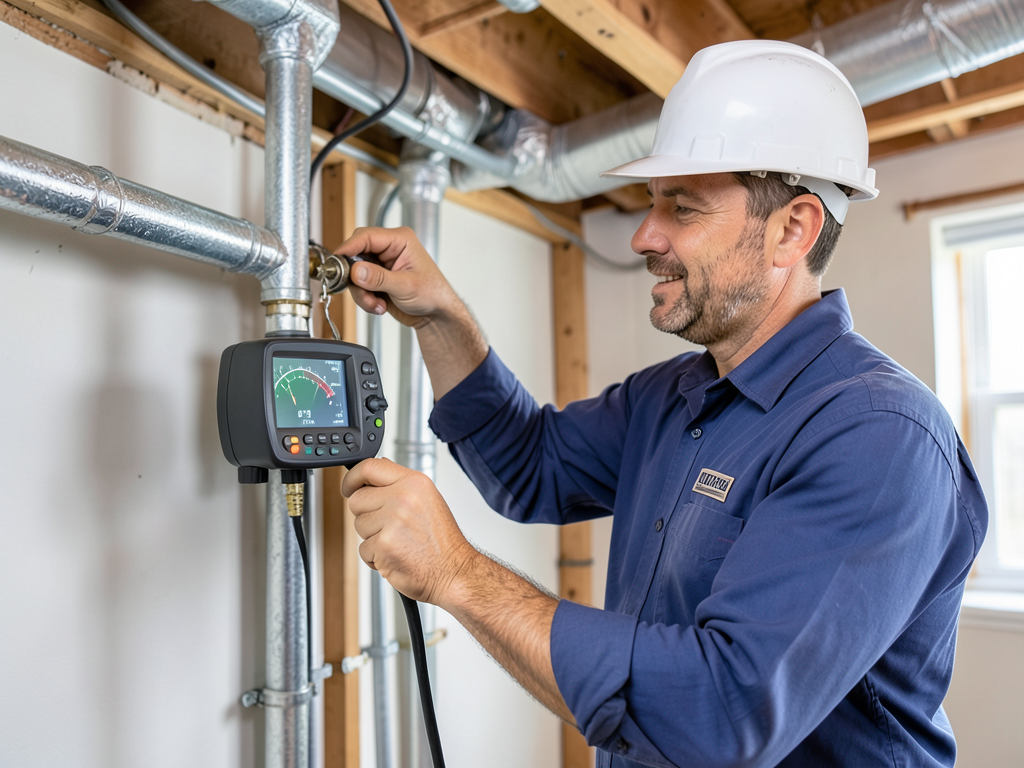
Central Florida's building codes evolved to address specific regional challenges. Venting requirements account for high humidity and minimal temperature differential between indoor and outdoor air. Inspectors understand how Orlando's flat terrain and lack of elevation affect draft pressure. Local HVAC professionals know which equipment models handle humidity without corroding prematurely. They understand how the region's hard water affects gas water heaters and creates conditions that increase CO production. Choosing a company familiar with Orange County's inspection processes and permitting requirements ensures compliance and safety. This local expertise matters when protecting your family from carbon monoxide exposure.