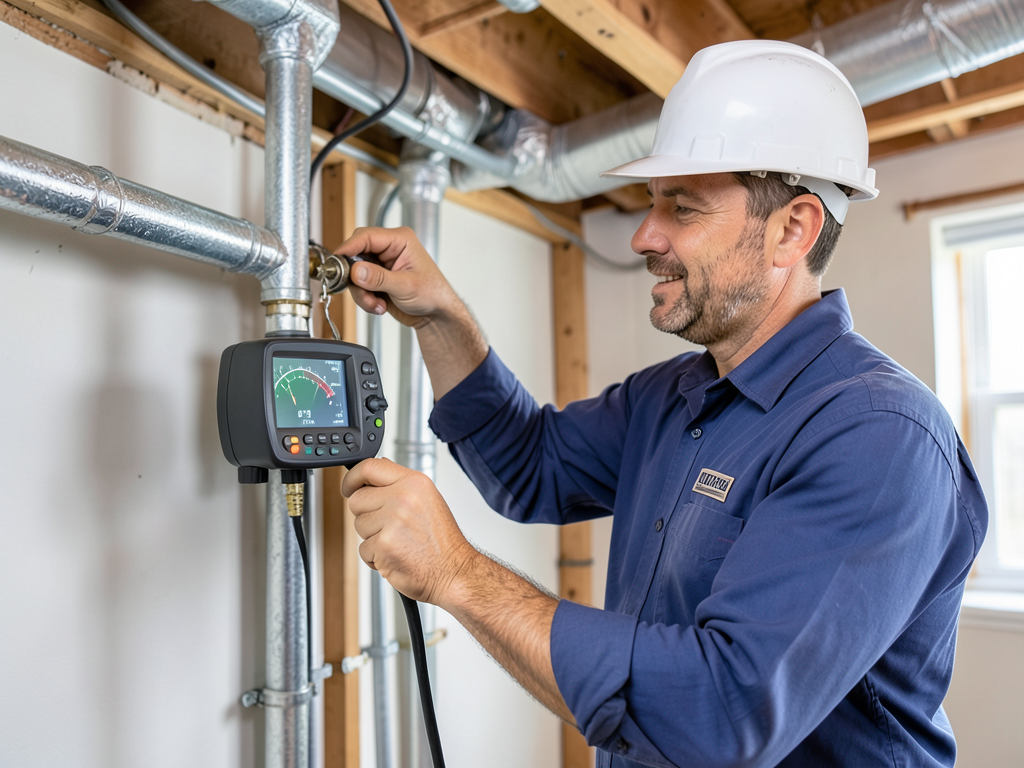








Building Automation Systems in Orlando – Reduce Operating Costs and Prevent Unplanned Downtime

Deploy Enterprise-Grade Building Management Systems with Direct Digital Controls That Keep Your Orlando Facility Running at Peak Performance While Cutting Energy Waste and Maintenance Expenses

Slider Image 1
Slider Image 2
Slider Image 3
Slider Image 4
Slider Image 5
Slider Image 7
Slider Image 8
Slider Image 9
Slider Image 10
Slider Image 11

Why Orlando Commercial Facilities Can't Afford Outdated Building Control Systems

Your Orlando facility operates in a climate that punishes inefficiency. When Central Florida humidity hovers at 75 percent year-round and cooling loads dominate 10 months of the year, a commercial building without integrated Building Management Systems burns money every hour. Outdated thermostats, manual scheduling, and disconnected HVAC zones force equipment to work harder than necessary. Compressors cycle too frequently. Airflow remains unbalanced. Energy waste compounds daily.

Commercial facilities across the Orlando metro face a recurring problem. Equipment fails during peak occupancy because nobody monitors runtime trends or refrigerant pressures in real time. A hotel loses guests when the third floor overheats at 3 PM. A medical office reschedules patients because exam rooms hit 80 degrees. A warehouse manager discovers a failed rooftop unit only after product damage occurs. These failures stem from the same root cause: no centralized visibility into how Building Control Systems actually perform.

The business cost extends beyond discomfort. Florida building codes require specific ventilation rates and humidity control in commercial spaces. Manual oversight cannot maintain compliance across multiple zones, multiple air handlers, and fluctuating occupancy patterns. When inspectors audit your facility, they expect verifiable data showing that your Commercial HVAC Controls maintain required conditions continuously. Paper logs and best guesses do not satisfy code enforcement.

Energy Management Systems address these vulnerabilities by giving you command over every variable that affects building performance. Direct Digital Controls replace guesswork with measurable precision. You gain the ability to track, adjust, and optimize HVAC performance from a single interface, reducing both energy consumption and the likelihood of catastrophic equipment failure during business hours.

Why Orlando Commercial Facilities Can't Afford Outdated Building Control Systems
How Summit HVAC Orlando Engineers Building Automation Systems for Maximum Uptime

How Summit HVAC Orlando Engineers Building Automation Systems for Maximum Uptime

We deploy Building Automation Systems by mapping your facility's actual load profile, not by installing generic templates. Our technicians audit your existing equipment, document zone requirements, and identify control points that directly affect occupant comfort and operational cost. We measure current amperage on rooftop units, verify airflow at each VAV terminal, and test economizer dampers for proper modulation. This diagnostic baseline determines which control strategies will deliver the highest ROI for your specific building.

Once we understand your facility, we design a control architecture using Direct Digital Controls that integrate with your existing HVAC infrastructure. We install sensors at critical points: return air temperature, supply air pressure, refrigerant superheat, and outdoor air intake. These sensors feed real-time data to programmable controllers that adjust equipment output based on actual demand, not fixed schedules. If occupancy drops in the east wing, the system reduces airflow and raises setpoints automatically. If humidity spikes after a afternoon thunderstorm, the system modulates dehumidification without manual intervention.

Our Commercial HVAC Controls connect to a central interface accessible from any device with network access. You see live equipment status, runtime logs, and alarm notifications in a single dashboard. When a rooftop unit shows abnormal suction pressure, the system alerts your maintenance team before the compressor fails. When a zone drifts outside setpoint parameters, you identify the root cause in minutes instead of waiting for tenant complaints.

We program custom control sequences tailored to your operational needs. A medical facility requires tighter humidity tolerances than a warehouse. A hotel needs dynamic scheduling that adjusts for check-in surges. A retail center benefits from demand-based ventilation that scales with foot traffic. These distinctions matter. Generic Building Management Systems ignore them. We build control logic that reflects how your facility actually operates, ensuring that automation enhances efficiency without sacrificing comfort or compliance.

What Happens When Summit HVAC Orlando Implements Your Building Automation System

Building Automation Systems in Orlando – Reduce Operating Costs and Prevent Unplanned Downtime
01

Facility Assessment and Load Analysis

We begin by walking your facility with a focus on HVAC capacity, zone distribution, and current control methods. Our technicians document equipment nameplates, measure electrical loads, and test existing sensors for accuracy. We interview your maintenance staff to understand recurring issues and manual workarounds. This assessment reveals where automation delivers the greatest impact, whether that means optimizing scheduling, improving economizer operation, or adding remote monitoring to critical equipment. You receive a detailed report outlining recommended control points and expected efficiency gains.
02

System Design and Integration

Our engineers design a Building Automation System architecture that integrates with your existing infrastructure without requiring full equipment replacement. We select Direct Digital Controls compatible with your air handlers, chillers, and rooftop units. We specify sensor locations, network topology, and user interface requirements based on your operational priorities. The design includes wiring schematics, control sequences, and a commissioning plan that minimizes disruption to your business. You approve the design before we order components or schedule installation. We coordinate work during off-hours or phased implementation to keep your facility operational.
03

Commissioning and Operator Training

After installation, we commission the system by verifying that every control loop performs as designed. We test sensor calibration, confirm setpoint accuracy, and validate alarm thresholds under actual operating conditions. We run your facility through different occupancy scenarios to ensure the Energy Management Systems respond appropriately to changing loads. Once the system passes functional testing, we train your staff on the user interface, showing them how to adjust schedules, override zones, and interpret diagnostic data. You receive documentation covering system architecture, control sequences, and troubleshooting procedures for future reference.

Why Orlando Facility Managers Choose Summit HVAC Orlando for Building Control Systems

Commercial buildings in the Orlando area operate under specific challenges that demand local HVAC expertise. High humidity combined with aggressive cooling loads creates conditions where improper dehumidification leads to mold growth and indoor air quality complaints. Building Automation Systems must account for these variables by integrating humidity sensors with cooling sequences, something generic installations often overlook. We understand that Florida's climate requires year-round latent load management, not just temperature control.

Orlando's commercial building stock spans everything from legacy structures in downtown's business district to new construction near Lake Nona's Medical City. Each building type requires a different control approach. Older facilities with pneumatic controls need retrofitting strategies that preserve existing ductwork while adding digital precision. New construction demands native BACnet integration with advanced features like demand-controlled ventilation and predictive maintenance algorithms. Summit HVAC Orlando has deployed Building Management Systems across this spectrum, giving us the experience to match technology with building age and operational requirements.

We also recognize that Florida's electrical rates and demand charges make energy efficiency a financial imperative. Facilities that fail to manage peak demand pay significantly higher utility bills, even if total consumption remains moderate. Our Energy Management Systems include load-shedding routines that reduce peak electrical draw during utility rate spikes without compromising occupant comfort. We program these sequences based on your specific rate structure and operational constraints, ensuring that automation translates into measurable cost savings every billing cycle.

Local code compliance matters. Orange County enforces mechanical codes that require specific ventilation rates, refrigerant management, and emergency shutoff protocols. Our technicians stay current with these requirements and program Commercial HVAC Controls to maintain compliance automatically. When you face an inspection, your Building Automation System provides the data logs and documentation that code officials expect. You avoid violations, fines, and the business disruption that comes with compliance failures.

What You Get with Summit HVAC Orlando Building Automation Systems

Rapid Deployment Without Business Disruption

We schedule installation during off-peak hours to avoid interrupting your operations. Most Building Automation Systems go live within two to four weeks from design approval, depending on facility size and complexity. Our technicians work in phases if necessary, bringing zones online incrementally so your building never loses climate control during the transition. We coordinate with your maintenance team to ensure smooth handoffs and minimize tenant impact. You receive a detailed project timeline upfront, with clear milestones and contingency plans for weather delays or supply chain issues. The goal is full system functionality with zero downtime.

Comprehensive System Assessment Before Installation

We do not install Building Control Systems without first understanding your facility's thermal dynamics and equipment capacity. Our assessment includes infrared scanning to identify envelope leaks, airflow measurements at critical terminals, and electrical load testing on major HVAC components. We analyze utility bills to establish a baseline for energy consumption and demand charges. This data shapes the control strategy we implement, ensuring that automation targets your biggest inefficiencies. You receive a written report detailing findings, recommended control points, and projected ROI. This assessment eliminates guesswork and ensures that the Building Management Systems we deploy actually solve your problems.

Real-Time Monitoring with Predictive Maintenance Alerts

Once operational, your Building Automation System monitors equipment performance continuously. Direct Digital Controls track runtime hours, refrigerant pressures, and motor amperage to identify trends that signal impending failure. When a rooftop unit shows abnormal suction pressure or a fan motor draws excessive current, the system sends an alert to your maintenance team. This early warning allows you to schedule repairs proactively, avoiding emergency service calls and unplanned downtime. You access this data through a web-based dashboard that displays system status, historical trends, and energy consumption. The interface works on desktop or mobile, giving you visibility into building performance from anywhere.

Ongoing Optimization and Seasonal Adjustments

Building automation is not a set-it-and-forget-it solution. Seasonal changes, occupancy shifts, and equipment aging all affect system performance. We offer maintenance agreements that include quarterly system reviews, where our technicians analyze performance data, recalibrate sensors, and adjust control sequences based on current operating conditions. If your business hours change or you add new equipment, we update programming to reflect those modifications. This ongoing optimization ensures that your Energy Management Systems continue delivering efficiency gains year after year. You also receive software updates and security patches as manufacturers release them, keeping your system current and protected from cyber vulnerabilities.

Frequently Asked Questions

You Have Questions,
We Have Answers

What are building automation systems? +

Building automation systems are centralized platforms that control and monitor mechanical and electrical equipment in commercial facilities. These systems manage HVAC units, lighting, security, fire safety, and energy consumption through integrated software and sensors. For Orlando properties, BAS technology addresses high cooling loads and humidity control challenges common in Central Florida's subtropical climate. The system collects real-time data, automates equipment schedules, and adjusts operations based on occupancy or weather conditions. This reduces energy waste, lowers operating costs, and extends equipment lifespan while maintaining optimal indoor conditions for tenants and employees.

What are the 4 types of automation systems? +

The four types are pneumatic, electric, direct digital control (DDC), and web-based systems. Pneumatic systems use compressed air signals and are largely obsolete. Electric systems rely on voltage signals for basic control. DDC systems use microprocessors and digital communication protocols for precise control and data logging. Web-based systems represent the current standard, offering cloud connectivity and remote access via internet browsers or mobile apps. Orlando commercial buildings typically use DDC or web-based platforms because they handle the region's demanding cooling requirements efficiently and provide the granular control necessary for managing variable humidity levels throughout the year.

What are the top 5 BMS systems? +

The top five BMS platforms are Johnson Controls Metasys, Honeywell Enterprise Buildings Integrator, Schneider Electric EcoStruxure, Siemens Desigo CC, and Trane Tracer. Each system offers different integration capabilities, user interfaces, and protocol support. Selection depends on facility size, existing infrastructure, and specific operational requirements. Orlando properties often choose systems with strong humidity control features and robust chiller management, given the region's climate demands. Open protocol compatibility matters for buildings with mixed equipment brands. Your facility's long-term scalability needs and IT infrastructure should drive the decision more than brand recognition alone.

What is SCADA vs BMS? +

SCADA (Supervisory Control and Data Acquisition) monitors and controls industrial processes across distributed locations, like water treatment plants or power grids. BMS (Building Management System) focuses specifically on commercial building systems within a single facility or campus. SCADA handles larger geographic areas and critical infrastructure. BMS manages comfort, safety, and energy efficiency in office buildings, hospitals, or retail centers. Orlando utilities use SCADA for water distribution networks, while downtown office towers use BMS for HVAC and lighting. The systems share similar architecture but serve different scales and purposes. BMS prioritizes occupant comfort while SCADA emphasizes process control and reliability.

Is a BAS system hard to install? +

BAS installation complexity depends on building size, existing infrastructure, and system scope. New construction installations are straightforward because contractors coordinate controls with mechanical equipment from the start. Retrofit projects in older Orlando buildings require more planning. You need compatible communication protocols, adequate network infrastructure, and proper sensor placement. The physical installation takes days to weeks. Programming, commissioning, and testing add significant time. Coordination with HVAC contractors, electricians, and IT staff is necessary. Buildings with outdated pneumatic systems face more work. The process requires specialized knowledge, so professional installation is essential for system reliability and warranty protection.

What is BMS in simple words? +

BMS is a computer system that runs your building automatically. It controls heating, cooling, lights, and security equipment without manual intervention. Think of it as a building's central nervous system. Sensors throughout the facility send information to controllers, which make decisions based on programmed rules. If a conference room is empty, the system dims lights and reduces airflow. When outdoor temperatures drop, it adjusts heating output. For Orlando facilities, this means the system responds to afternoon thunderstorms by adjusting cooling loads and manages high humidity automatically. The goal is comfort, safety, and lower utility bills through intelligent automation.

What is the most used automation tool? +

BACnet is the most widely used automation protocol in commercial buildings. This open standard allows equipment from different manufacturers to communicate on a single network. It dominates North American installations because it prevents vendor lock-in and simplifies system expansion. LonWorks and Modbus are also common. Orlando commercial properties benefit from BACnet because it integrates chillers, air handlers, variable air volume boxes, and lighting controls regardless of brand. The protocol supports real-time data exchange, alarm management, and trending. When evaluating systems, verify native BACnet support rather than proprietary protocols requiring gateways. This ensures long-term flexibility and reduces integration costs.

What are the 4 D's of automation? +

The four D's of automation are Dull, Dirty, Dangerous, and Dear. These represent tasks best suited for automation rather than human labor. Dull refers to repetitive tasks like adjusting thermostats hourly. Dirty applies to accessing equipment in harsh environments. Dangerous covers work in extreme conditions or heights. Dear means expensive operations where automation reduces costs. In Orlando facilities, this translates to automated humidity control during overnight hours, monitoring rooftop units in summer heat, managing refrigeration systems safely, and optimizing chiller sequencing to reduce demand charges. Automation handles these challenges more consistently and cost-effectively than manual intervention.

What are the three main automations? +

The three main automation categories are fixed, programmable, and flexible automation. Fixed automation handles repetitive tasks with no variation, like conveyor systems. Programmable automation allows reprogramming for different tasks, such as DDC controllers adjusting to seasonal schedules. Flexible automation adapts in real time to changing conditions without reprogramming. Modern building systems use flexible automation that responds to occupancy sensors, weather data, and utility pricing signals. Orlando properties benefit most from flexible systems that react to sudden weather changes, like afternoon storms or cold snaps. This adaptability reduces energy waste while maintaining comfort during Florida's unpredictable conditions.

What is the future of building automation? +

Building automation is moving toward artificial intelligence, predictive maintenance, and deeper grid integration. Machine learning algorithms will anticipate equipment failures before they occur, reducing downtime. Systems will participate in demand response programs, automatically reducing loads during peak pricing periods. Integration with renewable energy and battery storage will increase. Orlando buildings will use AI to predict cooling loads based on weather forecasts and adjust preemptively. Cybersecurity will become more critical as systems connect to cloud platforms. Expect seamless mobile control, voice integration, and occupant-driven personalization. The focus shifts from reactive control to predictive optimization that balances comfort, cost, and sustainability automatically.

How Orlando's Year-Round Cooling Demand Makes Building Automation Systems Essential for Commercial Facilities

Orlando's subtropical climate creates cooling loads that persist 10 months per year, with outdoor temperatures regularly exceeding 90 degrees from May through October. Commercial buildings in this environment run air conditioning nearly continuously, making HVAC the single largest operational expense. Without Building Management Systems to optimize compressor staging, economizer operation, and zone-level airflow, facilities waste energy cooling unoccupied spaces and overcooling perimeter zones during morning startups. Direct Digital Controls eliminate this inefficiency by modulating equipment output based on real-time demand, cutting energy consumption by 20 to 30 percent in typical applications. The ROI becomes even more compelling when you factor in reduced maintenance costs from eliminating unnecessary equipment cycling and extending compressor lifespan through optimized runtime management.

Commercial property managers across the Orlando metro increasingly rely on local HVAC contractors who understand Florida's unique mechanical code requirements and utility rate structures. Orange County enforces strict ventilation standards for commercial buildings, requiring verifiable data showing compliance with outdoor air intake minimums and humidity control thresholds. Building Automation Systems provide the documentation code officials expect during inspections, reducing liability and avoiding costly violations. Summit HVAC Orlando has deployed Energy Management Systems in medical offices, hotels, warehouses, and office buildings throughout the area, giving us the experience to navigate local permitting, coordinate with utility rebate programs, and design control strategies that align with Florida's energy efficiency incentives. When you work with a contractor familiar with Orlando's commercial building landscape, you avoid the costly mistakes that come from applying generic solutions to a climate that demands specialized expertise.


HVAC Services in The Orlando Area

Summit proudly serves Orlando and surrounding Central Florida areas with fast, professional HVAC services. Whether you're in the heart of the city or in nearby neighborhoods, our technicians are just a call away. Use the map below to view our service area and plan your visit or consultation. We make it convenient to get expert help where and when you need it. Your comfort is always within reach with Summit.

Address:
Summit HVAC Orlando, 4700 Millenia BlvdOrlando, Orlando, FL, 32839

Additional Services We Offer

Our news updates

Latest Articles & News from The Blogs

What to do if your St. Cloud thermostat says waiting for more than five minutes Your thermostat displays 'waiting for…

What to do if your St. Cloud thermostat says waiting for more than five minutes

What to do if your St. Cloud thermostat says waiting for more than five minutes Your thermostat displays 'waiting for…

What it means when your Ocoee cooling system starts making a loud clicking sound

What it means when your Ocoee cooling system starts making a loud clicking sound Your outdoor AC unit should hum…

How to tell if your Celebration home builder installed the right size ductwork

How to tell if your Celebration home builder installed the right size ductwork Your Celebration home should feel comfortable year-round.…

Contact Us

Stop losing money to inefficient HVAC operation. Call Summit HVAC Orlando at (321) 463-7979 to schedule a facility assessment. We'll identify where Building Management Systems deliver the greatest ROI for your commercial property and provide a detailed implementation plan.