




Emergency Carbon Monoxide Leak Detection in Orlando – Rapid Response Teams Dispatched Within 60 Minutes

Summit HVAC Orlando provides urgent carbon monoxide leak detection with immediate dispatch, advanced gas detection equipment, and 24/7 emergency response to protect your family from invisible CO poisoning threats.

Slider Image 1
Slider Image 2
Slider Image 3
Slider Image 4
Slider Image 5
Slider Image 7
Slider Image 8
Slider Image 9
Slider Image 10
Slider Image 11

Carbon Monoxide Poisoning Happens Fast in Closed Orlando Homes

You cannot see carbon monoxide. You cannot smell it. By the time symptoms appear, your family may already be in danger.

Orlando's year-round HVAC use creates constant risk. When air conditioning runs continuously through humid summer months, heating systems kick on during brief winter cold snaps, and homes stay sealed tight against heat and moisture, carbon monoxide can accumulate without warning. A cracked heat exchanger in your furnace, a malfunctioning gas water heater, or improper ventilation in your HVAC system can turn your home into a silent threat.

The symptoms mimic the flu. Headaches, dizziness, nausea, confusion. You might dismiss them as a virus making its way through your household. But carbon monoxide poisoning progresses rapidly. What starts as mild discomfort can escalate to unconsciousness or death within hours.

Orlando homes face additional challenges. Older properties in neighborhoods like College Park or Thornton Park may have aging HVAC systems with deteriorating components. Newer construction in areas like Lake Nona or Waterford Lakes often features tightly sealed building envelopes that trap contaminated air. Hurricane preparedness means homes are built to withstand wind, but that same airtight construction prevents dangerous gases from escaping.

If your carbon monoxide detector has sounded, if multiple family members feel sick simultaneously, or if you smell exhaust near your HVAC equipment, you need professional CO leak inspection immediately. Emergency carbon monoxide testing requires calibrated instruments that measure parts per million in real time. Your home detector tells you there is a problem. Our urgent carbon monoxide check identifies the exact source and concentration level.

Every minute matters when carbon monoxide enters your breathing air.

Carbon Monoxide Poisoning Happens Fast in Closed Orlando Homes
How Professional CO Gas Detection Service Locates Hidden Leaks

How Professional CO Gas Detection Service Locates Hidden Leaks

Carbon monoxide leak testing is not a visual inspection. The gas is invisible. Detection requires specialized equipment and systematic methodology.

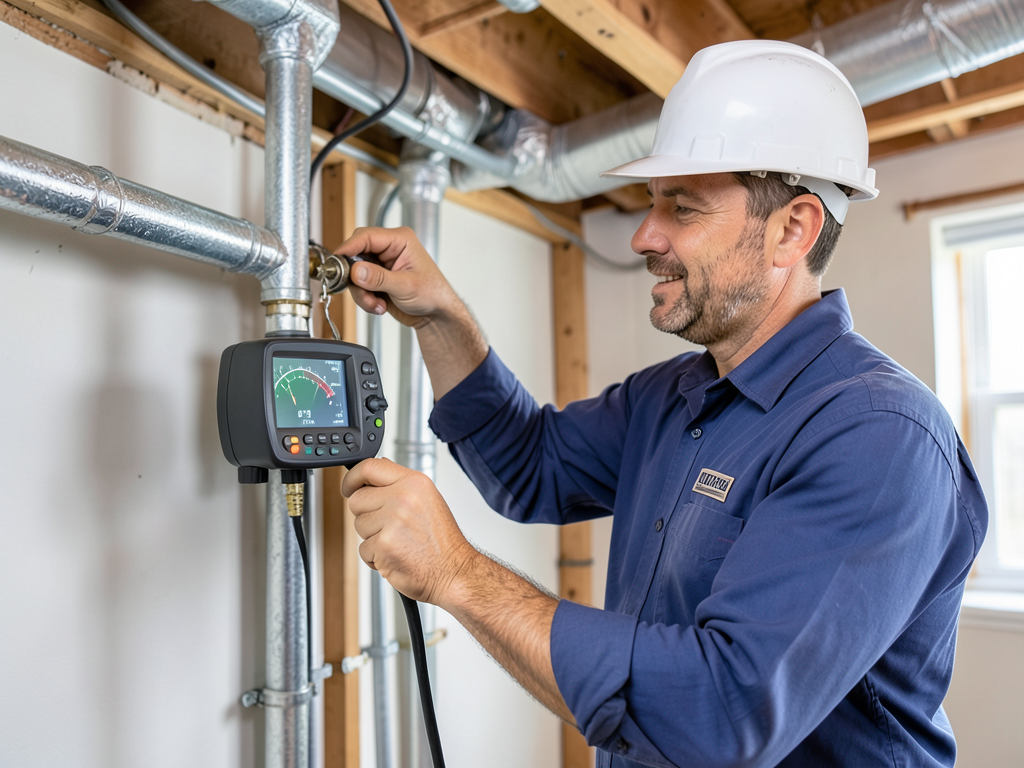
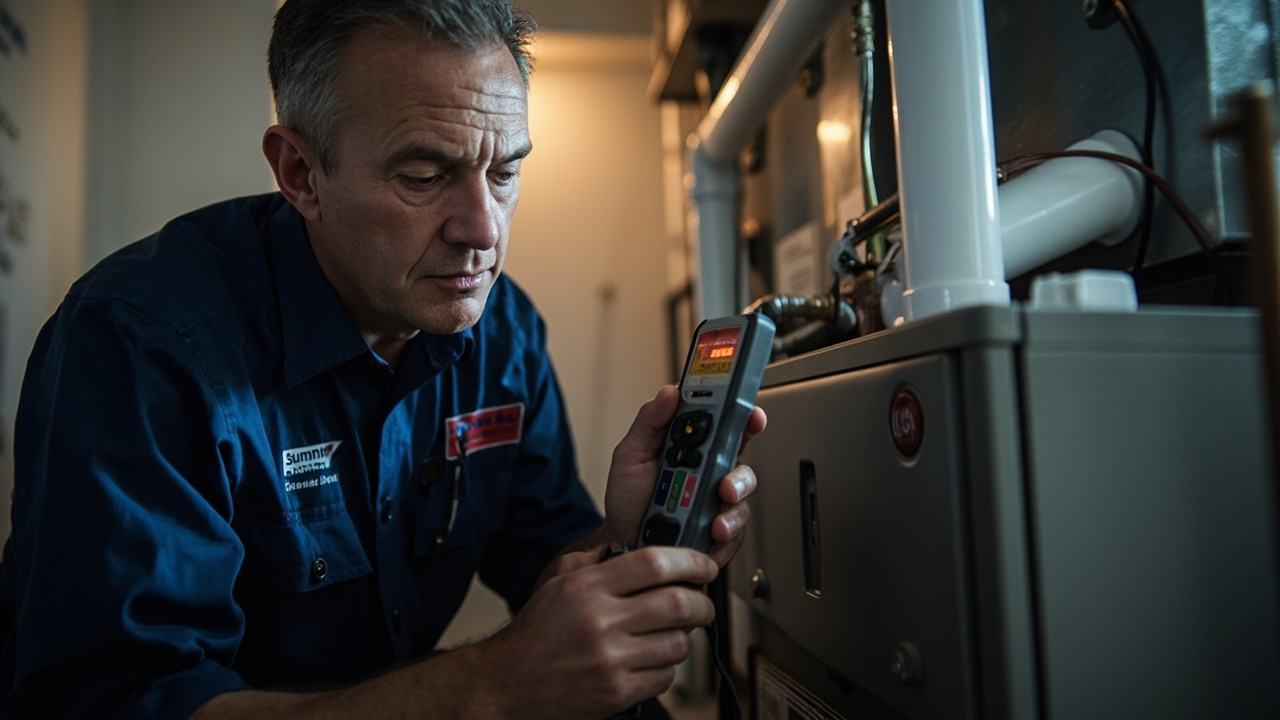
Summit HVAC Orlando technicians arrive with industrial-grade CO monitors that measure concentrations from 1 to 1000 parts per million. These are not consumer-grade detectors. They provide real-time digital readings with precision sensors calibrated to OSHA standards.

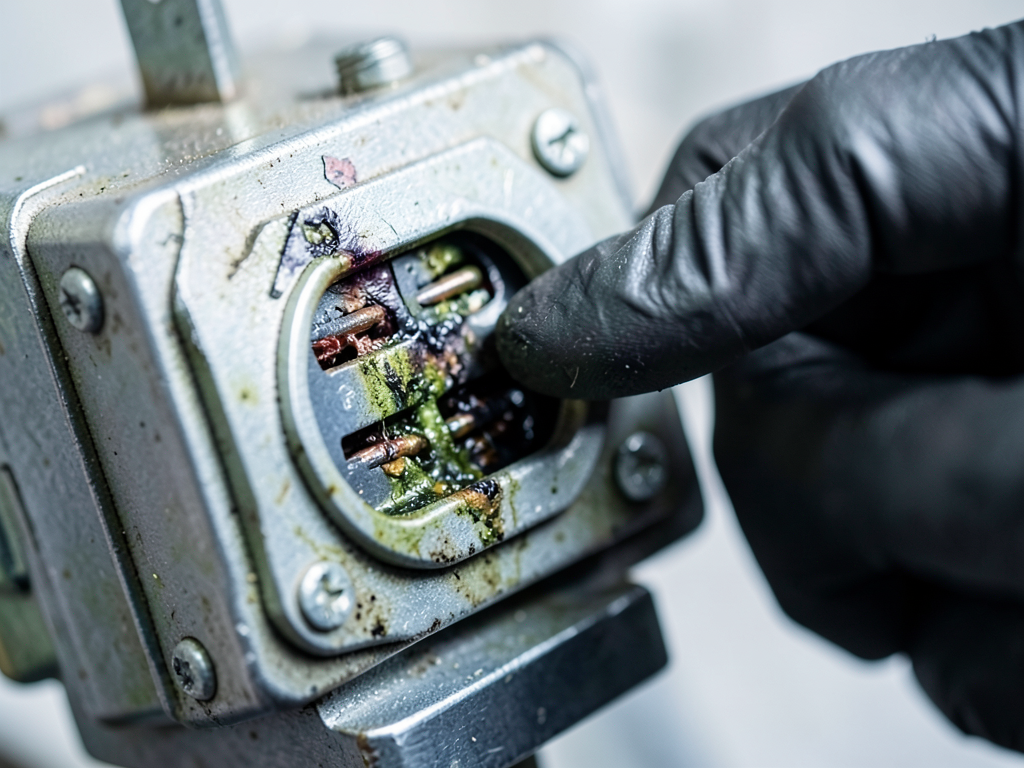
We start at your HVAC system. The furnace heat exchanger is the most common source of residential carbon monoxide. Metal fatigue creates hairline cracks that allow combustion gases to mix with circulating air. We inspect the exchanger under operating conditions, monitoring CO levels in supply ducts while the system runs through heating cycles.

Next, we test all fuel-burning appliances. Gas water heaters, ranges, ovens, dryers. Each appliance receives individual testing for proper combustion and venting. A water heater with a damaged flue pipe can release carbon monoxide directly into your living space. An improperly adjusted burner produces incomplete combustion that generates excessive CO.

We check ventilation pathways. Blocked flues, disconnected vent pipes, or negative air pressure conditions can cause backdrafting. This pulls combustion gases back into your home instead of exhausting them outside. Orlando's tight home construction often creates pressure imbalances when bathroom fans or kitchen exhausts operate simultaneously with fuel-burning equipment.

The testing process includes ambient air monitoring throughout your home. We map CO concentration levels room by room to identify accumulation patterns. Carbon monoxide is slightly lighter than air, but it mixes readily. Concentrations vary based on air movement, HVAC operation, and proximity to the source.

Once we locate the leak, we isolate the equipment, verify ventilation pathways, and provide immediate remediation guidance. Carbon monoxide leak testing delivers certainty when your family's safety is uncertain.

What Happens During Emergency CO Testing

Emergency Carbon Monoxide Leak Detection in Orlando – Rapid Response Teams Dispatched Within 60 Minutes
01

Immediate Site Assessment

Our technician arrives with calibrated CO detection equipment and begins testing ambient air levels throughout your Orlando home. We identify any immediate danger zones, document baseline readings in each room, and determine whether evacuation is necessary based on measured concentrations. This initial assessment takes 10 to 15 minutes and establishes the scope of the investigation.
02

Equipment and Appliance Testing

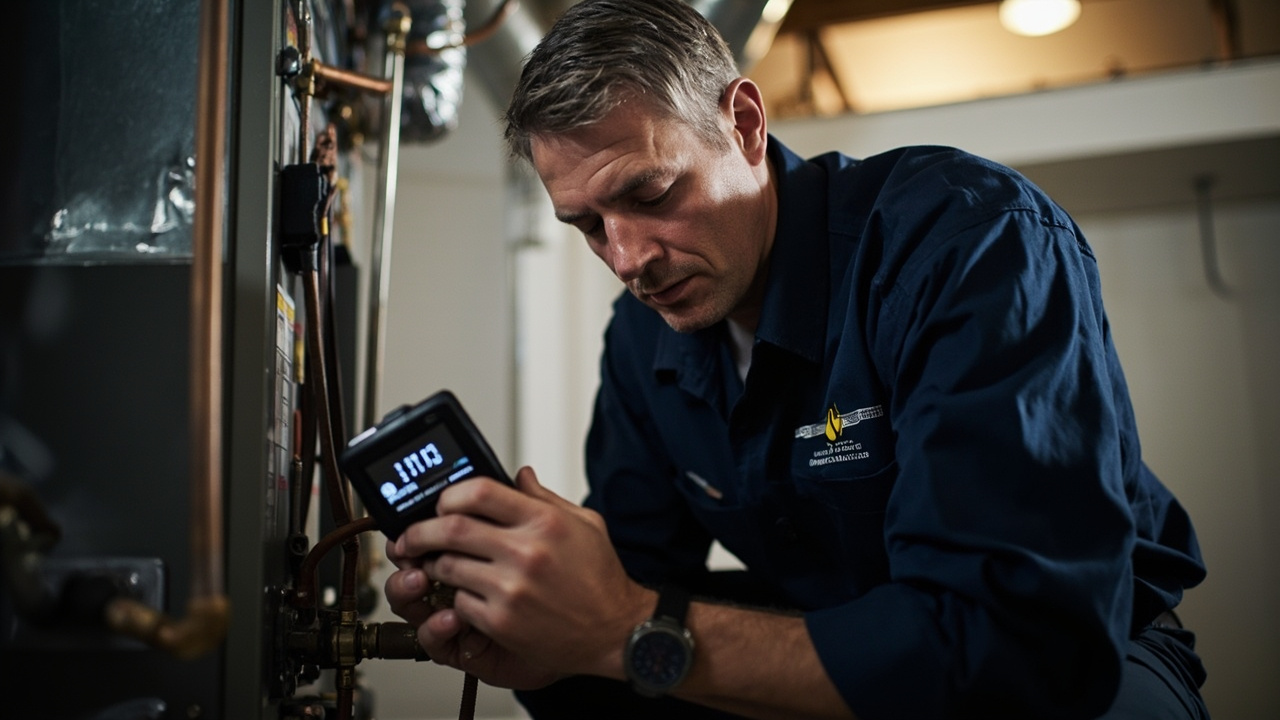
We systematically test every fuel-burning appliance and your HVAC system under operating conditions. The furnace heat exchanger, gas water heater, range, and dryer all receive individual CO emission testing. We monitor flue gases, check draft conditions, and inspect venting components for blockages or damage. This phase identifies the exact source of carbon monoxide intrusion into your breathing air.
03

Documentation and Remediation Plan

You receive a detailed report with CO measurements from each testing location, photos of problem equipment, and specific repair recommendations. We explain whether you can safely remain in your home or need temporary relocation while repairs are completed. For HVAC-related leaks, we can often provide same-day repairs to cracked heat exchangers, faulty burners, or compromised venting systems to restore safety immediately.

Why Orlando Families Trust Summit HVAC for CO Emergencies

Carbon monoxide emergencies require immediate expertise. You cannot afford to wait until Monday morning or schedule an appointment three days out.

Summit HVAC Orlando maintains 24/7 emergency response capability because CO leaks do not follow business hours. Our dispatch system routes emergency carbon monoxide testing calls directly to on-call technicians who can reach most Orlando metro locations within 60 minutes. That includes neighborhoods from downtown Orlando to Winter Park, from Maitland to Dr. Phillips, from Oviedo to Windermere.

Our technicians carry professional-grade CO detection equipment in every service vehicle. These are not add-on services that require special trips or rental equipment. We arrive prepared to conduct comprehensive carbon monoxide leak testing immediately.

Orlando's building codes and HVAC requirements differ from other Florida markets. Our team understands local inspection standards, knows which HVAC systems are common in different Orlando neighborhoods, and recognizes the age-related failure patterns in equipment installed during various construction booms. A home built in College Park during the 1920s presents different CO risks than new construction in Lake Nona. We adjust our investigation methodology accordingly.

We also understand Florida's humidity effects on HVAC equipment. Condensation inside heat exchangers accelerates corrosion. Salt air intrusion in coastal-adjacent areas like eastern Orange County compounds metal fatigue. These local factors influence how and where carbon monoxide leaks develop.

When we identify a CO source, we explain your options clearly. If your furnace heat exchanger has failed, we discuss repair versus replacement based on equipment age and cost factors. If a water heater vent has separated, we can often complete repairs during the same visit. You get honest assessment, not sales pressure.

Your family's immediate safety is the only priority during a carbon monoxide emergency. Summit HVAC Orlando treats it that way.

What to Expect During Emergency CO Testing

Response Time and Availability

When you call our emergency line, a live person answers. No voicemail. No automated systems. We dispatch a technician to your Orlando location immediately, with most arrivals occurring within 60 minutes of your call. Our 24/7 coverage extends to all days, including weekends and holidays, because carbon monoxide does not wait for convenient timing. If you are currently experiencing symptoms or your CO detector is sounding, we prioritize your call as a life-safety emergency and expedite dispatch accordingly.

Testing Process and Duration

Professional CO gas detection service typically requires 45 to 90 minutes depending on your home size and number of fuel-burning appliances. The technician uses calibrated instruments to measure carbon monoxide concentrations in ambient air, supply ducts, and exhaust streams. Each appliance is tested individually under normal operating conditions. You receive real-time results as testing progresses, so you understand what we are finding and why. If dangerous levels are detected, we stop immediately and provide safety guidance before continuing the investigation.

Findings and Documentation

You receive a written report documenting all CO measurements, identifying the source of any leaks, and outlining specific remediation steps. Photos of problem equipment are included. The report specifies which repairs are urgent for safety and which can be scheduled as preventive maintenance. If your HVAC system or appliances are safe, we document that as well. This documentation is valuable for insurance purposes, property records, and your own peace of mind knowing your home has been professionally cleared.

Repair Options and Follow-Up

When urgent carbon monoxide check reveals a failed heat exchanger, damaged vent pipe, or malfunctioning burner assembly, we provide repair options immediately. Many CO-related repairs can be completed during the same emergency visit, restoring safety without delay. For equipment replacement scenarios, we help you understand your options and can schedule installation quickly. We also recommend installing additional CO detectors in strategic locations and provide guidance on maintaining safe HVAC operation. Follow-up testing is available to verify repairs have eliminated the carbon monoxide source.

Frequently Asked Questions

You Have Questions,
We Have Answers

How do you know if carbon monoxide is leaking? +

You cannot see, smell, or taste carbon monoxide. That makes it deadly. Install a carbon monoxide detector on every level of your home. Watch for physical symptoms: headaches, dizziness, nausea, confusion, or flu-like feelings that improve when you leave the house. Check your fuel-burning appliances for yellow or orange flames instead of blue. Look for soot buildup around vents or appliances. If your detector alarms or you suspect a leak, evacuate immediately and call 911. In Orlando's high humidity, corrosion can accelerate exhaust system failures, increasing leak risks. Get your HVAC system and gas appliances inspected annually.

What's the most common household thing to cause a carbon monoxide leak? +

Your furnace causes most household carbon monoxide leaks. A cracked heat exchanger allows combustion gases to escape into your living space instead of venting outside. In Orlando, older HVAC systems running year-round for cooling and occasional heating experience metal fatigue faster. Gas water heaters rank second, especially units in garages where poor ventilation traps fumes. Blocked flue pipes from debris, bird nests, or corrosion prevent proper venting. Annual HVAC maintenance catches cracks and blockages before they turn lethal. Never ignore strange furnace odors, yellow pilot lights, or excess moisture around your unit. These signal incomplete combustion and potential carbon monoxide production.

Can you test carbon monoxide with your phone? +

No reliable phone app exists to detect carbon monoxide. Your smartphone lacks the electrochemical sensors needed to measure carbon monoxide levels. Some apps claim to detect it through your camera or microphone. These do not work and create a dangerous false sense of security. Apps that connect to Bluetooth-enabled carbon monoxide detectors simply display data from the actual hardware sensor. You need a dedicated carbon monoxide detector with a UL 2034 rating. In Orlando's climate, battery-powered units require frequent checks due to humidity effects on electronics. Install hardwired detectors with battery backup for reliable protection. Your life depends on real sensors, not software.

Should a carbon monoxide detector be placed high or low? +

Place carbon monoxide detectors at breathing height, not high or low. Carbon monoxide mixes evenly with air and does not rise like smoke or sink like propane. Install detectors on walls about five feet from the floor or on nightstands in bedrooms. Never mount them near kitchens, bathrooms, or garages where humidity and fumes cause false alarms. Orlando homes should have detectors outside each sleeping area and on every level including basements. Avoid placing them near windows, doors, or vents where drafts dilute readings. Replace detectors every five to seven years because sensors degrade. Test your units monthly by pressing the test button.

What are two warning signs of carbon monoxide? +

Unexplained headaches and dizziness are the two most common warning signs of carbon monoxide exposure. These symptoms feel like the flu but without fever. Everyone in your household feeling sick simultaneously points to environmental poisoning, not a virus. Symptoms worsen when you stay indoors and improve when you leave. Watch for confusion, nausea, chest tightness, or vision problems. Pets often show symptoms first, becoming lethargic or vomiting. In Orlando, people mistake carbon monoxide symptoms for heat exhaustion during summer. If your carbon monoxide detector alarms, trust it even without symptoms. High concentrations kill before you notice anything wrong. Evacuate immediately and call 911.

How long can you live in a house with a carbon monoxide leak? +

This depends entirely on carbon monoxide concentration. At 400 parts per million, you have three hours before life-threatening symptoms appear. At 800 ppm, you lose consciousness in 45 minutes and die within two to three hours. At 1,600 ppm, headaches start in 20 minutes, and death occurs within one hour. At 12,800 ppm, you die in one to three minutes. Low-level exposure over days causes cumulative damage to your heart and brain. Orlando residents running gas appliances in enclosed garages or using generators indoors during hurricane power outages face the highest immediate risk. Never assume you have time. Evacuate when your detector alarms or symptoms appear.

What can falsely set off a carbon monoxide detector? +

Hydrogen gas from battery charging, cleaning chemicals, paint fumes, and methane can trigger false alarms. Extreme humidity and temperature fluctuations affect sensor accuracy. Orlando's high moisture levels cause condensation inside older detectors, leading to false readings. Never place detectors near fuel-burning appliances in kitchens or garages where normal combustion byproducts set them off. Aerosol sprays, strong solvents, and alcohol vapors interfere with electrochemical sensors. Dust and insect infiltration degrades performance. If your detector alarms repeatedly without finding a source, replace it. Sensors fail over time. Do not ignore alarms by assuming they are false. Verify with a second detector or professional testing.

How long does it take for a stove to be on to cause carbon monoxide poisoning? +

A gas stove running normally should never produce dangerous carbon monoxide levels. Proper blue flames indicate complete combustion with minimal carbon monoxide output. Yellow or orange flames signal incomplete combustion that releases carbon monoxide. Running all burners simultaneously in a poorly ventilated kitchen can raise carbon monoxide to unsafe levels within 30 to 60 minutes. Using your stove for heat creates lethal concentrations in two to three hours. Orlando homes with open floor plans and ceiling fans have better air circulation, reducing risk. Never use gas ovens for heating. Cracked burners, clogged ports, or improper air-to-gas ratios turn stoves into carbon monoxide generators. Get annual appliance inspections.

How can I test for CO in my home? +

Install UL-listed carbon monoxide detectors throughout your home. This is your primary defense. For professional testing, hire an HVAC technician with a calibrated carbon monoxide meter to measure levels near appliances and in living spaces. Testing costs between inspection fees and full HVAC service rates. Technicians check furnace heat exchangers, water heaters, and flue pipes for cracks or blockages. In Orlando, annual pre-winter HVAC maintenance catches problems before you need heat. Portable carbon monoxide meters for homeowner use exist but require calibration and proper technique. Do not rely on DIY meters for safety decisions. Professional inspection identifies leak sources and combustion problems your detectors cannot pinpoint.

What is the fastest way to test for carbon monoxide? +

Your installed carbon monoxide detector provides the fastest alert. It monitors continuously and alarms when levels become dangerous. For immediate spot-checking, a calibrated handheld carbon monoxide meter gives readings in 15 to 60 seconds. Emergency responders and HVAC technicians carry these professional-grade meters. You can buy consumer versions, but accuracy varies. In Orlando, if you suspect a leak, evacuate first and call 911. Firefighters arrive with detection equipment and verify safety before you re-enter. Do not waste time testing. Speed matters because high concentrations kill in minutes. Trust your detector alarm. Verification comes after everyone reaches fresh air. Seconds count when carbon monoxide fills your home.

Why Orlando's Year-Round HVAC Use Increases Carbon Monoxide Risk

Orlando's climate creates near-constant HVAC operation. Air conditioning runs seven to eight months per year. Heating systems activate during winter cold snaps that drop overnight temperatures into the 30s. This continuous use accelerates wear on heat exchangers, vent components, and combustion assemblies. A furnace that operates 20 days per year in northern climates might run 60 to 80 days in Orlando, compressing its functional lifespan. Humidity adds another layer of complexity. Condensation forms inside heat exchangers during cooling season, promoting corrosion that weakens metal over time. These hairline cracks become carbon monoxide pathways when heating mode activates. Orlando's subtropical environment also means homes stay sealed tight against heat and humidity, preventing natural ventilation that might otherwise dilute CO concentrations.

Summit HVAC Orlando has served the Central Florida community for years, building relationships with homeowners who trust us during emergencies. We understand the specific HVAC systems common in Orlando neighborhoods, recognize the failure patterns in equipment installed during different construction periods, and stay current with local building codes that govern gas appliance installation and venting requirements. Our technicians are trained in rapid CO leak diagnosis using methods proven effective in Florida's unique climate conditions. When carbon monoxide threatens your family, you need a team that knows Orlando homes inside and out. Local expertise makes the difference between guessing and knowing.
HVAC Services in The Orlando Area

Summit proudly serves Orlando and surrounding Central Florida areas with fast, professional HVAC services. Whether you're in the heart of the city or in nearby neighborhoods, our technicians are just a call away. Use the map below to view our service area and plan your visit or consultation. We make it convenient to get expert help where and when you need it. Your comfort is always within reach with Summit.

Address:
Summit HVAC Orlando, 4700 Millenia BlvdOrlando, Orlando, FL, 32839

Additional Services We Offer

Our news updates

Latest Articles & News from The Blogs

What to do if your St. Cloud thermostat says waiting for more than five minutes Your thermostat displays 'waiting for…

What to do if your St. Cloud thermostat says waiting for more than five minutes

What to do if your St. Cloud thermostat says waiting for more than five minutes Your thermostat displays 'waiting for…

What it means when your Ocoee cooling system starts making a loud clicking sound

What it means when your Ocoee cooling system starts making a loud clicking sound Your outdoor AC unit should hum…

How to tell if your Celebration home builder installed the right size ductwork

How to tell if your Celebration home builder installed the right size ductwork Your Celebration home should feel comfortable year-round.…

Contact Us

Carbon monoxide poisoning progresses rapidly. Do not wait. Call Summit HVAC Orlando at (321) 463-7979 for immediate dispatch. Our technicians are ready 24/7 with professional detection equipment to locate and eliminate CO threats in your home.