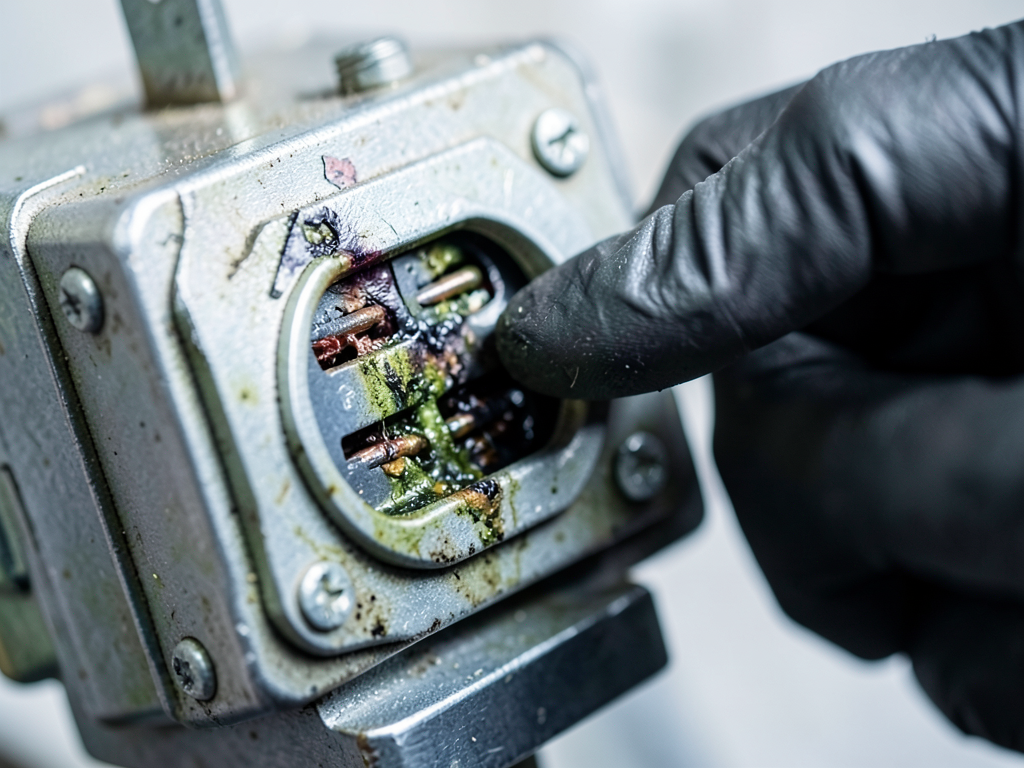








Central Florida's groundwater contains elevated calcium and magnesium concentrations that classify it as moderately hard to hard water. When this makeup water enters your cooling tower and evaporates, these dissolved minerals concentrate rapidly, forming scale deposits on heat exchange surfaces. The Floridan Aquifer's limestone geology adds carbonate content that accelerates this scaling. Facilities using city water face different challenges than those operating private wells, with variations in pH, alkalinity, and total dissolved solids affecting how quickly your tower develops operational problems. Effective cooling tower maintenance must account for your specific water source chemistry, adjusting blowdown rates and treatment chemical doses to prevent scale formation while avoiding over-treatment that causes corrosion. Generic maintenance schedules fail in Orlando because they do not address these local water quality variables.
Commercial facilities in Orange County must comply with local ordinances governing water consumption, discharge permits, and air quality standards for cooling tower drift. Summit HVAC Orlando understands these regulatory requirements because we work with them daily across dozens of local installations. We know which cooling tower inspections address Florida Department of Health requirements for preventing Legionella proliferation in building water systems. We recognize when modifications require permit amendments from Orange County Environmental Protection Division. Our familiarity with local building officials, water reclamation facility discharge limits, and Florida Building Code mechanical provisions helps your facility avoid compliance violations that trigger fines or operational restrictions. Choosing a cooling tower service provider without this local regulatory knowledge increases your legal and financial risk.