




Air Conditioning Installation in Orlando – Expert Central Air Systems Sized for Florida's Heat and Humidity

Summit HVAC Orlando delivers precision air conditioner replacement and new AC unit installation with Manual J load calculations that account for Orlando's extreme summer heat, high moisture levels, and afternoon thunderstorms.

Slider Image 1
Slider Image 2
Slider Image 3
Slider Image 4
Slider Image 5
Slider Image 7
Slider Image 8
Slider Image 9
Slider Image 10
Slider Image 11

Why Orlando's Climate Demands More Than a Generic AC Installation

Orlando's subtropical climate punishes undersized or improperly installed air conditioning systems. Summer temperatures routinely hit 95 degrees with humidity levels above 70 percent. When afternoon thunderstorms roll through Lake Eola or Conway, indoor moisture spikes without a properly configured condensate drain and adequate dehumidification capacity.

Generic AC installation fails here because installers ignore duct leakage in attic spaces where temperatures exceed 140 degrees. They skip Manual J load calculations and install whatever tonnage the old unit was, even though your home's insulation, window upgrades, or room additions changed the cooling demand. The result is short cycling, hot spots in bedrooms facing west toward Windermere, and electric bills that climb past $400 in July.

Central air installation in Orlando requires accounting for solar gain through south-facing windows, attic radiant heat penetrating through inadequate insulation, and the thermal mass of concrete block construction common in neighborhoods from College Park to Avalon Park. An air conditioner replacement that ignores these factors will fail during the first heat wave, leaving you scrambling for emergency service when every other HVAC company is booked solid.

New air conditioner install projects must address duct sealing, refrigerant line insulation to prevent condensation, and proper airflow across the evaporator coil. Orlando homes built before 2002 often have flex duct crushed by storage in the attic or disconnected boots at registers. Installing a high-efficiency compressor on a leaking duct system wastes half your cooling capacity before the air reaches your living space.

Why Orlando's Climate Demands More Than a Generic AC Installation
How Summit HVAC Orlando Engineers Your AC Unit Installation

How Summit HVAC Orlando Engineers Your AC Unit Installation

We start every air conditioning installation with a room-by-room Manual J load calculation using ACCA-approved software. This accounts for window orientation, insulation R-values, occupancy, and internal heat gain from appliances. A three-bedroom home in Baldwin Park requires different tonnage than the same square footage in Doctor Phillips because of tree shade, roof color, and proximity to Lake Baldwin.

Our technicians measure supply and return airflow at every register using a flow hood, then calculate total external static pressure across the blower. Most Orlando homes need 400 cubic feet per minute per ton of cooling, but existing ductwork often delivers only 280 CFM because of undersized returns or kinked flex duct in the attic. We identify these restrictions before the new air conditioner install begins, so you get the airflow the equipment was designed to deliver.

Refrigerant line sets get replaced on every AC installation unless the existing lines are less than five years old, leak-free, and properly sized for the new system. We vacuum the lines to 500 microns to remove moisture, then charge the system using subcooling or superheat methods based on the metering device. Guessing the charge or using the nameplate recommendation ignores actual operating conditions and costs you 20 percent efficiency.

Condensate drain lines get trapped correctly and sloped at least one-quarter inch per foot to prevent backflow during heavy rain. We install secondary drain pans under attic air handlers with float switches that shut down the system before water damages your ceiling. Orlando's afternoon storms can dump two inches of rain in an hour, overwhelming improperly installed drain lines and flooding your home.

What Happens During Your Central Air Installation

Air Conditioning Installation in Orlando – Expert Central Air Systems Sized for Florida's Heat and Humidity
01

System Sizing and Design

We measure your home's envelope, calculate heat gain through windows and walls, and determine the correct tonnage using Manual J protocols. Our team inspects existing ductwork for leaks, measures airflow at each register, and identifies restrictions that reduce system performance. You receive a written load calculation showing exactly why we recommend a specific size compressor and air handler for your home.
02

Equipment Installation and Commissioning

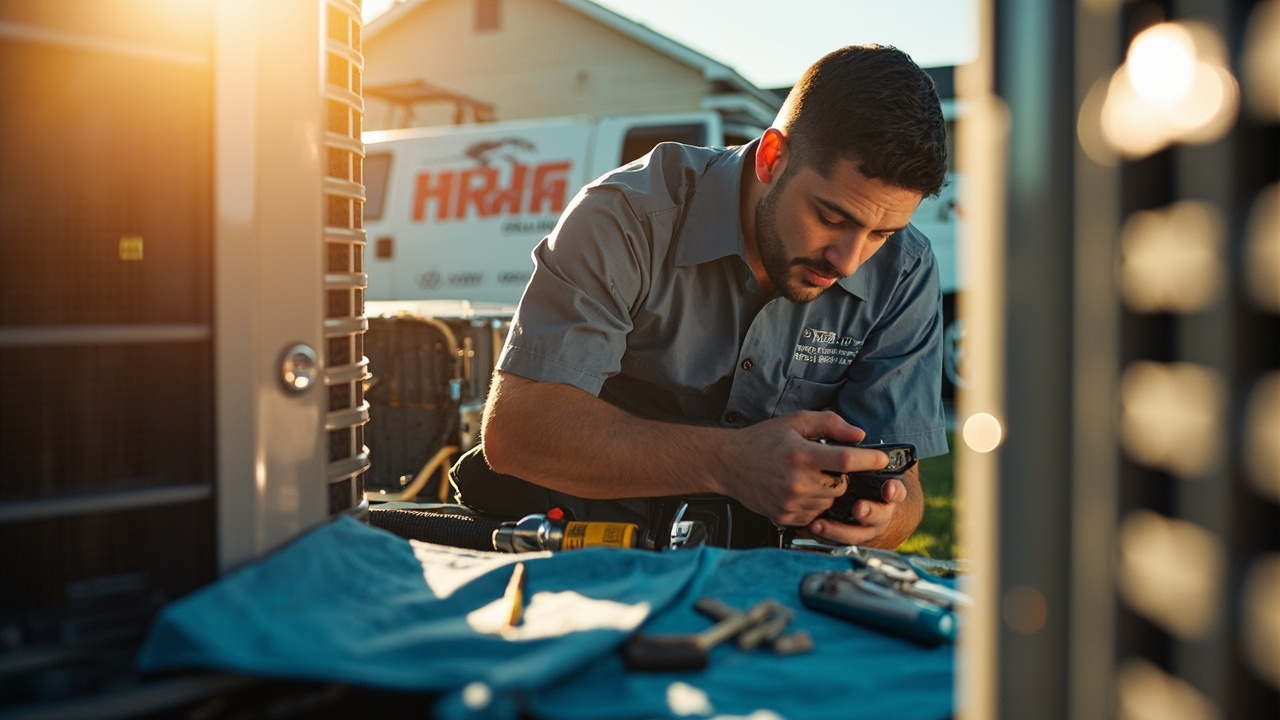
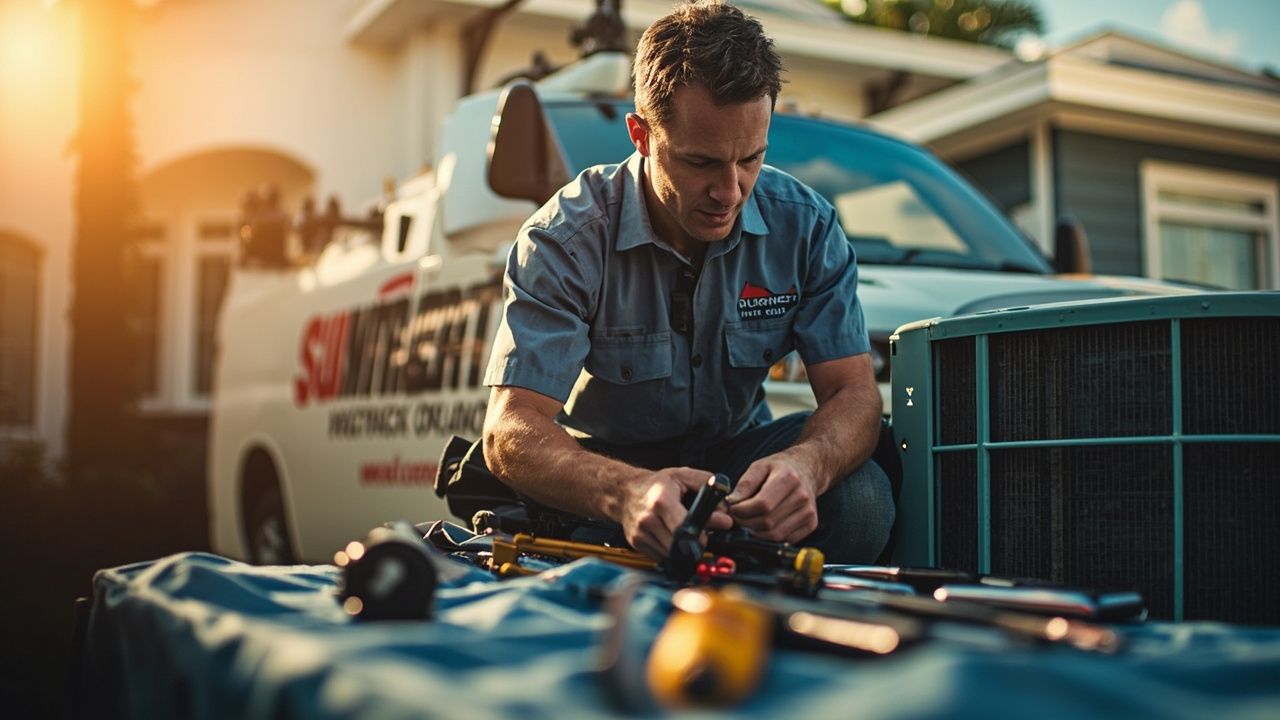
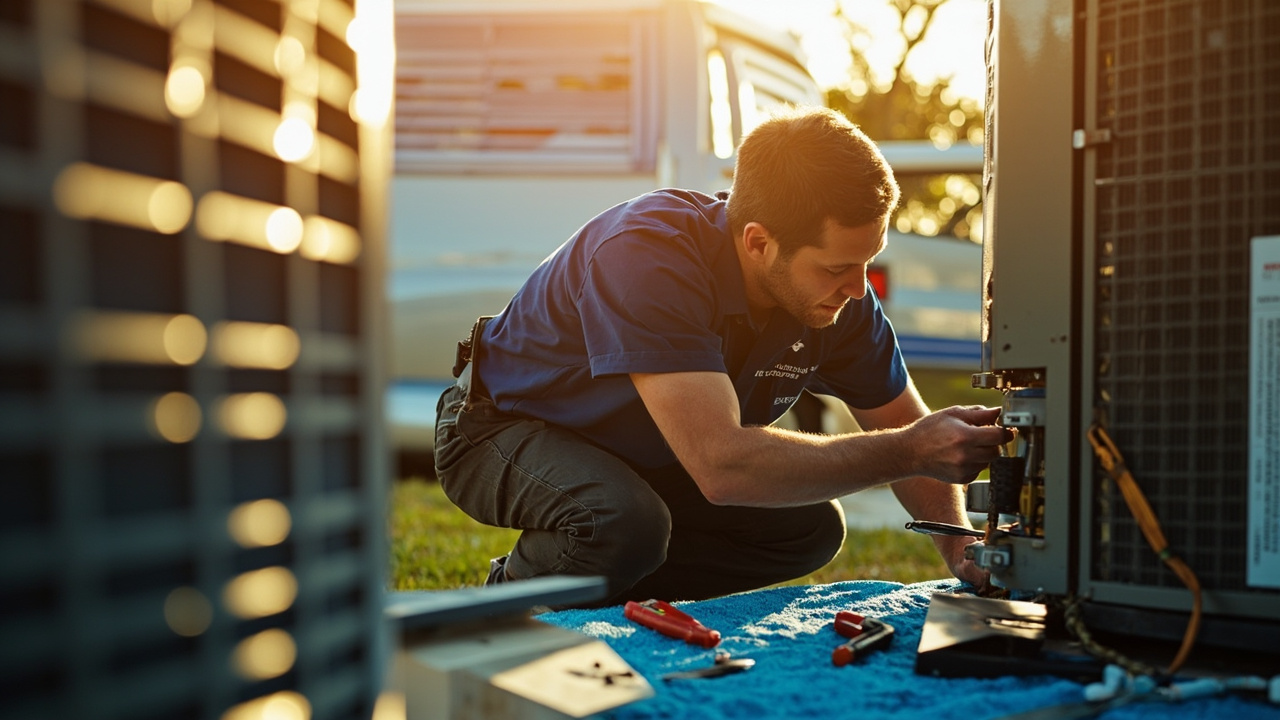
Our installers remove the old system, upgrade electrical disconnects and breakers if required, and set the new condenser on a concrete pad or composite mounting base. We replace refrigerant lines, insulate them to prevent condensation, vacuum the system to remove moisture, and charge refrigerant using measured subcooling values. Every connection gets leak-tested with nitrogen before the system runs.
03

Performance Verification and Documentation

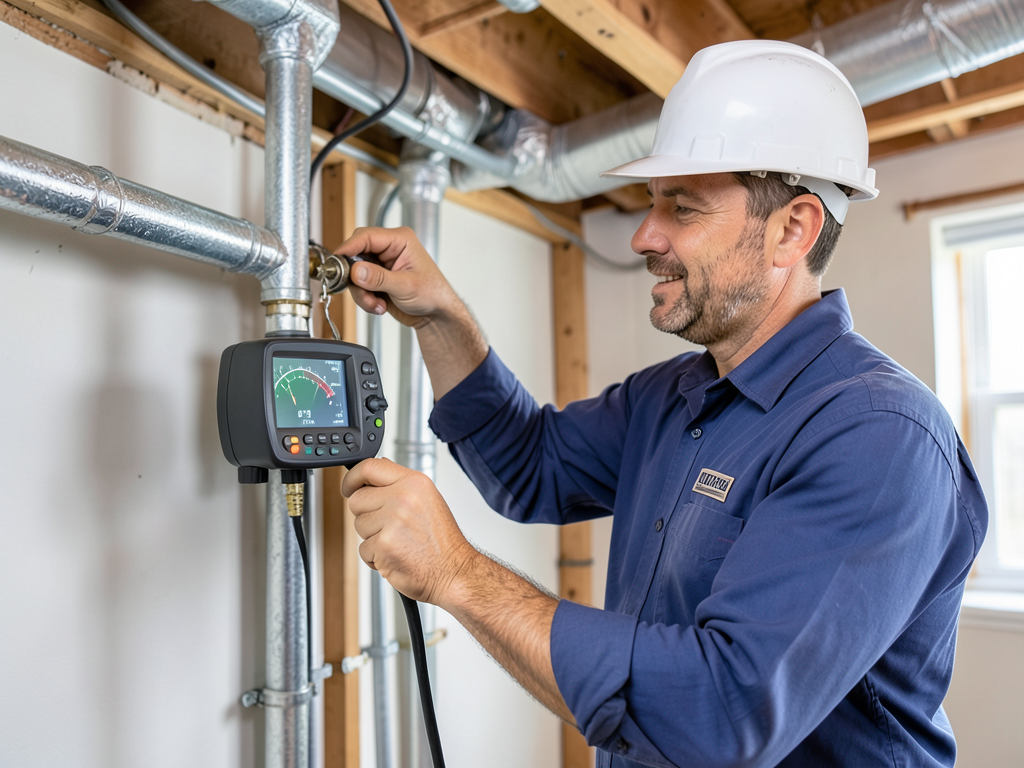
We test airflow across the evaporator coil, measure supply air temperature drop, verify thermostat operation, and check amp draw on the compressor and blower motor. You receive documentation showing refrigerant charge, static pressure readings, and temperature splits. We walk you through filter replacement, thermostat programming, and explain what sounds are normal during startup and shutdown cycles.

Why Orlando Homeowners Choose Summit HVAC for Air Conditioner Replacement

Summit HVAC Orlando understands the building codes and installation standards specific to Orange County. We pull permits for every AC unit installation and schedule inspections to verify refrigerant handling, electrical connections, and condensate drain compliance. Contractors who skip permitting leave you liable when you sell your home or file an insurance claim after a lightning strike damages your compressor.

Our technicians recognize the duct design problems common in Orlando homes built during the 1980s construction boom. Builders installed undersized returns, used duct board that deteriorates in attic heat, and terminated flex duct with zip ties instead of proper collars and mastic. We identify these deficiencies during the initial assessment and explain how they affect your new system's performance before you commit to the installation.

We stock equipment sized for Orlando's cooling load, including 16 SEER and 18 SEER systems that reduce electric bills without requiring exotic refrigerants or proprietary parts. Our warehouse maintains compressors from 1.5 tons to 5 tons, so we complete most installations within 48 hours of your approval instead of waiting two weeks for special-order equipment.

Florida's high humidity requires thoughtful dehumidification beyond just cooling. We configure thermostats to run the blower intermittently after the compressor stops, allowing condensate to drain instead of re-evaporating into your home. On two-stage systems, we adjust the low-speed runtime to maximize moisture removal during mild weather when sensible cooling demand is low but humidity remains high.

Orlando's afternoon thunderstorms and frequent lightning strikes demand surge protection on every new air conditioner install. We install whole-system surge suppressors at the main panel and individual protection at the compressor disconnect to guard against voltage spikes that destroy control boards and compressor windings.

What to Expect During Your AC Installation in Orlando

Installation Timeline and Scheduling

Most air conditioning installation projects take six to ten hours, depending on attic access, ductwork modifications, and electrical upgrades. We schedule installations Monday through Saturday, starting between 7:00 AM and 8:00 AM to avoid working during peak afternoon heat. Multi-system homes or installations requiring significant duct modification may extend into a second day. We complete permit applications within 24 hours of your signed contract and schedule inspections to align with project completion, so you are never without cooling waiting for a county inspector.

Pre-Installation Assessment Process

Our assessment includes attic inspection for duct condition, measurement of existing airflow at each register, electrical panel evaluation for adequate breaker capacity, and thermostat wire inspection. We photograph problem areas like disconnected ducts, damaged insulation, or undersized return grilles. You receive a written report detailing the Manual J load calculation, recommended equipment size, required duct modifications, and electrical upgrades. We explain why your current system is oversized or undersized and how proper sizing affects comfort and efficiency.

System Performance and Comfort Outcomes

Properly installed systems maintain temperature within two degrees of thermostat setpoint and reduce indoor humidity below 55 percent during summer months. You should notice consistent cooling in all rooms, elimination of hot spots in bedrooms, and reduced runtime during mild weather. Noise levels drop compared to older systems because modern compressors use variable-speed technology and improved sound insulation. Your electric bills should decrease by 20 to 40 percent compared to systems older than 12 years, depending on your previous equipment's efficiency rating.

Maintenance Plans and System Support

We recommend biannual maintenance visits, scheduled in March before cooling season and October before heating season. Maintenance includes refrigerant charge verification, condensate drain cleaning, electrical connection inspection, and filter replacement. Our maintenance plans include priority scheduling, discounted repair rates, and extended coverage on labor. You receive reminders 30 days before your scheduled service and can reschedule online. We maintain detailed service records in our system, so any technician can review your equipment history during emergency calls.

Frequently Asked Questions

You Have Questions,
We Have Answers

How much would it cost to have air conditioning installed? +

Air conditioning installation costs in Orlando vary based on system size, brand, and home specifics. A complete central AC system ranges from budget-friendly units to high-efficiency models. Factors affecting price include your home's square footage, existing ductwork condition, and SEER rating choice. Orlando's high humidity and year-round cooling demands mean investing in proper sizing is critical. Undersized units run constantly and fail early. Oversized units short-cycle and create moisture problems. A licensed contractor performs a Manual J load calculation to determine the right fit. Get multiple quotes and compare equipment warranties, not just installation price.

What is the $5000 rule for AC? +

The $5000 rule is a repair-versus-replace guideline. Multiply your AC unit's age by the repair cost estimate. If the result exceeds $5000, replacement makes more financial sense than repair. For example, a 12-year-old unit needing $500 in repairs equals $6000, suggesting replacement. In Orlando's brutal heat, older units lose efficiency fast. High humidity accelerates wear on coils and compressors. If your system is over 10 years old and facing costly repairs, replacement often saves money long-term through lower energy bills and fewer breakdowns. Modern units also handle Orlando's moisture loads better.

How expensive is it to install an AC unit? +

Installing an AC unit in Orlando depends on system type and capacity. Central air systems cost more than ductless mini-splits but cool entire homes. Expect higher prices for homes over 2500 square feet or properties with dated electrical panels needing upgrades. Orlando's climate demands units built to handle constant operation and high humidity. Installation complexity also matters. Older homes in historic districts like College Park may need ductwork modifications. Two-story homes require additional refrigerant line runs. The cheapest option often costs more over time through higher electric bills and premature failures.

How much does it cost to install one air conditioning unit? +

A single air conditioning unit installation in Orlando varies by tonnage and efficiency rating. Tonnage refers to cooling capacity, not weight. Orlando homes typically need 2 to 5 tons depending on square footage and insulation quality. Higher SEER ratings cost more upfront but slash electric bills in Florida's long cooling season. Installation includes the outdoor condenser, indoor air handler or furnace coil, refrigerant lines, condensate drain, and thermostat. Existing ductwork condition affects total cost. Leaky ducts waste 30 percent of cooled air. Factor in permit fees required by Orange County building codes.

What is the 3 minute rule for AC? +

The 3-minute rule is a compressor protection feature. After your AC shuts off, wait at least 3 minutes before restarting. This delay lets refrigerant pressures equalize inside the system. Starting too soon forces the compressor to work against high pressure, causing strain and potential damage. Many modern thermostats have built-in delay timers. In Orlando's heat, homeowners sometimes rapidly adjust thermostats when uncomfortable. This short-cycling reduces efficiency and shortens equipment life. If your unit trips breakers or struggles to start, the compressor may be failing. Respect the 3-minute rule to maximize your system's lifespan.

What size air conditioner do I need for a 2000 sq ft house? +

A 2000 square foot home in Orlando typically needs a 3 to 4-ton AC unit. Exact sizing requires a Manual J load calculation accounting for insulation, window quality, ceiling height, and sun exposure. Orlando's heat gain is significant. Homes with west-facing windows or minimal attic insulation need larger units. Open floor plans cool differently than segmented layouts. Cathedral ceilings add volume. A properly sized unit maintains 72 to 75 degrees while managing humidity below 50 percent. Oversizing causes short-cycling and moisture problems. Undersizing means the system runs nonstop during summer, driving up electric bills and wearing components faster.

Is HVAC system cost tax deductible? +

HVAC system costs are generally not tax deductible for primary residences. However, high-efficiency systems may qualify for federal energy tax credits. Units meeting specific SEER2, EER2, and HERS ratings can earn credits up to $2000 under current programs. Check IRS guidelines annually as requirements change. Orlando homeowners installing qualified heat pumps or central AC units should keep manufacturer certifications and receipts. Rental property owners can deduct HVAC costs as business expenses or depreciate them over time. Consult a tax professional to determine eligibility. Energy credits help offset the higher upfront cost of efficient systems that perform better in Florida's climate.

How much is a new AC unit for a 1500 sq ft house? +

A new AC unit for a 1500 square foot Orlando home typically requires a 2.5 to 3-ton system. Costs depend on SEER rating, brand, and installation factors. Higher SEER units cost more initially but reduce monthly electric bills. Orlando's 8-month cooling season makes efficiency valuable. Older homes may need ductwork sealing or electrical upgrades. Single-story homes generally cost less to equip than two-story layouts. Hurricane-resistant tie-downs and pad anchoring add minimal cost but protect your investment during storms. Get load calculations from licensed contractors. Proper sizing prevents humidity problems common in undersized Florida systems.

What is the best month to buy an HVAC system? +

The best months to buy HVAC systems in Orlando are November through February. Demand drops during cooler weather, giving you negotiating leverage and faster installation scheduling. Manufacturers release new models in spring, making prior-year inventory cheaper in winter. Avoid buying during peak summer months when contractors are slammed and prices rise. However, do not wait if your system fails in July. Emergency replacements cost more and limit options. Plan replacement when your unit hits 12 to 15 years old. Orlando's year-round heat ages systems faster than northern climates. Off-season purchases also mean technicians spend more time on proper installation.

How much does Home Depot charge to install an AC unit? +

Home Depot subcontracts AC installations to local contractors. Pricing varies by system and location. Big-box retailers offer convenience but may lack specialized expertise needed for Orlando's climate challenges. Independent HVAC contractors often provide better load calculations, warranty service, and emergency support. Home Depot installations include basic setups but may not address ductwork issues, humidity control, or proper refrigerant charging critical in Florida's environment. Compare total value beyond installation fees. Local contractors understand Orange County permit requirements and Florida building codes. They also service what they install, ensuring accountability. Get multiple quotes from both retailers and independent contractors before deciding.

How Orlando's Year-Round Cooling Demand Affects AC Unit Installation Decisions

Orlando requires air conditioning ten months per year, with only brief respite during January and February cold fronts. This extended runtime accelerates compressor wear and refrigerant line corrosion from humidity. Central air installation must account for 3,000-plus cooling hours annually, compared to 1,500 hours in Atlanta or Charlotte. Systems designed for northern climates fail here because they lack the coil coating, enhanced dehumidification, and rust-resistant cabinets required for Florida's moisture and salt air migrating inland from the coast.

Summit HVAC Orlando has installed air conditioning systems in neighborhoods from Thornton Park to Windemere since our founding. We understand Orange County's permit requirements, inspection protocols, and the specific challenges of homes built during different construction eras. Our technicians recognize the duct layouts common to Orlando builders, the electrical panel configurations in subdivisions from the 1990s, and the attic ventilation problems in homes with hip roofs. This local knowledge ensures your AC installation meets code and performs correctly in Orlando's unique climate.
HVAC Services in The Orlando Area

Summit proudly serves Orlando and surrounding Central Florida areas with fast, professional HVAC services. Whether you're in the heart of the city or in nearby neighborhoods, our technicians are just a call away. Use the map below to view our service area and plan your visit or consultation. We make it convenient to get expert help where and when you need it. Your comfort is always within reach with Summit.

Address:
Summit HVAC Orlando, 4700 Millenia BlvdOrlando, Orlando, FL, 32839

Additional Services We Offer

Our news updates

Latest Articles & News from The Blogs

What to do if your St. Cloud thermostat says waiting for more than five minutes Your thermostat displays 'waiting for…

What to do if your St. Cloud thermostat says waiting for more than five minutes

What to do if your St. Cloud thermostat says waiting for more than five minutes Your thermostat displays 'waiting for…

What it means when your Ocoee cooling system starts making a loud clicking sound

What it means when your Ocoee cooling system starts making a loud clicking sound Your outdoor AC unit should hum…

How to tell if your Celebration home builder installed the right size ductwork

How to tell if your Celebration home builder installed the right size ductwork Your Celebration home should feel comfortable year-round.…

Contact Us

Call Summit HVAC Orlando at (321) 463-7979 to schedule your Manual J load calculation and installation estimate. Our team provides written assessments within 24 hours and completes most installations within one week of approval. Do not wait until your system fails during a July heat wave when every contractor is booked.