




SEER Ratings Explained in Orlando – Make Smarter Cooling Decisions and Cut Your Energy Bills

Understanding SEER ratings helps Orlando homeowners choose the right AC system for our brutal heat and humidity, saving hundreds on monthly electric bills while keeping your home comfortable year-round.

Slider Image 1
Slider Image 2
Slider Image 3
Slider Image 4
Slider Image 5
Slider Image 7
Slider Image 8
Slider Image 9
Slider Image 10
Slider Image 11

Why SEER Ratings Matter More in Orlando's Climate

You see SEER numbers on every AC unit, but what is SEER rating actually measuring? The seasonal energy efficiency ratio meaning comes down to how much cooling you get per unit of electricity consumed. In Orlando, where air conditioners run 8 to 10 months annually and humidity stays above 70 percent most days, understanding SEER ratings becomes critical to managing your power bills.

Orlando's climate punishes inefficient systems. Your AC works harder here than in almost any other major city. When outdoor temperatures hit 95 degrees with 80 percent humidity, your compressor runs nearly nonstop. A low-SEER unit forces that compressor to draw more amps, cycling more frequently, and driving up your Duke Energy bill by 40 to 60 percent compared to a high-efficiency system.

The SEER rating definition is simple: divide total cooling output in BTUs by total electrical energy input in watt-hours during a typical cooling season. Higher numbers mean better efficiency. A 14 SEER unit uses about 30 percent more electricity than an 18 SEER model to produce the same cooling. In Orlando's extended cooling season, that difference translates to $600 to $900 annually.

Many homeowners replace aging 10 SEER systems with 16 SEER models and see their summer bills drop by half. The meaning of SEER in HVAC is about long-term operating costs, not just upfront equipment price. When your system runs 3,000 hours per year instead of 1,500 in cooler climates, efficiency becomes your biggest cost factor.

Why SEER Ratings Matter More in Orlando's Climate
How SEER Ratings Actually Work in Real-World Conditions

How SEER Ratings Actually Work in Real-World Conditions

Understanding SEER ratings requires knowing how manufacturers test equipment. The Air Conditioning, Heating, and Refrigeration Institute tests units in controlled lab conditions at 80 degrees indoor temperature and 82 degrees outdoor temperature with 51 percent humidity. Those numbers rarely match Orlando reality.

Your actual efficiency varies based on thermostat settings, ductwork condition, airflow restrictions, and refrigerant charge. A 16 SEER system with crushed return ducts or a dirty evaporator coil might perform closer to 12 SEER. The seasonal energy efficiency ratio meaning assumes proper installation and maintenance, which many Orlando systems lack.

SEER2 ratings now replace older SEER measurements using updated Department of Energy testing standards. SEER2 numbers run about 5 percent lower than old SEER ratings but reflect real-world performance more accurately. A 16 SEER system under old standards becomes roughly 15.2 SEER2.

Split systems with variable-speed compressors achieve higher SEER ratings by ramping output up or down to match cooling demand. Single-stage compressors run full blast or shut off completely, cycling frequently and wasting energy during startup. In Orlando's consistent heat, variable-speed systems maintain steady indoor conditions while using 20 to 35 percent less power.

Humidity control affects your comfort more than temperature in Florida. High-SEER systems with longer run cycles remove more moisture from indoor air. A properly sized 18 SEER unit will keep you more comfortable at 76 degrees than an oversized 14 SEER system struggling at 72 degrees because it manages latent heat load better.

What Happens During a SEER Consultation

SEER Ratings Explained in Orlando – Make Smarter Cooling Decisions and Cut Your Energy Bills
01

Load Calculation Analysis

We perform Manual J load calculations measuring your home's actual cooling requirements based on square footage, insulation values, window orientation, and Orlando's specific climate data. This determines the right tonnage and SEER rating for your situation. Oversized equipment kills efficiency regardless of SEER rating, while undersized units never reach rated performance numbers.
02

Cost-Benefit Breakdown

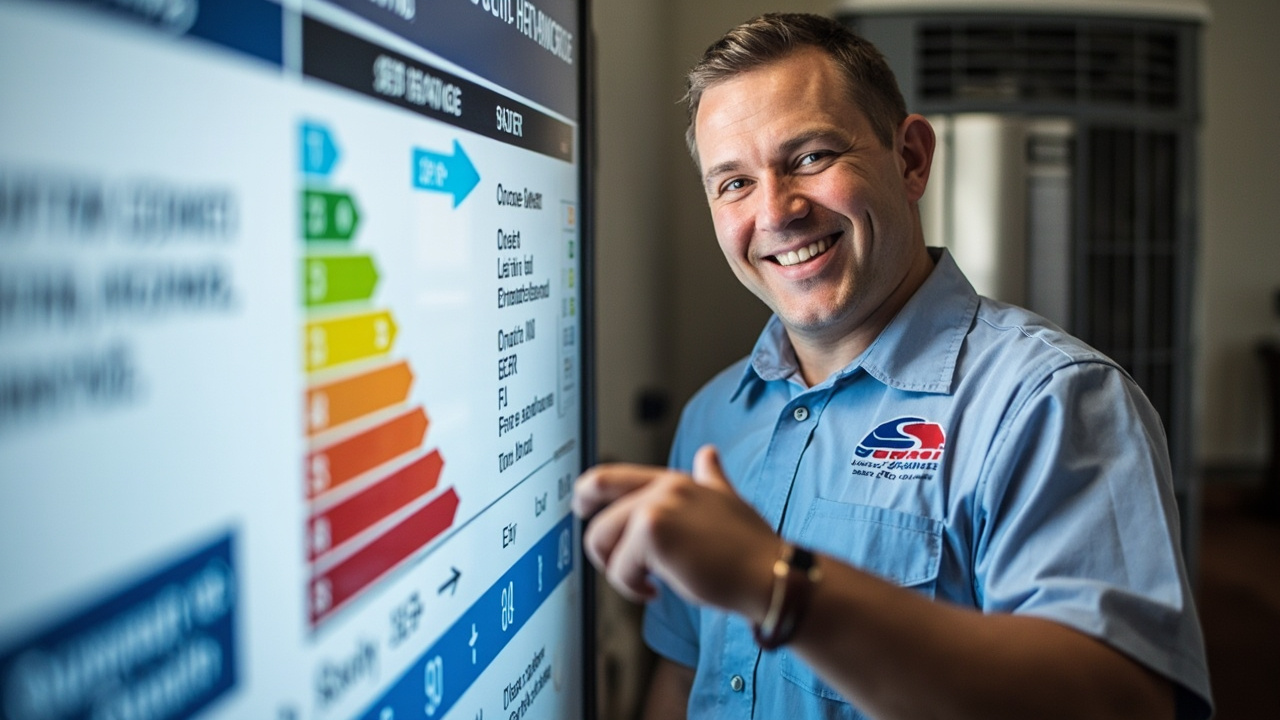
We calculate payback periods comparing different SEER options using your actual Duke Energy rates and estimated annual runtime hours. A 20 SEER system costs more upfront but might pay for itself in 6 years through energy savings. We show you the math so you can make informed decisions based on how long you plan to own the home.
03

System Recommendations

You receive specific equipment recommendations matched to your budget and efficiency goals. We explain trade-offs between standard efficiency, mid-efficiency, and high-efficiency tiers. You see exactly what features drive SEER ratings higher like variable-speed compressors, two-stage cooling, and advanced refrigerant management, helping you choose the right balance of performance and price.

Why Orlando Homeowners Trust Summit HVAC for SEER Guidance

We see contractors oversell high-SEER equipment to homeowners who would never recoup the premium cost. A retiree planning to sell in three years does not need a 22 SEER system when a 16 SEER unit fits their timeline better. We match recommendations to your actual situation instead of pushing our most expensive inventory.

Orlando's building codes now require minimum 15 SEER for new installations and replacements. Many older homes still run 10 to 12 SEER systems installed before 2015 code updates. We stay current on Orange County permitting requirements and ensure your new system meets or exceeds local standards without unnecessary upgrades.

Our technicians understand how Orlando's specific conditions affect SEER performance. Morning temperature swings, afternoon thunderstorms cooling outdoor units, and salt air near the coast all impact efficiency. We factor these variables into equipment selection and installation practices. Proper refrigerant charge, airflow balancing, and duct sealing make the difference between rated SEER and actual SEER.

We service historic neighborhoods like College Park and Thornton Park where older homes need creative solutions to accommodate modern high-efficiency equipment. Tight attic spaces, knob-and-tube electrical systems, and preservation requirements limit options. Our experience with Orlando's diverse housing stock means we find the best SEER-rated equipment that actually fits your home's constraints.

Summit HVAC installs systems we would put in our own homes. We explain when higher SEER ratings make financial sense and when they waste money. You get honest analysis instead of sales pressure.

What to Expect When Upgrading to Higher SEER Equipment

Installation Timeline and Disruption

Complete system replacements take 6 to 10 hours depending on your home's configuration. We typically finish single-story installations in one day. Two-story homes or complex ductwork modifications might extend into a second day. You can expect indoor temperatures to rise during the 3 to 4 hour window when your old system comes out and the new condensing unit gets connected. We schedule installations during cooler morning hours when possible and work efficiently to minimize discomfort. Most Orlando homeowners schedule replacements in late fall or early spring when outdoor temperatures stay moderate.

System Performance Assessment

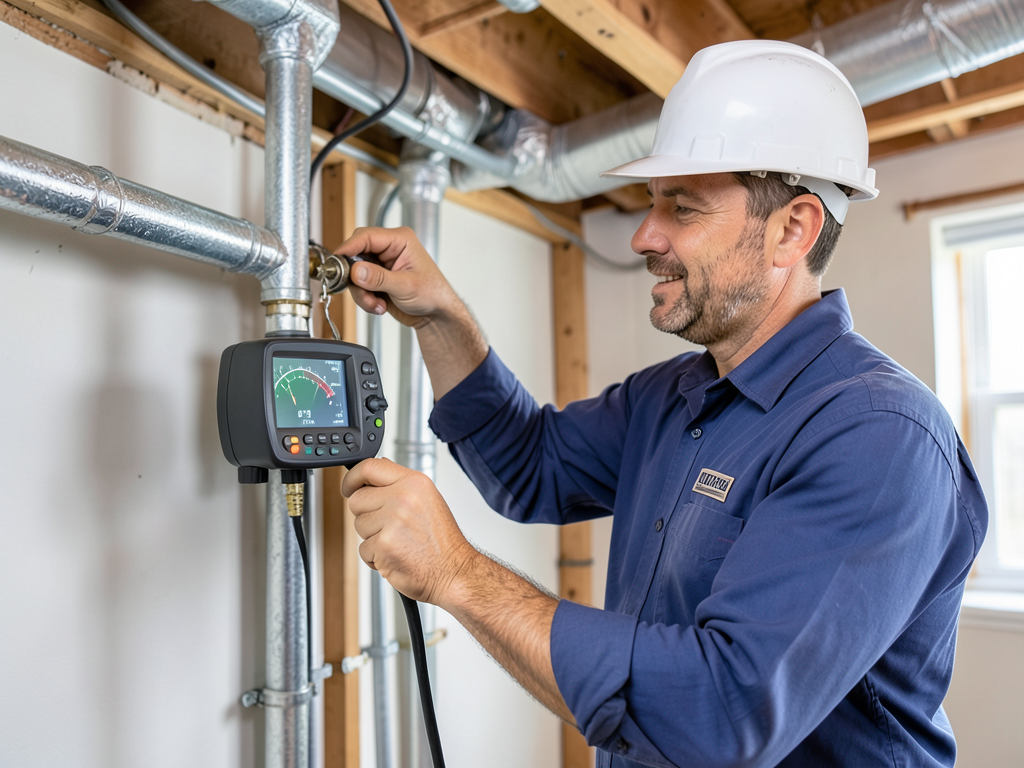
After installation, we run comprehensive diagnostics measuring airflow across the evaporator coil, refrigerant pressures at the service ports, amperage draw on the compressor, and temperature split between supply and return air. These measurements confirm your new system operates at its rated SEER capacity. We check ductwork for leaks using pressure testing equipment and seal any gaps that would reduce efficiency. Static pressure readings tell us whether your existing duct system restricts airflow enough to hurt performance. If ductwork needs modification, we explain what changes would improve efficiency and whether the cost justifies the upgrade.

Energy Savings Realization

You will notice lower electric bills within the first full month after installation, though the biggest savings appear during peak summer months when your AC runs continuously. A jump from 12 SEER to 16 SEER typically cuts cooling costs by 25 to 35 percent. Your new system will maintain more consistent temperatures with fewer hot spots and better humidity control. Variable-speed systems run quieter than older single-stage units, reducing indoor and outdoor noise. The combination of lower operating costs, improved comfort, and quieter operation makes high-SEER equipment worth the investment for most Orlando homeowners planning to stay in their homes beyond five years.

Maintenance Requirements for Efficiency

High-SEER systems need regular maintenance to maintain rated efficiency. We recommend twice-yearly service visits before cooling season and again mid-summer to clean coils, check refrigerant levels, and verify electrical connections. Dirty filters drop SEER performance by 5 to 15 percent, so you should change them monthly during peak cooling months. We provide maintenance plans covering all necessary service to keep your system running at peak efficiency. Neglected high-efficiency equipment loses its advantage quickly as dust buildup, refrigerant leaks, and worn components drag performance down to match older, cheaper systems. Proper maintenance protects your investment and ensures you actually achieve the energy savings you paid for.

Frequently Asked Questions

You Have Questions,
We Have Answers

What is the $5000 rule for HVAC? +

The $5000 rule helps you decide between repair or replacement. Multiply your system's age by the repair cost. If the result exceeds $5000, replacement makes more sense. For example, a 12-year-old unit needing a $500 repair equals $6000, so replace it. In Orlando's high-humidity climate, older units often lose efficiency fast. A system running poorly in Florida's heat costs you money every month. This rule is a guideline, not absolute. Consider your unit's SEER rating, repair history, and how hard it works cooling your home year-round before deciding.

How much more efficient is a 20 SEER vs 18 SEER? +

A 20 SEER unit is about 11% more efficient than an 18 SEER. That translates to modest monthly savings, not dramatic cuts. In Orlando, where AC runs most of the year, you will see the difference on your electric bill. The payback period depends on your cooling load and electricity rates. Higher SEER units cost more upfront, so calculate your break-even point. If you plan to stay in your home long-term and want lower operating costs, the jump to 20 SEER can be worth it in Florida's climate.

What is the minimum SEER for tax credit 2025? +

For 2025 federal tax credits, your new system must meet at least 16 SEER2 (the updated rating standard). The credit covers up to 30% of equipment and installation costs, capped at $2000. Orlando homeowners replacing older units can take advantage of this incentive. You need the manufacturer's certification statement for your tax filing. Not all units qualify, so verify SEER2 ratings before purchase. The credit applies to split systems, packaged units, and heat pumps. Consult a tax professional to confirm eligibility and proper documentation for your specific situation.

How much more efficient is a 16 SEER vs 14 SEER? +

A 16 SEER system is about 14% more efficient than a 14 SEER unit. In Orlando, where cooling dominates your energy bills, that difference adds up. You will see lower monthly costs, especially during brutal summer months when your AC runs constantly. The upgrade pays for itself faster in Florida than cooler climates. A 16 SEER unit also handles humidity better, improving comfort in your home. If your current system is 14 SEER or lower and failing, stepping up to 16 SEER makes financial and comfort sense for long-term ownership.

Is a 3 ton AC too big for 1500 square feet? +

A 3-ton AC may be oversized for 1500 square feet in Orlando, depending on insulation, window quality, and ceiling height. Most homes that size need 2 to 2.5 tons. Oversized units short-cycle, turning on and off rapidly without removing humidity. In Florida's muggy climate, poor humidity control makes your home feel clammy and uncomfortable. An oversized system also wastes energy and wears out faster. Proper load calculations account for your home's specific characteristics, orientation, and ductwork. Get a Manual J calculation done before choosing equipment size to avoid comfort and efficiency problems.

What is the 3 minute rule for AC? +

The 3-minute rule protects your compressor from damage. After your AC shuts off, wait at least 3 minutes before restarting it. This allows refrigerant pressure to equalize throughout the system. Restarting too quickly forces the compressor to work against high pressure, which can cause mechanical failure. In Orlando, where AC cycles frequently due to heat and humidity, this rule matters. Most modern thermostats have built-in time delays to enforce this automatically. If you manually control your system or have an older thermostat, respect this waiting period to extend equipment life.

How many SEER for 2000 sq ft? +

A 2000-square-foot home in Orlando typically needs a 3 to 4-ton AC unit, which should have at least 16 SEER to meet current efficiency standards. Higher SEER ratings (18 to 20) cut operating costs but increase upfront investment. Your actual SEER needs depend on insulation quality, window types, and how much shade your home gets. Florida's intense sun and humidity demand efficient cooling. Proper sizing matters more than SEER alone. An oversized 20 SEER unit performs worse than a correctly sized 16 SEER system. Get a load calculation before choosing equipment.

Why are 14 SEER being phased out? +

The Department of Energy raised minimum efficiency standards starting January 2023. In the Southeast, including Florida, the new minimum is 15 SEER2 for split systems. The old 14 SEER standard wastes energy, and technology has improved enough to make higher efficiency affordable. Orlando's long cooling season means inefficient units cost homeowners more over time. Manufacturers stopped producing 14 SEER units to comply with federal regulations. This change pushes the industry toward better performance and lower operating costs. If you have a 14 SEER system, it still works fine, but replacement units must meet new standards.

Will a new AC lower my electric bill? +

Yes, a new high-efficiency AC will lower your electric bill in Orlando. Older units lose efficiency as components wear out and refrigerant leaks occur. A new 16 SEER or higher system uses less electricity to produce the same cooling. In Florida, where AC runs almost year-round, the savings add up quickly. Expect 20 to 40% reductions compared to a 10 to 15-year-old system. Actual savings depend on your old unit's condition, your new unit's SEER rating, and how well your home is insulated. Proper installation and regular maintenance maximize your savings.

Can you write off a new HVAC on your taxes? +

You can write off a new HVAC system if it qualifies for the federal Energy Efficient Home Improvement Credit. For 2024 and 2025, you can claim up to 30% of the cost, capped at $2000, for systems meeting minimum SEER2 requirements. This is a tax credit, not a deduction, so it directly reduces what you owe. Keep all receipts and manufacturer certifications. In Orlando, where AC replacement is a significant expense, this credit helps offset the cost. Consult a tax professional to confirm your eligibility and ensure proper documentation for your filing.

How Orlando's Extended Cooling Season Changes SEER Cost Analysis

Orlando runs air conditioning from March through November with minimal breaks. Your system operates roughly 3,200 hours annually compared to 1,800 hours in temperate climates. This extended runtime makes SEER ratings more financially significant here than in cities with milder summers. The seasonal energy efficiency ratio meaning takes on greater importance when your compressor runs nearly year-round. Every efficiency point matters more because you amortize the performance difference across thousands of additional operating hours. A 2-point SEER improvement might save a Chicago homeowner $150 annually but saves Orlando residents $400 to $500 because we use cooling equipment so much longer each year.

Orlando contractors understand local utility rate structures and peak demand charges that affect your return on investment for high-SEER equipment. Duke Energy's tiered pricing means efficiency upgrades pay back faster here than in regions with flat-rate electricity. We factor in Orlando-specific variables like afternoon thunderstorms that temporarily cool outdoor units, improving efficiency during peak-rate hours. Local building inspectors know our work and trust our load calculations meet Orange County standards. When you work with Summit HVAC, you get SEER analysis based on actual Orlando conditions rather than generic national averages that do not reflect our climate reality.
HVAC Services in The Orlando Area

Summit proudly serves Orlando and surrounding Central Florida areas with fast, professional HVAC services. Whether you're in the heart of the city or in nearby neighborhoods, our technicians are just a call away. Use the map below to view our service area and plan your visit or consultation. We make it convenient to get expert help where and when you need it. Your comfort is always within reach with Summit.

Address:
Summit HVAC Orlando, 4700 Millenia BlvdOrlando, Orlando, FL, 32839

Additional Services We Offer

Our news updates

Latest Articles & News from The Blogs

What to do if your St. Cloud thermostat says waiting for more than five minutes Your thermostat displays 'waiting for…

What to do if your St. Cloud thermostat says waiting for more than five minutes

What to do if your St. Cloud thermostat says waiting for more than five minutes Your thermostat displays 'waiting for…

What it means when your Ocoee cooling system starts making a loud clicking sound

What it means when your Ocoee cooling system starts making a loud clicking sound Your outdoor AC unit should hum…

How to tell if your Celebration home builder installed the right size ductwork

How to tell if your Celebration home builder installed the right size ductwork Your Celebration home should feel comfortable year-round.…

Contact Us

Stop guessing about efficiency ratings. Call Summit HVAC at (321) 463-7979 for a free load calculation and SEER cost-benefit analysis. We show you exactly which efficiency tier makes financial sense for your home and budget.