



Multi-Family HVAC Services in Orlando – Minimize Downtime and Protect Property Value Across Every Unit

Summit HVAC Orlando delivers scalable multi-family HVAC services for property managers and owners who need reliable climate control across dozens or hundreds of units without disrupting residents or draining budgets.

Slider Image 1
Slider Image 2
Slider Image 3
Slider Image 4
Slider Image 5
Slider Image 7
Slider Image 8
Slider Image 9
Slider Image 10
Slider Image 11

Orlando's Climate Demands a Different Approach to Multi-Unit HVAC Systems

Managing climate control across an apartment complex or condominium in Orlando means dealing with extreme heat, crushing humidity, and year-round AC demand that never lets up. When one unit loses cooling, you face tenant complaints, potential lease violations, and emergency calls that spiral into costly overtime repairs. When multiple units fail simultaneously, you face a property management crisis.

Orlando's subtropical climate puts enormous strain on multi-family housing HVAC solutions. Humidity accelerates corrosion on coils and ductwork. Constant cooling demand wears down compressors faster than in milder climates. Older buildings with centralized systems face cascading failures when one component gives out. Property management HVAC contractors who treat multi-unit systems like single-family homes miss the unique challenges of shared equipment, staggered maintenance schedules, and the liability exposure that comes with managing comfort for dozens of tenants.

You need apartment complex HVAC services that account for load balancing across multiple zones, lifecycle planning for aging equipment, and emergency protocols that prioritize occupied units. The difference between a minor inconvenience and a mass tenant exodus often comes down to response time and system redundancy. Buildings in the Lake Nona or Baldwin Park districts face additional pressure from HOA compliance standards and tenant expectations for uninterrupted comfort. Condominium heating and cooling repair in these areas requires coordination with property boards and an understanding of shared infrastructure limitations.

Multi-unit HVAC maintenance is not a scaled-up version of residential service. It requires commercial-grade diagnostic tools, familiarity with central plant systems, and the capacity to service multiple units in a single visit without creating noise complaints or access issues.

Orlando's Climate Demands a Different Approach to Multi-Unit HVAC Systems
How Summit HVAC Orlando Manages Multi-Family Systems for Maximum Uptime

How Summit HVAC Orlando Manages Multi-Family Systems for Maximum Uptime

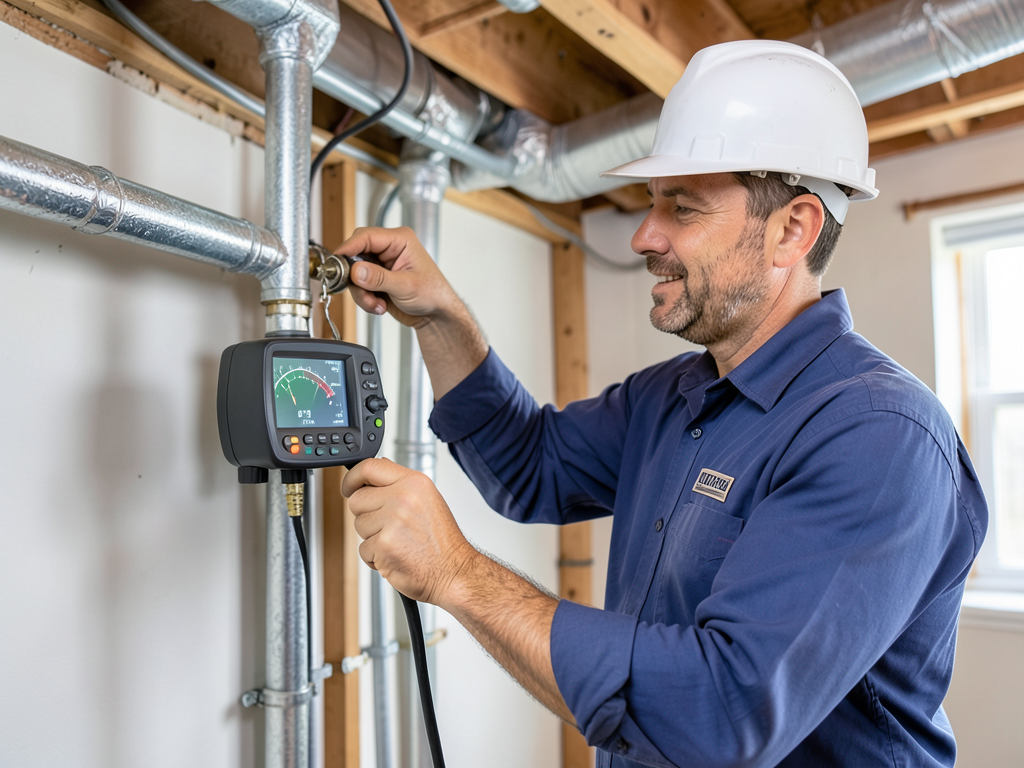
Summit HVAC Orlando treats multi-family HVAC services as infrastructure management, not reactive repair. We start with a full system audit that maps out every rooftop unit, air handler, and zone controller across your property. This audit identifies equipment age, capacity mismatches, and failure points before they turn into emergency calls. We document refrigerant charge levels, airflow rates, and electrical draw on every unit to establish baseline performance metrics.

We implement tiered maintenance schedules that rotate through your property in phases so you never have multiple units offline at once. High-occupancy floors and corner units that experience greater thermal load get more frequent filter changes and coil cleaning. Shared equipment like chillers and boiler systems get quarterly inspections with thermal imaging to catch bearing wear and refrigerant leaks before they escalate.

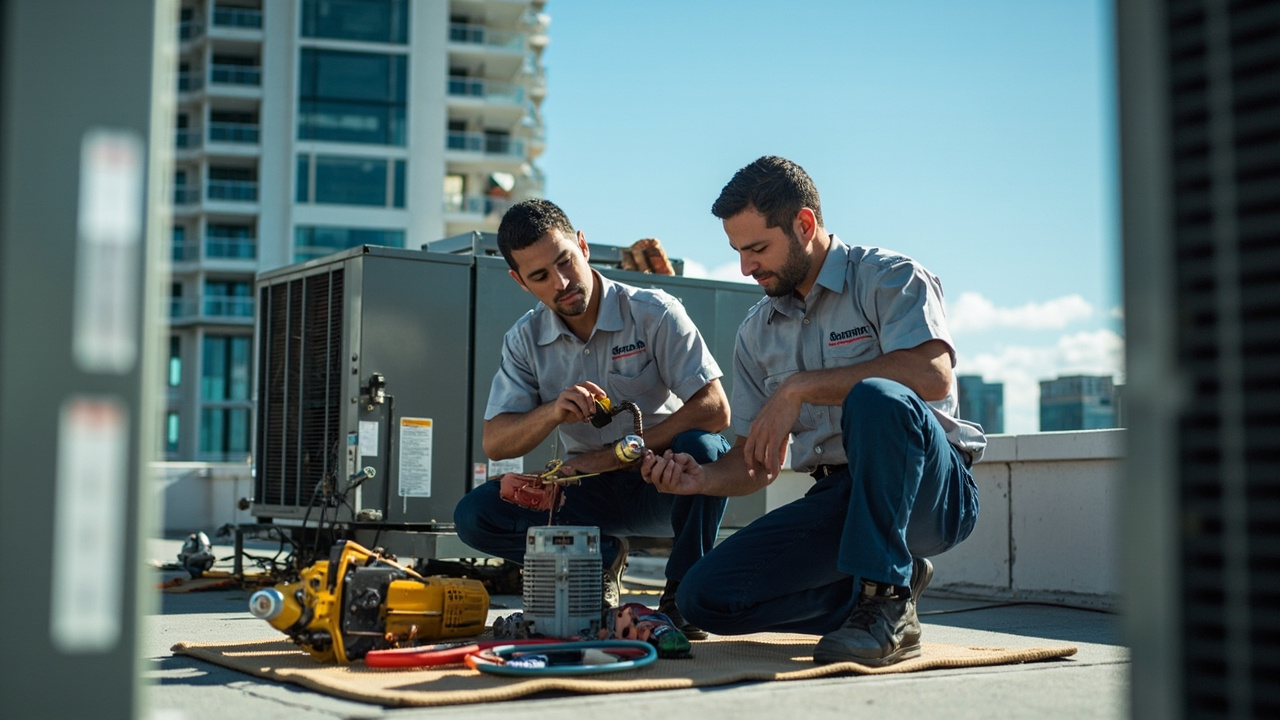
When repairs are needed, we prioritize occupied units and coordinate access with property managers to minimize disruption. Our technicians carry commercial-grade replacement parts for common multi-family systems like Carrier, Trane, and Lennox rooftop units. We use lockout/tagout procedures on centralized systems to ensure safety and code compliance during service work.

For properties with older split systems, we provide lifecycle replacement planning that staggers unit upgrades over multiple budget cycles instead of forcing a costly full replacement during peak failure season. We help property managers justify capital expenditures with energy consumption data and failure rate projections. When you manage 50 or 200 units, you need a contractor who understands cash flow constraints and can deliver ROI documentation for board approval.

Summit HVAC Orlando coordinates with building engineers and maintenance staff to transfer system knowledge and provide emergency contact protocols that reduce after-hours callout costs.

What Property Managers Can Expect from Our Multi-Family Service Model

Multi-Family HVAC Services in Orlando – Minimize Downtime and Protect Property Value Across Every Unit
01

Property Assessment and Equipment Inventory

We conduct a full property walkthrough to document every HVAC asset, noting equipment age, model numbers, and current condition. This inventory becomes the foundation for your maintenance schedule and capital planning. We identify code violations, safety hazards, and efficiency losses that create liability exposure. You receive a digital asset map with photos and service history that integrates with your property management software.
02

Scheduled Maintenance and Monitoring

Our team executes quarterly or monthly maintenance visits based on system age and tenant occupancy patterns. We rotate through buildings in a sequence that avoids disrupting high-traffic periods or resident work-from-home schedules. Each visit includes filter replacement, coil cleaning, refrigerant checks, and electrical testing. We flag units approaching end-of-life and provide replacement quotes with lead time estimates so you can budget appropriately and avoid emergency expenditures.
03

Priority Dispatch and Tenant Communication

When a unit fails, we provide same-day or next-day response depending on severity and occupancy status. Our technicians coordinate directly with property managers to schedule access and communicate expected repair timelines to residents. We handle emergency calls without requiring after-hours rate approvals for pre-authorized work. You receive digital service reports with photos and recommended follow-up actions within 24 hours of every visit, streamlining your documentation for board meetings and compliance audits.

Why Orlando Property Managers Choose Summit HVAC for Multi-Family Contracts

Managing HVAC across apartment complexes and condominiums in Orlando requires a contractor who understands the difference between residential comfort and commercial liability. Summit HVAC Orlando works with property managers who oversee buildings in downtown Orlando, Winter Park, and Kissimmee, where tenant expectations, building codes, and system complexity vary significantly.

We know that Florida Building Code requires specific ventilation rates for multi-family dwellings and that Orange County inspectors scrutinize refrigerant handling and disposal during unit replacements. We pull permits when required and provide documentation that satisfies HOA boards and compliance audits. Our technicians are trained on OSHA fall protection standards for rooftop work and use proper rigging when replacing packaged units on high-rise buildings.

Orlando's real estate market means high tenant turnover and constant unit turnovers. You need a contractor who can perform rapid turnover inspections to confirm HVAC functionality before new leases are signed. We provide pre-occupancy testing that catches issues before move-in day and reduces tenant complaints that turn into maintenance disputes.

We work with property management companies that oversee multiple buildings and need a single point of contact for all HVAC service across their portfolio. Our dispatch system routes technicians efficiently across Orlando to minimize travel time and maximize same-day service capacity. You get consistent pricing, standardized service protocols, and a dedicated account manager who understands your budget cycles and capital planning timelines.

Summit HVAC Orlando has the equipment and personnel capacity to handle simultaneous service calls across a 200-unit property without pulling technicians from other jobs. We maintain stock of high-turnover parts like contactors, capacitors, and expansion valves for common multi-family systems so repairs are completed in one visit.

What to Expect When You Partner with Summit HVAC for Multi-Family Service

Response Time and Availability

We provide guaranteed response windows based on severity. Emergency calls for occupied units with no cooling receive same-day dispatch. Routine maintenance and non-emergency repairs are scheduled within 48 hours. Property managers receive direct phone access to our dispatch team and can submit service requests through email or property management portals. We offer after-hours emergency service for critical failures that affect multiple units or common areas. During peak summer months, we pre-position technicians in high-density areas like the Dr. Phillips and MetroWest neighborhoods to reduce travel time and improve first-call resolution rates.

System Diagnosis and Repair Planning

Our technicians use digital manifolds, thermal imaging cameras, and amp meters to diagnose issues accurately on the first visit. We provide detailed written estimates for repairs that include parts, labor, and expected completion time. For complex issues involving central plant equipment or zone control failures, we offer engineering consultations that evaluate system design flaws and recommend cost-effective solutions. You receive photos and diagnostic data with every service report so you can make informed decisions about repair versus replacement. We explain technical findings in plain language for property managers who need to justify expenditures to ownership groups or boards.

Quality Standards and Code Compliance

Every installation and major repair meets or exceeds Florida Building Code requirements. We use manufacturer-approved parts and follow OEM installation procedures to preserve equipment warranties. Our technicians are EPA-certified for refrigerant handling and follow proper recovery and disposal protocols. We provide documentation for permit inspections and coordinate with local building departments to schedule final inspections. For properties undergoing renovations or additions, we review architectural plans to ensure HVAC capacity meets load calculations and code ventilation requirements. You receive warranty documentation and service records that transfer to new ownership during property sales.

Preventive Maintenance and Long-Term Planning

We offer annual or multi-year maintenance contracts that lock in pricing and guarantee service priority. Contracts include scheduled filter changes, coil cleaning, refrigerant top-offs, and electrical inspections performed on a rotating basis across your property. You receive annual system performance reports that track efficiency trends, failure rates, and projected replacement timelines for aging equipment. We help property managers build capital improvement budgets by forecasting equipment lifecycle costs and identifying energy-saving upgrade opportunities. Maintenance contracts reduce emergency repair costs by catching small issues before they escalate and extend equipment lifespan through consistent care.

Frequently Asked Questions

You Have Questions,
We Have Answers

What is the $5000 rule for HVAC? +

The $5000 rule is a cost-benefit guideline for commercial HVAC decisions. If the repair cost plus the system age (in years) exceeds $5000, replacement often makes more financial sense than repair. For Orlando multi-family properties, factor in high cooling demands and humidity control needs. A 12-year-old system needing $2000 in compressor work totals $14,000 under this formula, signaling replacement. This rule helps property managers avoid throwing money at failing equipment while maintaining tenant comfort and managing capital reserves responsibly.

What is multi family HVAC? +

Multi-family HVAC refers to heating and cooling systems designed for apartment complexes, condominiums, and residential buildings with multiple dwelling units. These systems differ from single-family residential setups through centralized equipment, zone control capabilities, and commercial-grade components built for continuous operation. In Orlando properties, multi-family HVAC typically includes package units on rooftops, split systems per unit, or central chiller plants depending on building size. Design focuses on energy efficiency across multiple units, minimizing downtime, and meeting code requirements for ventilation in shared spaces and individual units.

How much should an HVAC service call cost? +

For Orlando multi-family properties, HVAC service calls range from $150 to $350 depending on complexity and after-hours needs. Standard diagnostic visits during business hours cost less than emergency calls. Commercial service rates reflect technician expertise with large-capacity equipment, liability insurance requirements, and response time guarantees. Budget-conscious property managers should establish preventive maintenance contracts, which typically include discounted service call rates and priority scheduling. Emergency weekend calls for tenant comfort issues will cost more, but preventable failures cost far more in tenant turnover and property reputation.

Is multi stage HVAC worth it? +

Multi-stage HVAC systems deliver measurable ROI for Orlando multi-family properties. These systems adjust cooling output to match actual demand rather than running full-blast constantly. In Florida's extended cooling season, multi-stage units reduce energy consumption by 20-30% compared to single-stage equipment. They maintain more consistent temperatures across units, reduce humidity issues from short-cycling, and extend equipment lifespan through reduced wear. For properties with 10+ units, the energy savings offset higher upfront costs within three to five years while improving tenant satisfaction through better climate control.

What is the tax credit for HVAC system 2025? +

The 2025 Energy Efficient Home Improvement Credit offers up to $3,200 for qualifying HVAC equipment installations. Systems must meet specific efficiency ratings: heat pumps require 16 SEER2 and 8.1 HEER, central AC needs 16 SEER2. Multi-family property owners may qualify if units are individually metered and owner-occupied, though most investor-owned properties face limitations. Orlando property managers should consult tax professionals, as commercial property classifications typically pursue different incentive programs through Florida utilities or commercial energy rebates rather than residential tax credits.

What is the 3 minute rule for AC? +

The 3-minute rule prevents compressor damage in HVAC systems. After shutdown, refrigerant pressure must equalize before restarting. Starting too soon forces the compressor to work against high head pressure, causing mechanical failure. Most commercial units have built-in time-delay relays preventing rapid cycling. In Orlando multi-family buildings with older thermostats or manual overrides, property managers must educate maintenance staff never to flip breakers repeatedly during troubleshooting. Violating this rule voids warranties and leads to costly compressor replacement, not just simple repairs.

How much does a new HVAC system cost for a 1000 square foot condo? +

A new HVAC system for a 1000-square-foot Orlando condo requires 2.5 to 3 tons of cooling capacity. System costs vary based on efficiency ratings, installation complexity, and existing ductwork condition. High-efficiency units reduce operating costs in Florida's climate, where AC runs 8-10 months yearly. Multi-family installations often cost less than single-family homes due to simpler access and standardized layouts. Property managers should prioritize SEER ratings above 16 and ensure proper humidity control, as Orlando's moisture levels accelerate equipment degradation without adequate dehumidification.

What is the 2 foot rule for HVAC? +

The 2-foot rule requires clearance around outdoor HVAC condensers for proper airflow and service access. Orlando building codes mandate unobstructed space on all sides of condensing units. In multi-family properties, landscaping, storage items, or tenant belongings often violate this rule, restricting airflow and reducing efficiency by 15-20%. Blocked units run hotter, work harder, and fail sooner. Property managers should conduct quarterly inspections of rooftop and ground-level equipment, removing vegetation, debris, and unauthorized items. This simple maintenance step prevents premature equipment failure and reduces energy waste.

What are the disadvantages of multi-family homes? +

From an HVAC perspective, multi-family buildings face shared infrastructure challenges. One tenant's thermostat habits affect neighbors in buildings with shared systems. Emergency repairs impact multiple units, not just one household. Noise transmission through ductwork or shared walls requires careful system design. Orlando properties face additional humidity management complexity, as moisture from one poorly ventilated unit migrates through shared spaces. Property managers must balance individual comfort preferences with system-wide efficiency. Deferred maintenance affects multiple tenants, making preventive service non-negotiable. These factors require professional commercial HVAC expertise, not residential-grade service.

What is the lifespan of an HVAC system? +

Commercial-grade HVAC systems in Orlando multi-family properties last 12-15 years with proper maintenance. Florida's climate accelerates wear through continuous cooling demands, high humidity, and coastal salt exposure. Systems running year-round experience more compressor cycles than northern climates where equipment sits idle months yearly. Neglected maintenance cuts lifespan to 8-10 years. Property managers should budget for replacement based on installation dates, not waiting for failure. Proactive replacement avoids emergency situations, allows capital planning, and prevents tenant complaints. Regular filter changes, coil cleaning, and refrigerant checks maximize equipment longevity and ROI.

How Orlando's Humidity and Heat Accelerate HVAC Failures in Multi-Family Housing

Orlando's year-round humidity and temperatures that regularly exceed 90 degrees create relentless demand on apartment complex HVAC services. Multi-family properties with dozens of rooftop units face accelerated condenser coil fouling from airborne pollen, mold spores, and dust. High humidity causes drain pan corrosion and condensate line clogs that lead to water damage and indoor air quality complaints. Buildings near Lake Eola or the Conway area experience higher humidity levels due to proximity to water bodies, which increases the risk of mold growth in ductwork and air handlers. Multi-unit HVAC maintenance in Orlando requires more frequent coil cleaning and drain line flushing than properties in drier climates.

Property managers in Orlando need contractors who understand local building codes and the specific challenges of maintaining climate control in high-density housing. Orange County enforces strict ventilation standards for multi-family buildings, and older properties may require system upgrades to meet current code during major renovations. Summit HVAC Orlando works with local inspectors and understands permitting requirements for equipment replacements and refrigerant line modifications. We help property managers navigate compliance issues and provide documentation that satisfies HOA boards and ownership groups who demand accountability for capital expenditures.
HVAC Services in The Orlando Area

Summit proudly serves Orlando and surrounding Central Florida areas with fast, professional HVAC services. Whether you're in the heart of the city or in nearby neighborhoods, our technicians are just a call away. Use the map below to view our service area and plan your visit or consultation. We make it convenient to get expert help where and when you need it. Your comfort is always within reach with Summit.

Address:
Summit HVAC Orlando, 4700 Millenia BlvdOrlando, Orlando, FL, 32839

Additional Services We Offer

Our news updates

Latest Articles & News from The Blogs

How to prep your Lake Nona smart home HVAC system for a long summer vacation Heading to the beach or…

How to prep your Lake Nona smart home HVAC system for a long summer vacation

How to prep your Lake Nona smart home HVAC system for a long summer vacation Heading to the beach or…

Why your Winter Park home feels muggy even though the air conditioning is running

Why your Winter Park home feels muggy even though the air conditioning is running Your air conditioner runs nonstop but…

What to do when your AC starts blowing warm air in the middle of a Maitland heatwave

What to do when your AC starts blowing warm air in the middle of a Maitland heatwave Your AC is…

Contact Us

Contact Summit HVAC Orlando at (321) 463-7979 for a complimentary property assessment. We will evaluate your current systems, identify potential failure points, and provide a customized maintenance plan that reduces downtime and controls costs across every unit.