





Understanding Ductless Systems in Orlando – Your Complete Guide to How Mini Splits Work in Central Florida's Climate

Learn how ductless heat pumps operate, what makes mini split systems different from traditional HVAC, and why they're becoming the preferred cooling solution for Orlando homes facing high humidity and rising energy costs.

Slider Image 1
Slider Image 2
Slider Image 3
Slider Image 4
Slider Image 5
Slider Image 7
Slider Image 8
Slider Image 9
Slider Image 10
Slider Image 11

Why Orlando Homeowners Are Switching to Ductless HVAC Systems

Orlando's relentless heat and crushing humidity create a perfect storm for traditional central air systems. Your unit runs constantly from May through October, fighting 90-degree days and 80-percent humidity. Energy bills spike. Rooms stay muggy. The system struggles to keep up.

Ductless mini splits work differently than the central air system you grew up with. Instead of forcing cooled air through leaky ductwork that loses 20 to 30 percent of your conditioned air in unconditioned spaces like attics, a ductless system delivers cooling directly into each room through individual air handlers mounted on your walls.

The basics of mini split systems are straightforward. An outdoor compressor connects to one or more indoor units through a small conduit that carries refrigerant lines, power cables, and a condensate drain. No ductwork required. Each indoor unit operates independently, giving you zone control that traditional systems cannot match.

What are ductless heat pumps capable of in Orlando's climate? They excel at removing humidity while cooling efficiently. The inverter-driven compressor adjusts speed continuously instead of cycling on and off like traditional systems. This constant modulation keeps humidity in check and eliminates the temperature swings that make Florida homes uncomfortable.

For Orlando's older homes built without ductwork, home additions where extending ducts is impractical, or rooms that never cool properly, ductless air conditioning offers a solution that does not require tearing into walls or ceilings. The installation is minimally invasive, taking hours instead of days.

Why Orlando Homeowners Are Switching to Ductless HVAC Systems
How Ductless Mini Split Systems Actually Operate

How Ductless Mini Split Systems Actually Operate

A ductless hvac system explained starts with understanding refrigerant cycle fundamentals. The outdoor unit houses the compressor, condenser coil, and expansion valve. The indoor unit contains the evaporator coil and blower fan. Refrigerant circulates between these components through copper line sets.

During cooling mode, the indoor evaporator absorbs heat from your room air as refrigerant evaporates from liquid to gas. The compressor pumps this heated refrigerant to the outdoor condenser, where it releases heat to the outside air and condenses back to liquid. The expansion valve meters refrigerant flow, and the cycle repeats.

The inverter compressor is what separates modern mini splits from older technology. Instead of running at full capacity or shutting off completely, the inverter adjusts compressor speed from 20 to 100 percent based on actual cooling demand. This variable-speed operation delivers precise temperature control while consuming less energy than fixed-speed systems that constantly cycle.

Each indoor air handler operates as an independent zone with its own thermostat and settings. You can cool your bedroom to 68 degrees while keeping the guest room at 76 or off completely. The outdoor unit communicates with multiple indoor units through refrigerant line sets, adjusting capacity to meet combined demand.

In heating mode, the system reverses the refrigerant flow. The outdoor unit becomes the evaporator, extracting heat from outside air even on cool mornings. The indoor unit becomes the condenser, releasing that captured heat into your living space. This heat pump operation provides efficient heating down to outdoor temperatures in the mid-30s, covering Orlando's occasional cold snaps without auxiliary electric heat.

How We Help You Choose the Right Ductless Solution

Understanding Ductless Systems in Orlando – Your Complete Guide to How Mini Splits Work in Central Florida's Climate
01

Load Calculation and Assessment

We measure each room or zone you want to condition, accounting for window exposure, insulation levels, ceiling height, and occupancy patterns. Orlando's solar heat gain through west-facing windows significantly impacts sizing requirements. We calculate the actual cooling load using Manual J methodology, not guesswork. This prevents undersizing that leaves rooms warm or oversizing that wastes money and creates humidity problems from short cycling.
02

System Design and Configuration

We match your calculated loads to appropriate equipment, selecting the right outdoor unit capacity and indoor air handler sizes for each zone. The configuration determines how many indoor units connect to each outdoor unit and where refrigerant lines will run. We identify the best mounting locations for indoor units to optimize airflow distribution and aesthetics while minimizing line set length. Proper refrigerant line routing through exterior walls or attics prevents installation issues that compromise system performance.
03

Education and Operation Training

After installation, we walk you through operating each zone's remote control, explaining heating and cooling modes, fan speeds, and energy-saving features like sleep mode and temperature setback. You learn how to clean filters monthly and recognize signs that require professional service. We explain realistic expectations for performance in Orlando's climate and how to maximize efficiency through proper thermostat management. You receive documentation covering warranty terms, maintenance schedules, and troubleshooting basics.

Why Orlando Residents Trust Local Ductless Expertise

Installing ductless systems in Central Florida requires understanding challenges that northern installers never face. Orlando's high water table and frequent afternoon thunderstorms demand careful condensate drain planning to prevent water backup and indoor flooding. Outdoor units must withstand intense UV exposure and occasional hurricane-force winds, requiring proper mounting and clearances that exceed manufacturer minimums.

Summit HVAC Orlando technicians work with ductless systems daily in conditions identical to yours. We know which brands hold up to Florida humidity and which develop coil corrosion within years. We understand that attic line set installations require extra insulation beyond standard practice because your attic reaches 140 degrees in July. We size condensate pumps appropriately because Orlando's humidity produces significantly more condensation than drier climates.

Local building codes in Orange County require specific electrical disconnects and emergency shut-offs that vary from other jurisdictions. We handle permitting and inspections, ensuring your installation meets all current code requirements. This protects your home value and prevents insurance complications if you ever file a claim related to HVAC equipment.

The local knowledge extends to understanding Orlando's architectural styles. We have installed ductless systems in everything from 1950s concrete block homes in College Park to modern construction in Lake Nona. We know where walls contain plumbing that blocks line set routing and where attic trusses limit outdoor unit placement options. This experience prevents installation surprises that delay projects and increase costs.

Our ongoing relationships with local supply houses mean we stock common parts and can source replacements quickly when service is needed. National chains shipping parts from regional warehouses cannot match that response time when your system fails during a heatwave.

What to Expect When Exploring Ductless Options

Initial Consultation Timeline

We schedule in-home assessments within 48 hours of your call. The evaluation takes 45 to 90 minutes depending on your home size and the number of zones you want to condition. We measure rooms, photograph existing HVAC equipment, inspect electrical service capacity, and identify potential installation challenges. You receive a detailed proposal within 24 hours covering equipment specifications, installation scope, and transparent pricing. We answer questions by phone or email immediately, not days later. If you decide to proceed, we typically schedule installation within one to two weeks based on equipment availability and your calendar.

Comprehensive System Evaluation

Our assessment goes beyond measuring square footage. We use thermal imaging to identify insulation gaps and air leakage that impact system sizing. We test your electrical panel to confirm adequate amperage for new equipment without requiring service upgrades. We evaluate whether your home benefits more from a single-zone unit for one problem room or a multi-zone system replacing your entire central air setup. We discuss aesthetic preferences for indoor unit placement, showing you photos of different mounting options and explaining airflow patterns. You understand exactly what the installation involves before committing.

Installation Quality Standards

We mount outdoor units on composite pads that will not crack or settle in sandy Orlando soil. Refrigerant lines receive proper insulation and UV-resistant jacketing for exterior runs. We vacuum refrigerant lines to remove moisture and contaminants before charging the system, preventing compressor damage from contamination. Condensate drains include check valves and proper pitch to prevent backup. Wall penetrations receive weatherproof sealing that keeps insects and moisture out. We test all electrical connections, verify proper refrigerant charge through superheat and subcooling measurements, and confirm each zone achieves design temperatures before leaving your property.

Ongoing Support and Maintenance

Ductless systems require different maintenance than traditional central air. We offer service plans covering biannual cleanings where we remove and deep-clean indoor unit filters and coils, inspect refrigerant pressures, test condensate drainage, and verify electrical connections. These cleanings prevent the mold growth and efficiency loss that occurs when Orlando's humid air passes through dirty coils. You receive priority scheduling and discounted rates on any repairs needed between maintenance visits. We maintain detailed service records for your system, tracking refrigerant levels and component performance over time to catch developing issues before they cause breakdowns.

Frequently Asked Questions

You Have Questions,
We Have Answers

What is the $5000 AC rule? +

The $5000 AC rule refers to IRS guidance on repair versus replacement costs. If your AC repair costs less than $5000, you may deduct it as a maintenance expense in the current tax year. If the repair exceeds $5000, the IRS may classify it as a capital improvement, requiring you to depreciate the cost over several years instead of deducting it immediately. In Orlando's humid climate, older systems often need expensive compressor or evaporator coil replacements that push past this threshold. Always consult a tax professional to confirm how your specific AC expense qualifies under current tax law.

What are the disadvantages of a ductless mini-split? +

Ductless mini-splits cost more upfront than traditional central systems. Installation requires drilling through exterior walls for refrigerant lines, which some homeowners find invasive. Each indoor unit needs its own wall space, which can limit furniture placement or clash with decor preferences. In Orlando's high humidity, undersized systems struggle to dehumidify effectively, leaving rooms feeling clammy even at the right temperature. Filter maintenance falls on you rather than a single central filter. Finally, some units produce a faint hum or clicking sound during defrost cycles, which bothers light sleepers in bedrooms.

Why is my electric bill so high with mini-split? +

High electric bills with mini-splits often stem from incorrect sizing or poor installation. Oversized units short-cycle, running inefficiently without removing humidity in Orlando's muggy climate. Refrigerant line sets installed without proper insulation lose cooling capacity, forcing the compressor to work harder. Dirty filters choke airflow, spiking energy use. Running multiple indoor heads at extreme temperature setpoints simultaneously strains the outdoor unit. Poor sealing around wall penetrations lets conditioned air escape. Units placed in direct sun or near heat sources work overtime. Regular filter cleaning, proper thermostat settings, and professional maintenance keep operating costs low.

How many mini splits do I need for a 2000 square foot house? +

A 2000 square foot house typically needs 2 to 4 mini-split indoor heads, depending on layout and insulation quality. Open floor plans may need only 2 larger capacity units, while homes with multiple closed rooms require more zones. In Orlando, factor in sun exposure, ceiling height, and window efficiency. South-facing rooms with large windows need more capacity. Two-story homes benefit from separate zones per floor to manage heat stratification. A proper Manual J load calculation accounts for your home's specific heat gain factors. Undersizing leaves rooms uncomfortable during summer peaks, while oversizing wastes money and reduces dehumidification effectiveness.

What is the 3 minute rule for air conditioners? +

The 3 minute rule requires you to wait 3 minutes after turning off your air conditioner before restarting it. This short delay allows refrigerant pressure to equalize between the high-pressure and low-pressure sides of the system. Starting the compressor with unbalanced pressure forces it to work against excessive resistance, which can trip the breaker, damage compressor windings, or shorten equipment life. Most modern mini-splits include built-in delay timers that enforce this rule automatically. In Orlando's extreme heat, homeowners often panic and repeatedly cycle the system on and off, unknowingly stressing components during peak demand periods.

Can I write off my new AC unit on my taxes? +

You may write off a new AC unit on your taxes under specific circumstances. If you install an Energy Star qualified heat pump or ductless system, you could claim the federal Energy Efficient Home Improvement Credit, which offers up to 30% of the cost with annual caps. Medical necessity deductions apply if a doctor prescribes AC for a diagnosed condition like severe asthma. Rental property owners depreciate AC replacement costs over 27.5 years as a capital improvement. Home office deductions allow partial AC cost write-offs proportional to workspace square footage. Orlando homeowners should consult a tax professional to navigate current IRS rules and available credits.

How do Amish cool their homes without air conditioning? +

The Amish cool their homes using passive methods that predate electricity. They build homes with thick walls, deep overhangs, and cross-ventilation to promote natural airflow. Strategically placed windows create convective cooling as warm air rises and exits through upper openings. Many plant shade trees on the south and west sides to block afternoon sun. They use basements and root cellars as cool retreats during peak heat. Whole-house fans exhaust hot air at night. Some communities allow propane-powered refrigeration but not electric AC. While these techniques worked in temperate climates, Orlando's extreme heat and humidity make passive cooling insufficient for modern comfort and safety standards.

Do mini splits work in 100 degree weather? +

Yes, mini-splits work effectively in 100 degree weather when properly sized and maintained. Quality inverter-driven compressors maintain capacity even during extreme heat. In Orlando, where summer temperatures regularly hit the mid-90s with heat indices over 100, mini-splits outperform many traditional systems because they avoid the 20-30% energy loss associated with leaky ductwork. However, undersized systems struggle during peak load conditions. Units installed in direct sun or with inadequate clearance around the outdoor condenser lose efficiency. Keep outdoor coils clean, ensure proper refrigerant charge, and provide shade for the condenser to maintain peak performance during Orlando's brutal summer months.

Where should you not install a mini split? +

Never install a mini-split indoor unit directly above beds, seating areas, or workspaces where cold air blows on occupants. Avoid exterior walls with poor insulation, which creates condensation problems in Orlando's humidity. Keep units away from heat sources like stoves, fireplaces, or west-facing windows that skew temperature sensors. Do not mount units where furniture, curtains, or plants block airflow. Avoid cramped closets or corners without adequate clearance for air circulation and service access. Never place outdoor condensers against walls without proper clearance, in flower beds where vegetation blocks airflow, or under roof eaves that trap hot air and reduce efficiency.

What runs your electric bill up the most? +

Your HVAC system runs your electric bill up the most, accounting for 40-50% of home energy use in Orlando's climate. Water heaters rank second, followed by washers, dryers, and refrigerators. Phantom loads from devices in standby mode drain 5-10% constantly. Poor insulation and air sealing force your AC to run longer cycles. Incandescent bulbs waste energy as heat. Pool pumps running 24/7 spike costs unnecessarily. In Orlando's summer, setting thermostats below 72 degrees dramatically increases runtime and costs. Dirty AC filters, leaky ducts, and deferred maintenance compound the problem. Smart thermostats, LED bulbs, and regular HVAC tune-ups cut costs significantly.

Why Orlando's Humidity Makes Understanding Ductless Systems Critical

Orlando averages 74 percent relative humidity year-round, with summer mornings frequently hitting 90 percent before the sun burns off the moisture. This constant humidity challenges any air conditioning system, but it exposes the fundamental weakness of traditional central air that ductless systems solve. Leaky ductwork running through your superheated attic does not just waste energy. It introduces humid attic air into your conditioned space through return leaks and fails to adequately dehumidify because cooled air warms up traveling through hot ducts before reaching your rooms. Ductless systems eliminate this entire problem by delivering refrigerated air directly where you need it without the losses inherent to duct systems.

Central Florida's construction boom over the past two decades created thousands of home additions and converted garages where extending existing ductwork is impractical or impossible. Orlando's established neighborhoods like Baldwin Park, Thornton Park, and Audubon Park contain older homes built before central air became standard. These properties have unique cooling challenges that ductless technology addresses better than any retrofit duct system. Local HVAC contractors who understand these specific applications can guide you toward solutions that work long-term in Florida's climate, not generic approaches that fail within years.
HVAC Services in The Orlando Area

Summit proudly serves Orlando and surrounding Central Florida areas with fast, professional HVAC services. Whether you're in the heart of the city or in nearby neighborhoods, our technicians are just a call away. Use the map below to view our service area and plan your visit or consultation. We make it convenient to get expert help where and when you need it. Your comfort is always within reach with Summit.

Address:
Summit HVAC Orlando, 4700 Millenia BlvdOrlando, Orlando, FL, 32839

Additional Services We Offer

Our news updates

Latest Articles & News from The Blogs

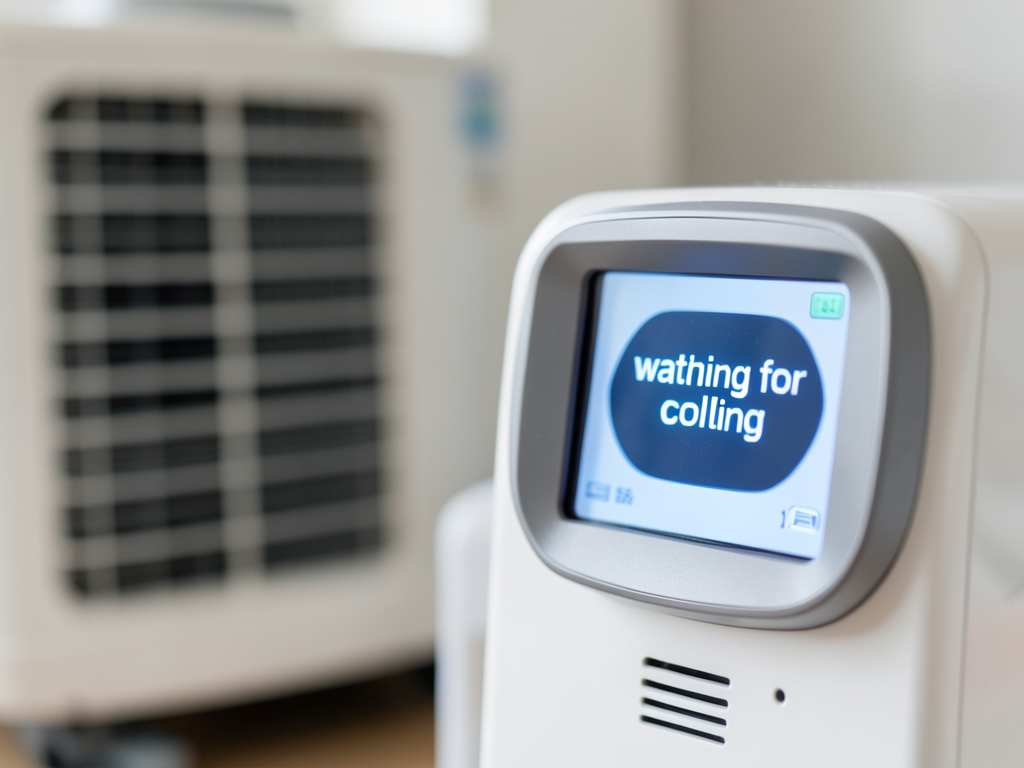
What to do if your St. Cloud thermostat says waiting for more than five minutes Your thermostat displays 'waiting for…

What to do if your St. Cloud thermostat says waiting for more than five minutes

What to do if your St. Cloud thermostat says waiting for more than five minutes Your thermostat displays 'waiting for…

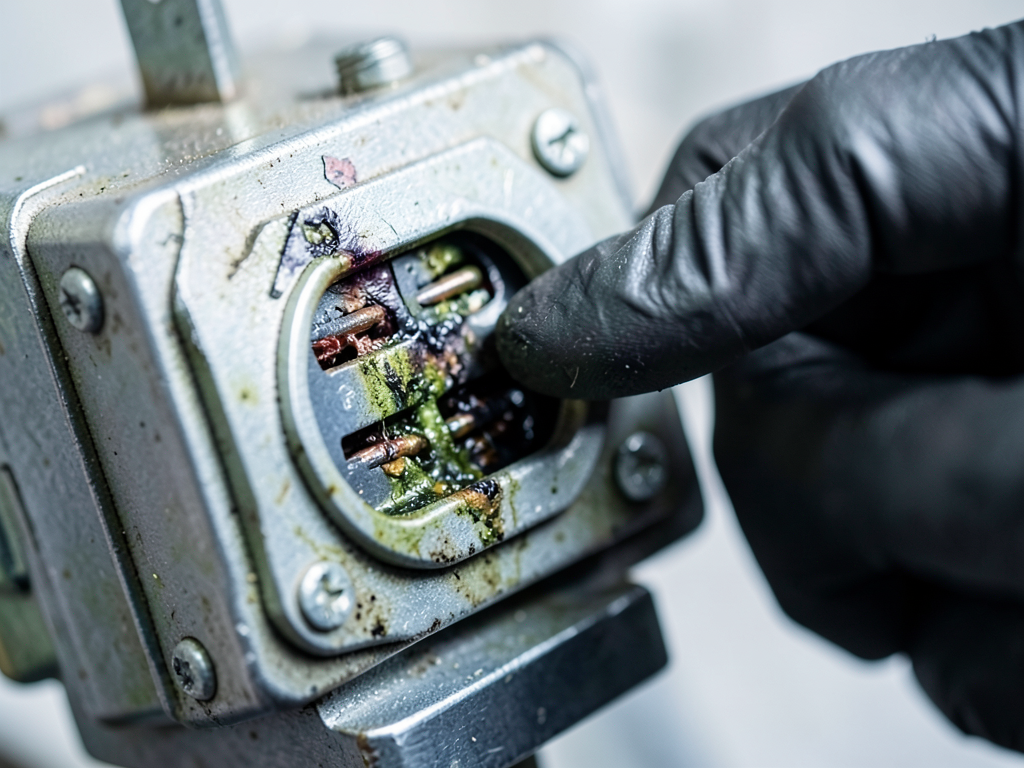
What it means when your Ocoee cooling system starts making a loud clicking sound

What it means when your Ocoee cooling system starts making a loud clicking sound Your outdoor AC unit should hum…

How to tell if your Celebration home builder installed the right size ductwork

How to tell if your Celebration home builder installed the right size ductwork Your Celebration home should feel comfortable year-round.…

Contact Us

Stop wondering if ductless is right for your situation. Call Summit HVAC Orlando at (321) 463-7979 for a no-pressure consultation. We will evaluate your home, answer your questions, and show you exactly what ductless can do for your comfort and energy bills.