





Geothermal Heating & Cooling in Orlando – Cut Your Energy Bills by Up to 70% Year-Round

Summit HVAC Orlando installs geothermal heat pumps that tap into Florida's stable underground temperatures to deliver efficient heating and cooling with minimal electricity use and zero fossil fuels.

Slider Image 1
Slider Image 2
Slider Image 3
Slider Image 4
Slider Image 5
Slider Image 7
Slider Image 8
Slider Image 9
Slider Image 10
Slider Image 11

Why Geothermal Systems Make Sense in Central Florida's Climate

Orlando's subtropical climate creates a long cooling season. Air conditioners run eight to ten months per year. The constant load drives up electricity bills and wears out conventional systems faster than in northern climates.

Below ground, temperatures in Central Florida stay steady at around 70 degrees year-round. A geothermal heat pump uses this thermal stability to move heat rather than generate it. During summer, the system pulls heat from your home and transfers it into the earth through buried ground loops. In winter, the process reverses. The ground-coupled heat pump extracts warmth from the soil and delivers it indoors.

This approach consumes far less electricity than traditional air-source systems. You avoid the inefficiency of fighting 95-degree outdoor air in July or generating heat from electric resistance coils in January. The Environmental Protection Agency ranks geothermal HVAC systems as the most energy-efficient climate control technology available.

Orlando's sandy soil and high water table create ideal conditions for horizontal ground loops. Installation crews can trench shallow depths without hitting bedrock. Properties with limited land area can use vertical boreholes drilled 150 to 400 feet deep. Both configurations work efficiently in our geology.

Humidity control improves with geoexchange systems because the equipment runs longer cycles at lower speeds. This extended runtime removes more moisture from indoor air compared to short-cycling conventional systems. You get better comfort and less mold risk in our humid climate.

Why Geothermal Systems Make Sense in Central Florida's Climate
How Ground Source Heat Pumps Deliver Superior Performance

How Ground Source Heat Pumps Deliver Superior Performance

A geothermal system has three main components: the ground loop, the heat pump unit, and the distribution system.

The ground loop is a closed circuit of high-density polyethylene pipe buried underground. We fill it with a water-antifreeze solution that circulates continuously. In cooling mode, this fluid absorbs heat from your home and carries it into the earth. The cooler fluid returns to the heat pump to repeat the cycle. In heating mode, the fluid collects warmth from the ground and delivers it to the indoor unit.

The heat pump itself sits inside your home, typically in a mechanical room or garage. It contains a compressor, heat exchanger, and reversing valve. The compressor moves refrigerant through the system to transfer thermal energy between the ground loop and your ductwork. The reversing valve switches the flow direction to change between heating and cooling.

We connect the heat pump to your existing duct system or install a new air handler if you're upgrading from a different heating method. Some installations use a desuperheater to preheat domestic hot water as a bonus feature. This component captures waste heat from the refrigeration cycle and feeds it to your water heater.

Geothermal heat pumps move three to five units of heat for every unit of electricity consumed. Conventional air conditioners move only one to two units. This efficiency gap translates directly into lower operating costs.

We size the system based on your home's heating and cooling load, not just square footage. Proper load calculation accounts for insulation levels, window quality, orientation, and occupancy patterns. Undersizing causes comfort problems. Oversizing wastes money and reduces efficiency.

What Happens During Your Geothermal Installation

Geothermal Heating & Cooling in Orlando – Cut Your Energy Bills by Up to 70% Year-Round
01

Site Assessment and Design

We perform a Manual J load calculation to determine your exact heating and cooling requirements. Our team evaluates your property for ground loop placement, checking for underground utilities, drainage patterns, and soil composition. We design a loop field that fits your land constraints while meeting thermal capacity requirements. You receive a detailed proposal showing equipment specifications, loop configuration, and energy savings projections before any work begins.
02

Ground Loop Installation

We excavate trenches or drill boreholes based on your site conditions. Horizontal loops require trenches four to six feet deep. Vertical loops need boreholes 150 to 400 feet deep. We pressure-test all piping before backfilling to guarantee leak-free operation. The loop connects to your indoor heat pump through insulated supply and return lines. We flush the system and charge it with the proper fluid mixture to ensure optimal heat transfer efficiency.
03

System Commissioning and Training

After installing the indoor heat pump and connecting it to your ductwork, we start the system and verify all operating parameters. We check refrigerant charge, airflow rates, and temperature differentials across the heat exchanger. You get a walkthrough of your new thermostat and system controls. We explain maintenance requirements and answer questions about operation. Your geothermal system is now ready to deliver year-round comfort at a fraction of conventional operating costs.

Why Orlando Homeowners Choose Summit HVAC for Geothermal Projects

Geothermal installation requires specialized knowledge that most HVAC contractors lack. We train specifically on ground-coupled heat pump technology and hold certifications from the International Ground Source Heat Pump Association.

Orlando's building codes treat geothermal systems differently than conventional HVAC equipment. The ground loop component requires separate permitting and inspection. We handle all permit applications and coordinate with Orange County building officials to keep your project on schedule.

Our installation teams use horizontal directional drilling when appropriate to minimize landscape disruption. This technique allows us to install ground loops under driveways, patios, and mature landscaping without excavation. You avoid the torn-up yard that comes with traditional trenching.

We work directly with utility providers to secure available rebates and incentives. Orlando Utilities Commission offers rebates for qualifying geothermal installations. Federal tax credits cover 30 percent of total system cost through 2032. We provide the documentation you need to claim these incentives.

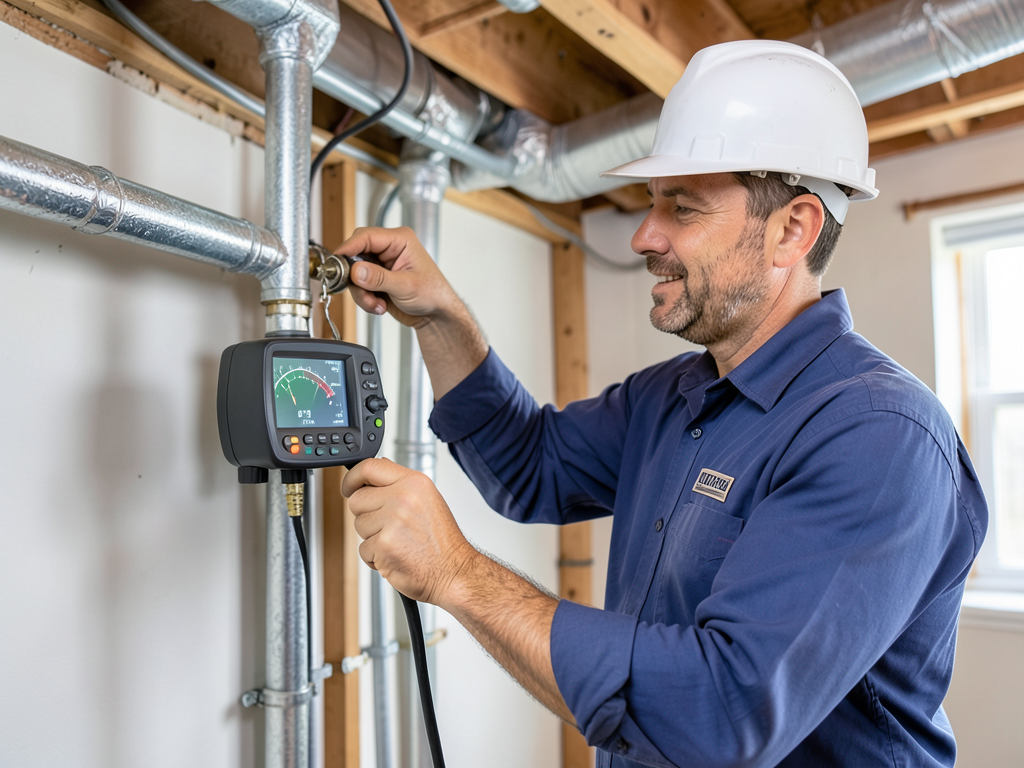
Summit HVAC Orlando stocks geothermal-specific parts that other contractors order only when needed. This inventory reduces repair downtime if service is ever required. Our technicians carry diagnostic equipment designed for ground source systems, including flow meters and ground loop test equipment.

We also understand the financing reality of geothermal projects. The higher upfront cost intimidates many homeowners, even when the payback period is clear. We connect you with lenders who specialize in energy-efficiency upgrades and understand how to evaluate long-term operating savings. Many clients finance their geothermal system and still see net positive cash flow from month one because the energy savings exceed the loan payment.

What to Expect from Your Geothermal System

Installation Timeline and Process

A typical residential geothermal installation takes five to seven days from start to finish. Ground loop installation accounts for most of this time. We complete trenching or drilling in two to three days, depending on soil conditions and loop configuration. Indoor equipment installation takes one to two days. Final commissioning and testing require half a day. Weather can extend timelines during heavy rain. We protect your property with ground protection mats and restore landscaping to original condition. Your yard may show signs of recent work, but grass regrows within a few weeks.

Initial Consultation and Energy Analysis

We start with a home energy assessment to identify your current HVAC costs and inefficiencies. You provide 12 months of utility bills so we can calculate baseline energy use. Our team performs a room-by-room load calculation using ACCA Manual J methodology. We measure your existing ductwork and test for air leakage. You receive a detailed proposal showing projected energy savings, payback period, and available incentives. This analysis takes about two hours. We answer questions about system operation, maintenance requirements, and financing options before you commit to the project.

Performance and Comfort Results

Geothermal systems deliver more consistent temperatures than conventional air conditioners. You eliminate the hot and cold spots common with standard equipment. Humidity control improves because the system removes moisture more effectively during longer run cycles. Your home stays comfortable at higher thermostat settings in summer, which saves additional energy. Noise levels drop significantly because the outdoor condenser is eliminated. The only sound you hear is the indoor air handler, which runs quieter than most furnaces. Energy bills typically drop 40 to 70 percent depending on your previous system efficiency and home characteristics.

Maintenance and System Longevity

Ground loops last 50 years or more with zero maintenance required. The buried piping has no moving parts and sits protected underground away from weather and physical damage. The indoor heat pump requires annual filter changes and periodic refrigerant checks, similar to a conventional system. Expect the heat pump to last 20 to 25 years, roughly double the lifespan of a standard air conditioner. We offer maintenance plans that include annual inspections, priority service, and discounts on repairs. Most geothermal systems operate for decades with minimal service needs beyond routine filter changes.

Frequently Asked Questions

You Have Questions,
We Have Answers

What is the downside of geothermal heating? +

The primary downside is upfront cost. Installing a geothermal system in Orlando runs significantly higher than traditional HVAC because you need ground loop installation, which requires excavation or drilling. Orlando's water table and sandy soil can add complexity. You also need adequate yard space for horizontal loops or budget for vertical drilling. If your property sits on a small lot in a dense neighborhood like College Park or Winter Park, space becomes a limiting factor. Repair costs for underground components can be expensive, though failures are rare. The system also requires electricity to run the heat pump, so you are not completely energy-independent.

Is geothermal heating and cooling worth it? +

Yes, geothermal is worth it in Orlando if you plan to stay in your home long-term. Orlando's climate demands year-round cooling, and geothermal systems reduce cooling costs by 30 to 50 percent compared to conventional air conditioning. The ground temperature stays stable around 70 degrees, which means your system works less to move heat. You will see lower electric bills, especially during brutal summer months when AC runs nonstop. Federal tax credits and utility rebates help offset installation costs. If you stay in the home for 10 to 15 years, the energy savings outweigh the initial investment.

How much does it cost to put geothermal in a 2000 sq ft house? +

Installing geothermal in a 2,000 square foot home in Orlando costs between $20,000 and $40,000. The wide range depends on ground loop type. Horizontal loops need more yard space but cost less. Vertical loops require drilling but work on smaller lots. Orlando's sandy soil and high water table can influence installation complexity and price. You also pay for the heat pump unit, ductwork modifications, and labor. Federal tax credits can reduce your net cost by 30 percent. Get multiple quotes from local contractors familiar with Florida's geology and permitting to ensure accurate pricing.

Why is my electric bill so high with geothermal? +

Your electric bill may seem high because geothermal systems still use electricity to run the heat pump and circulate refrigerant. If your bill jumped after installation, check for undersized equipment, poor ductwork design, or incorrect loop sizing. Orlando's cooling load is intense, and if the system was not designed for Florida's humidity and heat, it will run longer cycles. Air leaks in ducts or poor insulation force the system to work harder. Old thermostats or incorrect settings can also spike usage. Have a qualified technician inspect your system's performance and compare it to pre-installation usage to identify the issue.

What are three bad things about geothermal energy? +

First, high upfront cost makes geothermal inaccessible for many homeowners. Second, installation requires significant yard disruption, which can damage landscaping, irrigation, or existing structures. In Orlando, this matters if you have mature trees, pools, or septic systems. Third, geothermal systems rely on electricity, so if your local grid is powered by fossil fuels, your carbon footprint is not zero. You also face limited contractor availability in Central Florida, which can delay repairs or installations. Soil conditions and water table depth in Orlando can complicate loop installation, driving up costs and project timelines unexpectedly.

What is the life expectancy of a geothermal system? +

The indoor heat pump unit lasts 20 to 25 years, similar to a traditional HVAC system. The underground ground loop lasts 50 years or more because the piping is buried and protected from weather, UV exposure, and physical damage. In Orlando's sandy soil, pipes experience minimal shifting or stress compared to clay-heavy regions. The loop's longevity is a major advantage, as you may only replace the heat pump once or twice during the loop's lifespan. Proper installation and maintenance extend equipment life. Regular filter changes, annual inspections, and keeping ductwork sealed help maximize system durability.

What are the 10 disadvantages of geothermal? +

High upfront cost, significant yard disruption, reliance on electricity, limited contractor availability in Orlando, potential soil complications, space requirements for loops, expensive underground repairs if needed, longer installation timelines than traditional HVAC, performance issues if improperly sized for Florida's cooling load, and noise from the indoor unit if not installed correctly. While geothermal systems are efficient and durable, these ten factors create barriers for some homeowners. Careful planning, working with experienced contractors familiar with Orlando's geology, and realistic expectations about payback periods help you avoid common pitfalls and ensure the system performs as designed long-term.

How long does it take for geothermal to pay for itself? +

Geothermal systems in Orlando typically pay for themselves in 10 to 15 years through energy savings. Your payback period depends on your current energy costs, system size, and how much cooling you use. Orlando homes run AC heavily from March through October, so savings accumulate faster than in cooler climates. Federal tax credits shorten payback by reducing your net installation cost by 30 percent. If electricity rates rise, your payback accelerates. Financing options and utility rebates can also improve the return timeline. Calculate your specific usage and compare it to projected geothermal costs for an accurate estimate.

What size yard do I need for geothermal? +

Horizontal ground loops need 1,500 to 2,500 square feet of open yard space for a typical Orlando home. The exact size depends on your cooling load and soil conditions. Sandy soil in Central Florida allows efficient heat transfer, which can reduce loop size slightly. If your lot is smaller, vertical loops work on properties as small as a quarter acre because drilling goes down instead of out. Vertical systems cost more but fit subdivisions with tight lot lines. Avoid areas with septic systems, pools, or large tree roots. A site evaluation determines the best loop configuration for your property.

Is geothermal worth it in 2025? +

Yes, geothermal is worth it in 2025 if you live in Orlando and plan to stay long-term. Federal tax credits remain at 30 percent through 2032, making now an ideal time to install. Energy costs continue rising, which accelerates payback. Orlando's intense cooling demand means you will save more than homeowners in mild climates. New heat pump technology improves efficiency and reliability. If you are building new construction or replacing a failing HVAC system, geothermal makes financial sense. Pair it with solar panels to maximize savings. Evaluate your property, budget, and energy goals before committing.

Why Orlando's Soil Conditions Make Geothermal Installation More Cost-Effective

Central Florida's sandy soil and shallow bedrock create ideal conditions for horizontal ground loops. Installation crews can trench to the required depth without encountering limestone or heavy clay that slows excavation. The high water table improves heat transfer efficiency because moist soil conducts thermal energy better than dry soil. Properties near the Conway, Baldwin Park, and Lake Nona areas benefit from particularly favorable geology. Horizontal loop fields require less land area here than in northern climates because the moderate ground temperature reduces the total pipe length needed to meet heating loads.

Summit HVAC Orlando works with local utility providers who actively support geothermal adoption. Orlando Utilities Commission recognizes ground source heat pumps as peak demand reduction tools. The systems shift cooling load away from afternoon hours when the grid struggles most. We stay current on changing incentive programs and building code requirements specific to Orange County. Our relationships with local inspectors streamline the permitting process. We also understand how homeowner associations in master-planned communities like Avalon Park and Lake Nona regulate ground disturbance during installation. This local knowledge prevents delays and ensures compliance.
HVAC Services in The Orlando Area

Summit proudly serves Orlando and surrounding Central Florida areas with fast, professional HVAC services. Whether you're in the heart of the city or in nearby neighborhoods, our technicians are just a call away. Use the map below to view our service area and plan your visit or consultation. We make it convenient to get expert help where and when you need it. Your comfort is always within reach with Summit.

Address:
Summit HVAC Orlando, 4700 Millenia BlvdOrlando, Orlando, FL, 32839

Additional Services We Offer

Our news updates

Latest Articles & News from The Blogs

What to do if your St. Cloud thermostat says waiting for more than five minutes Your thermostat displays 'waiting for…

What to do if your St. Cloud thermostat says waiting for more than five minutes

What to do if your St. Cloud thermostat says waiting for more than five minutes Your thermostat displays 'waiting for…

What it means when your Ocoee cooling system starts making a loud clicking sound

What it means when your Ocoee cooling system starts making a loud clicking sound Your outdoor AC unit should hum…

How to tell if your Celebration home builder installed the right size ductwork

How to tell if your Celebration home builder installed the right size ductwork Your Celebration home should feel comfortable year-round.…

Contact Us

Call Summit HVAC Orlando at (321) 463-7979 for a free geothermal feasibility assessment. We will evaluate your property, calculate potential savings, and explain available incentives. Stop paying for expensive conventional cooling and switch to the most efficient climate control technology available.