





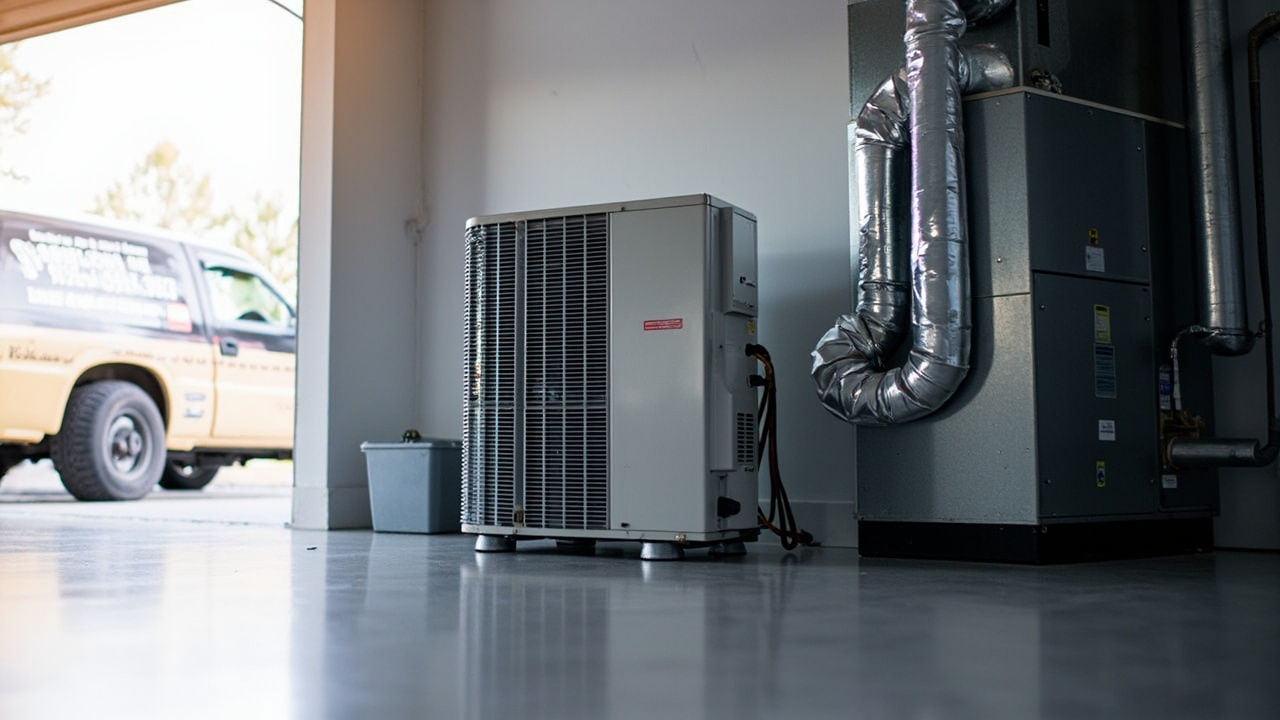
Orlando sits in IECC Climate Zone 2A, which means cooling degree days far outnumber heating degree days. Our average winter low is 50 degrees, and we see fewer than 10 nights per year below 40 degrees. A gas furnace sized for a Chicago winter is massively oversized for Orlando and will short-cycle during our mild cold snaps, wasting fuel and wearing out components. A heat pump, on the other hand, operates efficiently down to 40 degrees and can meet our heating load without auxiliary heat on most winter nights. When you factor in our high humidity, a heat pump's ability to dehumidify while cooling becomes a huge advantage over a furnace that only heats and requires a separate air conditioner for cooling season.
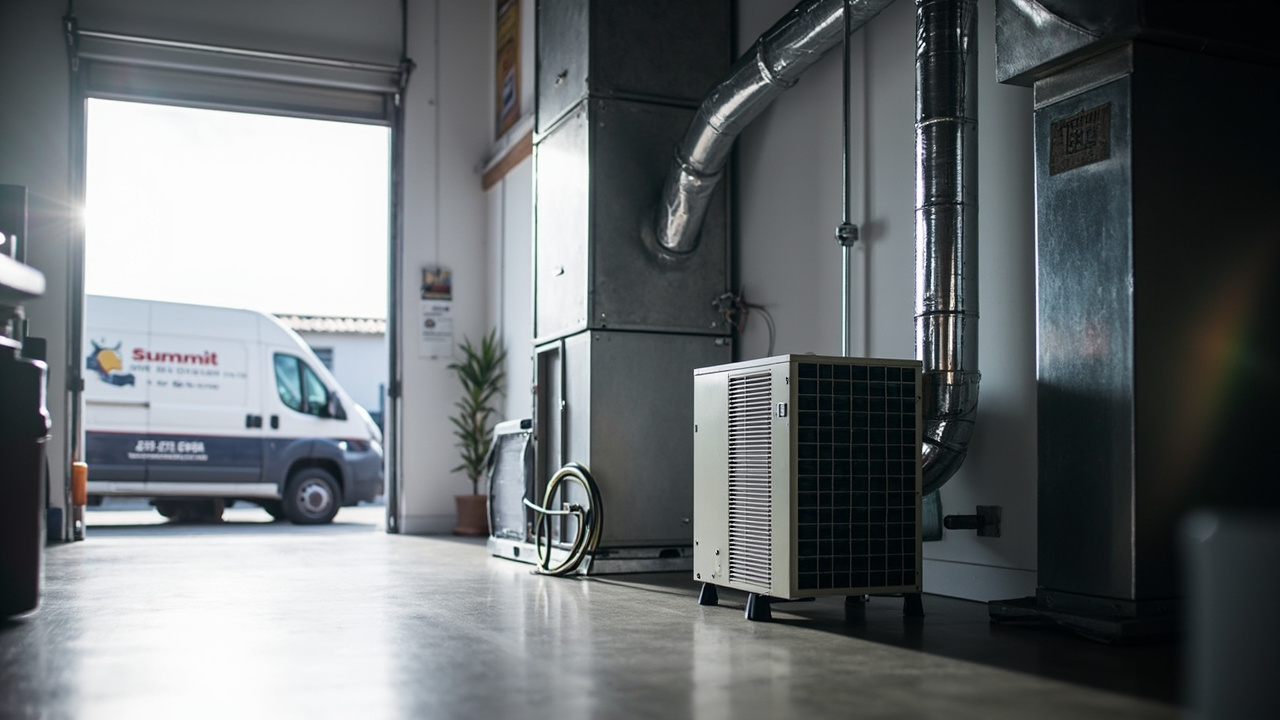
Central Florida also has limited natural gas infrastructure compared to the Northeast or Midwest. Many Orlando neighborhoods rely entirely on electric service, which means installing a gas furnace requires running a new gas line, adding thousands to your upfront cost. Local HVAC contractors who understand Orlando's climate and utility landscape will steer you toward heat pumps unless you have a compelling reason to burn gas. Summit HVAC Orlando has been serving Orange County, Seminole County, and Osceola County long enough to know which systems perform reliably in our sandy soil, high water tables, and frequent afternoon thunderstorms. We know the local building inspectors, the local supply houses, and the local conditions that affect long-term equipment performance.