






AC Blowing Warm Air in Orlando – Expert Diagnosis and Same-Day Repair

When your AC blows warm air, you need a technician who can diagnose the real problem fast. Summit HVAC Orlando troubleshoots AC blowing warm air issues with precision testing, not guesswork, so you get cold air again today.

Slider Image 1
Slider Image 2
Slider Image 3
Slider Image 4
Slider Image 5
Slider Image 7
Slider Image 8
Slider Image 9
Slider Image 10
Slider Image 11

Why Your Air Conditioner Blowing Hot Air Is More Than Just a Bad Thermostat

You walk into your home expecting cold relief. Instead, your ac vents blowing hot air greet you like a furnace. You check the thermostat. It is set to cool. You check the breaker. Everything looks fine. Yet your central air blowing warm air continues, and the temperature climbs.

This is not normal. An air conditioning not blowing cold air means something inside your system has failed or is starved of what it needs to produce cold air. Orlando's brutal summer heat and relentless humidity put extreme demand on every air conditioning component. When your system runs 10 to 12 hours a day fighting 95-degree outdoor temperatures and indoor humidity that creeps toward 60 percent, even small issues escalate fast.

The most common culprits behind an ac running but not cooling are a refrigerant leak, a failed compressor, a frozen evaporator coil, or a blown capacitor. Each of these issues has a different root cause. Each requires a different repair. Guessing wastes time and money. Accurate diagnosis is the only way to fix the real problem.

Orlando homeowners near Lake Eola, Baldwin Park, and Metrowest neighborhoods see these failures spike in June through September when air conditioning systems run nonstop. The longer you wait, the more your system works against itself. A refrigerant leak forces your compressor to work harder, which can destroy the compressor entirely. A frozen coil can flood your air handler and damage your ductwork. Small problems do not stay small in Florida heat.

Why Your Air Conditioner Blowing Hot Air Is More Than Just a Bad Thermostat
How We Diagnose Air Conditioner Blowing Hot Air the Right Way

How We Diagnose Air Conditioner Blowing Hot Air the Right Way

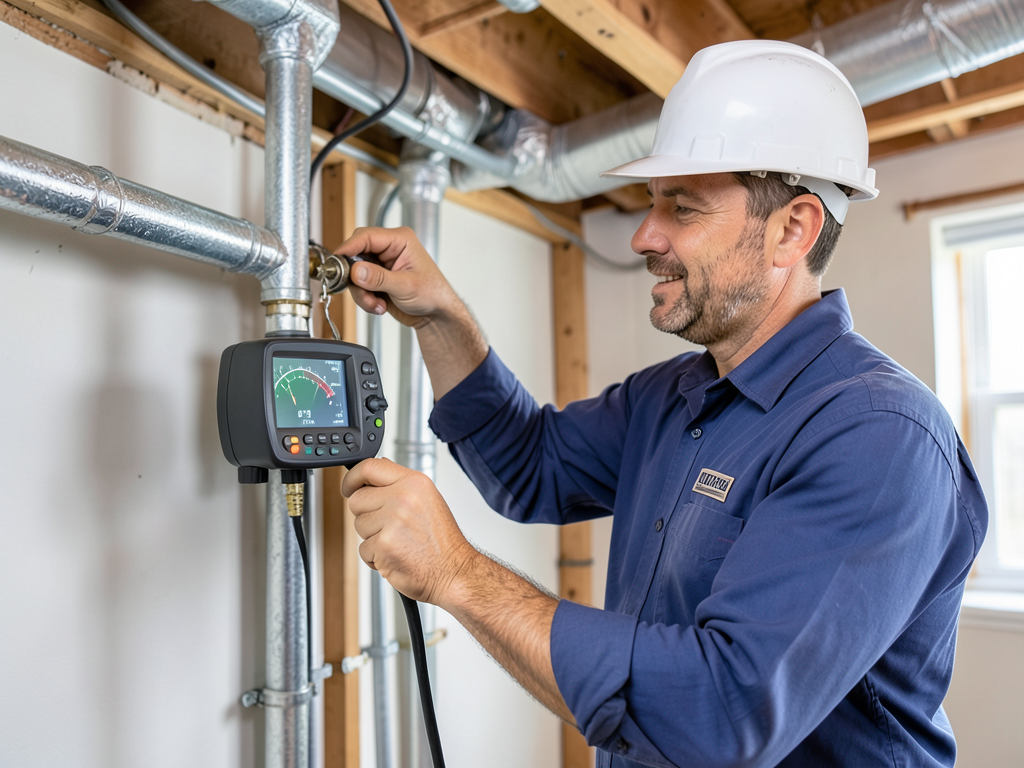
Summit HVAC Orlando does not walk in with a clipboard and a guess. We walk in with diagnostic tools that measure refrigerant pressures, amperage draws, airflow velocity, and coil temperatures. These data points tell us exactly where your system is failing.

We start at the outdoor condenser unit. We check refrigerant pressures on both the suction and discharge lines. Low suction pressure combined with low superheat usually signals a refrigerant leak. High head pressure with low airflow across the condenser coil indicates a dirty coil or a failing fan motor. We check the compressor's amperage draw against the manufacturer nameplate. If the compressor is drawing too much current, the windings are failing. If it is drawing too little, the capacitor is weak or the compressor is short-cycling.

Next, we inspect the indoor evaporator coil. If the coil is frozen, we check the blower motor speed, the return air filter condition, and the refrigerant charge. A frozen coil is almost always caused by restricted airflow or low refrigerant. Both issues require different fixes. We measure the temperature split between the return air and supply air. A split below 15 degrees means your system is not absorbing enough heat. A split above 22 degrees can indicate overcharge or a failing metering device.

We test capacitors with a multimeter. Capacitors fail often in Florida because heat degrades the dielectric fluid inside. A weak capacitor prevents the compressor or blower motor from starting correctly. This causes the motor to overheat and fail. Replacing a capacitor costs a fraction of replacing a compressor. Accurate testing prevents unnecessary repairs.

What Happens During Your AC Warm Air Repair

AC Blowing Warm Air in Orlando – Expert Diagnosis and Same-Day Repair
01

System Performance Testing

We connect manifold gauges to measure refrigerant pressures and use a clamp meter to check electrical loads on the compressor and blower motor. We verify airflow with an anemometer and check the temperature differential across the evaporator coil. These measurements tell us if the issue is mechanical, electrical, or refrigerant-related. This step takes 15 to 20 minutes and eliminates guesswork.
02

Component Repair or Replacement

Once we identify the failed component, we replace it with OEM or equivalent-grade parts. If the issue is a refrigerant leak, we locate the leak with nitrogen pressure testing or electronic leak detectors, repair the line, pull a vacuum, and recharge the system to manufacturer specifications. If the compressor has failed, we replace it and flush the refrigerant lines to remove contamination. Each repair is documented with before and after pressure readings.
03

Final System Verification

After the repair, we run the system through a full cooling cycle. We measure the supply air temperature, verify the refrigerant charge, and confirm the compressor amperage is within spec. We check for proper condensate drainage and inspect the ductwork for any secondary issues. You do not pay until your system is blowing cold air at the correct temperature and your home is cooling down.

Why Orlando Homeowners Trust Summit HVAC for AC Blowing Warm Air Repairs

You need a technician who understands how Orlando's climate affects air conditioning performance. Humidity does not just make your home feel warmer. It forces your evaporator coil to work harder to remove moisture from the air. When your system is low on refrigerant or the airflow is restricted, the coil cannot handle the latent heat load. The result is warm air and a system that runs constantly but never cools.

We know the specific failure patterns that show up in Orlando. We know that dirty condenser coils clogged with oak pollen and Love Bug residue cause high head pressure and compressor overheating. We know that homes near Conway and Doctor Phillips with older ductwork often have return air leaks that pull in hot attic air, which makes the evaporator coil struggle. We know that refrigerant leaks in systems installed between 2010 and 2015 are common because of the industry-wide transition to R-410A, which operates at higher pressures and stresses weak joints.

Summit HVAC Orlando technicians are trained on all major residential brands, including Carrier, Trane, Lennox, Goodman, and Rheem. We carry the most common failure parts on our trucks, including capacitors, contactors, reversing valves, and TXVs. This means we can complete most repairs in a single visit. No waiting three days for a part to arrive while your house bakes.

We also understand the financial pressure of an unexpected AC repair. We provide upfront pricing before we start the work. You know what the repair will cost before we pick up a wrench. No surprises. No upselling. Just honest diagnosis and competent repair.

What to Expect When You Call Summit HVAC for Warm Air Issues

Same-Day Availability

We know you cannot wait three days for cold air. When you call before noon, we can usually schedule a same-day appointment. Our technicians arrive in a two-hour window, not a vague four-hour block. We text you when we are 20 minutes out so you do not have to sit by the door. Emergency availability is also available for after-hours failures, because air conditioning does not stop breaking at 5 p.m.

Transparent Diagnostic Process

We explain what we find in plain language. If your compressor is failing, we show you the amperage reading and explain what it means. If you have a refrigerant leak, we show you where the leak is located. We walk you through your options, including repair versus replacement if the system is older than 12 years. You make the decision. We provide the information. There is no pressure. Just facts.

Reliable Cold Air Restoration

Our goal is simple. Restore your system to factory cooling performance. That means your supply air temperature should be between 55 and 58 degrees when measured at the closest supply register. Your home should reach the thermostat setpoint within 30 to 45 minutes of the system running. If it does not, we keep troubleshooting until it does. You are paying for results, not for a technician to show up and leave.

Post-Repair Support

After we complete the repair, we provide a detailed service report that includes all pressure readings, temperature measurements, and parts replaced. We also provide maintenance recommendations to prevent future failures. If you have any issues with the repair, you can call us directly. We stand behind our work. If the same issue comes back within 30 days, we return and fix it at no additional charge.

Frequently Asked Questions

You Have Questions,
We Have Answers

How do I fix my AC blowing warm air? +

Start with the thermostat. Confirm it is set to cool and the temperature is below your current room temp. Check your air filter next. A clogged filter blocks airflow and forces warm air through your vents. Replace filters monthly in Orlando due to high humidity and pollen. If the filter is clean, check your outdoor unit. Clear debris from around the condenser and ensure it is running. If the fan spins but the compressor stays silent, you need refrigerant service. Frozen evaporator coils also cause warm air. Turn off your system and call a technician if basic fixes fail.

Why is my AC running but not cooling? +

Your AC runs but does not cool when refrigerant leaks, the compressor fails, or airflow gets restricted. In Orlando, dirty coils from constant humidity and pollen accumulation block heat transfer. Check your air filter first. A clogged filter starves your evaporator coil of air, causing ice buildup. Inspect your outdoor unit. If the condenser fan runs but the compressor does not kick on, you have a failed component. Low refrigerant from pinhole leaks in copper lines also prevents cooling. Your system circulates air but cannot remove heat. This problem requires professional diagnosis and repair.

What is the 3 minute rule for air conditioners? +

The 3 minute rule protects your compressor from short cycling damage. After your AC shuts off, internal pressures remain high. If you restart the system immediately, the compressor works against this pressure and can overheat or fail. Wait 3 minutes before restarting your unit. This allows refrigerant pressures to equalize between the high and low sides of your system. In Orlando's extreme heat, homeowners often panic and flip the breaker repeatedly when their AC stops working. This damages the compressor. Let the system rest. Modern units have built-in delay timers for this reason.

How to reset AC not blowing cold air? +

Turn your thermostat to off. Locate your electrical panel and flip the AC breaker off. Wait 60 seconds to fully discharge the capacitor and clear the control board. Flip the breaker back on. Return to your thermostat and set it to cool. This hard reset clears minor electronic glitches. If your AC still blows warm air, check the condensate drain pan. In Orlando's humidity, algae clogs drain lines and triggers float switch safety shutoffs. A full drain pan prevents your AC from running. Clear the line with a wet/dry vacuum or call for service if the reset fails.

Should I turn off the AC if it blows hot air? +

Yes, turn it off immediately. Running your AC when it blows hot air wastes energy and risks compressor damage. If your system runs low on refrigerant, the compressor overheats and can seize. If your evaporator coil freezes, continued operation floods your system with liquid refrigerant and damages the compressor. In Orlando, outdoor temperatures push units hard. Forcing a malfunctioning system to run in 95-degree heat accelerates failure. Turn the thermostat to off. Check your air filter and outdoor unit for obvious problems. Call a technician before restarting. You avoid a $2,000 compressor replacement this way.

How do I know if my AC condensate line is clogged? +

Check your drain pan under the indoor air handler. If water pools there, your line is clogged. In Orlando's humidity, AC units produce gallons of condensate daily. Algae and biofilm grow in PVC drain lines and block flow. Your AC may shut down completely when the float switch detects standing water. Look for water stains on ceilings near your air handler. Find the outdoor drain terminus, usually a white PVC pipe near your condenser. Pour water into the drain pan. If water does not flow out within seconds, the line is blocked. Use a wet/dry vacuum on the outdoor pipe to clear clogs.

Should you turn off AC if it's not cooling? +

Yes, shut it down. Running an AC that does not cool wastes energy and risks equipment damage. Low refrigerant causes compressor overheating. Frozen evaporator coils flood your system with liquid refrigerant, which destroys the compressor. In Orlando, your AC works harder than units in cooler climates. Pushing a broken system in 95-degree heat accelerates failure. Turn off your thermostat. Check the air filter and outdoor unit. If the condenser fan runs but the unit does not cool, you have a refrigerant or compressor issue. Call a technician before further damage occurs. You save money this way.

What is the $5000 rule for AC? +

The $5,000 rule compares repair costs to replacement costs. Multiply the repair estimate by your system's age in years. If the result exceeds $5,000, replace the unit instead of repairing it. Example: A $600 repair on a 10-year-old unit equals $6,000. Replace it. A $400 repair on a 5-year-old unit equals $2,000. Repair it. In Orlando, AC systems work year-round and wear faster than in temperate climates. A 15-year-old unit nearing failure will need frequent repairs. Replacement gives you energy efficiency, lower bills, and warranty protection. Use this formula for smart financial decisions.

How to tell if AC is low on refrigerant? +

Your AC runs longer but cools poorly. Ice forms on the refrigerant lines or evaporator coil. The outdoor condenser runs but the air feels lukewarm, not hot. You hear hissing near the copper lines, indicating a refrigerant leak. In Orlando's heat, low refrigerant forces your system to run continuously without reaching the set temperature. Your energy bills spike. Refrigerant does not get used up. If levels drop, you have a leak. Technicians must find and repair the leak before recharging the system. Adding refrigerant without fixing the leak wastes money and damages the environment. Call for service when you see these signs.

How cool should my house be if it's 100 outside? +

Your AC should keep your home 15 to 20 degrees cooler than the outdoor temperature. If it is 100 degrees outside, expect your home to reach 80 to 85 degrees. Orlando homes face this during summer heat waves. Your system cannot defy thermodynamics. When outdoor temps exceed 95 degrees, even a properly functioning AC struggles to maintain 72 degrees indoors. Close blinds to block solar heat gain. Run ceiling fans to improve comfort. Avoid lowering the thermostat below 72. This overworks your compressor and risks freezing the evaporator coil. Realistic expectations prevent unnecessary service calls.

How Orlando's Humidity and Heat Accelerate AC Failures That Cause Warm Air

Orlando's average summer dew point hovers near 72 degrees, which means your air conditioner is not just cooling air. It is removing massive amounts of water vapor. This latent heat load stresses the evaporator coil and forces the compressor to work harder. When refrigerant levels drop even 10 percent below spec, the system loses the capacity to handle that moisture load. The result is an air conditioning not blowing cold air and a home that feels sticky even when the system runs. Coastal homes near Lake Nona and Winter Park see even higher humidity intrusion, which accelerates coil freeze-ups and blower motor strain.

Summit HVAC Orlando has worked in every Orlando neighborhood, from the historic bungalows in College Park with outdated ductwork to the newer construction in Avalon Park with modern variable-speed systems. We understand the building code requirements for refrigerant line installations and the permitting process for compressor replacements. We know the local HVAC suppliers and can source parts faster than national chains. When you call a local company, you get a technician who knows your home's construction type, your system's common failure points, and the fastest way to get you back to cold air.
HVAC Services in The Orlando Area

Summit proudly serves Orlando and surrounding Central Florida areas with fast, professional HVAC services. Whether you're in the heart of the city or in nearby neighborhoods, our technicians are just a call away. Use the map below to view our service area and plan your visit or consultation. We make it convenient to get expert help where and when you need it. Your comfort is always within reach with Summit.

Address:
Summit HVAC Orlando, 4700 Millenia BlvdOrlando, Orlando, FL, 32839

Additional Services We Offer

Our news updates

Latest Articles & News from The Blogs

What to do if your St. Cloud thermostat says waiting for more than five minutes Your thermostat displays 'waiting for…

What to do if your St. Cloud thermostat says waiting for more than five minutes

What to do if your St. Cloud thermostat says waiting for more than five minutes Your thermostat displays 'waiting for…

What it means when your Ocoee cooling system starts making a loud clicking sound

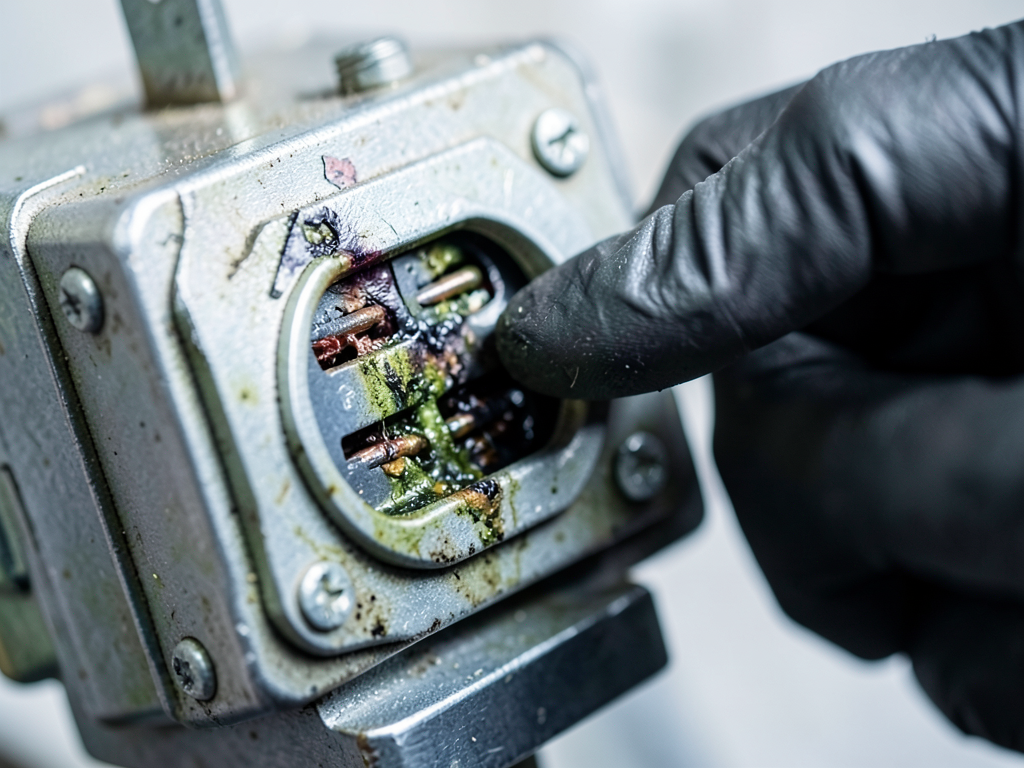
What it means when your Ocoee cooling system starts making a loud clicking sound Your outdoor AC unit should hum…

How to tell if your Celebration home builder installed the right size ductwork

How to tell if your Celebration home builder installed the right size ductwork Your Celebration home should feel comfortable year-round.…

Contact Us

Your AC should blow cold air, not warm air. Call Summit HVAC Orlando at (321) 463-7979 right now. We will diagnose the real problem, explain your options, and restore cold air today. No guessing. No delays. Just results.