




Furnace Maintenance Checklist Orlando – Complete Annual Inspection Guide That Prevents Costly Winter Breakdowns

Your step-by-step preventative heating maintenance guide for Orlando homes, covering every critical heating system maintenance step from filter changes to combustion analysis that extends furnace life and keeps energy bills low.

Slider Image 1
Slider Image 2
Slider Image 3
Slider Image 4
Slider Image 5
Slider Image 7
Slider Image 8
Slider Image 9
Slider Image 10
Slider Image 11

Why Orlando Furnaces Fail Without Proper Maintenance Schedules

Orlando's climate creates unique challenges for heating systems that most homeowners miss. While we experience mild winters, the extended cooling season forces your furnace into long dormancy periods between November and January. During these idle months, dust accumulates in heat exchangers, rodents nest in ductwork, and electrical connections corrode from humidity exposure.

When temperatures drop to the low 40s, residents across College Park and Winter Park fire up furnaces that have sat unused for eight months. Without a proper annual furnace inspection list, these systems fail within hours. Cracked heat exchangers leak carbon monoxide. Clogged burners create soot deposits. Seized blower motors draw excessive amperage and trip breakers.

The high humidity levels in Orlando accelerate corrosion on furnace components. Your heat exchanger, burner assembly, and flame sensor face constant moisture exposure even during summer months. This creates rust buildup that restricts airflow and reduces combustion efficiency by up to 30 percent.

A comprehensive furnace tune-up checklist addresses these location-specific issues before they cascade into emergency repairs. Your heating system maintenance steps must account for extended idle periods, moisture intrusion, and the thermal expansion cycles that occur when outdoor temperatures swing from 85 degrees during the day to 45 degrees at night.

Most Orlando furnaces operate less than 500 hours per year, yet component failure rates match systems in northern climates that run 2,000 hours annually. The seasonal furnace service schedule prevents these premature failures by targeting the exact vulnerabilities your system faces during Florida's unique weather patterns.

Why Orlando Furnaces Fail Without Proper Maintenance Schedules
The Complete Preventative Heating Maintenance Protocol

The Complete Preventative Heating Maintenance Protocol

A proper furnace maintenance checklist goes beyond filter changes and thermostat checks. Summit HVAC Orlando follows a systematic diagnostic protocol that evaluates every component affecting combustion efficiency, airflow dynamics, and safety controls.

The inspection starts with a combustion analysis using calibrated gas analyzers. We measure oxygen levels, carbon monoxide output, and draft pressure to verify your burner assembly achieves complete combustion. Incomplete combustion creates carbon deposits that reduce heat transfer and increase fuel consumption. Your heat exchanger should maintain oxygen levels between 5 and 9 percent for optimal efficiency.

Next, we test electrical sequencing through the entire ignition cycle. Your furnace relies on precise timing between the thermostat call, inducer motor startup, pressure switch closure, igniter glow, gas valve opening, and flame sensor verification. A delay of even two seconds in this sequence triggers safety lockouts and creates nuisance shutdowns.

The blower assembly receives detailed attention because it controls both heating and cooling airflow in most Orlando homes. We measure static pressure across the evaporator coil, check capacitor microfarad ratings under load, and verify amp draw stays within nameplate specifications. A weak capacitor drops blower speed by 15 percent, which reduces airflow and causes premature compressor failure during cooling season.

Heat exchanger inspection requires visual examination with a fiber optic camera. Cracks smaller than a credit card width allow combustion gases to mix with breathable air. We inspect primary and secondary heat exchangers for rust perforation, thermal stress fractures, and flame impingement patterns that indicate burner misalignment.

The preventative heating maintenance guide includes refrigerant circuit testing even during winter months. Your condensate drain line needs flushing to prevent algae buildup that causes water damage when cooling season returns.

How Your Annual Furnace Inspection Works

Furnace Maintenance Checklist Orlando – Complete Annual Inspection Guide That Prevents Costly Winter Breakdowns
01

System Performance Baseline

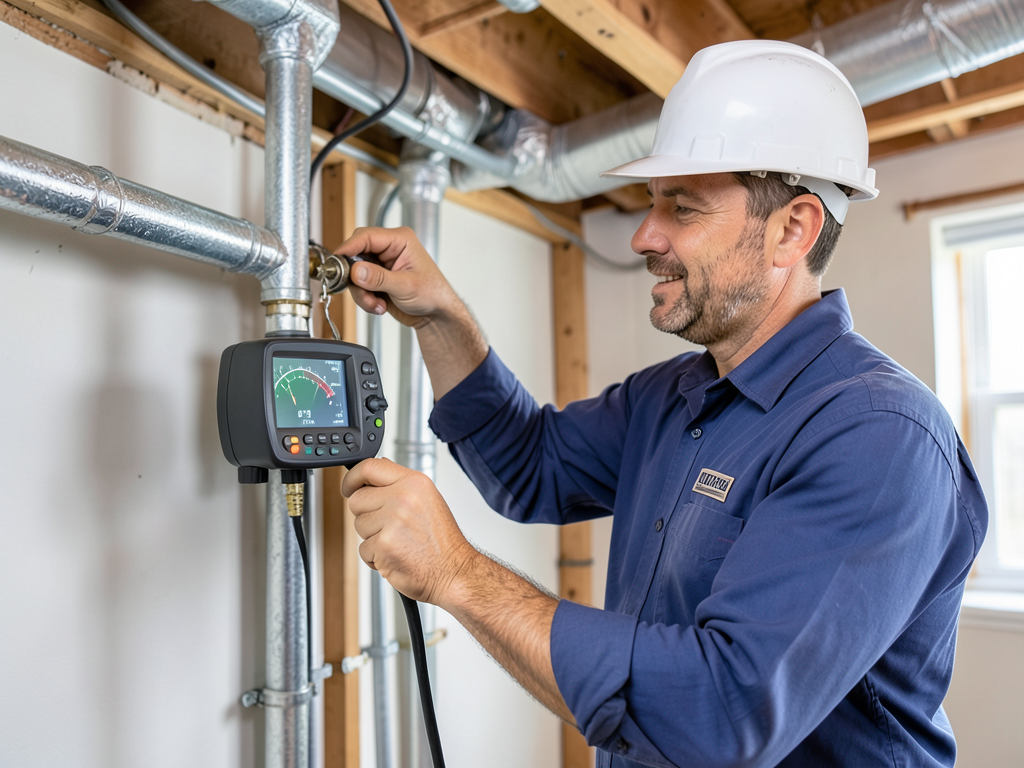
Your technician arrives with digital manifold gauges, combustion analyzers, and airflow measurement tools. We record current amp draw on all motors, measure supply and return temperatures, and document static pressure readings. This baseline data reveals efficiency trends and predicts component failure before it happens. Your furnace gets a complete electrical sequencing test to verify ignition timing, flame sensor response, and limit switch operation under actual load conditions.
02

Component Cleaning and Calibration

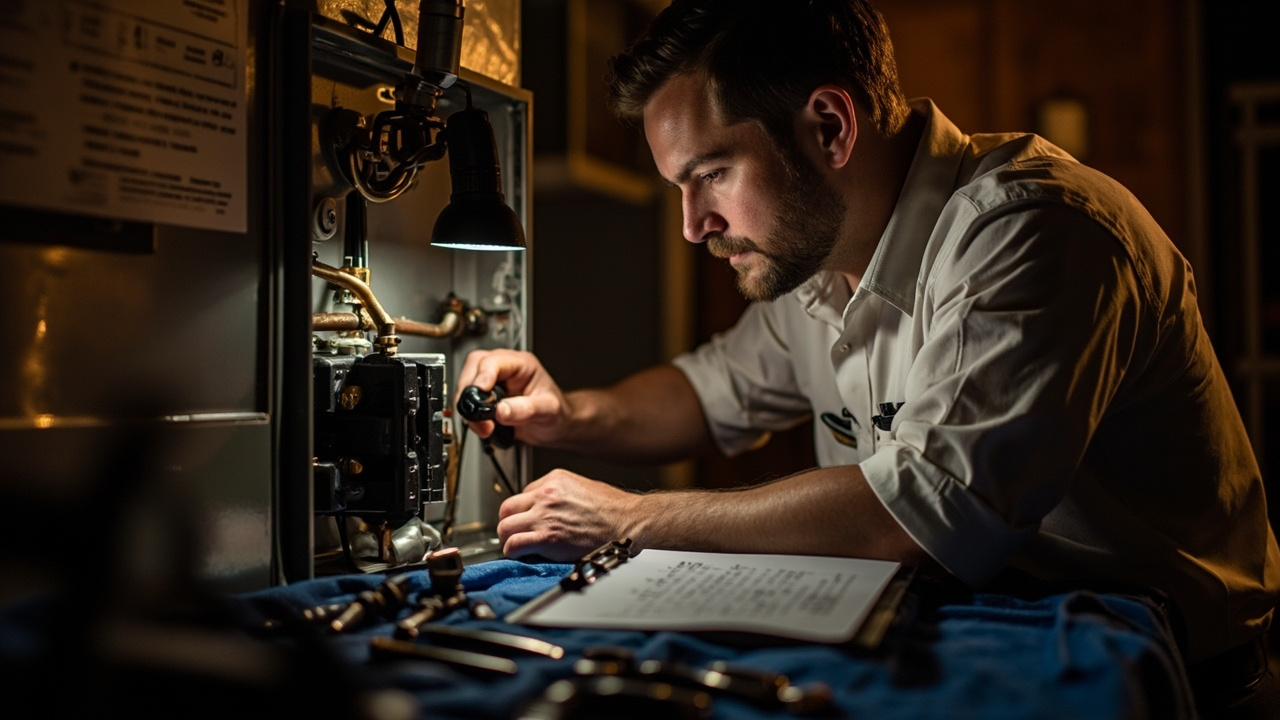
After diagnostics, we remove dust and debris from the blower wheel, clean the flame sensor with emery cloth, and vacuum the burner assembly. Gas pressure gets adjusted to manufacturer specifications using a manometer. We verify proper draft through the flue pipe and check for backdrafting conditions. Your thermostat receives calibration testing, and we replace the filter with the correct MERV rating for your specific system. All electrical connections get torque-checked to prevent arcing and resistance heating.
03

Safety Verification and Documentation

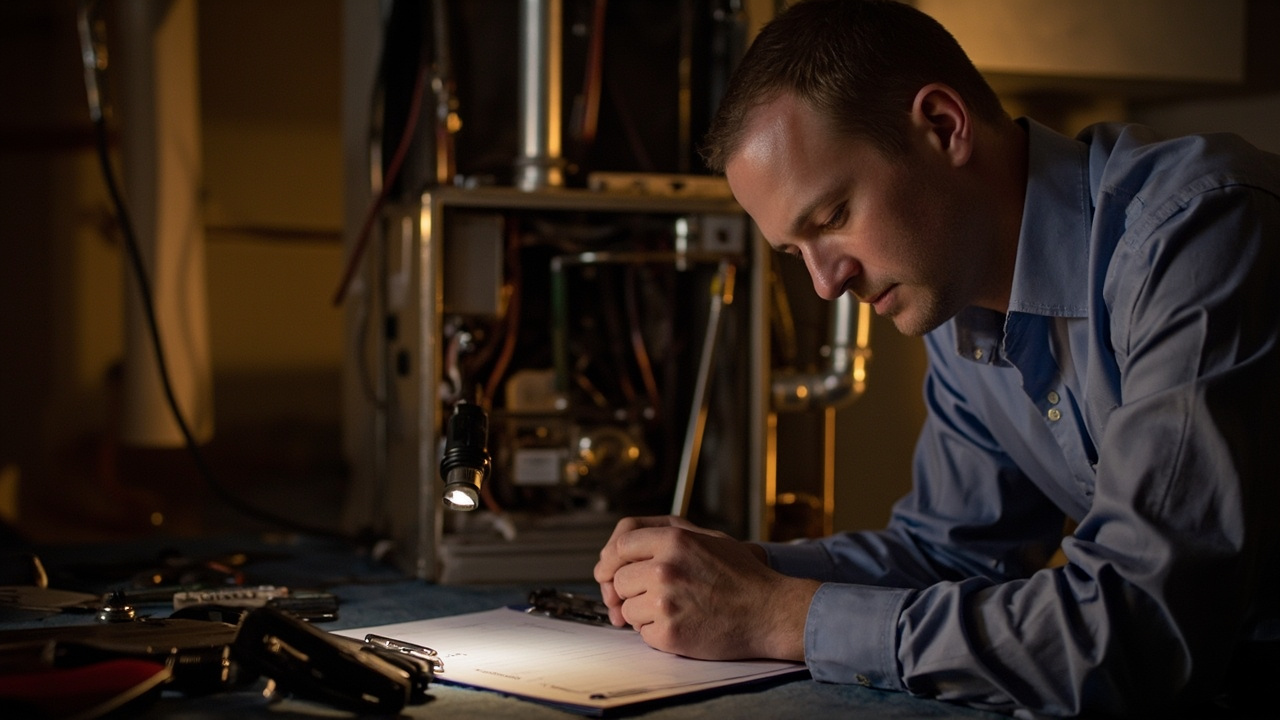
The final phase includes carbon monoxide testing at the supply registers and near the heat exchanger. We test high limit switches, roll-out switches, and pressure switches to confirm they trip at proper thresholds. Your gas valve gets leak-tested with soap solution, and we verify proper venting termination clearances. You receive a detailed report showing all measurements, a photographic record of your heat exchanger condition, and recommended service intervals based on your system's actual runtime hours and component wear patterns.

Why Orlando Homeowners Trust Local Furnace Expertise

Orlando furnaces face operational challenges that generic maintenance checklists ignore. Summit HVAC Orlando understands how extended cooling seasons affect heating system reliability and what specific components fail first in our climate.

Your furnace competes with air conditioning for limited attic space in most Orlando homes. Heat rises from the furnace during winter months and bakes your ductwork and electrical components to temperatures exceeding 140 degrees during summer. This thermal cycling causes premature insulation breakdown, wire jacket cracking, and sealant deterioration that northern climate systems never experience.

We know which furnace brands perform best in high-humidity environments and which models experience chronic flame sensor failures. Your heating system shares ductwork with your air conditioner, creating cross-contamination issues where cooling season dust and biological growth migrate into heating components. A proper seasonal furnace service schedule addresses these shared-system vulnerabilities.

Local building codes require specific clearances and venting configurations that differ from other regions. Orlando's proximity to coastal areas means your furnace faces salt air corrosion even 30 miles inland. Metal duct connectors and flue pipes deteriorate faster here than in dry climates, creating potential carbon monoxide hazards that standard inspection protocols miss.

Summit HVAC Orlando maintains relationships with local supply houses for same-day parts availability. When your heat exchanger shows early signs of failure during an inspection, we source manufacturer-approved replacements within hours instead of days. This matters during the few cold snaps when every HVAC company faces service backlogs.

Your furnace maintenance needs differ significantly from systems in Atlanta, Tampa, or Jacksonville. We calibrate combustion settings for Orlando's average winter humidity levels and altitude. Generic service from national chains follows one-size-fits-all procedures that leave critical local factors unaddressed.

What Your Furnace Inspection Includes

Inspection Timeframe and Scheduling

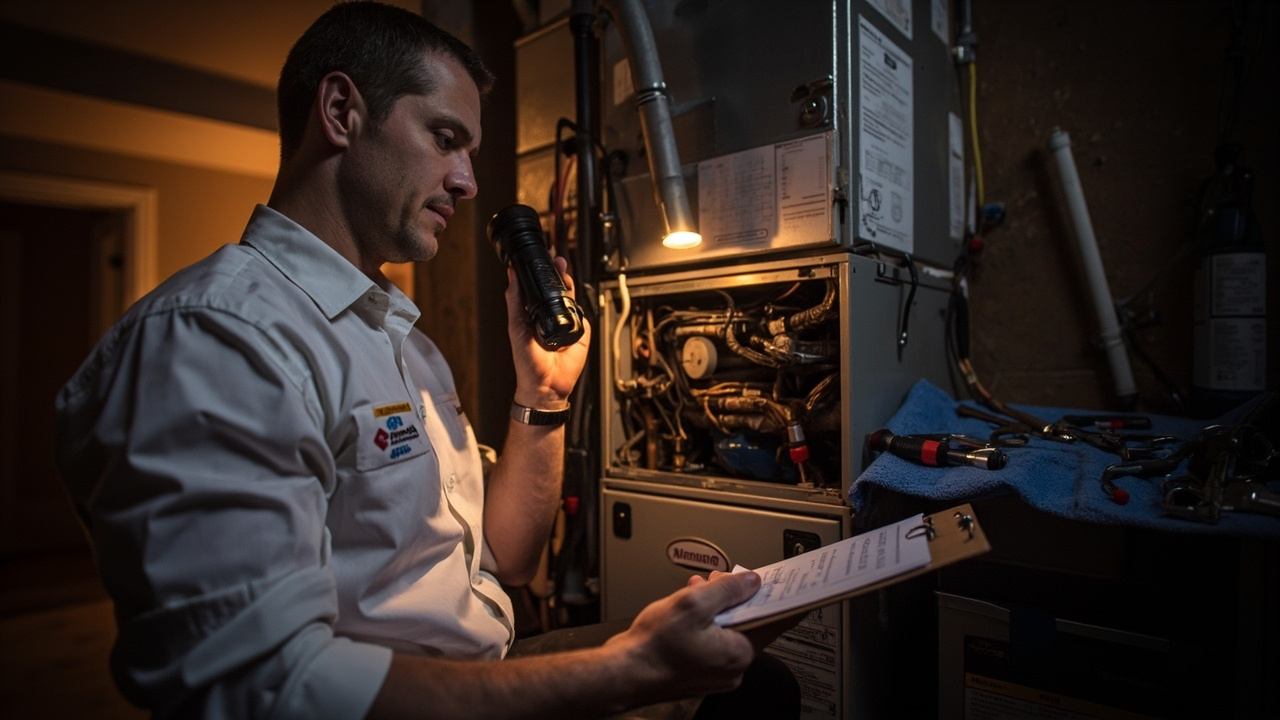
A complete annual furnace inspection requires 90 to 120 minutes for thorough diagnostic testing and component cleaning. We schedule appointments during October and November, before cold weather arrives, to ensure your system operates reliably when temperatures drop. Same-day service stays available for homeowners who discover issues when firing up their furnace for the first time each season. Your inspection appointment includes a detailed walkthrough of all findings, with photographic documentation of any components showing wear patterns or early failure indicators. We provide written estimates for recommended repairs before performing any work beyond the standard maintenance checklist.

Diagnostic Testing Protocol

Your furnace undergoes combustion efficiency analysis using electronic gas analyzers that measure oxygen content, carbon monoxide levels, and stack temperature. We perform amp draw testing on the inducer motor, blower motor, and igniter to identify components drawing excessive current. Static pressure measurements across the air filter, evaporator coil, and supply ductwork reveal airflow restrictions that reduce heating capacity and increase energy consumption. The heat exchanger receives visual inspection with fiber optic cameras to detect cracks, rust perforation, and thermal stress patterns. Gas pressure testing verifies your manifold delivers proper fuel flow to each burner, and we check ignition timing to ensure flame establishment occurs within manufacturer specifications.

Performance Results and Efficiency

After completing all maintenance steps, your furnace operates at factory-rated efficiency levels with restored airflow and optimized combustion. You receive a written report documenting all temperature measurements, electrical readings, and gas pressure values. The flame sensor gets cleaned to bare metal, ensuring reliable flame detection without nuisance shutdowns. Your blower wheel runs balanced and clean, delivering rated CFM for even heating throughout your home. All safety controls receive verification testing to confirm they trip at proper thresholds. The system cycles smoothly from thermostat call to ignition to full heating output without delays or irregular behavior, and you gain peace of mind knowing every component passed rigorous safety inspection.

Maintenance Recommendations and Follow-Up

You receive a customized service schedule based on your furnace age, runtime hours, and component condition. Most Orlando systems benefit from annual inspections scheduled before heating season begins. Homes with poor indoor air quality or excessive dust accumulation may need semi-annual cleaning to prevent premature component failure. We track your system history to identify developing patterns like gradual efficiency loss or increasing amp draw that signals upcoming repairs. Your maintenance file includes all baseline measurements for comparison during future inspections. Filter replacement intervals get adjusted based on actual airflow measurements rather than generic time recommendations. Any components showing early wear patterns get flagged for monitoring, and we contact you if prices drop on recommended replacement parts.

Frequently Asked Questions

You Have Questions,
We Have Answers

What maintenance should be done on a furnace? +

Proper furnace maintenance includes inspecting and replacing air filters, checking the thermostat for accuracy, cleaning the blower assembly, and testing the ignition system. A technician should examine the heat exchanger for cracks, verify proper venting, and test carbon monoxide levels. In Orlando's humid climate, checking for rust and corrosion becomes especially important. The technician will also lubricate moving parts, tighten electrical connections, and test safety controls. Gas pressure and burner flame should be adjusted for optimal combustion. A complete maintenance visit ensures your system runs efficiently during those few cold snaps Orlando experiences each winter.

What is included in furnace tune-up? +

A furnace tune-up covers filter replacement, thermostat calibration, and a thorough inspection of all mechanical and electrical components. The technician cleans the burner assembly, inspects the heat exchanger, and tests the blower motor. Electrical connections get tightened, and moving parts receive lubrication. The safety controls and limit switches are tested to ensure proper shutdown if issues arise. In Orlando, technicians pay special attention to moisture-related problems since high humidity can affect electrical components. Gas pressure is measured and adjusted, the flue pipe is inspected for proper venting, and carbon monoxide levels are checked to confirm safe operation.

What is the average cost to service a furnace? +

Furnace service typically costs between $80 and $150 for a basic maintenance visit. The price varies based on system type, accessibility, and whether repairs are needed beyond routine maintenance. Orlando homeowners often pay on the lower end since furnaces run less frequently here compared to northern climates, resulting in less wear. Many HVAC companies offer maintenance plans that bundle annual tune-ups with priority service and discounts on repairs. If the technician discovers issues requiring parts or additional labor, costs increase accordingly. Complex repairs or older systems may require higher service fees due to extended diagnostic time.

What parts of a furnace need to be cleaned? +

The blower assembly collects the most dust and requires regular cleaning to maintain airflow. Burners accumulate soot and debris that affects combustion efficiency and should be cleaned annually. The flame sensor needs cleaning to ensure proper ignition and prevent nuisance shutdowns. Air filters trap airborne particles but must be replaced rather than cleaned. The heat exchanger should be inspected and cleaned if accessible, though this component is often difficult to reach. In Orlando's dusty and humid environment, components tend to accumulate more debris than in drier climates. Vents and flue pipes also need periodic cleaning to ensure proper exhaust ventilation.

What is the $5000 rule? +

The $5000 rule helps homeowners decide between repair and replacement. Multiply the repair cost by the furnace age in years. If the result exceeds $5000, replacement makes more financial sense than repair. For example, a $400 repair on a 10-year-old furnace equals $4000, suggesting repair is worthwhile. However, a $600 repair on a 15-year-old unit equals $9000, indicating replacement is smarter. This rule accounts for the likelihood of additional breakdowns as systems age. In Orlando, where furnaces experience less annual runtime, units often last longer than the typical 15-20 year lifespan, making this calculation slightly different.

Can I do furnace maintenance myself? +

Homeowners can handle basic tasks like replacing air filters monthly and keeping vents clear of obstructions. You can also ensure the area around your furnace stays clean and uncluttered. However, comprehensive furnace maintenance requires specialized tools, training, and safety knowledge. Working with gas lines, electrical components, and combustion systems poses serious risks without proper expertise. Incorrect adjustments can create carbon monoxide hazards or damage expensive components. Orlando building codes and manufacturer warranties often require professional service to remain valid. A licensed technician has the equipment to measure gas pressure, test for carbon monoxide, and properly diagnose issues before they become emergencies.

What is the average cost of a full tune up? +

A complete furnace tune-up typically costs between $80 and $200 depending on your system type and location. Basic gas furnace maintenance runs cheaper than servicing high-efficiency or multi-stage systems. Orlando homeowners often find competitive pricing since many HVAC companies bundle heating and cooling maintenance. Service agreements that include both annual AC and furnace tune-ups offer better value than individual visits. The price covers labor, basic cleaning, testing, and minor adjustments. If the technician identifies needed repairs or worn parts, those costs are additional. Investing in annual maintenance prevents bigger expenses by catching small problems before they escalate into complete system failures.

What is the most expensive part to fix on a furnace? +

The heat exchanger represents the most expensive furnace component to replace, often costing $1000 to $2000 in parts and labor. This critical component transfers heat from combustion gases to your home's air. When heat exchangers crack or fail, they can leak carbon monoxide into living spaces, creating a dangerous situation. In many cases, heat exchanger failure in older units makes replacement more economical than repair. The control board ranks second, typically costing $300 to $600 to replace. Orlando's humidity can accelerate corrosion on heat exchangers and electrical components, making annual inspections especially important for catching problems early before they worsen.

Is it necessary to get a furnace tune up every year? +

Yes, annual furnace maintenance is necessary to maintain efficiency, safety, and warranty coverage. Even in Orlando where heating needs are minimal, furnaces should be inspected yearly. Long periods of inactivity allow dust accumulation, pest intrusion, and component corrosion from humidity. Annual tune-ups catch small issues before they become expensive failures. Most manufacturer warranties require documented annual maintenance to remain valid. Regular service prevents carbon monoxide risks by ensuring proper combustion and venting. Neglected furnaces work harder, use more energy, and fail prematurely. The relatively low cost of annual maintenance pays for itself through improved efficiency, fewer emergency repairs, and extended equipment lifespan.

How long does furnace maintenance take? +

Standard furnace maintenance takes 45 minutes to 90 minutes depending on system complexity and condition. A straightforward tune-up on a well-maintained unit might finish in under an hour. Older systems or those showing signs of problems require more thorough inspection and testing, extending the visit. The technician needs time to safely test all components, measure combustion efficiency, and check for carbon monoxide. If the system has been neglected or requires additional cleaning, expect closer to two hours. In Orlando, technicians often discover humidity-related corrosion that requires extra attention. Scheduling annual maintenance rather than waiting for problems keeps visits shorter and more predictable.

How Orlando's Mild Winters Create Hidden Furnace Maintenance Challenges

Orlando furnaces operate in short bursts during cold snaps, cycling on and off up to 15 times per hour instead of running in steady heating cycles. This excessive short-cycling prevents your heat exchanger from reaching optimal operating temperature, creating condensation that corrodes metal surfaces. The frequent ignition cycles stress your hot surface igniter and gas valve, components designed for longer runtime periods in colder climates. Your furnace needs specialized maintenance that addresses these short-cycle wear patterns rather than standard procedures written for northern heating systems. The annual furnace inspection list for Orlando homes includes condensation testing, igniter resistance measurements, and valve seat inspection that generic checklists overlook.

Summit HVAC Orlando maintains detailed service histories for thousands of heating systems across Orange County, giving us pattern recognition that identifies model-specific failures before they occur. We know which furnace brands experience chronic pressure switch issues in humid climates and which heat exchanger designs resist corrosion in coastal environments. Your furnace maintenance benefits from this accumulated local knowledge that out-of-town services cannot match. Local parts suppliers stock the components that actually fail in Orlando systems, ensuring same-day repairs when inspection reveals worn parts. This geographic expertise translates into maintenance that prevents the specific failures your furnace faces in Central Florida's unique climate conditions.
HVAC Services in The Orlando Area

Summit proudly serves Orlando and surrounding Central Florida areas with fast, professional HVAC services. Whether you're in the heart of the city or in nearby neighborhoods, our technicians are just a call away. Use the map below to view our service area and plan your visit or consultation. We make it convenient to get expert help where and when you need it. Your comfort is always within reach with Summit.

Address:
Summit HVAC Orlando, 4700 Millenia BlvdOrlando, Orlando, FL, 32839

Additional Services We Offer

Our news updates

Latest Articles & News from The Blogs

What to do if your St. Cloud thermostat says waiting for more than five minutes Your thermostat displays 'waiting for…

What to do if your St. Cloud thermostat says waiting for more than five minutes

What to do if your St. Cloud thermostat says waiting for more than five minutes Your thermostat displays 'waiting for…

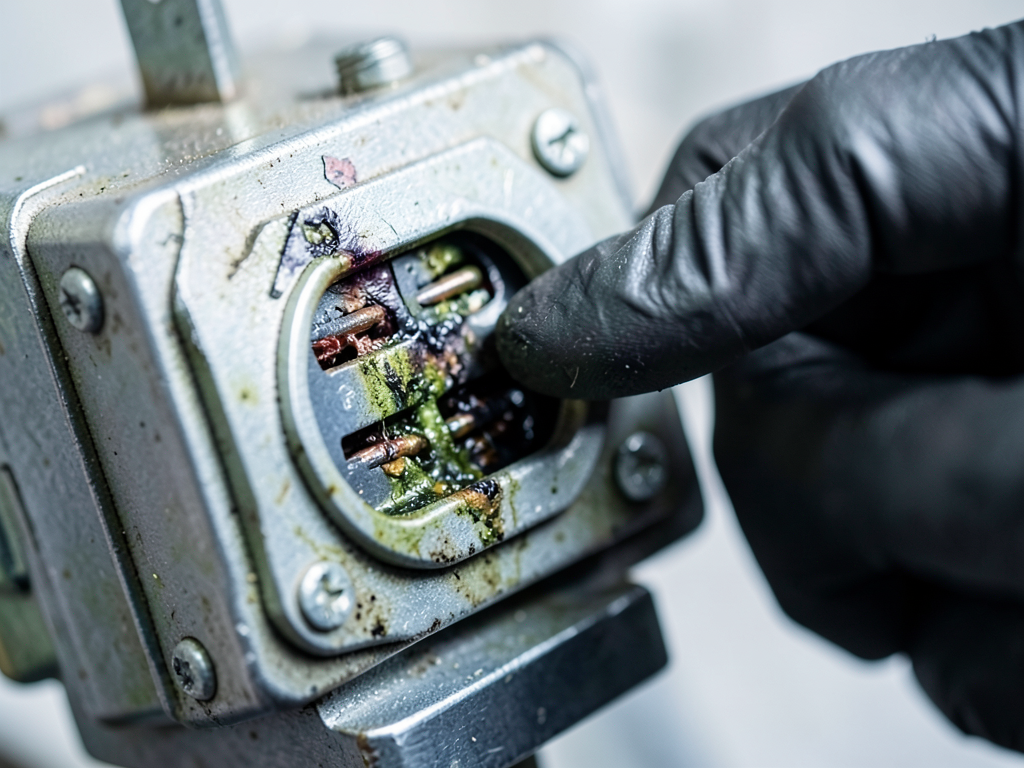
What it means when your Ocoee cooling system starts making a loud clicking sound

What it means when your Ocoee cooling system starts making a loud clicking sound Your outdoor AC unit should hum…

How to tell if your Celebration home builder installed the right size ductwork

How to tell if your Celebration home builder installed the right size ductwork Your Celebration home should feel comfortable year-round.…

Contact Us

Avoid emergency breakdowns during the next cold snap. Call Summit HVAC Orlando at (321) 463-7979 to schedule your comprehensive furnace inspection. Your system needs location-specific maintenance that addresses Orlando's unique climate challenges before winter arrives.