




Commercial Maintenance Agreements in Orlando – Eliminate Emergency Breakdowns and Cut Unplanned Downtime by Up to 80%

Summit HVAC Orlando delivers commercial HVAC service contracts that prevent costly system failures, extend equipment lifespan, and keep your facility compliant with Florida building codes year-round.

Slider Image 1
Slider Image 2
Slider Image 3
Slider Image 4
Slider Image 5
Slider Image 7
Slider Image 8
Slider Image 9
Slider Image 10
Slider Image 11

Orlando's Climate Accelerates Commercial HVAC Failures Without Planned Maintenance

Orlando's subtropical climate creates a punishing environment for commercial HVAC systems. Average humidity levels above 70% promote microbial growth in ductwork and drain lines, while summertime indoor cooling loads exceed 10 tons per hour in most retail and office spaces. Your rooftop units run 12 to 15 hours daily during peak season, accumulating wear that standard warranty coverage does not address.

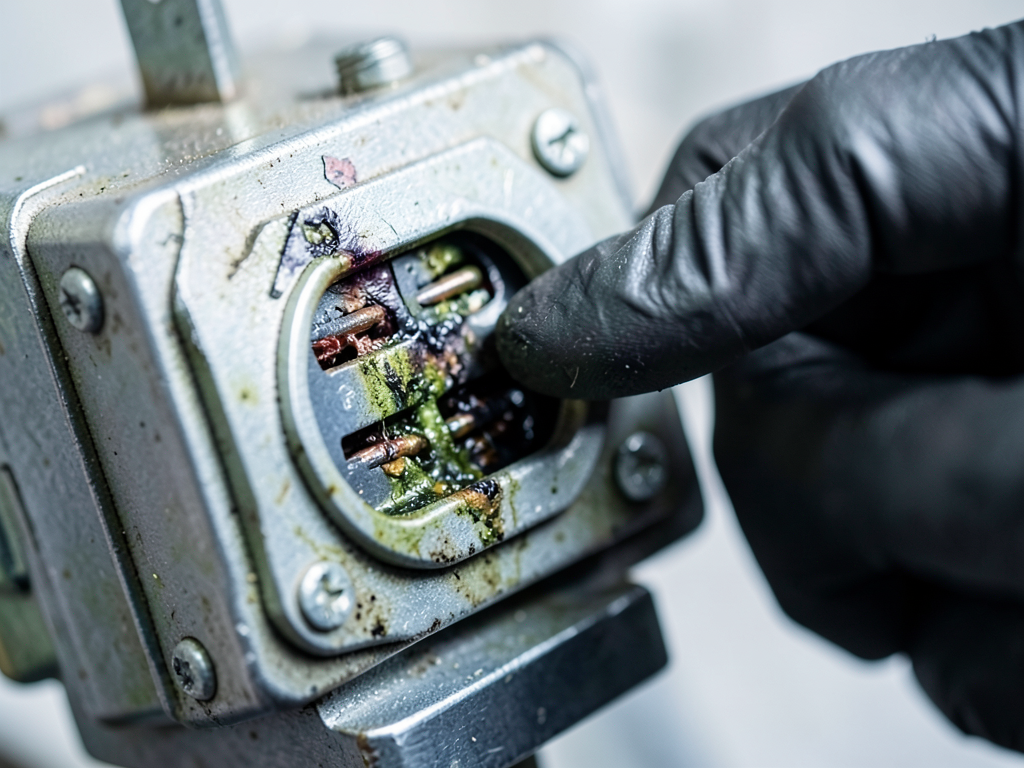
Commercial facilities in Orlando face three distinct failure modes. First, condenser coils corrode faster due to moisture and salt air from coastal proximity. Second, compressor oil breaks down quicker under sustained high ambient temperatures that regularly exceed 95 degrees. Third, drain pans and condensate lines clog from algae and mold growth in as little as 90 days without treatment.

The cost structure is clear. Emergency service calls during business hours disrupt operations and invoice at premium rates. After-hours breakdowns compound these costs. A single compressor failure in a 20-ton rooftop unit can halt production for 48 hours and generate repair invoices exceeding five figures.

Commercial HVAC maintenance plans eliminate this reactive cycle. HVAC preventive maintenance agreements shift your facility from crisis management to predictable upkeep. Commercial planned maintenance agreements include scheduled filter changes, refrigerant level checks, electrical connection inspections, and drain line treatments before problems escalate. Commercial HVAC service agreements from Summit HVAC Orlando are structured around Orlando's specific environmental demands, not generic national templates.

Your equipment operates in one of Florida's most demanding climates. The question is whether you will maintain it proactively or replace it prematurely.

Orlando's Climate Accelerates Commercial HVAC Failures Without Planned Maintenance
How Commercial HVAC Service Contracts Reduce Total Cost of Ownership

How Commercial HVAC Service Contracts Reduce Total Cost of Ownership

A commercial HVAC service agreement functions as a risk mitigation tool. The structure is straightforward. Your facility receives scheduled inspections at intervals calibrated to equipment runtime and environmental exposure. For Orlando properties, this typically means quarterly visits for rooftop units and monthly filter replacements for high-occupancy spaces.

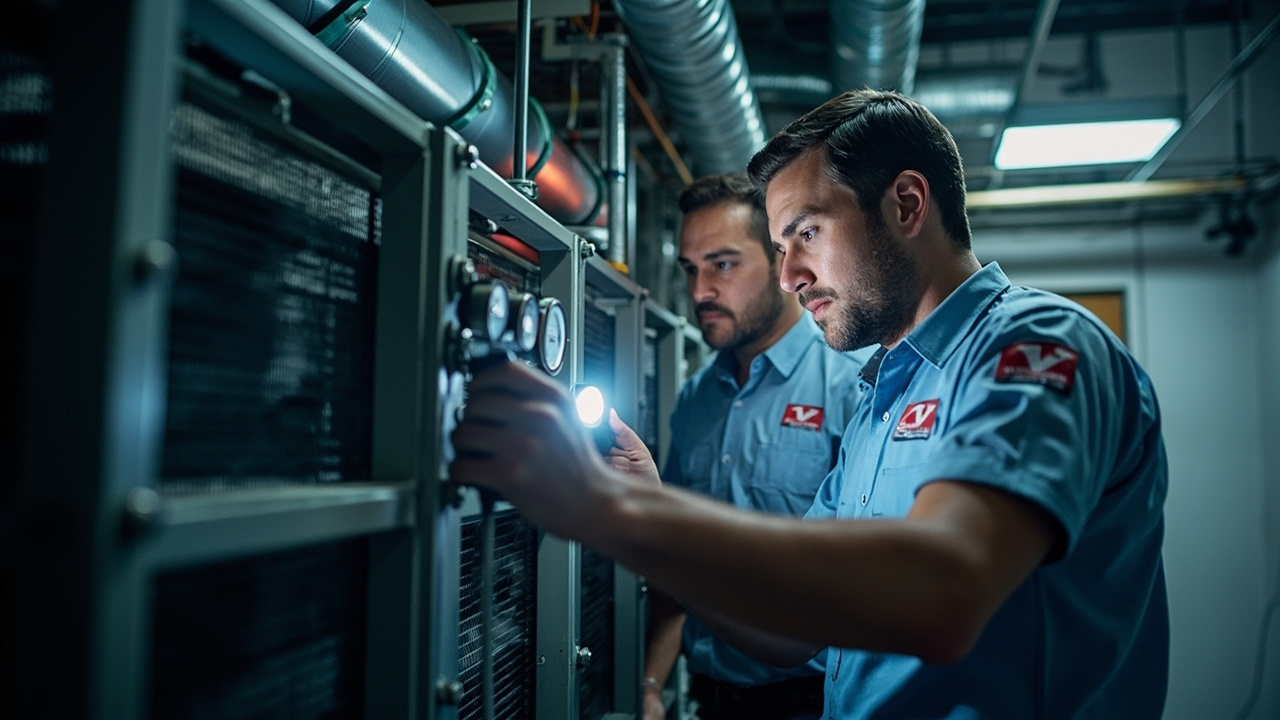
During each inspection, technicians perform measurable diagnostics. Amperage draws on compressor motors reveal bearing wear before catastrophic failure. Subcooling and superheat measurements confirm proper refrigerant charge and identify developing leaks. Static pressure readings across coils detect airflow restrictions from dust accumulation or biological growth.

The methodology differs from reactive service calls. Technicians arrive with facility-specific maintenance checklists, not generic truck stock. They know your equipment age, modification history, and past failure points. They carry calibrated instruments, not guesswork. They document findings in digital maintenance logs that track performance trends across quarters and years.

Commercial HVAC maintenance plans also include consumables that most operators underestimate. Pleated filters require replacement every 30 to 60 days in Orlando's pollen-heavy environment. Condensate drain treatments prevent blockages that cause water damage to ceilings and inventory. Belt replacements occur before slippage reduces blower efficiency. These items represent recurring costs that commercial planned maintenance agreements bundle into predictable monthly payments.

The financial advantage emerges in year two and beyond. Planned component replacements during scheduled downtime cost 40% less than emergency replacements during business hours. Extended equipment lifespan delays capital expenditures for rooftop unit replacements that start at six figures for multi-zone systems. Energy efficiency improvements from clean coils and proper refrigerant charge reduce monthly utility invoices by 15% to 25%.

Summit HVAC Orlando structures commercial HVAC service agreements around measurable outcomes, not vague promises of better performance.

What Happens When You Enroll in Our Commercial Maintenance Program

Commercial Maintenance Agreements in Orlando – Eliminate Emergency Breakdowns and Cut Unplanned Downtime by Up to 80%
01

Facility Assessment and Agreement

Our technicians conduct a comprehensive walk-through of your Orlando facility to document all HVAC equipment, including rooftop units, split systems, air handlers, and exhaust fans. We record make, model, tonnage, installation date, and current operating condition. This audit identifies deferred maintenance items and establishes a baseline for future performance tracking. We then present a commercial HVAC service contract customized to your equipment count, operating hours, and budget parameters.
02

Scheduled Preventive Maintenance

Your facility receives quarterly or monthly service visits based on equipment type and runtime. Each visit follows a detailed checklist covering electrical connections, refrigerant levels, airflow measurements, control calibration, and drain line treatment. Technicians replace filters, lubricate bearings, inspect contactors, and test safety controls. All findings are logged digitally with timestamp and photographic documentation. You receive a summary report within 24 hours showing completed tasks and any recommended repairs.
03

Priority Response and Documentation

Agreement holders receive priority dispatch for any service calls between scheduled maintenance visits. You bypass the standard queue and receive same-day or next-day response depending on issue severity. All labor, diagnostic time, and maintenance records feed into a cumulative database that tracks your equipment health over years. This historical data informs capital planning decisions and identifies chronic issues that may warrant equipment upgrades or retrofits before they cause business interruption.

Why Orlando Facility Managers Choose Summit HVAC for Maintenance Agreements

Commercial HVAC service in Orlando requires familiarity with Florida Building Code Chapter 6 mechanical provisions and the Florida Energy Efficiency Code for Commercial Buildings. Summit HVAC Orlando technicians maintain current certification on these standards, which govern minimum efficiency ratios, ventilation rates, and refrigerant handling protocols. Your maintenance agreement includes compliance verification that protects your facility during inspections and tenant walkthroughs.

Orlando's commercial building stock spans six decades. Older facilities in the downtown core operate with R-22 refrigerant systems approaching phase-out deadlines, while newer construction in Lake Nona and MetroWest uses variable refrigerant flow systems with proprietary controls. Our technicians service both legacy equipment and current technology. We maintain relationships with manufacturers for hard-to-source parts and carry cross-reference guides for discontinued components.

The local advantage shows in response time. Our service vehicles stage in Orlando, not distant regional hubs. We reach most commercial properties within 90 minutes of dispatch. We understand the operational urgency when a restaurant kitchen loses refrigeration or a medical office loses climate control. We also understand the building access protocols, parking restrictions, and rooftop access requirements specific to Orlando's commercial districts.

Commercial HVAC maintenance plans from Summit HVAC Orlando include transparent pricing with no hidden trip charges or diagnostic fees for agreement holders. You receive itemized invoices showing exact labor hours, parts used, and warranty coverage. We do not bundle unnecessary services to inflate monthly fees. We do not auto-renew agreements without advance notification and updated pricing.

Your maintenance agreement is a service contract, not a sales tool for unnecessary equipment replacements. We provide measured data on equipment performance and remaining useful life. We recommend replacements when efficiency drops below economic thresholds or when repair costs exceed 50% of replacement value. We do not manufacture urgency to drive revenue.

What Your Commercial Maintenance Agreement Includes

Inspection Frequency and Scheduling

Your agreement specifies visit frequency based on equipment type and operating environment. Rooftop units receive quarterly inspections as a baseline, with monthly service available for high-demand applications like restaurants or data centers. We schedule visits during off-hours or low-traffic periods to minimize disruption. You receive 48-hour advance notice before each visit. Our technicians arrive in marked vehicles with facility access credentials and work orders. Each inspection takes 45 to 90 minutes per rooftop unit depending on tonnage and configuration. Emergency callbacks between scheduled visits receive priority dispatch at no additional trip charge for agreement holders.

Diagnostic Testing and Performance Verification

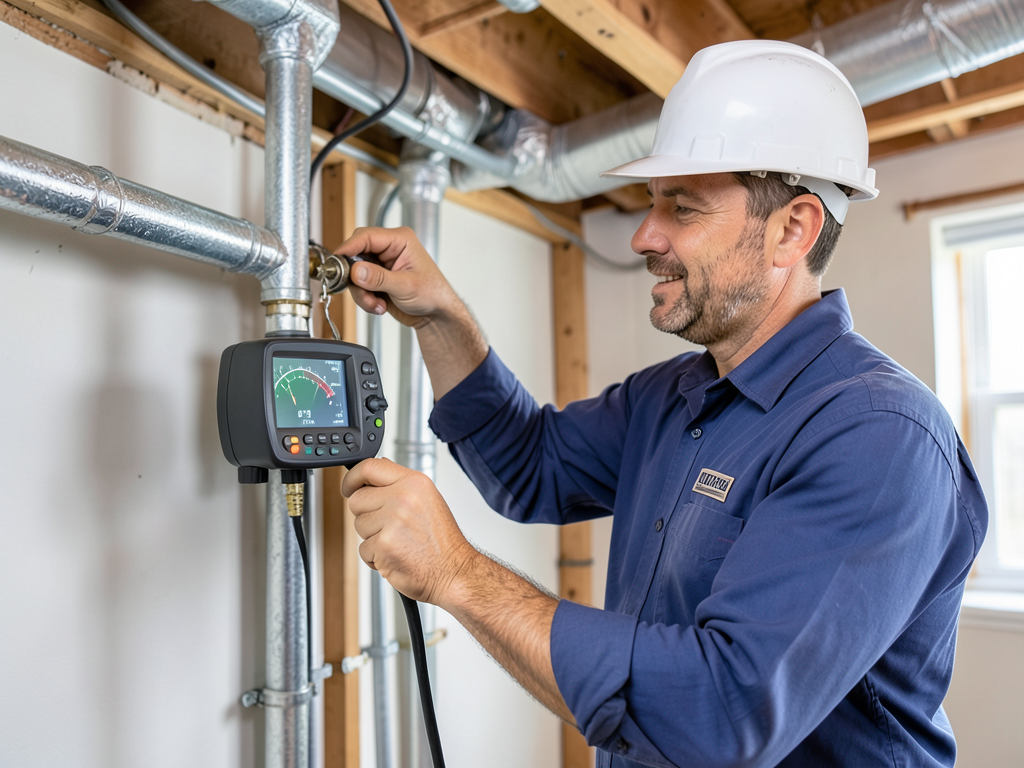
Every maintenance visit includes measurable diagnostics beyond visual inspection. Technicians use digital manifolds to verify refrigerant pressures, temperatures, subcooling, and superheat. They measure amperage on compressor motors, condenser fan motors, and blower motors to detect developing electrical issues. They test control operation including thermostat response, economizer function, and safety switch operation. Static pressure measurements across filters and coils confirm proper airflow. Supply and return air temperature splits verify system capacity. These measurements are recorded and trended over time to identify performance degradation before it causes equipment failure.

Completed Maintenance Tasks and Consumables

Your commercial HVAC maintenance plan includes specific tasks performed during each visit. Technicians clean condenser coils to maintain heat transfer efficiency. They treat condensate drain lines with biological inhibitors to prevent algae and mold blockages. They replace air filters based on measured pressure drop and visual contamination. They lubricate motor bearings on older belt-driven equipment. They tighten electrical connections at contactors and terminal blocks. They inspect refrigerant lines for oil staining that indicates developing leaks. They check compressor crankcase heater operation. All replaced filters and consumables are included in your monthly agreement fee with no surprise invoices.

Reporting and Capital Planning Support

After each maintenance visit, you receive a digital report summarizing completed tasks, measured performance data, and any recommended repairs. Photos document equipment condition and completed work. The report includes a priority ranking for recommended items, distinguishing between immediate safety concerns, efficiency improvements, and deferred maintenance items. Your account maintains a cumulative history of all service visits, repairs, and equipment modifications. This database supports long-term capital planning by tracking equipment age, repair frequency, and declining efficiency trends. Summit HVAC Orlando provides annual equipment life expectancy assessments to help you budget for future replacements and avoid unexpected capital expenditures.

Frequently Asked Questions

You Have Questions,
We Have Answers

What should be included in a maintenance agreement? +

A commercial HVAC maintenance agreement should include scheduled preventive inspections, filter replacements, refrigerant level checks, and coil cleaning. Your contract must specify response times for service calls, labor coverage, and parts pricing. In Orlando's high-humidity environment, agreements should address condensate drain line clearing and corrosion prevention. Verify that the scope covers both cooling and heating systems, electrical connections, thermostat calibration, and safety control testing. The agreement should define coverage hours, emergency call provisions, and exclusions. Request detailed reporting after each visit to track system performance and maintain compliance with building codes. Clear pricing structures prevent unexpected costs and protect your operating budget.

What is the difference between AMC and CAMC? +

AMC (Annual Maintenance Contract) covers routine preventive maintenance and inspections only. Labor and parts for breakdowns are billed separately. CAMC (Comprehensive Annual Maintenance Contract) includes preventive maintenance plus all repairs, parts, and labor for covered equipment failures. CAMC costs more upfront but protects against unexpected repair expenses. For Orlando commercial properties with aging HVAC systems facing humidity-related failures, CAMC offers budget predictability. AMC works better for newer equipment under manufacturer warranty or when you want lower fixed costs. The choice depends on equipment age, reliability history, and your tolerance for variable maintenance spending throughout the year.

What is the 10 rule in maintenance? +

The 10 rule states that for every dollar spent on preventive maintenance, you save ten dollars in future repairs and replacements. This principle applies directly to commercial HVAC systems in Orlando, where neglected equipment fails faster due to constant high-humidity operation and heavy cooling loads. Regular filter changes, coil cleaning, and refrigerant checks prevent compressor failures that cost thousands. The rule emphasizes that deferred maintenance compounds problems. A minor refrigerant leak ignored today becomes a failed compressor tomorrow. Commercial property managers who follow this rule see lower total cost of ownership, extended equipment life, and fewer tenant complaints about comfort issues.

What are the 4 types of maintenance? +

The four maintenance types are preventive, predictive, corrective, and emergency. Preventive maintenance follows a fixed schedule to prevent failures through inspections and part replacements. Predictive maintenance uses data and diagnostics to identify problems before they cause breakdowns. Corrective maintenance fixes issues found during inspections before they worsen. Emergency maintenance responds to unexpected equipment failures requiring immediate attention. Orlando commercial facilities need strong preventive programs because extreme heat and humidity accelerate wear. Predictive methods like vibration analysis and thermal imaging catch bearing failures and electrical issues early. Balancing all four types minimizes downtime and controls costs while maintaining tenant comfort year-round.

What are the 4 P's of maintenance? +

The 4 P's of maintenance are Planning, Preparation, Performance, and Post-evaluation. Planning defines maintenance schedules and resource allocation. Preparation ensures technicians have parts, tools, and system documentation before arriving on site. Performance means executing tasks correctly and safely according to manufacturer specifications and local codes. Post-evaluation reviews completed work, tracks metrics, and identifies improvement opportunities. For Orlando commercial properties, planning must account for peak cooling season demands and hurricane preparation timelines. Preparation includes stocking filters and contactors that fail frequently in humid climates. Post-evaluation data helps predict budget needs and justify equipment replacements. This framework reduces downtime and improves maintenance ROI.

What are the 5 C's of a contract? +

The 5 C's of a contract are Capacity, Consideration, Consent, Certainty, and Compliance. Capacity confirms both parties have legal authority to enter the agreement. Consideration means both sides exchange something of value (service for payment). Consent requires voluntary agreement without coercion or misrepresentation. Certainty demands clear, specific terms about scope, pricing, and obligations. Compliance ensures the contract follows applicable laws and regulations. For Orlando commercial maintenance agreements, certainty matters most. Vague language about response times or covered equipment leads to disputes. Your contract should specify exactly which HVAC units receive service, what tasks are included, and how emergency calls are handled and billed.

What is a 1 year annual maintenance contract? +

A 1-year annual maintenance contract commits a service provider to perform scheduled preventive maintenance on your commercial HVAC equipment for twelve months. The contract includes a set number of visits per year (typically quarterly), defined tasks at each visit, and fixed pricing. It establishes response time commitments for service calls and clarifies what is excluded from coverage. In Orlando, annual contracts should address both cooling and heating equipment, even though cooling dominates. Most commercial agreements renew automatically unless either party cancels before the term ends. The annual structure provides budget predictability and ensures your equipment receives consistent care regardless of staff turnover.

What are common AMC terms? +

Common AMC terms include contract duration (usually one year), service frequency (monthly, quarterly, or biannual visits), response time for breakdowns (2-24 hours), coverage hours (business hours or 24/7), labor rates for non-covered work, and parts pricing (cost-plus markup or retail). Contracts specify included tasks like filter changes, coil cleaning, refrigerant checks, and electrical testing. Exclusions typically cover abuse, neglect, and pre-existing conditions. Orlando commercial agreements should address condensate management and corrosion inspection due to humidity. Payment terms vary from monthly to annual lump sum. Understanding these terms prevents disputes and ensures your maintenance program aligns with operational needs and budget constraints.

What are the two types of AMC? +

The two types of AMC are non-comprehensive and comprehensive. Non-comprehensive AMC covers only preventive maintenance visits and routine inspections. You pay separately for parts and labor when repairs are needed. This option costs less monthly but creates unpredictable expenses when equipment fails. Comprehensive AMC includes preventive maintenance plus all repairs, replacement parts, and labor for covered equipment. You pay a higher fixed fee but gain complete cost predictability. For Orlando commercial buildings with older HVAC systems, comprehensive contracts reduce financial risk during peak cooling season when failures are most likely. New equipment under warranty often needs only non-comprehensive coverage to supplement manufacturer protection.

What is the 80 20 rule in maintenance? +

The 80/20 rule in maintenance states that 80 percent of equipment failures come from 20 percent of components. Focus your preventive maintenance resources on these critical parts to maximize reliability. For commercial HVAC in Orlando, this means prioritizing compressors, contactors, capacitors, and condensate drains that fail most frequently in hot, humid conditions. Rather than spreading attention equally across all components, concentrate inspections and replacements on high-failure items. This approach reduces breakdowns more efficiently than generic maintenance schedules. Track your failure data to identify which 20 percent of parts cause most problems in your facility, then adjust maintenance frequency accordingly.

Orlando's High Humidity and Year-Round Cooling Demand Require Commercial-Grade Maintenance Discipline

Orlando commercial facilities operate HVAC systems under conditions that accelerate wear beyond national averages. The combination of 235 cooling degree days annually and average relative humidity above 72% means your compressors, condensers, and air handlers run continuously from April through October. This extended runtime accumulates 3,000 to 4,000 operating hours per year compared to 1,500 to 2,000 hours in northern climates. Commercial HVAC service contracts in Orlando must account for this accelerated degradation with more frequent filter changes, coil cleanings, and refrigerant charge verifications than maintenance schedules designed for temperate regions. HVAC preventive maintenance agreements calibrated to Orlando's subtropical environment extend equipment lifespan and reduce the total cost of ownership across 15 to 20-year depreciation schedules.

Florida Building Code enforcement in Orange County requires commercial facilities to maintain documentation proving HVAC system maintenance for Certificate of Occupancy renewals and tenant improvements. Commercial planned maintenance agreements provide this documentation trail through timestamped service reports, completed inspection checklists, and photographic records. Summit HVAC Orlando maintains familiarity with local mechanical inspectors and their specific documentation requirements for commercial properties in downtown Orlando, the International Drive corridor, and the Airport North office district. Our service agreements satisfy these compliance requirements while delivering measurable improvements in equipment reliability and energy efficiency that directly impact your operating budget and tenant satisfaction scores.
HVAC Services in The Orlando Area

Summit proudly serves Orlando and surrounding Central Florida areas with fast, professional HVAC services. Whether you're in the heart of the city or in nearby neighborhoods, our technicians are just a call away. Use the map below to view our service area and plan your visit or consultation. We make it convenient to get expert help where and when you need it. Your comfort is always within reach with Summit.

Address:
Summit HVAC Orlando, 4700 Millenia BlvdOrlando, Orlando, FL, 32839

Additional Services We Offer

Our news updates

Latest Articles & News from The Blogs

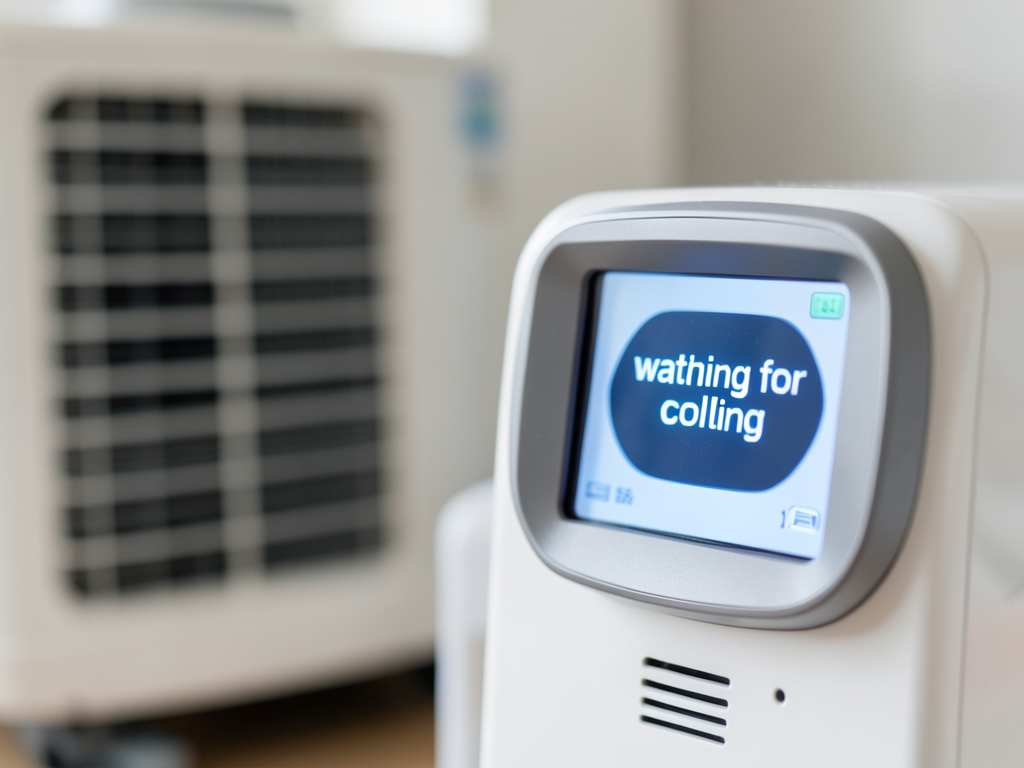
What to do if your St. Cloud thermostat says waiting for more than five minutes Your thermostat displays 'waiting for…

What to do if your St. Cloud thermostat says waiting for more than five minutes

What to do if your St. Cloud thermostat says waiting for more than five minutes Your thermostat displays 'waiting for…

What it means when your Ocoee cooling system starts making a loud clicking sound

What it means when your Ocoee cooling system starts making a loud clicking sound Your outdoor AC unit should hum…

How to tell if your Celebration home builder installed the right size ductwork

How to tell if your Celebration home builder installed the right size ductwork Your Celebration home should feel comfortable year-round.…

Contact Us

Stop paying emergency rates for preventable equipment failures. Call Summit HVAC Orlando at (321) 463-7979 to schedule your facility assessment and receive a customized commercial maintenance agreement proposal within 48 hours. Your equipment operates in one of Florida's most demanding climates. Protect your investment with planned maintenance designed for Orlando conditions.