





Winter Haven sits in the heart of Polk County, where high humidity and constant heat push air conditioning systems harder than almost anywhere in the country. Your AC doesn't get a break. Summer temperatures hover in the low 90s with humidity levels that make it feel over 100 degrees for months. Systems run nearly year-round, causing compressor strain and refrigerant issues that northern climates rarely see.
The lakes that make Winter Haven beautiful also create moisture problems. Condensation clogs drain lines faster here. Mold grows in ductwork. Outdoor units corrode from constant exposure to humid air. Many homes near Lake Eloise, Lake Shipp, and the Chain of Lakes face additional challenges with salt air drifting inland, accelerating rust on condenser coils.
Florida building codes require specific SEER ratings and proper load calculations, but older homes built before updated standards often have undersized systems. Neighborhoods around Cypress Gardens Boulevard and parts of historic Winter Haven have homes with original HVAC equipment from the 1980s and 1990s, struggling to keep up with modern cooling demands. Add in afternoon thunderstorms that cause power surges, and you've got a perfect storm of factors that destroy AC units. Your system works harder in Winter Haven than it would almost anywhere else in America.
Summit HVAC Orlando built our reputation in Central Florida by showing up when we say we will and solving problems other companies misdiagnose. We don't upsell replacements when repairs will work. We don't disappear after installation. We don't send undertrained apprentices to complex service calls.
Our technicians average over eight years of experience with Florida-specific HVAC challenges. They've worked on every system type in every condition, from ancient heat pumps in Eloise to new variable-speed systems in Lucerne Park. They carry full diagnostics equipment on every truck, not just basic tools. That means we identify root causes instead of swapping parts and hoping it works.
We serve Winter Haven with the urgency this climate demands. When your AC quits in July, waiting two days for service isn't acceptable. We offer same-day emergency response because we staff appropriately and respect your time. Our dispatch system prioritizes families with young children, elderly residents, and medical conditions affected by heat.
You'll never get a runaround about pricing. We provide written estimates before starting work. No surprise charges for after-hours calls. No hidden fees for refrigerant or diagnostic time. We explain what's wrong, what it costs to fix, and how long repairs will last. If replacement makes more sense than repair, we'll tell you why and show you the math.
Winter Haven families recommend us because we treat your home like our own. We use drop cloths, wear boot covers, and clean up completely. Your comfort matters, but so does your property. That combination of technical skill and basic respect separates us from companies that treat service calls like assembly line work.

We dispatch within two hours for emergency calls across Winter Haven. No multi-day waits while your family suffers in the heat. Our technicians stay on call evenings and weekends because AC failures don't respect business hours. When you need help now, we show up now.

Our team holds state certifications and manufacturer training for all major brands. We understand Florida building codes, humidity control requirements, and the specific failures that plague systems in Central Florida. Experience matters when diagnosing complex problems. We get it right the first time.
We show you what's broken before we fix it. Our technicians explain the problem in plain language, provide written estimates, and give you options. No pressure tactics. No inflated part prices. Just honest assessments and fair pricing that respects your budget.
We know which neighborhoods have hard water that destroys coils. We know which builders used cheap ductwork. We know the permitting process at Polk County and which inspectors focus on specific code sections. Local knowledge prevents callbacks and ensures work passes inspection the first time.
Summit HVAC Orlando handles every aspect of climate control for residential and commercial properties across Winter Haven. We're not a company that only installs new systems or only does repairs. We provide comprehensive service from emergency fixes to planned replacements to ongoing maintenance programs.
Our service range covers traditional split systems, heat pumps, package units, ductless mini-splits, and commercial rooftop units. We work on all major brands including Carrier, Trane, Lennox, Rheem, Goodman, and American Standard. Whether you need a capacitor replaced at midnight or a complete system design for a new construction project, we bring the same level of expertise and urgency.
We structure our services around how customers actually need help. Emergency repairs get you cool fast. System replacements involve consultation, load calculations, and proper installation that maximizes efficiency. Preventive maintenance catches problems before they become expensive failures. Each service category requires different skills and approaches, and we excel at all three.
When your air conditioner quits, we respond immediately with fully equipped service trucks and experienced technicians. We diagnose compressor failures, refrigerant leaks, electrical problems, frozen coils, and blower motor issues on-site. Our trucks stock common parts for most major brands, allowing same-visit repairs in many cases. We handle everything from simple thermostat failures to complex control board replacements, getting your system running while you wait.
We perform Manual J load calculations to size your system correctly for Winter Haven's climate. Our installations include proper refrigerant charging, ductwork inspection and sealing, thermostat upgrade options, and complete system testing. We pull permits, coordinate inspections, and ensure your new equipment meets Florida energy codes. You'll receive manufacturer warranties plus our installation guarantee. We install high-efficiency systems that lower your power bills while keeping your home comfortable.
Regular maintenance extends equipment life and prevents expensive breakdowns. Our tune-ups include coil cleaning, refrigerant level checks, electrical connection inspections, drain line clearing, and filter replacement. We test airflow, measure temperature splits, and identify worn components before they fail. Maintenance customers get priority scheduling and discounted repair rates. Most importantly, you avoid coming home to a hot house because we caught the problem during routine service.
Winter Haven's climate and housing stock create predictable HVAC problems. Understanding these common issues helps you recognize warning signs before complete system failure. Most breakdowns show symptoms days or weeks before catastrophic failure, but homeowners often ignore them until the AC stops working entirely.
High humidity causes drain line clogs that overflow and damage ceilings. Afternoon thunderstorms create power surges that fry control boards and capacitors. Constant operation wears out contactors and fan motors faster than normal. Older homes near downtown Winter Haven and around Lake Howard often have inadequate insulation, forcing systems to run continuously and fail prematurely. New construction in developments off Cypress Gardens and near Legoland sometimes has improper ductwork installation that restricts airflow and kills compressors. These aren't random failures. They're predictable results of Central Florida conditions combined with installation shortcuts and deferred maintenance.
Low refrigerant, dirty filters, or blocked return vents restrict airflow and cause coils to freeze solid. You'll notice weak airflow, ice on refrigerant lines, and water leaks near your air handler. This problem destroys compressors if ignored. We identify the root cause, not just thaw the ice and leave.
Vibration and corrosion create pinhole leaks in coils and line sets. Your system runs constantly but never reaches set temperature. Power bills spike. We use electronic leak detection to find the exact location, repair it properly, and recharge to manufacturer specifications. Just adding refrigerant without fixing leaks wastes your money.
Florida heat destroys capacitors faster than anywhere else. These components start compressors and fan motors. When they fail, your outdoor unit hums but doesn't start, or the system won't turn on at all. We stock capacitors and contactors for immediate replacement. This is a common failure that's simple to fix if caught early.
High humidity creates gallons of condensation daily. Drain lines clog with algae and debris, causing water to back up and overflow. You'll see water stains on ceilings or around your air handler. We clear blockages, treat lines to prevent algae growth, and install float switches that shut down your system before water damage occurs.
From your first call to final system testing, we focus on clear communication and efficient service. You won't chase down technicians or wonder when someone will arrive. You won't face surprise charges or unnecessary upsells. We run our business the way we'd want to be treated if our own AC failed.
When you call, you speak with our dispatch team, not an answering service in another state. We ask specific questions about your symptoms to send the right technician with the right parts. We provide accurate arrival windows and call if we're running ahead or behind schedule. Our technicians arrive in marked vehicles, wearing company uniforms and carrying photo ID.
The service experience itself is straightforward. We protect your floors, diagnose the problem using proper test equipment, explain what's wrong in terms you understand, and provide written estimates before starting repairs. You approve the work. We complete it efficiently. We test everything thoroughly. We clean up completely. You stay comfortable in your own home while we solve the problem.
We answer emergency calls immediately and dispatch technicians within two hours for urgent situations. You'll receive a call when we're 30 minutes away with the technician's name and truck number. No vague four-hour windows. No waiting all day wondering if anyone will show up. We respect your time because we know you've already been inconvenienced by equipment failure.
Our technicians use digital diagnostic tools and years of experience to identify root causes, not symptoms. We show you the failed component, explain why it failed, and provide options with upfront pricing. You'll receive a written estimate that breaks down parts and labor. No hidden charges. No pressure to approve unnecessary work. Just honest information that helps you make informed decisions.
We guarantee our work. If the same problem occurs within our warranty period, we return and fix it at no charge. After major repairs or installations, we follow up to ensure everything works correctly. We're available for questions about operation, maintenance, or performance. Your satisfaction doesn't end when we drive away. It continues for as long as you own the equipment.
We've refined our process to eliminate wasted time and confusion. Every service call follows this proven structure that gets you back to comfort quickly.
Call us and speak with our local dispatch team. We gather information about your system and symptoms, then immediately send a certified technician. You'll receive an estimated arrival time and the technician's contact information. For emergencies, we prioritize based on safety concerns and vulnerable household members. Our goal is wheels rolling toward your property within 30 minutes of your call.
Our technician arrives with diagnostic equipment and common repair parts. We test electrical components, measure refrigerant pressures, check airflow, and inspect all system parts. We explain what failed and why, then provide repair options with clear pricing. You approve the work based on complete information. Most repairs are completed during this same visit because we stock parts and have the expertise to work efficiently.
We complete approved repairs, test the entire system under load, and verify proper operation. You'll see cold air flowing before we leave. We clean the work area, answer your questions, and provide maintenance recommendations to prevent future problems. You receive documentation of all work performed, parts installed, and warranty information. We follow up within 48 hours to confirm everything still works correctly.
Professional HVAC work in Florida requires strict adherence to state energy codes and local building requirements. Winter Haven falls under Polk County jurisdiction, which enforces the Florida Building Code Energy Conservation chapter. These regulations exist because improperly installed systems waste energy, fail prematurely, and create safety hazards.
Every new installation or system replacement requires a permit from Polk County Building Services. The permit process ensures proper load calculations, correct equipment sizing, adequate electrical service, and proper refrigerant handling. Inspectors verify refrigerant line installation, ductwork connections, condensate drainage, and electrical wiring before approving the job. Companies that skip permitting might offer lower prices, but you risk failed inspections, insurance claim denials, and dangerous installations.
Florida energy code mandates minimum SEER ratings for new equipment. As of current regulations, split systems must meet SEER 15 in North and Central Florida. This requirement reduces energy consumption and lowers operating costs. Higher SEER systems cost more upfront but pay back the difference through lower electric bills. We help customers calculate break-even points based on actual usage patterns.
Refrigerant handling requires EPA certification. R-22 refrigerant is phased out and expensive. Most new systems use R-410A, which operates at higher pressures and requires different installation techniques. Technicians must recover old refrigerant properly, pressure test systems before charging, and document refrigerant amounts. Improper charging reduces efficiency by 20 percent or more and shortens compressor life.
Ductwork design affects system performance as much as equipment quality. Florida code requires duct leakage testing for new installations. Leaky ducts waste conditioned air in attics and crawl spaces, forcing systems to work harder. We seal duct connections with mastic, not just tape, and insulate supply ducts to R-6 minimum. Proper duct sizing prevents airflow restrictions that kill compressors and create comfort problems.
Proper system sizing requires room-by-room heat gain calculations using Manual J methodology. We measure square footage, window area, insulation levels, and orientation. Oversized systems short-cycle and fail to dehumidify. Undersized systems run constantly and never reach set temperature. Correct sizing is critical for efficiency and comfort in Florida's climate.
System replacement costs vary based on equipment efficiency, required ductwork modifications, electrical upgrades, and permitting fees. Higher SEER systems cost more but qualify for utility rebates. Two-stage and variable-speed equipment adds upfront cost but dramatically improves comfort and reduces operating expense. We provide options at different price points with honest assessments of long-term value.
Most emergency repairs take two to four hours including diagnosis. Simple fixes like capacitor replacement take 30 minutes. Complex repairs involving refrigerant leaks or control board replacement can take a full day. System replacements typically require one to two days depending on ductwork modifications. We provide accurate time estimates so you can plan accordingly.
Manufacturer equipment warranties range from five to ten years on major components. Labor warranties vary by contractor. We provide a one-year labor warranty on all repairs and installations. Extended warranties are available for comprehensive coverage. Quality installations using proper techniques prevent warranty disputes. We document all work to support future warranty claims if needed.
This video explains common HVAC problems specific to Winter Haven, Florida, including how humidity, heat, and weather conditions affect air conditioning systems. Summit HVAC Orlando covers refrigerant leaks, capacitor failures, frozen evaporator coils, and clogged condensate drains. The video also discusses Florida building code requirements for HVAC installation, proper system sizing using Manual J load calculations, and what homeowners should expect from professional AC repair services in Central Florida.
Summit HVAC Orlando proudly serves the entire Winter Haven area including established neighborhoods, new developments, and commercial districts throughout Polk County. Our service area extends from the historic downtown district near Lake Howard to growing residential communities near Legoland Florida and along the US 27 corridor.
We regularly service homes in the Cypress Gardens area, where older properties near the former botanical gardens often have mature landscaping that blocks airflow to outdoor units. The Lake Eloise neighborhood presents unique challenges with lakefront properties facing increased humidity and salt air exposure that accelerates corrosion on condenser coils. Many homes around Lake Shipp and the Chain of Lakes region were built in the 1960s and 1970s with original ductwork that needs replacement or extensive sealing.
The Lucerne Park area features newer construction with modern HVAC systems, but we've found that some builders used undersized equipment to save costs during development. Eagle Lake and Waverly, just north of Winter Haven proper, have a mix of older ranch-style homes and new builds, each with distinct cooling requirements based on insulation levels and window efficiency. Neighborhoods along Havendale Boulevard and around Winter Haven Hospital include both residential and commercial properties where we service everything from single-family homes to medical offices requiring precise temperature control.
Southeast Winter Haven near Lake Cannon and Lake Rochelle features waterfront properties and inland homes where afternoon lake breezes affect system performance. The Providence area along SR 544 continues to see new development, and we work with homeowners and builders to ensure proper system sizing and installation from the start. We also serve the Inwood and Florence Villa communities where many residents are elderly and depend on reliable air conditioning for health reasons.
Our technicians know Polk County's permitting requirements, understand which neighborhoods have hard water problems that destroy heat exchangers, and recognize the architectural styles that create specific HVAC challenges. That local knowledge means faster diagnosis and repairs that address Winter Haven-specific issues, not just generic AC problems.
The $5000 rule is a guideline to decide between repair or replacement. Multiply the age of your system by the repair cost. If the result exceeds $5000, replacement makes more sense. For example, a 12-year-old unit needing $500 in repairs equals $6000, suggesting replacement. In Winter Haven's humid climate, older systems often struggle with efficiency and frequent breakdowns. High humidity accelerates wear on compressors and coils. This rule helps you avoid pouring money into a failing system when replacement offers better long-term value and lower energy bills.
An average HVAC system typically ranges from budget-friendly to premium, depending on size, efficiency rating, and brand. In Winter Haven, most homes need 2 to 5-ton units to handle the heat and humidity. Higher SEER ratings cost more upfront but reduce monthly electric bills significantly. Installation complexity matters too. Ductwork modifications, electrical upgrades, and permits add to the total. Your home's square footage, insulation quality, and existing infrastructure determine final pricing. Get multiple quotes from local contractors who understand Florida building codes and humidity control requirements.
A standard HVAC service call in Winter Haven typically includes a diagnostic fee covering the technician's time, travel, and initial inspection. This fee often applies toward repair costs if you proceed with the work. Emergency calls outside business hours cost more. The diagnostic portion covers system testing, refrigerant level checks, and problem identification. Reputable contractors provide upfront pricing before starting repairs. Given Winter Haven's year-round cooling demands, regular maintenance visits cost less than emergency service calls. Establish a relationship with a local contractor for better response times and potential service plan discounts.
The $5000 rule is a guideline to decide between repair or replacement. Multiply the age of your system by the repair cost. If the result exceeds $5000, replacement makes more sense. For example, a 12-year-old unit needing $500 in repairs equals $6000, suggesting replacement. In Winter Haven's humid climate, older systems often struggle with efficiency and frequent breakdowns. High humidity accelerates wear on compressors and coils. This rule helps you avoid pouring money into a failing system when replacement offers better long-term value and lower energy bills.
An average HVAC system typically ranges from budget-friendly to premium, depending on size, efficiency rating, and brand. In Winter Haven, most homes need 2 to 5-ton units to handle the heat and humidity. Higher SEER ratings cost more upfront but reduce monthly electric bills significantly. Installation complexity matters too. Ductwork modifications, electrical upgrades, and permits add to the total. Your home's square footage, insulation quality, and existing infrastructure determine final pricing. Get multiple quotes from local contractors who understand Florida building codes and humidity control requirements.
A standard HVAC service call in Winter Haven typically includes a diagnostic fee covering the technician's time, travel, and initial inspection. This fee often applies toward repair costs if you proceed with the work. Emergency calls outside business hours cost more. The diagnostic portion covers system testing, refrigerant level checks, and problem identification. Reputable contractors provide upfront pricing before starting repairs. Given Winter Haven's year-round cooling demands, regular maintenance visits cost less than emergency service calls. Establish a relationship with a local contractor for better response times and potential service plan discounts.
A new HVAC system in Florida costs more than in northern states because of specific requirements. Florida's climate demands higher efficiency units to handle extreme heat and humidity from March through October. Hurricane codes require secure installations and impact-resistant components in certain areas. You need proper dehumidification capabilities since moisture control prevents mold growth in Florida homes. Sizing is critical. Oversized units short-cycle and fail to remove humidity. Undersized units run constantly and wear out faster. Factor in ductwork inspection, possible modifications, permits, and disposal of your old system when budgeting.
A 4000 square-foot home in Winter Haven typically requires a 4 to 5-ton system, sometimes split into two smaller units for better zoning control. Larger homes benefit from dual systems because they provide more even cooling and redundancy if one fails. Your actual needs depend on ceiling height, insulation quality, window orientation, and how many stories. Two-story homes need careful airflow balancing. High ceilings require more capacity. The cost includes equipment, labor, ductwork modifications, electrical upgrades, permits, and startup. Get a proper Manual J load calculation before purchasing to avoid oversizing or undersizing issues.
The 3-minute rule prevents compressor damage by requiring a three-minute wait between system shutdowns and restarts. When your AC stops, refrigerant pressure needs time to equalize throughout the system. Restarting too quickly forces the compressor to work against high pressure, causing mechanical strain and potential failure. Most modern thermostats have built-in delays to enforce this rule automatically. In Winter Haven's climate, where systems run heavily, protecting your compressor extends equipment life. If you notice your system short-cycling or restarting immediately, call a technician. This pattern indicates a control problem or refrigerant issue requiring professional attention.
An HVAC system typically lasts 12 to 15 years in Winter Haven, shorter than the national average of 15 to 20 years. Florida's brutal heat, high humidity, and near-constant use accelerate wear on compressors, coils, and electrical components. Salt air near lakes can cause corrosion. Systems running 8 to 10 months yearly accumulate more operating hours than northern units. Regular maintenance extends lifespan significantly. Changing filters monthly, annual professional tune-ups, and keeping outdoor units clear of debris help maximize equipment life. If your system exceeds 12 years and needs frequent repairs, start planning for replacement before it fails during summer.
A 1200 square-foot home in Winter Haven typically needs a 2 to 2.5-ton system. Smaller homes sometimes get oversized units, which short-cycle and fail to dehumidify properly. Proper sizing depends on insulation, window quality, ceiling height, and sun exposure. Ranch-style homes common in Winter Haven neighborhoods need different calculations than two-story layouts. The total includes equipment, installation labor, ductwork assessment, electrical connections, permits, and old system removal. Higher SEER ratings cost more but significantly reduce electric bills in Florida's climate. Get a Manual J load calculation to ensure accurate sizing for your specific home layout and orientation.
Get the best HVAC deal by timing your purchase during slower seasons like late fall or early spring when contractors offer better pricing. Obtain at least three detailed quotes from licensed Winter Haven contractors. Compare equipment brands, SEER ratings, and warranty coverage, not just bottom-line pricing. Ask about manufacturer rebates and utility company incentives for high-efficiency systems. Verify the contractor includes proper load calculations, not just rough estimates based on square footage. Check licensing, insurance, and local references. Financing options can spread costs, but compare interest rates carefully. Avoid choosing solely on price since poor installation negates equipment quality.
AC service costs are generally not tax-deductible for residential homeowners. Routine maintenance and repairs are considered personal expenses. However, if you use part of your home exclusively for business, you may deduct a proportional amount of HVAC costs through the home office deduction. Landlords can deduct AC service and repairs as rental property maintenance expenses. Energy-efficient system upgrades may qualify for federal tax credits, separate from service call deductions. Consult a tax professional familiar with Florida regulations for your specific situation. Keep detailed receipts and service records regardless, as tax laws change and documentation proves expenses if audited.
A new HVAC system in Florida costs more than in northern states because of specific requirements. Florida's climate demands higher efficiency units to handle extreme heat and humidity from March through October. Hurricane codes require secure installations and impact-resistant components in certain areas. You need proper dehumidification capabilities since moisture control prevents mold growth in Florida homes. Sizing is critical. Oversized units short-cycle and fail to remove humidity. Undersized units run constantly and wear out faster. Factor in ductwork inspection, possible modifications, permits, and disposal of your old system when budgeting.
A 4000 square-foot home in Winter Haven typically requires a 4 to 5-ton system, sometimes split into two smaller units for better zoning control. Larger homes benefit from dual systems because they provide more even cooling and redundancy if one fails. Your actual needs depend on ceiling height, insulation quality, window orientation, and how many stories. Two-story homes need careful airflow balancing. High ceilings require more capacity. The cost includes equipment, labor, ductwork modifications, electrical upgrades, permits, and startup. Get a proper Manual J load calculation before purchasing to avoid oversizing or undersizing issues.
The 3-minute rule prevents compressor damage by requiring a three-minute wait between system shutdowns and restarts. When your AC stops, refrigerant pressure needs time to equalize throughout the system. Restarting too quickly forces the compressor to work against high pressure, causing mechanical strain and potential failure. Most modern thermostats have built-in delays to enforce this rule automatically. In Winter Haven's climate, where systems run heavily, protecting your compressor extends equipment life. If you notice your system short-cycling or restarting immediately, call a technician. This pattern indicates a control problem or refrigerant issue requiring professional attention.
An HVAC system typically lasts 12 to 15 years in Winter Haven, shorter than the national average of 15 to 20 years. Florida's brutal heat, high humidity, and near-constant use accelerate wear on compressors, coils, and electrical components. Salt air near lakes can cause corrosion. Systems running 8 to 10 months yearly accumulate more operating hours than northern units. Regular maintenance extends lifespan significantly. Changing filters monthly, annual professional tune-ups, and keeping outdoor units clear of debris help maximize equipment life. If your system exceeds 12 years and needs frequent repairs, start planning for replacement before it fails during summer.
A 1200 square-foot home in Winter Haven typically needs a 2 to 2.5-ton system. Smaller homes sometimes get oversized units, which short-cycle and fail to dehumidify properly. Proper sizing depends on insulation, window quality, ceiling height, and sun exposure. Ranch-style homes common in Winter Haven neighborhoods need different calculations than two-story layouts. The total includes equipment, installation labor, ductwork assessment, electrical connections, permits, and old system removal. Higher SEER ratings cost more but significantly reduce electric bills in Florida's climate. Get a Manual J load calculation to ensure accurate sizing for your specific home layout and orientation.
Get the best HVAC deal by timing your purchase during slower seasons like late fall or early spring when contractors offer better pricing. Obtain at least three detailed quotes from licensed Winter Haven contractors. Compare equipment brands, SEER ratings, and warranty coverage, not just bottom-line pricing. Ask about manufacturer rebates and utility company incentives for high-efficiency systems. Verify the contractor includes proper load calculations, not just rough estimates based on square footage. Check licensing, insurance, and local references. Financing options can spread costs, but compare interest rates carefully. Avoid choosing solely on price since poor installation negates equipment quality.
AC service costs are generally not tax-deductible for residential homeowners. Routine maintenance and repairs are considered personal expenses. However, if you use part of your home exclusively for business, you may deduct a proportional amount of HVAC costs through the home office deduction. Landlords can deduct AC service and repairs as rental property maintenance expenses. Energy-efficient system upgrades may qualify for federal tax credits, separate from service call deductions. Consult a tax professional familiar with Florida regulations for your specific situation. Keep detailed receipts and service records regardless, as tax laws change and documentation proves expenses if audited.
Summit proudly serves Orlando and surrounding Central Florida areas with fast, professional HVAC services. Whether you're in the heart of the city or in nearby neighborhoods, our technicians are just a call away. Use the map below to view our service area and plan your visit or consultation. We make it convenient to get expert help where and when you need it. Your comfort is always within reach with Summit.
Address:
Winter Haven, FL, 33881
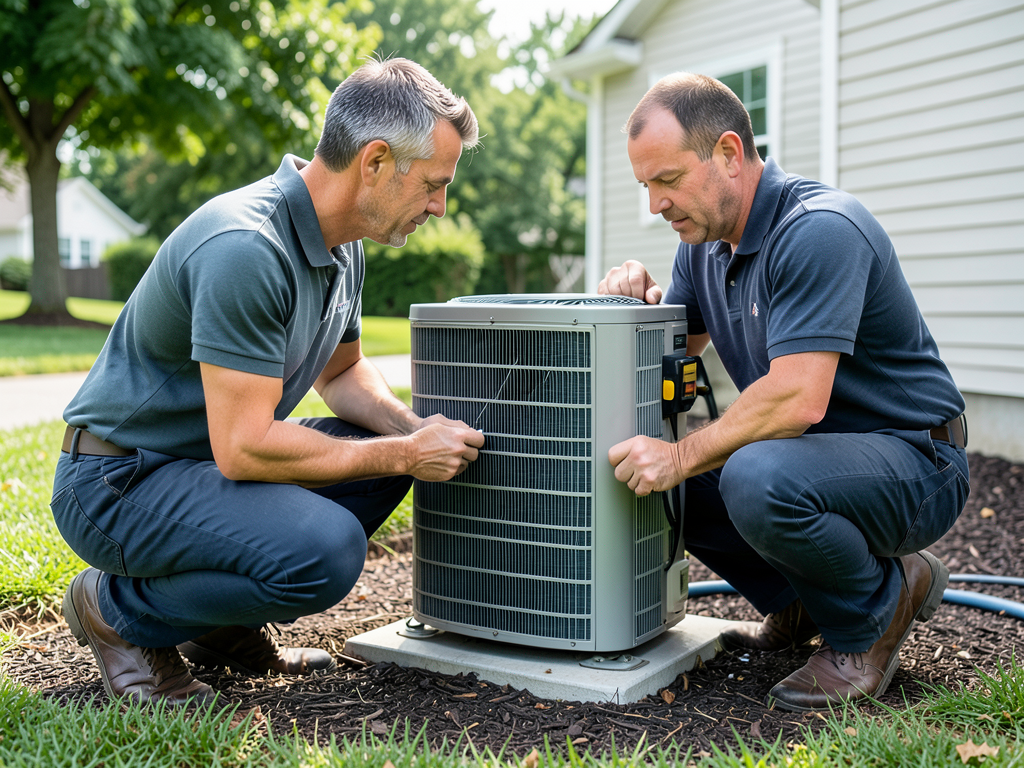
Your air conditioner's outdoor unit placement in Avalon Park directly impacts your monthly utility bills. In Orlando's intense heat and humidity, even a few feet of distance or a bit of shade can make a…
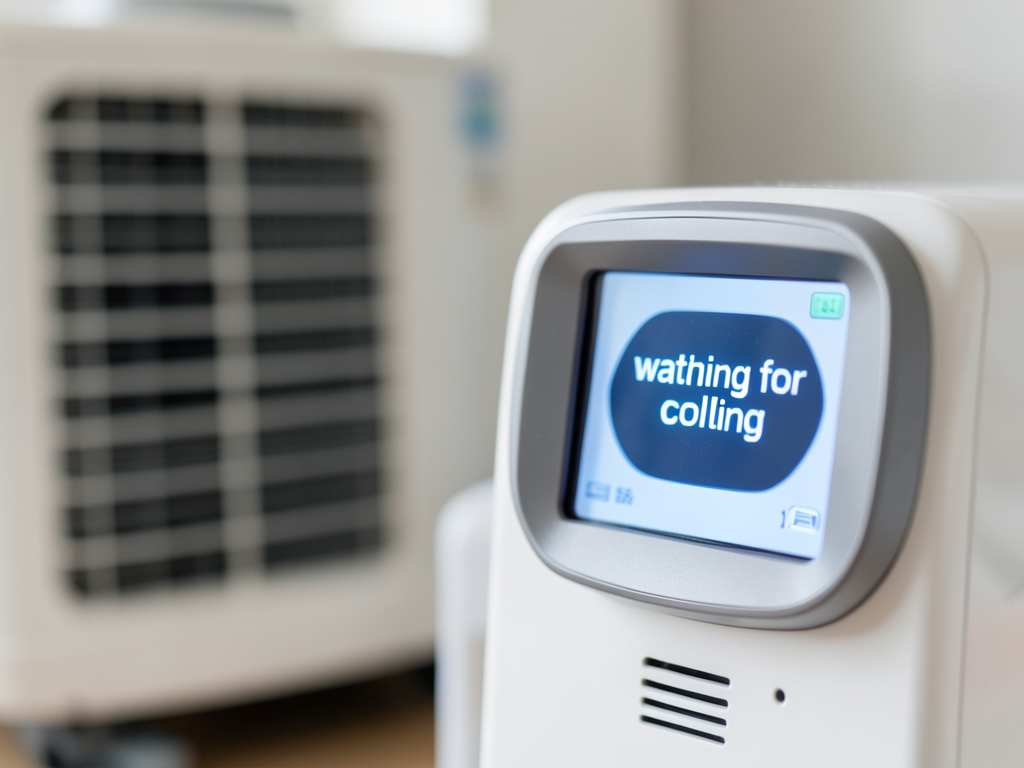
What to do if your St. Cloud thermostat says waiting for more than five minutes…
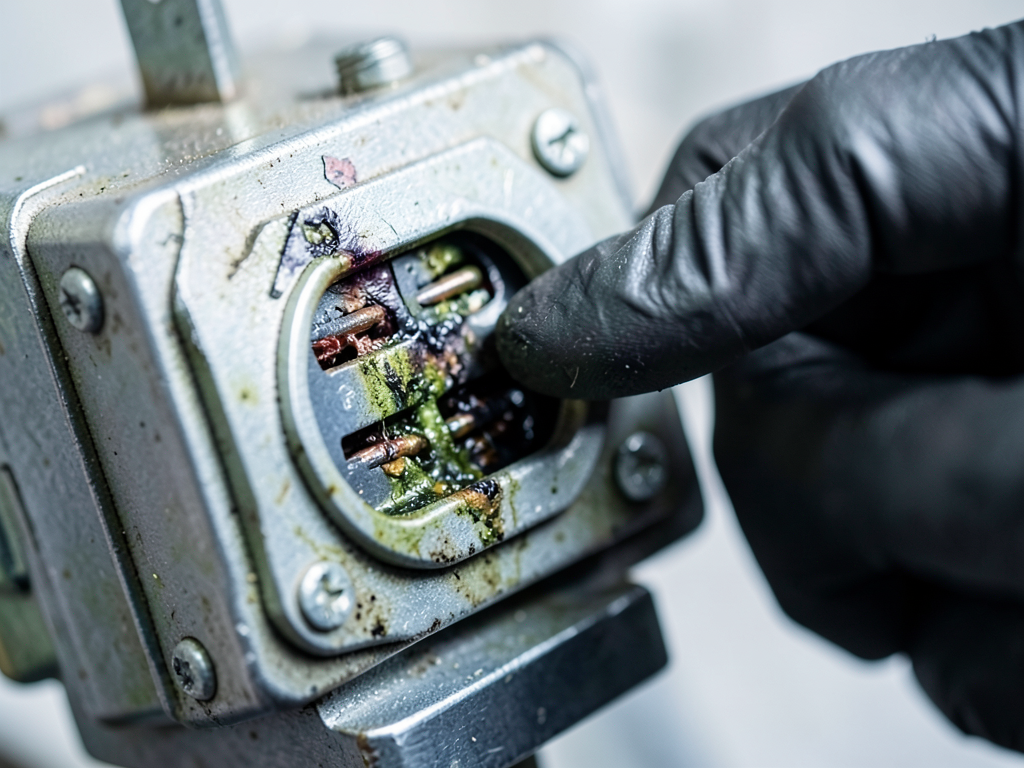
What it means when your Ocoee cooling system starts making a loud clicking sound Your…
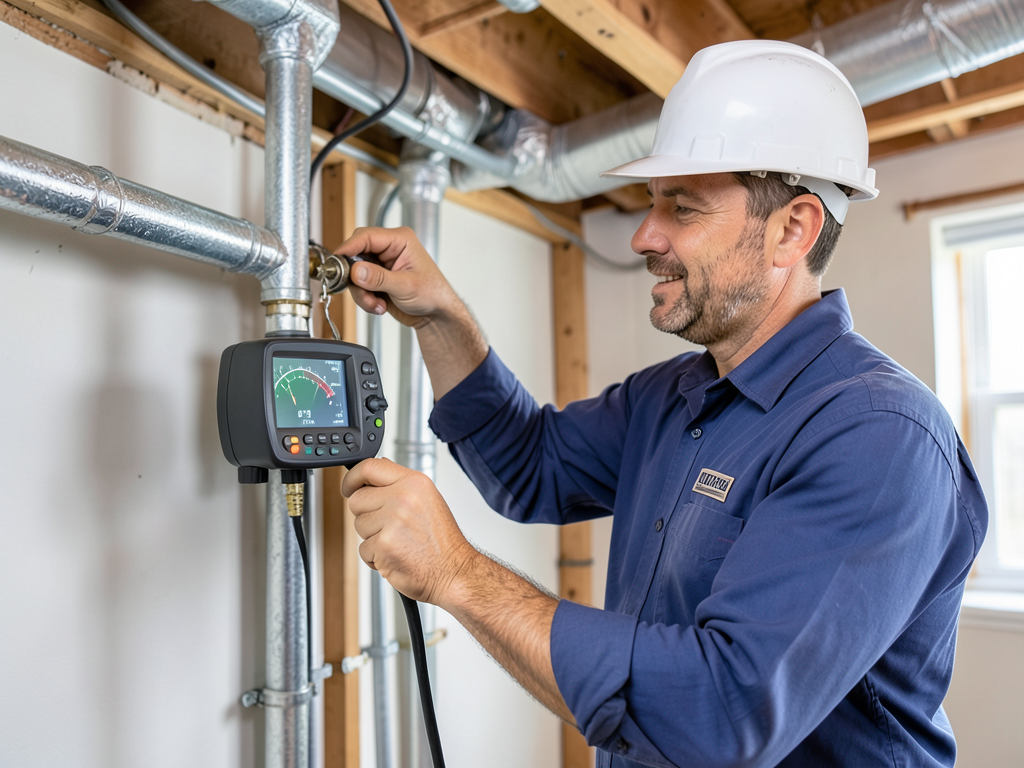
How to tell if your Celebration home builder installed the right size ductwork Your Celebration…
Your comfort can't wait. Summit HVAC Orlando responds to Winter Haven service calls within two hours. Our certified technicians bring the parts and expertise to fix your AC today. Call (321) 463-7979 now for same-day service.