



Troubleshooting AC Issues in Orlando – Fast Diagnosis That Saves You Money on Unnecessary Repairs

Expert HVAC System Diagnostics That Identify the Real Problem Before You Spend a Dollar on Parts You Don't Need

Slider Image 1
Slider Image 2
Slider Image 3
Slider Image 4
Slider Image 5
Slider Image 7
Slider Image 8
Slider Image 9
Slider Image 10
Slider Image 11

Why Your AC Acts Up More in Orlando's Climate

Orlando's unique weather patterns put extreme stress on air conditioning equipment. High humidity levels above 70% for most of the year create conditions where your system runs almost non-stop from March through October. This constant operation exposes weaknesses that homeowners in milder climates never experience.

When your AC starts blowing warm air or making strange noises, you need accurate HVAC system diagnostics before someone sells you a new compressor you don't need. Central air troubleshooting requires understanding how Florida's humidity affects refrigerant pressures, how afternoon thunderstorms cause electrical surges, and how fine sand from nearby construction sites clogs condenser coils faster than anywhere else in the country.

Diagnosing air conditioner problems correctly the first time prevents the cycle of temporary fixes that waste your money. You might think the issue is low refrigerant when the real problem is a failing capacitor. Or you assume you need duct replacement when a simple airflow restriction is causing the system to freeze up.

Orlando homeowners deal with specific challenges like salt air corrosion near the coast, aggressive mold growth in ductwork from constant moisture, and voltage fluctuations during summer storm season. These factors create a complex diagnostic environment where experience with local conditions matters more than textbook knowledge.

Identifying AC faults quickly in this climate protects your equipment from cascading failures. A small problem caught early prevents major damage. The difference between a $200 repair and a $4,000 replacement often comes down to accurate diagnosis within the first week of symptoms.

Why Your AC Acts Up More in Orlando's Climate
How Professional Diagnostics Work

How Professional Diagnostics Work

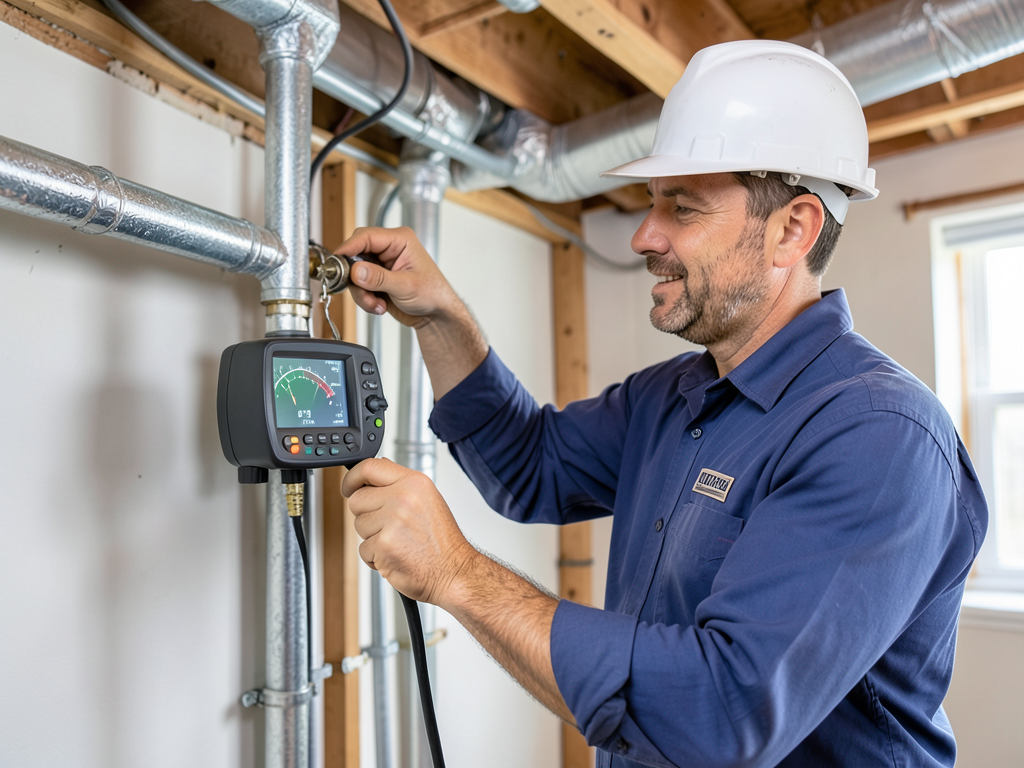
Real air conditioning troubleshooting starts with measuring actual system performance against manufacturer specifications. We check refrigerant superheat and subcooling temperatures to determine if the charge is correct for current ambient conditions. Most technicians skip this step and just add refrigerant based on gauge pressures, which leads to overcharged systems that fail prematurely.

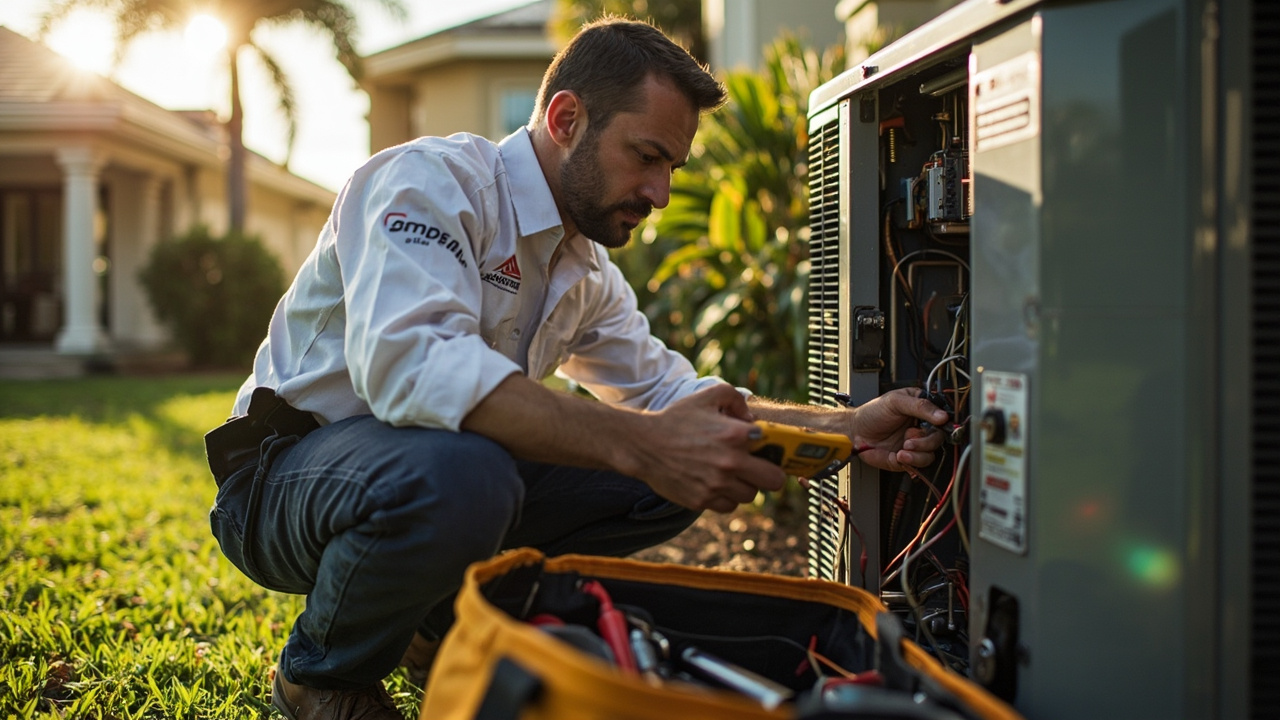
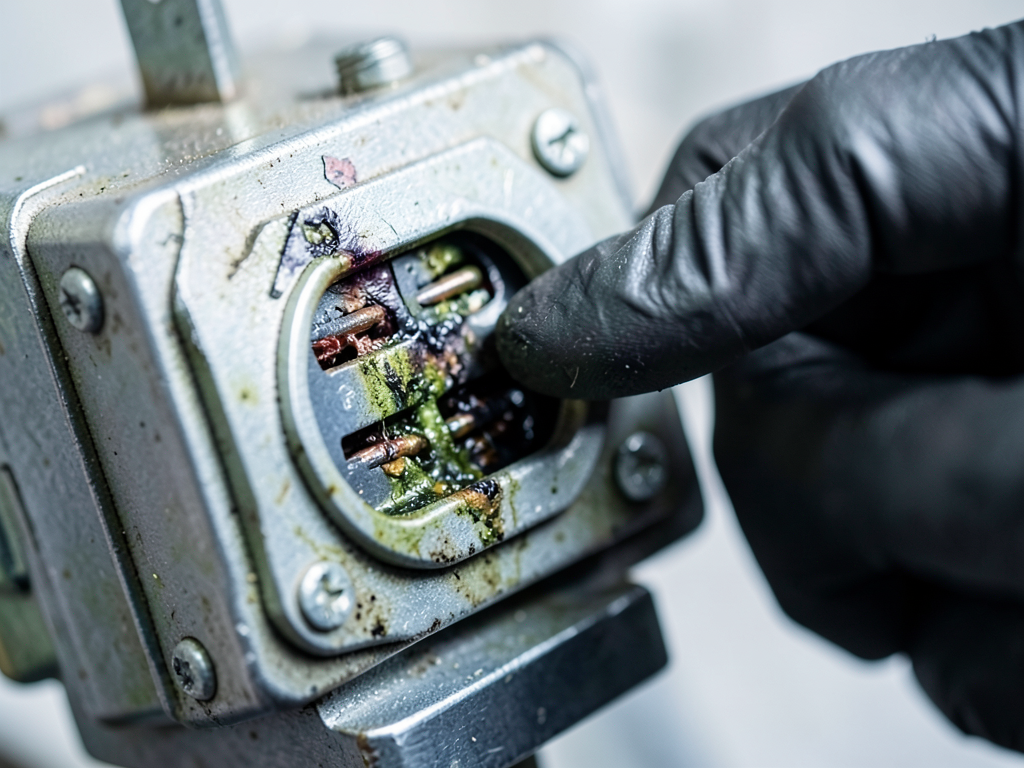
Electrical diagnostics reveal problems that visual inspections miss. We measure voltage and amperage at the contactor, compressor terminals, and capacitor connections under load. A compressor drawing 10% over rated amps signals internal wear that will cause failure within months. Catching this early lets you plan for replacement instead of facing an emergency breakdown during a July heat wave.

Airflow measurement tells us if your ductwork is sized correctly and if the blower motor delivers the CFM needed for proper heat exchange. We use a manometer to check static pressure across the evaporator coil and filter. High static pressure indicates restrictions that force the blower motor to work harder, shortening its lifespan and increasing energy costs.

Condensate drain diagnostics prevent the water damage that ruins ceilings and drywall. We check drain line pitch, inspect the P-trap for proper seal, and verify that the float switch activates before overflow occurs. Orlando's high humidity produces gallons of condensate daily, making drain line failures one of the most common sources of property damage.

Summit HVAC Orlando uses thermal imaging to detect hot spots in electrical connections and temperature variations across the evaporator coil that indicate refrigerant distribution problems. This technology finds issues that traditional methods miss, giving you a complete picture of your system's condition.

What Happens During Your AC Diagnostic Visit

Troubleshooting AC Issues in Orlando – Fast Diagnosis That Saves You Money on Unnecessary Repairs
01

System Performance Testing

We start by running your system through a complete cooling cycle while monitoring temperatures at the supply registers, return grilles, and outdoor unit. This baseline test reveals whether the system achieves proper temperature split and how long it takes to reach setpoint. We measure humidity levels to verify the evaporator coil removes moisture effectively, which matters in Orlando's muggy climate where comfort depends on dehumidification as much as cooling.
02

Component-Level Analysis

Each major component gets individual testing to isolate the failure point. We check compressor winding resistance, test capacitor microfarad ratings against specifications, verify contactor contact surfaces for pitting, and inspect the reversing valve on heat pump systems. The blower motor gets tested for proper RPM and bearing condition. This methodical approach identifies exactly which part needs attention instead of guessing based on symptoms alone.
03

Detailed Findings Report

You receive a written report explaining what we found, what it means for your system's reliability, and what needs immediate attention versus what can wait. We prioritize repairs based on safety risks and failure probability. You get photos of problem areas and measurements that support our recommendations, so you make informed decisions about your equipment. No pressure, no upselling, just facts about your system's condition.

Why Local Experience Matters for AC Diagnostics

Orlando's HVAC challenges differ significantly from other parts of Florida. The combination of tourist-driven construction activity, specific soil conditions in different neighborhoods, and microclimates created by lakes and urban development creates diagnostic scenarios that generic training manuals don't cover.

Technicians who work exclusively in this area recognize patterns that out-of-town services miss. We know that homes near Lake Eola experience higher humidity from water evaporation. We understand how the sandy soil in College Park affects ground-level ductwork differently than the clay-based soil in Winter Park. We've seen how the salt air near Dr. Phillips affects outdoor unit corrosion rates.

Building codes in Orange County require specific installation practices that impact system performance. When we diagnose problems, we verify that the original installation met code requirements for refrigerant line sizing, electrical disconnects, and condensate drain termination. Many AC issues trace back to installation shortcuts that violate local codes.

The rapid growth in areas like Lake Nona and Avalon Park means many homes have AC systems installed by out-of-state contractors who don't understand Florida-specific requirements. We frequently find undersized ductwork, improper refrigerant line insulation, and electrical connections that don't meet the standards needed for Orlando's climate.

Summit HVAC Orlando maintains relationships with local building inspectors and code enforcement officials. This connection keeps us current on interpretation changes and helps us navigate the permit process when diagnostic findings require major repairs. We know which manufacturers have better parts availability in Central Florida and which distributors stock hard-to-find components for older systems common in historic neighborhoods like Thornton Park.

Our diagnostic approach accounts for the reality that your system runs 3,000 to 4,000 hours per year in Orlando compared to 1,000 to 1,500 hours in northern states. This extreme duty cycle accelerates wear patterns that require different diagnostic criteria.

What to Expect from Professional AC Diagnostics

Diagnostic Timing and Availability

Most diagnostic appointments take 60 to 90 minutes depending on system complexity and the number of issues we find. We schedule diagnostics seven days a week because AC problems don't respect weekends. You get a same-day appointment when you call before noon on weekdays. Emergency diagnostics are available 24/7 when your system fails completely and indoor temperatures become unsafe. We arrive with the diagnostic equipment and common repair parts so we can fix simple problems during the same visit once you approve the work.

Comprehensive System Assessment

The diagnostic process examines every component that affects cooling performance and efficiency. We inspect ductwork for leaks and restriction points, check thermostat calibration and placement, verify proper refrigerant charge through temperature and pressure measurements, test electrical connections for voltage drop, and evaluate indoor air quality factors like filter condition and coil cleanliness. You receive documentation of current refrigerant pressures, operating temperatures, and electrical readings so you can track system performance over time. This baseline data helps identify gradual degradation before it causes breakdowns.

Clear Explanation of Findings

We explain diagnostic results in plain language without technical jargon that confuses the issue. You see exactly what's wrong through photos and measurements that prove the diagnosis. We demonstrate problems when possible, like showing you the spark from a failing contactor or the temperature difference across a restricted filter. You understand why the recommended repair solves the problem and what happens if you delay the fix. We provide written estimates for any work needed and explain your options, including repair versus replacement considerations when systems approach end of life.

Follow-Up and Prevention Planning

After repairs, we verify that the fix resolved the original symptoms through follow-up performance testing. You receive recommendations for preventing similar problems through proper maintenance intervals and operating practices specific to Orlando's climate. We identify components showing early wear that need monitoring and suggest a timeline for addressing them before they fail. Our diagnostic findings include efficiency recommendations that reduce operating costs and extend equipment life. You get a maintenance schedule tailored to your system's age, usage patterns, and local environmental factors.

Frequently Asked Questions

You Have Questions,
We Have Answers

How to troubleshoot air conditioning problems? +

Start by checking your thermostat settings. Confirm it's set to cool and the temperature is lower than your home's current reading. Inspect your air filter. A clogged filter restricts airflow and forces your system to work harder. Replace it if dirty. Check your circuit breaker to ensure the AC unit has power. Walk outside and listen to the condenser unit. If it's silent or making strange noises, you may have a compressor or capacitor issue. Verify that your vents are open and unobstructed. In Orlando's high humidity climate, also check for visible water leaks or ice buildup on refrigerant lines.

What is the 3 minute rule for AC? +

The 3 minute rule prevents short cycling and compressor damage. After your AC shuts off, wait at least three minutes before restarting it. This allows refrigerant pressure to equalize throughout the system. Restarting too quickly forces the compressor to work against high pressure, which stresses internal components and shortens lifespan. Modern units often have built-in delay timers that enforce this rule automatically. If you're manually cycling your thermostat or resetting breakers during Orlando's summer heat, respect this waiting period. Ignoring it can lead to compressor failure, which is one of the most expensive AC repairs you'll face.

What is the $5000 rule for AC? +

The $5000 rule is a decision-making guideline for repair versus replacement. Multiply the age of your AC unit by the repair cost estimate. If the result exceeds $5000, replacement is typically smarter than repair. For example, a 12-year-old unit needing a $500 repair yields $6000, suggesting replacement. Orlando's brutal heat and humidity accelerate wear on AC systems, making this calculation especially relevant. Factor in efficiency gains too. Newer units use 20 to 40 percent less energy than models over 10 years old. Your electric bills can drop significantly, offsetting replacement costs over time.

What is the most common AC problem? +

Dirty air filters cause the most common AC problems. When filters clog with dust, pet hair, and Orlando's airborne pollen, airflow drops dramatically. Your system runs longer to reach the set temperature, driving up energy bills. Restricted airflow also causes the evaporator coil to freeze, which blocks cooling entirely. In extreme cases, the blower motor overheats and fails. Most manufacturers recommend changing filters every 30 to 90 days. In Orlando's humid climate with high particulate counts, monthly replacement is better. This simple maintenance step prevents roughly 40 percent of service calls and extends your system's lifespan.

How to self-diagnose AC problems? +

Start with your thermostat. Replace batteries if it's unresponsive. Check the air filter and replace it if dirty or gray. Go outside and inspect the condenser unit. Remove leaves, grass clippings, or debris blocking airflow. Listen for unusual sounds like grinding or squealing, which indicate motor or belt issues. Feel the airflow from your vents. Weak airflow suggests duct leaks or a failing blower motor. Check for ice on refrigerant lines, which signals low refrigerant or airflow problems. If you smell burning or musty odors, shut the system down immediately. Orlando's humidity creates mold growth in ducts, requiring professional cleaning.

What should my AC be set at if it's 100 degrees outside? +

Set your thermostat to 72 to 75 degrees when it's 100 degrees outside in Orlando. Your AC can typically maintain a 15 to 20 degree difference between indoor and outdoor temperatures. Pushing it beyond that stresses the compressor and increases energy consumption without improving comfort. Running your system continuously at extreme settings causes premature wear. Use ceiling fans to improve air circulation and perceived cooling. Close blinds on south-facing windows during peak sun hours. Consider a programmable thermostat that raises the temperature slightly when you're away, reducing strain on your unit while maintaining reasonable comfort when you return home.

Why is my AC set to 72 but reads 78? +

Your AC struggles to reach the setpoint due to insufficient cooling capacity, poor insulation, or equipment failure. In Orlando's heat and humidity, undersized units cannot keep up with demand. Check your air filter first. A clogged filter reduces airflow by 50 percent or more. Inspect windows and doors for air leaks where cool air escapes. Your evaporator coil may be frozen or dirty, blocking heat transfer. Low refrigerant from a leak prevents proper cooling. Ductwork leaks lose 20 to 30 percent of conditioned air before it reaches living spaces. A failing compressor also loses cooling capacity gradually over time.

What are signs of a failing AC compressor? +

Listen for loud clicking, rattling, or grinding noises from the outdoor unit. A failing compressor struggles to start and may trip your circuit breaker repeatedly. You'll notice reduced airflow from vents and weaker cooling even though the system runs constantly. Check for hard starting, where the unit takes several attempts to fire up. Feel the outdoor unit. Excessive vibration indicates internal mechanical failure. In Orlando's climate, compressors work overtime against heat and humidity. If your system blows warm air while the thermostat is set correctly, the compressor may have lost its ability to pressurize refrigerant. High electric bills without corresponding cooling also signal compressor decline.

How long should it take to cool a house from 80 to 72? +

Expect 60 to 90 minutes for a properly sized AC to cool your home from 80 to 72 degrees. The exact time depends on your home's square footage, insulation quality, and ductwork efficiency. In Orlando, factors like direct sun exposure and humidity load extend cooling time. A 2000 square foot home with good insulation cools faster than a 3000 square foot home with air leaks. If cooling takes over two hours, you likely have insufficient capacity, low refrigerant, dirty coils, or ductwork problems. Running ceiling fans helps distribute cool air faster, improving comfort while your system works.

What is the life expectancy of an air conditioner? +

Air conditioners last 12 to 15 years in Orlando's climate. The combination of year-round heat, high humidity, and near-constant operation shortens lifespan compared to cooler regions. Units run 8 to 10 months per year here versus 4 to 6 months in northern climates. Coastal areas experience additional corrosion from salt air. Proper maintenance extends longevity. Annual professional tune-ups, monthly filter changes, and keeping the outdoor unit clean add years to your system. Homes with programmable thermostats and proper insulation reduce runtime stress. After 10 years, repair costs typically increase as components age. Plan for replacement once your unit reaches 12 years old.

How Orlando's Afternoon Thunderstorms Accelerate AC Electrical Failures

Central Florida averages 80 to 100 thunderstorms annually, creating one of the highest lightning strike densities in the United States. These daily summer storms cause voltage surges that degrade capacitors, contactors, and control boards faster than normal aging. HVAC system diagnostics in Orlando must account for cumulative electrical stress that weakens components over time. A capacitor that would last eight years in Arizona might fail in five years here due to repeated power fluctuations. Identifying AC faults before they cascade into compressor damage requires understanding how local weather patterns affect electrical component lifespan and testing for early signs of degradation.

Orange County's rapid growth means building inspectors handle high permit volumes, making post-installation verification inconsistent. Many AC systems have installation defects that don't surface until the warranty period ends. Local HVAC expertise means knowing which builders use quality subcontractors and which neighborhoods have higher rates of installation problems. We see recurring issues in specific subdivisions where ductwork was installed before framing was complete, allowing construction debris into the system. Diagnosing air conditioner problems accurately requires familiarity with the installation practices common to different Orlando area builders and the typical failure modes those practices create.
HVAC Services in The Orlando Area

Summit proudly serves Orlando and surrounding Central Florida areas with fast, professional HVAC services. Whether you're in the heart of the city or in nearby neighborhoods, our technicians are just a call away. Use the map below to view our service area and plan your visit or consultation. We make it convenient to get expert help where and when you need it. Your comfort is always within reach with Summit.

Address:
Summit HVAC Orlando, 4700 Millenia BlvdOrlando, Orlando, FL, 32839

Additional Services We Offer

Our news updates

Latest Articles & News from The Blogs

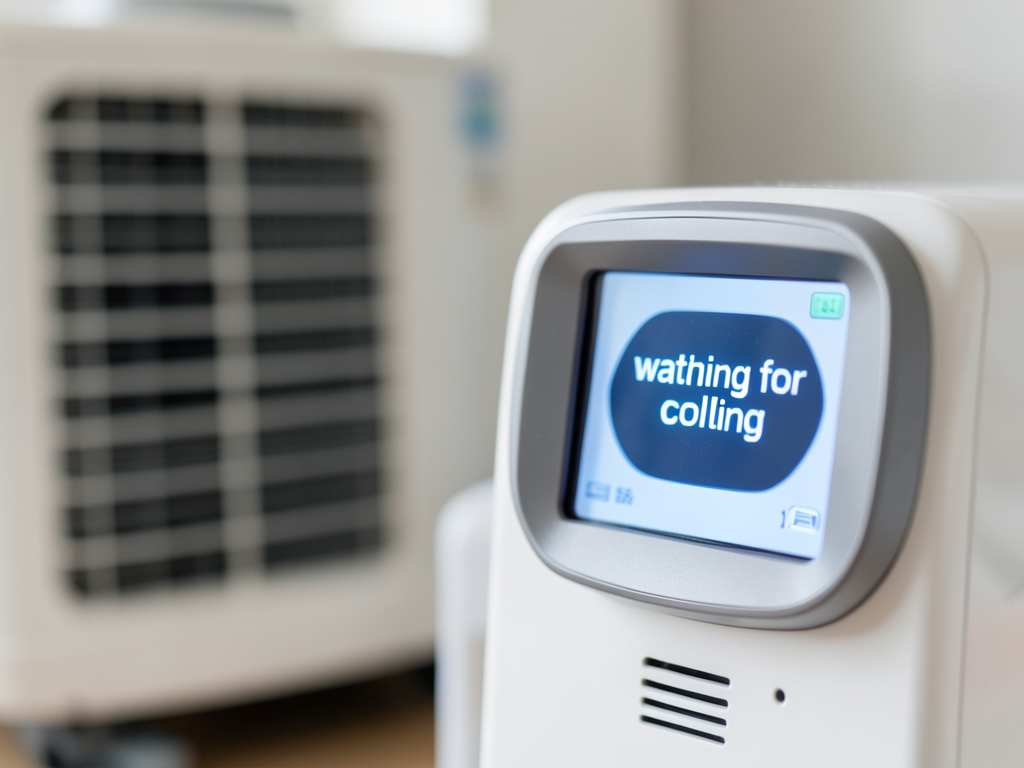
What to do if your St. Cloud thermostat says waiting for more than five minutes Your thermostat displays 'waiting for…

What to do if your St. Cloud thermostat says waiting for more than five minutes

What to do if your St. Cloud thermostat says waiting for more than five minutes Your thermostat displays 'waiting for…

What it means when your Ocoee cooling system starts making a loud clicking sound

What it means when your Ocoee cooling system starts making a loud clicking sound Your outdoor AC unit should hum…

How to tell if your Celebration home builder installed the right size ductwork

How to tell if your Celebration home builder installed the right size ductwork Your Celebration home should feel comfortable year-round.…

Contact Us

Stop guessing what's wrong with your air conditioner. Call Summit HVAC Orlando at (321) 463-7979 for professional diagnostics that identify the real problem. We provide same-day appointments and honest recommendations that protect your investment.