






Indoor Air Quality Solutions in Orlando – Custom IAQ Systems That Target Your Home's Specific Pollutants

Summit HVAC Orlando delivers targeted indoor air quality solutions using diagnostic air testing and precision filtration systems designed for Central Florida's unique combination of humidity, allergens, and volatile organic compounds.

Slider Image 1
Slider Image 2
Slider Image 3
Slider Image 4
Slider Image 5
Slider Image 7
Slider Image 8
Slider Image 9
Slider Image 10
Slider Image 11

Why Orlando Homes Face Unique Indoor Air Quality Challenges

Orlando's subtropical climate creates a perfect breeding ground for indoor air pollution. Year-round humidity above 70% allows mold spores to colonize HVAC ducts within weeks. Pollen from live oak, Bahia grass, and ragweed infiltrates homes through every opening. The constant AC operation required in Central Florida means you're recirculating the same contaminated air through your living space 20 to 30 times per day.

Most Orlando homes were built for cooling efficiency, not ventilation. Tight building envelopes trap volatile organic compounds from furniture, cleaning products, and building materials. You add outdoor allergens, pet dander, and dust mites to the mix, and your indoor air becomes two to five times more polluted than outdoor air, according to EPA studies.

The health impact shows up fast. Residents report chronic sinus congestion, morning headaches, and worsening asthma symptoms. Children and elderly family members suffer most. You might blame seasonal allergies, but the real culprit is your home's air quality. Standard HVAC filters catch only large particles. The microscopic pollutants that trigger respiratory problems pass straight through.

Home air quality systems need to address Orlando's specific challenges. Generic solutions fail because they don't account for our humidity levels, our specific allergen profile, or our AC-dependent lifestyle. Effective IAQ improvement services start with diagnostic testing to identify your home's actual pollutant load, then deploy targeted technologies matched to those specific contaminants.

Why Orlando Homes Face Unique Indoor Air Quality Challenges
How Professional IAQ Systems Address Multiple Pollutant Categories

How Professional IAQ Systems Address Multiple Pollutant Categories

Indoor air pollution solutions require a layered approach. No single device removes all contaminant types. Summit HVAC Orlando designs HVAC air quality control systems that target the three primary pollutant categories affecting Orlando homes.

Particulate matter includes pollen, dust, mold spores, and pet dander. We install high-efficiency media filters with MERV ratings between 11 and 13, capturing particles down to 0.3 microns. These filters integrate with your existing HVAC system without restricting airflow or overworking your blower motor. For homes with severe allergy issues, we deploy HEPA filtration in portable units for bedrooms and living areas.

Biological contaminants like mold, bacteria, and viruses require germicidal technology. We install UV-C lights inside your air handler that destroy microbial DNA as air passes through. This prevents mold colonization in drain pans and evaporator coils, which are constantly wet in Orlando's humid climate. The UV system runs 24/7, providing continuous disinfection without chemicals or maintenance.

Volatile organic compounds and odors need chemical adsorption. Activated carbon filters remove formaldehyde from furniture, benzene from cleaning products, and cooking odors that standard filters cannot touch. We size carbon filters based on your home's square footage and occupant count.

Humidity control ties everything together. We calibrate your AC system to maintain 45% to 55% relative humidity. This range prevents mold growth while keeping dust mites dormant. Many Orlando homes need supplemental dehumidification during mild weather when AC runtime decreases but humidity stays high.

Residential air quality services work best when integrated with your existing HVAC system. Standalone air purifiers help individual rooms but cannot treat whole-house air volume effectively.

Our Indoor Air Quality Assessment and Installation Process

Indoor Air Quality Solutions in Orlando – Custom IAQ Systems That Target Your Home's Specific Pollutants
01

Diagnostic Air Testing

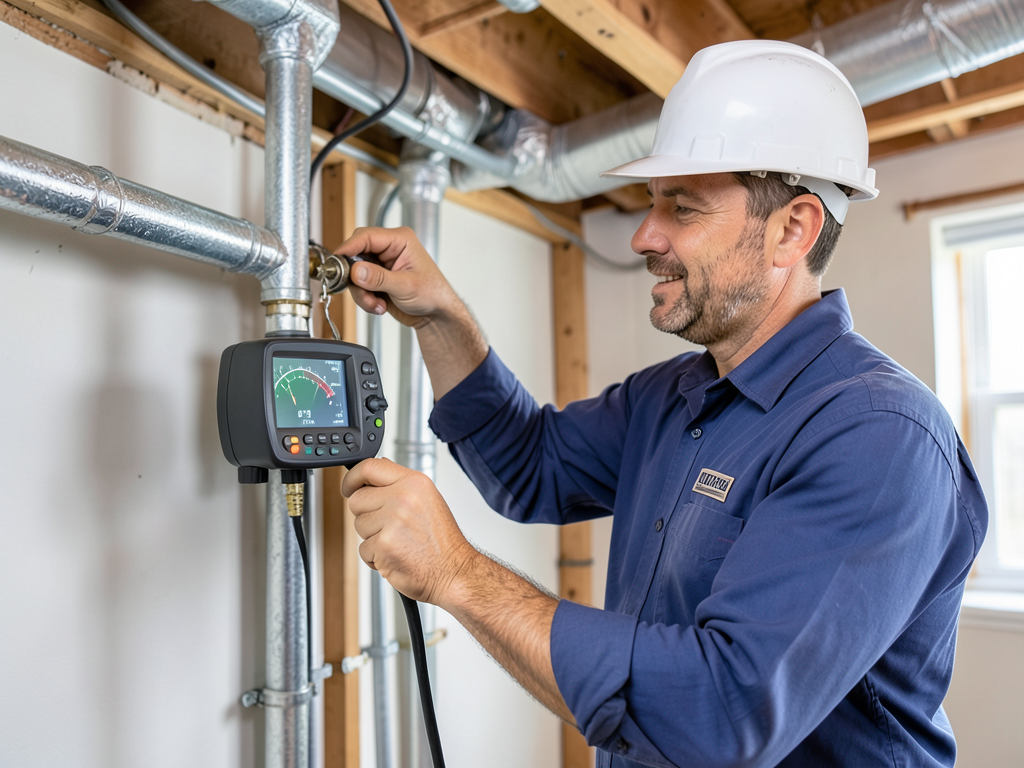
We perform particle counting and humidity mapping throughout your home using calibrated monitors. This identifies pollutant concentrations in each room and locates moisture problems in ductwork or building cavities. We test for mold spores, allergen levels, and VOC presence. The data reveals which contaminants are actually present, not which problems we assume you have. Testing takes 45 to 60 minutes and provides the baseline we use to measure system performance after installation.
02

Custom System Design

Based on test results, we design a multi-stage filtration system matched to your pollutant profile. We calculate static pressure across your HVAC system to ensure new filters won't restrict airflow. We specify UV-C wattage based on your air handler size. We size dehumidification capacity using Manual J cooling load calculations. You receive a written proposal showing which technologies address which contaminants and why each component matters for your specific home. We explain upfront filter costs and replacement intervals.
03

Verification and Monitoring

After installation, we re-test air quality using the same monitoring equipment. You see documented improvement in particle counts and humidity levels. We program your thermostat to display indoor humidity and send alerts when filters need replacement. We establish a maintenance schedule based on your system's specific components. Most residential air quality services require filter changes every three to six months and annual UV bulb replacement. We provide written records of all test results and system specifications for your reference.

Why Orlando Homeowners Choose Summit HVAC for IAQ Solutions

Generic air purifiers sold at big-box stores cannot address the pollutant complexity in Orlando homes. You need a provider who understands Central Florida's specific IAQ challenges and has access to commercial-grade filtration technology.

Summit HVAC Orlando has installed IAQ improvement services in over 1,200 Orlando-area homes since 2015. We work in neighborhoods from College Park to Baldwin Park to Windermere. We know which pollen species dominate different parts of Orange County. We know which subdivisions have mold problems due to poor lot drainage. We understand how Orlando's building codes evolved and which construction periods created homes with inadequate ventilation.

Our technicians hold NATE certification in air quality systems. We use the same diagnostic equipment employed by industrial hygienists. We stock medical-grade HEPA filters and hospital-grade UV-C systems. We work with allergy specialists and pulmonologists who refer patients needing home air quality systems as part of their treatment plans.

We integrate IAQ solutions with your existing HVAC equipment. Many companies push complete system replacement because they lack the technical skill to retrofit advanced filtration. We assess your current air handler, ductwork, and thermostat capabilities, then design around what you already own. This saves you thousands compared to unnecessary equipment replacement.

We provide transparent pricing before starting work. You receive itemized proposals showing equipment costs and labor separately. We explain which components are essential and which are optional upgrades. We never use scare tactics about invisible pollutants to sell unnecessary equipment.

Orlando's climate demands year-round HVAC operation. Your indoor air quality depends on systems that work reliably in high-humidity, high-runtime conditions. We install equipment built for commercial applications and adapt it to residential use. This ensures longevity and consistent performance.

What to Expect from Professional IAQ Services

Scheduling and Response Time

We schedule diagnostic assessments within three to five business days of your call. Testing appointments run 60 to 90 minutes. You receive a written report with recommendations within 24 hours. Installation scheduling depends on equipment availability, typically seven to 10 days for standard systems. Custom solutions requiring specialty equipment may need two to three weeks. We coordinate installation around your schedule and complete most residential projects in four to six hours. If we're retrofitting UV systems or whole-home dehumidifiers, expect a full-day installation. We protect your floors and work areas, and we remove all packaging materials when finished.

The Assessment Process

Our assessment starts with a walkthrough to identify visible moisture problems, ventilation issues, and odor sources. We inspect your HVAC system's current filtration and check for mold growth in the air handler. We deploy particle counters in your main living areas and bedrooms for 20-minute readings. We measure humidity levels at supply registers and in return air. We photograph problem areas and document findings. You walk through results with our technician before we leave. We explain which pollutants we found and which health symptoms they typically cause. The assessment fee applies toward installation if you proceed with our recommendations.

System Performance and Results

Properly designed home air quality systems reduce airborne particle counts by 85% to 95% within the first week. You notice easier breathing, reduced congestion, and less dust accumulation on surfaces. Allergy symptoms decrease significantly for most family members. Odors from cooking and pets dissipate faster. Your HVAC system runs more efficiently because clean coils transfer heat better. Energy costs often decrease by 10% to 15% because improved airflow reduces compressor runtime. The system operates silently. You won't hear fans or motors. The only indication your IAQ system is working is cleaner air and better health.

Maintenance Requirements

Media filters require replacement every three to six months, depending on your home's occupancy and local pollen levels. We provide filter replacement service or teach you how to change them yourself. UV-C bulbs lose effectiveness after 12 months and need annual replacement. Carbon filters last six to 12 months. We send automatic reminders when maintenance is due. Most homeowners spend $200 to $400 annually on filter replacements. We offer maintenance plans that include all filter changes, UV bulb replacement, and system performance testing. Plans cost less than buying filters retail and ensure your system maintains peak performance. We keep detailed service records and track filter life for your specific installation.

Frequently Asked Questions

You Have Questions,
We Have Answers

How do you fix poor indoor air quality? +

Fixing poor indoor air quality starts with identifying the source. Replace HVAC filters monthly, especially in Orlando's humid climate where mold and dust accumulate fast. Install a whole-home air purifier or UV light system in your ductwork to kill bacteria and allergens. Schedule professional duct cleaning to remove years of buildup. Upgrade to MERV 11 or higher filters to trap smaller particles. Control humidity with a dehumidifier or properly sized AC unit, keeping levels between 30-50%. Seal duct leaks to prevent drawing attic contaminants into your home. A professional IAQ assessment pinpoints problems you cannot see, like mold or VOCs.

Do indoor air quality monitors actually work? +

Yes, indoor air quality monitors work when you use quality models. They measure particulate matter, VOCs, carbon dioxide, humidity, and temperature in real time. Consumer models provide useful data but lack the precision of professional-grade meters. In Orlando, monitors help you track how humidity and outdoor pollen affect your indoor environment. They alert you when ventilation drops or contaminants spike. However, monitors diagnose problems but do not fix them. Use monitor data to guide decisions like filter changes, air purifier use, or scheduling HVAC maintenance. Accuracy varies by brand, so research before buying.

How much does indoor air quality testing cost? +

Professional indoor air quality testing costs between $300 and $800 in Orlando, depending on what you test. Basic particulate and humidity checks run cheaper. Comprehensive tests for mold spores, VOCs, radon, and carbon monoxide cost more. Lab analysis adds fees if samples require off-site testing. Many HVAC companies include basic IAQ checks during tune-ups. Testing makes sense if you experience unexplained allergies, musty odors, or respiratory symptoms. The data reveals hidden problems like duct mold or gas leaks. Invest in testing before expensive remediation to confirm the actual issue.

What are signs of poor indoor air? +

Poor indoor air shows up through persistent allergy symptoms, frequent headaches, and unexplained fatigue. You might notice dust accumulating faster than normal or musty odors that linger. Family members cough or sneeze more indoors than outside. Condensation on windows signals high humidity, which breeds mold. Stale air that feels stuffy indicates poor ventilation. In Orlando, excessive humidity makes breathing feel heavy. You might see visible mold on vents or walls. HVAC systems cycling on and off rapidly suggest airflow problems. Pets scratching more or plants struggling indoors also indicate contaminated air.

How do I detox the air in my house? +

Detoxing indoor air requires a multi-step approach. Open windows during cooler Orlando mornings to flush stale air, but close them when humidity climbs. Run exhaust fans in bathrooms and kitchens to remove moisture and cooking fumes. Add houseplants like spider plants or pothos to naturally filter toxins. Replace HVAC filters and clean supply vents. Avoid synthetic air fresheners, which add VOCs. Use baking soda to absorb odors instead. Install a whole-home air purifier with HEPA and activated carbon filters. Schedule duct cleaning if you smell mustiness. Reduce clutter where dust collects.

What are the major causes of poor indoor air quality? +

Poor indoor air quality stems from high humidity, inadequate ventilation, and dirty HVAC systems. Orlando's humidity fuels mold growth in ducts and on surfaces. Dust mites thrive in warm, moist conditions. Leaky ductwork pulls attic insulation fibers and contaminants into living spaces. Off-gassing from furniture, flooring, and cleaning products releases VOCs. Pet dander and pollen tracked indoors accumulate without proper filtration. Combustion appliances like gas stoves produce carbon monoxide and nitrogen dioxide. Overcrowded spaces with poor airflow trap pollutants. Neglected HVAC maintenance allows mold and bacteria to circulate through your home.

Is there a downside to air purifiers? +

Air purifiers have downsides if misused. Ozone generators damage lungs and should be avoided. Some ionizers produce trace ozone as a byproduct. HEPA filters require regular replacement, adding ongoing costs. Undersized units struggle in large rooms, giving false confidence. Noise from fans disturbs sleep in bedrooms. Purifiers do not remove gases unless they include activated carbon. They work only in the room where placed, not whole homes. In Orlando's humidity, purifiers do not replace dehumidifiers or AC maintenance. They address symptoms but not root causes like duct leaks or mold sources.

How can I test my indoor air quality at home? +

Test indoor air quality at home using a consumer-grade monitor that measures particulates, VOCs, humidity, and carbon dioxide. Models from brands like Airthings or AirVisual provide real-time data. Place the monitor in your main living area, away from windows and vents. Track patterns over several days. Check for elevated readings during cooking or when the AC runs. Purchase a radon test kit if you have a basement or slab foundation. In Orlando, watch humidity levels closely since mold grows fast above 60%. For comprehensive analysis, hire a professional to test for specific contaminants.

Is there an air purifier that really works? +

Yes, air purifiers work when properly sized and equipped with true HEPA filters. Units from brands like Austin Air, IQAir, or Blueair capture 99.97% of particles down to 0.3 microns. Activated carbon filters remove odors and VOCs. Whole-home systems installed in ductwork treat every room, unlike portable units. In Orlando, purifiers help control mold spores, pollen, and dust mites that thrive in humidity. Match the purifier's CADR rating to your room size for effectiveness. Replace filters on schedule. Purifiers supplement, not replace, proper HVAC maintenance and humidity control.

What are the 10 warning signs of mold toxicity? +

Mold toxicity warning signs include chronic fatigue that rest does not fix, brain fog, and memory problems. You might experience persistent sinus congestion, coughing, or wheezing. Unexplained headaches and dizziness occur frequently. Skin rashes or sensitivity to light develop. Joint pain without injury and numbness or tingling in extremities appear. Digestive issues like nausea or appetite changes happen. Mood swings, anxiety, or depression worsen. Increased urination and excessive thirst signal kidney stress. In Orlando's humid climate, mold exposure is common. If you experience multiple symptoms, get professional mold testing and see a doctor familiar with mold illness.

How Orlando's Humidity and Construction Standards Impact IAQ System Design

Orlando's average annual humidity of 74% creates constant moisture loading on HVAC systems. Most homes built before 2000 lack proper vapor barriers, allowing humid outdoor air to infiltrate through walls and attics. Condensation forms inside ductwork located in unconditioned attic spaces, creating mold colonies that spread spores throughout your home. The Florida Building Code requires homes to achieve 0.35 air changes per hour for energy efficiency, which reduces natural ventilation and concentrates indoor pollutants. Effective indoor air pollution solutions must address humidity control first. Without proper dehumidification, filters and UV lights cannot overcome the constant moisture that feeds biological growth.

Summit HVAC Orlando holds an active Florida CAC license and maintains relationships with Orlando's top allergists and pulmonologists who refer patients needing medical-grade air quality systems. We understand Orange County's building permit requirements for HVAC modifications. We know which neighborhoods have recurring mold issues due to poor drainage and high water tables. Our technicians train annually on Florida-specific IAQ challenges and humidity control strategies. When you work with a provider who serves only Central Florida, you get solutions designed for our climate, not generic recommendations that work in Arizona or Maine but fail in Orlando's subtropical environment.
HVAC Services in The Orlando Area

Summit proudly serves Orlando and surrounding Central Florida areas with fast, professional HVAC services. Whether you're in the heart of the city or in nearby neighborhoods, our technicians are just a call away. Use the map below to view our service area and plan your visit or consultation. We make it convenient to get expert help where and when you need it. Your comfort is always within reach with Summit.

Address:
Summit HVAC Orlando, 4700 Millenia BlvdOrlando, Orlando, FL, 32839

Additional Services We Offer

Our news updates

Latest Articles & News from The Blogs

What to do if your St. Cloud thermostat says waiting for more than five minutes Your thermostat displays 'waiting for…

What to do if your St. Cloud thermostat says waiting for more than five minutes

What to do if your St. Cloud thermostat says waiting for more than five minutes Your thermostat displays 'waiting for…

What it means when your Ocoee cooling system starts making a loud clicking sound

What it means when your Ocoee cooling system starts making a loud clicking sound Your outdoor AC unit should hum…

How to tell if your Celebration home builder installed the right size ductwork

How to tell if your Celebration home builder installed the right size ductwork Your Celebration home should feel comfortable year-round.…

Contact Us

Call Summit HVAC Orlando at (321) 463-7979 to schedule your diagnostic air quality assessment. We'll identify your home's specific pollutants and design a filtration system that actually works in Orlando's humid climate.