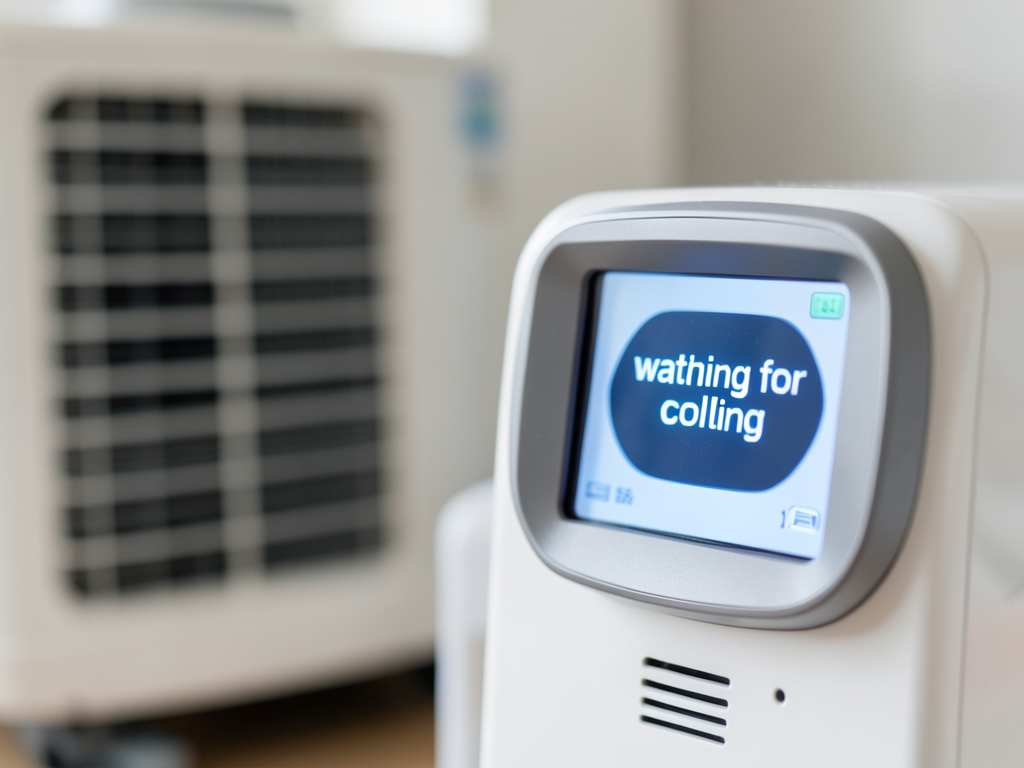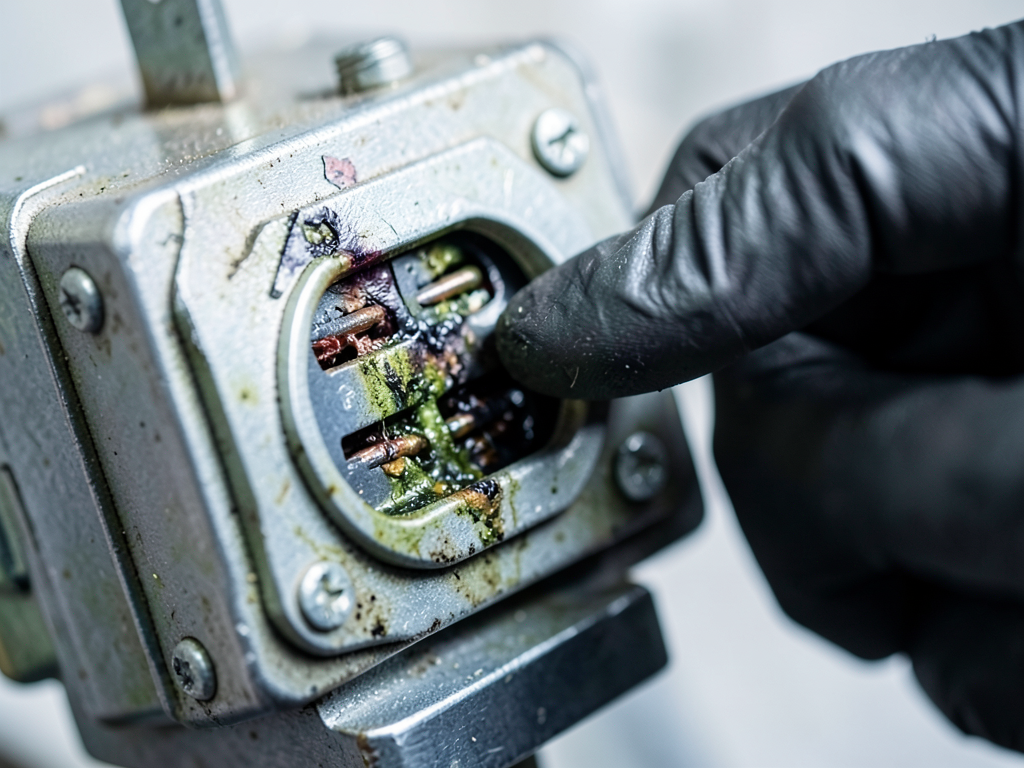





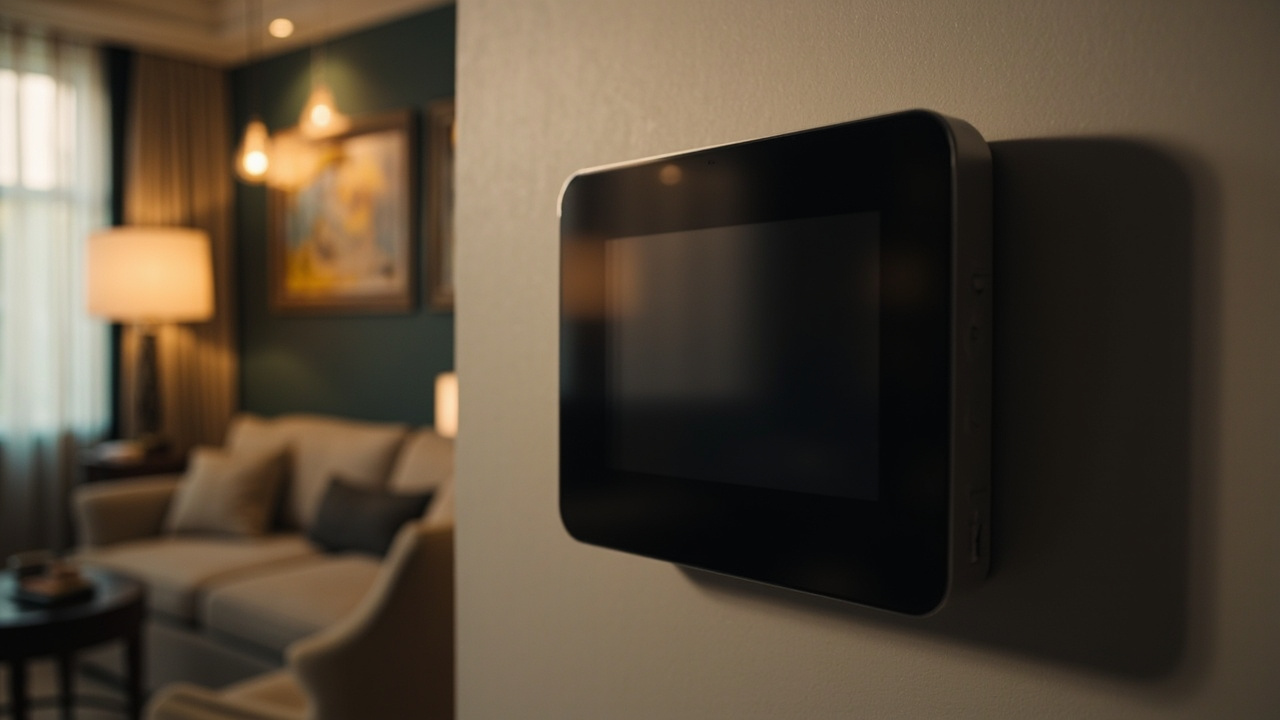
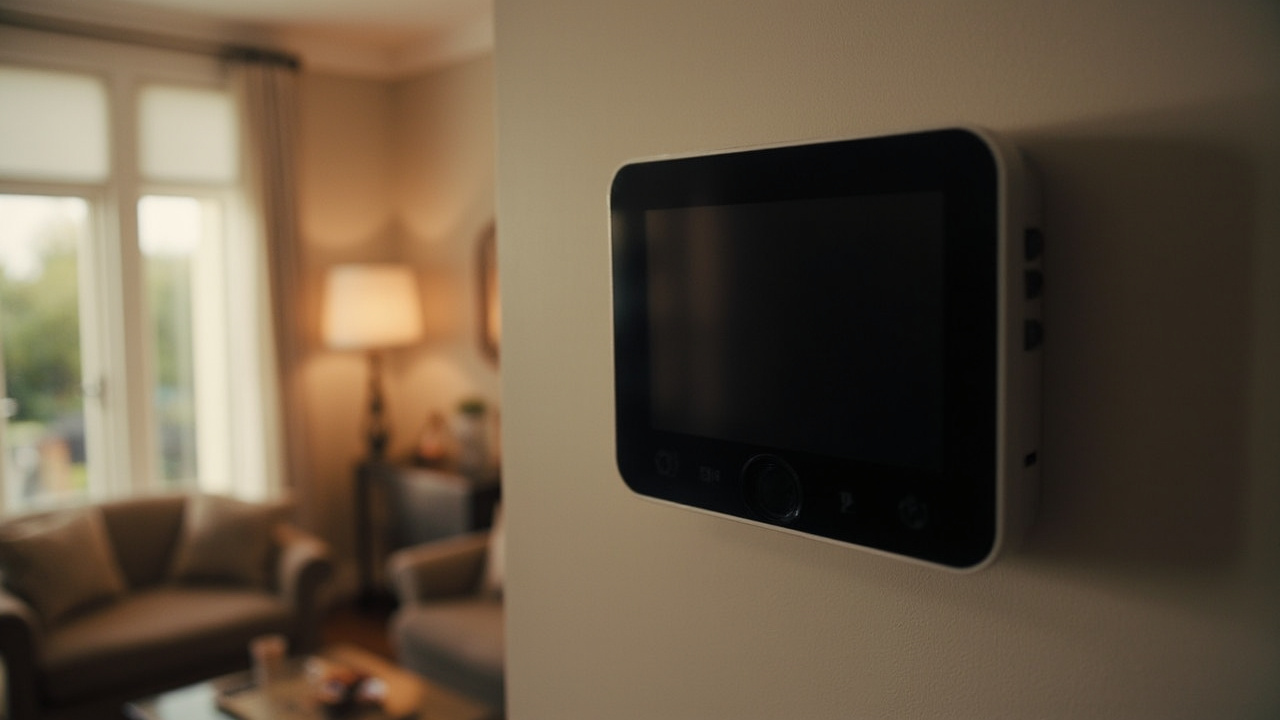
Orlando's average relative humidity hovers near 75 percent year-round. That moisture penetrates drywall and condenses inside wall cavities where thermostats mount. Water droplets form on circuit boards and corrode solder joints. The green oxidation you see on copper wiring is copper sulfate, a byproduct of moisture exposure. This corrosion increases electrical resistance until the circuit fails completely. The thermostat screen goes black because voltage can no longer bridge the corroded gap. Coastal neighborhoods like Waterford Lakes and Conway experience faster corrosion rates due to salt-laden air that accelerates metal degradation.
Lightning strikes hit central Florida more than any other region in the country. The resulting power surges travel through electrical lines and damage sensitive electronics, including HVAC transformers and thermostat circuits. We see transformer failures spike during June through September when afternoon thunderstorms form daily. Homes near Lake Eola and the downtown corridor experience more frequent surges due to older grid infrastructure. We recommend whole-home surge protectors for Orlando residents, but we also install localized surge protection on HVAC circuits during thermostat repairs. That extra protection prevents repeat failures when the next storm rolls through.