






Server Room Cooling Solutions in Orlando – Engineered for Zero Downtime and Business Continuity

Summit HVAC Orlando designs and deploys precision cooling systems that protect your revenue, maintain uptime, and meet the thermal demands of high-density computing environments across Central Florida.

Slider Image 1
Slider Image 2
Slider Image 3
Slider Image 4
Slider Image 5
Slider Image 7
Slider Image 8
Slider Image 9
Slider Image 10
Slider Image 11

Why Server Room Failures Cost More in Orlando's Climate

Orlando's combination of high humidity, aggressive heat, and frequent afternoon storms creates a hostile environment for data center cooling units. When exterior air temperatures spike above 95°F and relative humidity exceeds 70 percent, server room air conditioning systems face compounding thermal loads that residential HVAC systems cannot address.

Your server racks generate concentrated heat measured in watts per square foot. A single rack can produce 5,000 to 10,000 BTUs per hour. When computer room air conditioning fails in this climate, temperatures climb fast. At 85°F, hard drives fail. At 90°F, processors throttle performance. At 95°F, systems shut down to prevent permanent damage.

The cost of downtime in Central Florida is not just theoretical. A single hour of server failure costs businesses between $100,000 and $300,000 in lost revenue, depending on your industry. E-commerce platforms, financial services, and healthcare networks operating near the Orlando International Airport corridor cannot tolerate these interruptions.

Orlando's power grid also experiences voltage sags during afternoon thunderstorms. These fluctuations stress precision cooling systems that rely on stable electrical input to maintain consistent airflow and refrigerant cycling. Your server rack cooling systems must be designed to handle not just heat, but the electrical instability common to Central Florida infrastructure.

Standard commercial HVAC was never designed to manage these challenges. Server rooms require dedicated precision cooling systems engineered specifically for high-density computing environments.

Why Server Room Failures Cost More in Orlando's Climate
How We Engineer Precision Cooling for Mission-Critical Environments

How We Engineer Precision Cooling for Mission-Critical Environments

Summit HVAC Orlando designs server room cooling solutions using computer room air conditioning technology that operates independently from your building's general HVAC system. This separation prevents cross-contamination from office humidity, ensures dedicated thermal management, and allows for 24/7 operation without affecting employee comfort zones.

We calculate your actual thermal load by measuring existing equipment wattage, projected growth capacity, and airflow patterns inside your server room. This data determines the tonnage, redundancy level, and placement of precision cooling units. A typical server room requires 1 ton of cooling per 500 to 1,000 watts of IT equipment, but Orlando's ambient conditions often push that ratio higher.

Our installations use hot aisle/cold aisle containment strategies to prevent mixing of supply and return air. Cold air is delivered directly to server intakes through raised floor plenums or overhead ducting. Hot exhaust air is captured and returned to the cooling unit without passing through the general room space. This containment increases efficiency by 30 to 40 percent compared to uncontained designs.

We specify data center cooling units with variable speed compressors and EC fan motors that modulate capacity in real time. These systems respond to changing thermal loads without cycling on and off, which reduces mechanical wear and maintains tighter temperature and humidity tolerances. Most precision systems hold setpoints within ±2°F and ±5 percent relative humidity.

Redundancy is mandatory for business continuity. We design N+1 configurations where one additional cooling unit operates beyond the minimum required capacity. If one unit fails, the remaining units handle the full load without overheating. For truly mission-critical environments, we deploy 2N redundancy with fully mirrored cooling infrastructure.

What Happens During Your Server Room Cooling Installation

Server Room Cooling Solutions in Orlando – Engineered for Zero Downtime and Business Continuity
01

Thermal Load Assessment

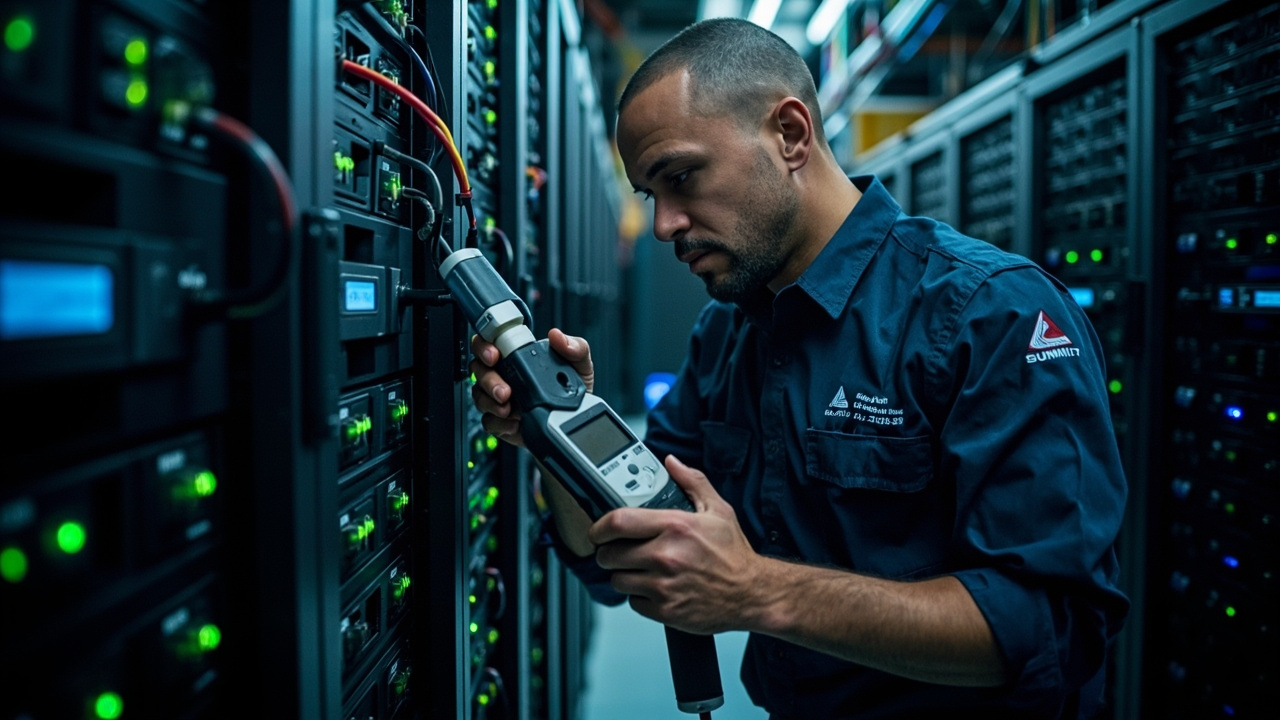
We audit your existing server infrastructure to measure heat output, airflow obstructions, and humidity levels. This includes documenting rack density, power distribution, and future expansion plans. We use thermal imaging to identify hot spots and airflow failures in your current setup. The assessment determines required cooling capacity, redundancy level, and equipment placement.
02

System Design and Integration

We engineer a precision cooling layout that integrates with your electrical infrastructure, fire suppression systems, and building management systems. This phase includes specifying computer room air conditioning units, designing containment strategies, and planning refrigerant piping routes. We coordinate with your IT team to schedule installation during low-usage windows, minimizing disruption to operations. All designs comply with ASHRAE thermal guidelines for data centers.
03

Commissioning and Monitoring Setup

After installation, we test all server rack cooling systems under full thermal load to verify temperature and humidity control. We configure remote monitoring to alert you of temperature excursions, refrigerant leaks, or compressor failures. Your facility manager receives access to real-time dashboards showing room conditions and equipment status. We document baseline performance metrics and establish preventive maintenance schedules to protect your investment and uptime.

Why Orlando Businesses Trust Summit HVAC for Data Center Cooling

Server room failures do not wait for convenient business hours. Summit HVAC Orlando operates on-call for critical cooling emergencies affecting Orlando-based data centers, financial institutions, and healthcare networks. We maintain an inventory of precision cooling components that allows for rapid replacement of failed compressors, fans, and control boards without waiting for manufacturer lead times.

Our technicians hold certifications in precision cooling technologies and have deployed server room air conditioning systems across the Lake Nona Medical City corridor, the downtown Orlando financial district, and industrial facilities near Orlando International Airport. This geographic familiarity means we understand the specific electrical and structural constraints of buildings in these zones, from vintage office towers on Orange Avenue to modern tech campuses in Research Park.

We also understand Florida's energy codes and the requirement for economizer operation when outdoor conditions allow. Our designs integrate economizer modes that use outdoor air for free cooling during Orlando's brief winter months, reducing compressor runtime and energy costs. This compliance protects you from code violations during building inspections.

Orlando's growing tech sector has increased demand for high-density computing. Whether you operate a colocation facility, a healthcare data center subject to HIPAA compliance, or an e-commerce distribution hub, your cooling infrastructure must scale with your business. We design data center cooling units with modular expansion capacity that allows you to add cooling as you add racks, without over-investing in unused capacity upfront.

You also gain access to our preventive maintenance program, which includes quarterly filter changes, refrigerant level checks, and thermal imaging inspections. These proactive services catch small issues before they escalate into downtime events.

What to Expect From Your Precision Cooling Deployment

Response Time and Scheduling

We understand that server room cooling installations must occur during scheduled maintenance windows to avoid disrupting operations. After your initial consultation, we provide a detailed project timeline that includes equipment procurement, electrical infrastructure work, and system commissioning. Most installations complete within two to five days, depending on room size and redundancy level. For cooling emergencies, we deploy temporary precision cooling units within four hours to stabilize your environment while permanent repairs are completed. Our project managers coordinate with your IT staff to ensure zero unplanned downtime.

Load Calculation and Equipment Sizing

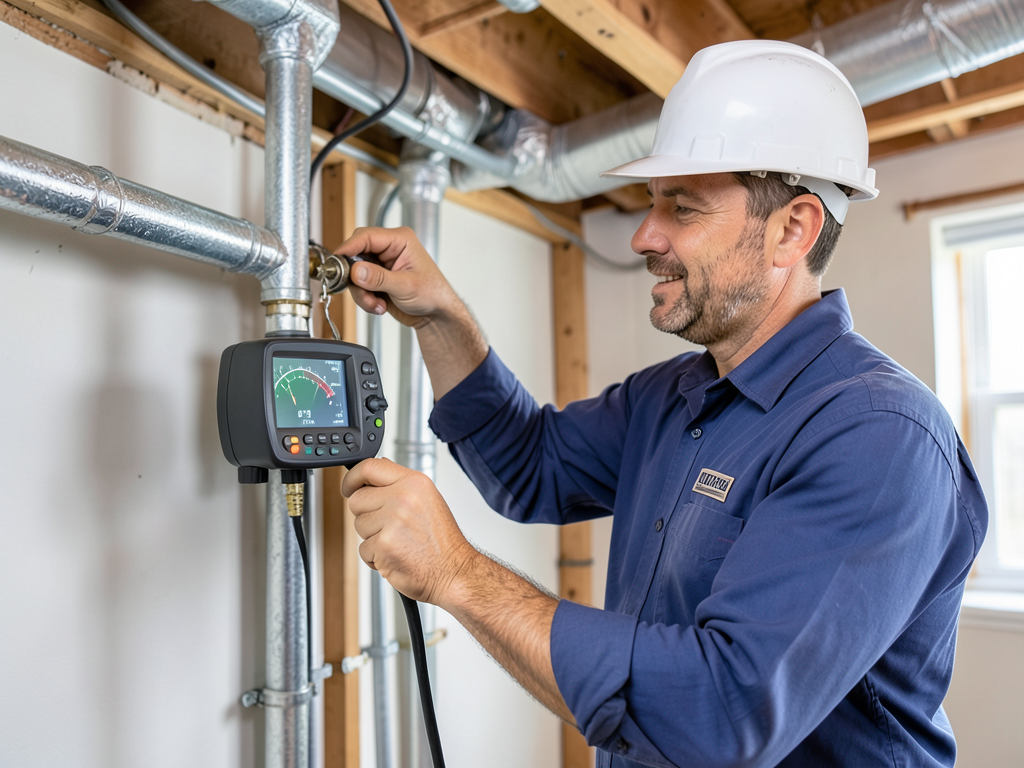
Accurate thermal load calculation determines system performance and longevity. We measure actual power consumption at your server racks using portable power meters, not nameplate ratings. This real-world data accounts for virtualization, blade server density, and UPS heat output. We calculate sensible and latent cooling loads separately, as server rooms require different humidity control than office spaces. Our designs include 20 to 30 percent overhead capacity to accommodate future equipment additions without requiring immediate system upgrades. You receive a detailed load report showing current capacity, projected growth, and recommended cooling tonnage.

Temperature and Humidity Control

Precision cooling systems maintain server room conditions within ASHRAE recommended ranges. We configure setpoints between 64°F and 80°F with relative humidity between 40 and 60 percent. Unlike comfort cooling systems that tolerate temperature swings of 5 to 7 degrees, computer room air conditioning units hold setpoints within ±2°F. This stability prevents thermal cycling that degrades hard drives and shortens component lifespan. Our installations include redundant humidity sensors and control algorithms that prevent condensation during rapid cooling cycles. You receive documentation of temperature mapping across your server room showing hot spots and airflow deficiencies.

Monitoring and Preventive Maintenance

All precision cooling systems include remote monitoring that alerts you to temperature excursions, compressor failures, and refrigerant leaks before they cause downtime. You receive access to a web-based dashboard showing real-time conditions and equipment status. Our preventive maintenance program includes quarterly site visits to inspect filters, measure refrigerant pressures, and test emergency operation modes. We also perform annual thermal imaging inspections to identify airflow obstructions and overheating components. These proactive services extend equipment life and maintain warranty compliance. Maintenance contracts include priority response for emergency repairs and discounted parts pricing.

Frequently Asked Questions

You Have Questions,
We Have Answers

How to cool down a server room? +

Deploy precision cooling units designed for server loads. Install a dedicated HVAC system with redundant compressors to handle Orlando's high humidity and heat. Use hot aisle or cold aisle containment to separate airflow paths and prevent thermal mixing. Monitor room temperature continuously with sensors. Ensure proper ventilation and eliminate obstructions around server racks. Size your cooling capacity to match heat output from equipment, plus buffer capacity for growth. Regular maintenance prevents dust buildup on coils and filters, which reduces efficiency. Business continuity depends on stable temperatures between 64-80 degrees Fahrenheit.

How to remove heat from a server room? +

Remove heat through three primary methods: exhaust ventilation, refrigerant-based cooling, or liquid cooling systems. Exhaust fans pull hot air out while introducing cooler air from outside, though Orlando's ambient heat limits this approach. Precision air conditioning units use refrigerant cycles to absorb and transfer heat outdoors. For high-density racks, in-row cooling units sit closer to heat sources for faster removal. Liquid cooling systems circulate chilled water through heat exchangers or directly to server components. Combine methods with proper airflow management. Calculate BTU requirements based on equipment wattage to size systems correctly.

How to cool a server room without AC? +

Cooling without traditional AC in Orlando's climate is risky but possible short-term. Use evaporative cooling with filtered outdoor air, though high humidity reduces effectiveness. Install heat exchangers that transfer warmth to external air without mixing airstreams. Deploy direct-to-chip liquid cooling systems that bypass air cooling entirely. Use economizers that bring in cooler nighttime air when ambient temperatures drop. Increase airflow with high-velocity fans and open plenum spaces. These methods work for temporary situations but cannot match dedicated precision cooling for reliability. Code compliance and equipment warranties often require mechanical cooling systems.

What is the best cooling for a server? +

Precision air conditioning units designed specifically for data centers provide the best cooling. These systems maintain tight temperature and humidity tolerances that standard commercial HVAC cannot achieve. In-row cooling units mount between server racks for targeted heat removal at the source. Computer room air handlers use variable speed fans and modulating compressors to match changing loads efficiently. For Orlando facilities, choose units with humidity control to prevent condensation and corrosion. Redundant systems with N plus 1 configuration prevent single points of failure. Match cooling capacity to actual server heat output, measured in kilowatts per rack.

Does putting ice behind a fan work? +

No. Putting ice behind a fan does not work for server room cooling. The temporary cooling effect is minimal and creates dangerous humidity and condensation. Water droplets damage electronic components and void warranties. Ice melts quickly in Orlando's heat, requiring constant replacement. This approach cannot maintain the stable temperatures and humidity levels that servers require. Commercial operations need engineered cooling systems with redundancy, not improvised solutions. Even brief temperature spikes cause performance throttling and shorten equipment life. Use precision cooling units designed for continuous operation and precise environmental control.

Is 80 degrees too hot for a server room? +

Yes, 80 degrees is the upper limit for safe server operation and leaves no safety margin. Most manufacturers recommend 68-75 degrees for optimal performance and longevity. At 80 degrees, servers begin thermal throttling, which reduces processing speed to prevent overheating. Component failure rates increase exponentially above recommended temperatures. Orlando's climate means cooling systems work harder, and any failure pushes temperatures into dangerous ranges quickly. Maintain temperatures below 75 degrees to protect your investment and ensure business continuity. Higher temperatures also increase cooling costs because equipment runs inefficiently. Monitor temperatures continuously with alerting systems.

How do the amish keep cool in the summer? +

This question is not relevant to commercial server room cooling in Orlando. Amish cooling methods involve passive techniques like whole-house fans, shaded porches, and natural ventilation that cannot maintain the precise environmental controls required for IT equipment. Server rooms demand active mechanical cooling systems that operate continuously regardless of outdoor conditions. Orlando's heat and humidity make passive cooling inadequate for business-critical infrastructure. Focus on engineered HVAC solutions designed specifically for data center environments with redundancy, monitoring, and code compliance.

What happens if a server room gets too hot? +

Overheating causes immediate performance degradation and permanent equipment damage. Servers throttle processing speeds automatically to reduce heat generation, slowing your business operations. Hard drives fail at accelerated rates above 80 degrees. Memory errors increase, causing data corruption and system crashes. Repeated thermal stress shortens equipment lifespan by years. In Orlando facilities, loss of cooling can push temperatures into critical ranges within 15 minutes depending on server density. Downtime costs businesses thousands per hour. Fire risk increases from failed components. Install temperature monitoring with automatic alerts and backup cooling systems to prevent catastrophic losses.

How do server farms stay cool? +

Server farms use redundant precision cooling systems with multiple layers. Hot aisle and cold aisle containment separates air streams to maximize efficiency. In-row cooling units mount directly between server racks for targeted heat removal. Chilled water systems circulate through heat exchangers or directly to server components. Outside air economizers bring in cooler ambient air when conditions permit, though Orlando's climate limits this approach. Facilities monitor hundreds of sensors continuously and use predictive analytics to prevent hotspots. Raised floors distribute cold air evenly beneath racks. Backup generators power cooling systems during outages because servers generate heat even during shutdown sequences.

What is the $5000 AC rule? +

The $5,000 AC rule is an IRS guideline for expense deduction versus capitalization. Equipment costing less than $5,000 can be expensed immediately as a repair or maintenance cost. Systems exceeding this threshold must be capitalized and depreciated over their useful life, typically five to seven years for HVAC equipment. This applies to server room cooling unit replacements or upgrades. Consult your accountant because rules vary based on whether work improves the property beyond original condition or simply maintains functionality. Orlando businesses should factor this into capital planning for cooling infrastructure investments and budget accordingly for tax implications.

How Orlando's Humidity and Storm Activity Affects Server Room Design

Orlando averages 80 to 100 afternoon thunderstorms each summer, creating power fluctuations that stress precision cooling compressors. These voltage sags cause nuisance trips in cooling systems without proper electrical protection. We specify server room air conditioning units with voltage tolerance ranges that handle Florida grid instability without shutting down. The high ambient humidity also requires aggressive dehumidification to prevent condensation inside server enclosures. Standard comfort cooling systems cannot manage these dual thermal and moisture loads simultaneously. Our designs separate sensible cooling from latent moisture removal to maintain stable conditions year-round.

Central Florida's rapid commercial growth has strained electrical infrastructure near the International Drive corridor and Lake Nona tech district. Many older buildings operate near electrical capacity limits, making it difficult to add high-amperage precision cooling systems. Summit HVAC Orlando works with local electrical contractors and utility providers to secure electrical upgrades and ensure proper load balancing. We also navigate Orange County building codes for mechanical equipment installations, including noise ordinances affecting outdoor condensing units. Our familiarity with local inspection processes accelerates permit approval and keeps your project on schedule.
HVAC Services in The Orlando Area

Summit proudly serves Orlando and surrounding Central Florida areas with fast, professional HVAC services. Whether you're in the heart of the city or in nearby neighborhoods, our technicians are just a call away. Use the map below to view our service area and plan your visit or consultation. We make it convenient to get expert help where and when you need it. Your comfort is always within reach with Summit.

Address:
Summit HVAC Orlando, 4700 Millenia BlvdOrlando, Orlando, FL, 32839

Additional Services We Offer

Our news updates

Latest Articles & News from The Blogs

What to do if your St. Cloud thermostat says waiting for more than five minutes Your thermostat displays 'waiting for…

What to do if your St. Cloud thermostat says waiting for more than five minutes

What to do if your St. Cloud thermostat says waiting for more than five minutes Your thermostat displays 'waiting for…

What it means when your Ocoee cooling system starts making a loud clicking sound

What it means when your Ocoee cooling system starts making a loud clicking sound Your outdoor AC unit should hum…

How to tell if your Celebration home builder installed the right size ductwork

How to tell if your Celebration home builder installed the right size ductwork Your Celebration home should feel comfortable year-round.…

Contact Us

Downtime is not an option. Call Summit HVAC Orlando at (321) 463-7979 to schedule a thermal load assessment and protect your server infrastructure from Orlando's heat and humidity. We deploy precision cooling systems that keep your business running.