
A homeowner’s guide to understanding the difference between a furnace and a heat pump
In Orlando’s subtropical climate, the choice between a furnace and a heat pump isn’t just about staying warm—it’s about year-round efficiency. While furnaces burn fuel to create heat, heat pumps transfer existing heat from the outdoors, making them significantly more energy-efficient in our mild winters where temperatures rarely drop below freezing. Everything you need to know about AC tune-ups in College Park.
How heat pumps and furnaces actually work in Florida homes
A furnace generates heat by burning natural gas or using electric resistance coils. It’s a simple concept: fuel in, heat out. Heat pumps, however, operate like reversible air conditioners. During winter, they extract heat from outdoor air—even when it feels cold to us—and move it inside. This heat transfer process uses far less energy than heat generation. Emergency Furnace Repair.
In Orlando’s humid climate, heat pumps offer an additional advantage: superior dehumidification. As they cool your home during summer, they remove more moisture from the air than traditional air conditioners. This is crucial for comfort in Central Florida, where humidity often exceeds 70%. Florida Building Code Energy Efficiency requirements.
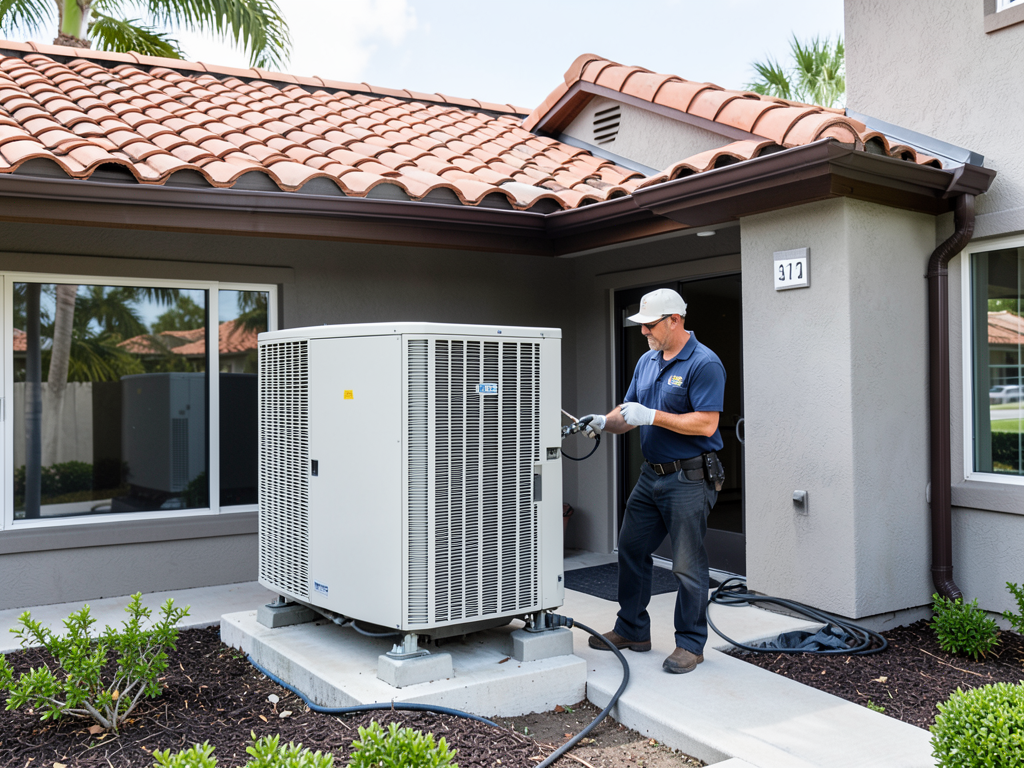
Cost comparison: upfront investment vs monthly savings
Heat pumps typically cost more to install than electric furnaces but less than gas furnaces requiring new gas lines. Here’s how they compare in Orlando:
| System Type | Average Installation Cost | Annual Operating Cost* | Lifespan in Central Florida |
|---|---|---|---|
| Electric Heat Pump | $4,500 – $8,000 | $300 – $500 | 12-15 years |
| Electric Furnace + AC | $3,500 – $6,500 | $400 – $600 | 15-20 years |
| Gas Furnace + AC | $5,000 – $10,000 | $350 – $550 | 15-25 years |
*Based on OUC electricity rates of $0.13/kWh and average Orlando winter heating days
Performance during Orlando’s rare cold snaps
When Orlando experiences those occasional 30-degree nights, heat pumps switch to auxiliary heat strips. These electric resistance coils provide backup heating but consume significantly more electricity—about 3-5 times more than the heat pump’s normal operation.
Modern heat pumps with variable-speed compressors maintain efficiency down to about 25°F. Below that, the heat strips activate automatically. Most Orlando homeowners never notice this transition because it happens so infrequently—our average winter low is around 50°F.
Local rebates and tax credits available in 2026
Homeowners replacing old systems can access substantial savings through federal and local programs. The federal 25C tax credit covers 30% of installation costs up to $2,000 for qualifying heat pumps. Additionally, OUC offers rebates of up to $450 for high-efficiency heat pump installations.
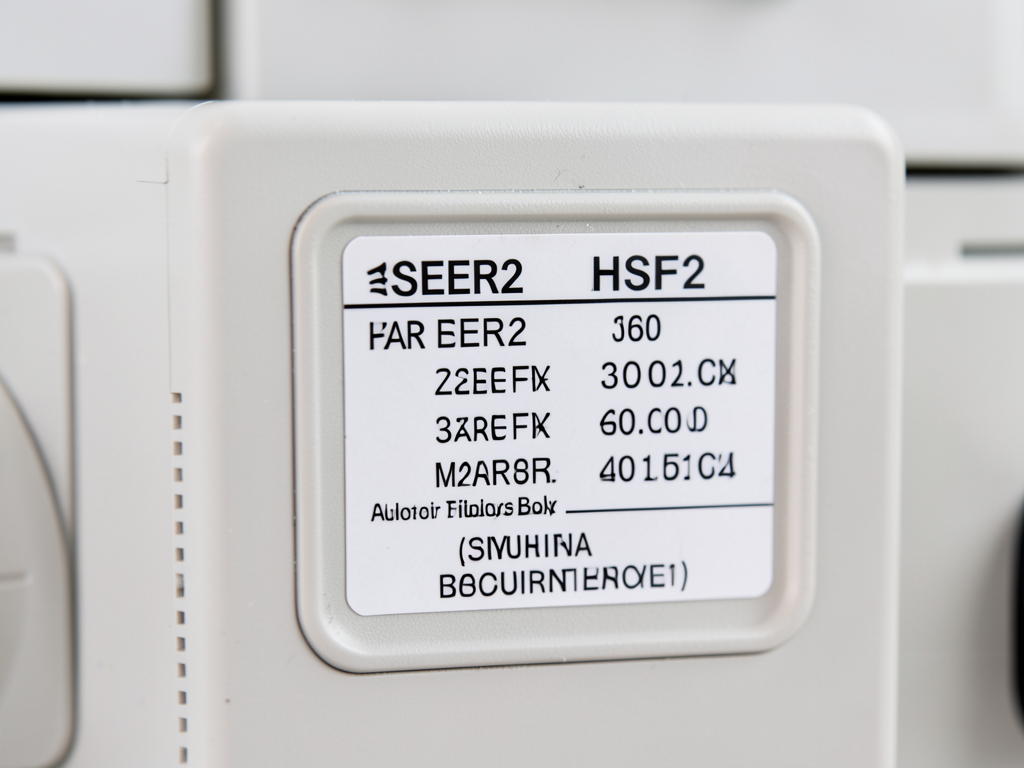
Duke Energy Florida provides similar incentives, with rebates ranging from $200 to $600 depending on the system’s SEER2 and HSPF2 ratings. These ratings measure cooling and heating efficiency respectively—higher numbers mean lower utility bills.
Florida’s Building Code Section 13 requires all new HVAC installations to meet current SEER2 standards, which became mandatory in January 2023. This means any replacement system must be at least 15 SEER2 for cooling efficiency.
Making the right choice for your Orlando home
Choose a heat pump if you want maximum efficiency and already have ductwork. They’re ideal for most Orlando homes since our winters are mild and we need powerful cooling for eight months of the year. How to choose a central air replacement that handles the Dr. Phillips humidity.
Consider a gas furnace only if you have existing natural gas service and prefer the feel of warmer air from vents (gas furnaces produce air around 120°F vs heat pumps’ 90-100°F).
Electric furnaces make sense for homes without ductwork or where heating demand is extremely low. However, they’re less efficient than heat pumps for our climate.
Maintenance considerations for Florida’s climate
Heat pumps in Orlando face unique challenges. Our high humidity means condensate drains clog more frequently, requiring annual cleaning. Salt air from coastal areas accelerates corrosion on outdoor coils, necessitating more frequent coil cleaning—every 6 months instead of annually. Professional duct cleaning services for historic homes in Thornton Park.
The constant use of heat pumps (cooling in summer, heating in winter) means they run nearly year-round. This continuous operation actually reduces stress compared to systems that sit idle for months, but it requires consistent filter changes every 30-60 days.
Technicians should check refrigerant levels twice yearly in Florida, as our long cooling seasons can cause gradual leaks that go unnoticed in milder climates.
Frequently Asked Questions
Can a heat pump really heat my home when it’s cold outside?
Yes. Even at 40°F, there’s enough heat energy in the air for a heat pump to extract and transfer indoors. Modern units work efficiently down to about 25°F before auxiliary heat activates.
How long does it take to install a new heat pump system?
Most replacements take 1-2 days. New installations requiring ductwork modifications may take 3-5 days depending on your home’s configuration.
Will a heat pump increase my electric bill?
Initially, you might see a slight increase if switching from a gas furnace, but the cooling efficiency gains typically offset this. Overall utility costs usually decrease by 15-30% compared to separate AC and electric heating systems.
What size heat pump do I need for my home?
Proper sizing requires a Manual J calculation considering your home’s square footage, insulation, window orientation, and local climate. In Orlando, most homes need 18-24 BTU per square foot.
Call (321) 463-7979 today to schedule your inspection
Don’t wait until your system fails during a summer heatwave. Summit HVAC Orlando provides free consultations to help you understand which system makes sense for your specific home and budget. Our technicians live and work in Central Florida, so we understand exactly what your home needs to stay comfortable year-round.
Call (321) 463-7979 now to schedule your inspection. We’ll evaluate your current system, discuss your comfort preferences, and provide transparent pricing with no high-pressure sales tactics. Whether you need emergency repair or are planning a replacement, we’re here to help you make the right choice for your Orlando home. For more information, visit U.S. Department of Energy heat pump guide.
You may also find this helpful. Checking for carbon monoxide leaks in your Lockhart home this winter.
{
“@context”: “https://schema.org”,
“@type”: “BlogPosting”,
“headline”: “A homeowner’s guide to understanding the difference between a furnace and a heat pump”,
“description”: “Confused about heat pumps vs furnaces in Orlando? This guide breaks down efficiency, costs, and why heat pumps dominate Central Florida homes.”,
“wordCount”: 999,
“datePublished”: “2026-04-05T14:16:00.000Z”,
“dateModified”: “2026-04-05T14:16:00.000Z”,
“inLanguage”: “en-US”,
“mainEntityOfPage”: {
“@type”: “WebPage”,
“@id”: “https://summithvacorlando.com”
},
“publisher”: {
“@type”: “LocalBusiness”,
“name”: “Summit HVAC Orlando”,
“url”: “https://summithvacorlando.com”
},
“author”: {
“@type”: “Organization”,
“name”: “Summit HVAC Orlando”,
“url”: “https://summithvacorlando.com”
},
“image”: {
“@type”: “ImageObject”,
“url”: “https://summithvacorlando.com/wp-content/uploads/2026/03/a-homeowner-s-guide-to-understanding-the-differenc-1.png”
}
}
{
“@context”: “https://schema.org”,
“@type”: “HVACBusiness”,
“name”: “Summit HVAC Orlando”,
“url”: “https://summithvacorlando.com”,
“address”: {
“@type”: “PostalAddress”,
“addressLocality”: “Orlando”
},
“areaServed”: {
“@type”: “City”,
“name”: “Orlando”
}
}
{
“@context”: “https://schema.org”,
“@type”: “FAQPage”,
“mainEntity”: [
{
“@type”: “Question”,
“name”: “Can a heat pump really heat my home when it’s cold outside?”,
“acceptedAnswer”: {
“@type”: “Answer”,
“text”: “Yes. Even at 40°F, there’s enough heat energy in the air for a heat pump to extract and transfer indoors. Modern units work efficiently down to about 25°F before auxiliary heat activates.”
}
},
{
“@type”: “Question”,
“name”: “How long does it take to install a new heat pump system?”,
“acceptedAnswer”: {
“@type”: “Answer”,
“text”: “Most replacements take 1-2 days. New installations requiring ductwork modifications may take 3-5 days depending on your home’s configuration.”
}
},
{
“@type”: “Question”,
“name”: “Will a heat pump increase my electric bill?”,
“acceptedAnswer”: {
“@type”: “Answer”,
“text”: “Initially, you might see a slight increase if switching from a gas furnace, but the cooling efficiency gains typically offset this. Overall utility costs usually decrease by 15-30% compared to separate AC and electric heating systems.”
}
},
{
“@type”: “Question”,
“name”: “What size heat pump do I need for my home?”,
“acceptedAnswer”: {
“@type”: “Answer”,
“text”: “Proper sizing requires a Manual J calculation considering your home’s square footage, insulation, window orientation, and local climate. In Orlando, most homes need 18-24 BTU per square foot.”
}
}
]
}
{
“@context”: “https://schema.org”,
“@type”: “BreadcrumbList”,
“itemListElement”: [
{
“@type”: “ListItem”,
“position”: 1,
“name”: “Home”,
“item”: “https://summithvacorlando.com”
},
{
“@type”: “ListItem”,
“position”: 2,
“name”: “Blog”,
“item”: “https://summithvacorlando.com/blog”
},
{
“@type”: “ListItem”,
“position”: 3,
“name”: “A homeowner’s guide to understanding the difference between a furnace and a heat pump”
}
]
}
{
“@context”: “https://schema.org”,
“@type”: “Service”,
“serviceType”: “HVAC”,
“provider”: {
“@type”: “LocalBusiness”,
“name”: “Summit HVAC Orlando”,
“url”: “https://summithvacorlando.com”
},
“areaServed”: {
“@type”: “City”,
“name”: “Orlando”
},
“description”: “Confused about heat pumps vs furnaces in Orlando? This guide breaks down efficiency, costs, and why heat pumps dominate Central Florida homes.”
}