
University Park’s lush oak trees and Central Florida humidity create a perfect storm for seasonal allergies. The pollen counts here often exceed national averages during spring months, while year-round moisture promotes mold growth inside HVAC systems. Managing these allergens requires understanding both the local environmental triggers and the technical capabilities of your home’s air handling equipment. How to choose a central air replacement that handles the Dr. Phillips humidity.

Why University Park struggles with indoor allergens
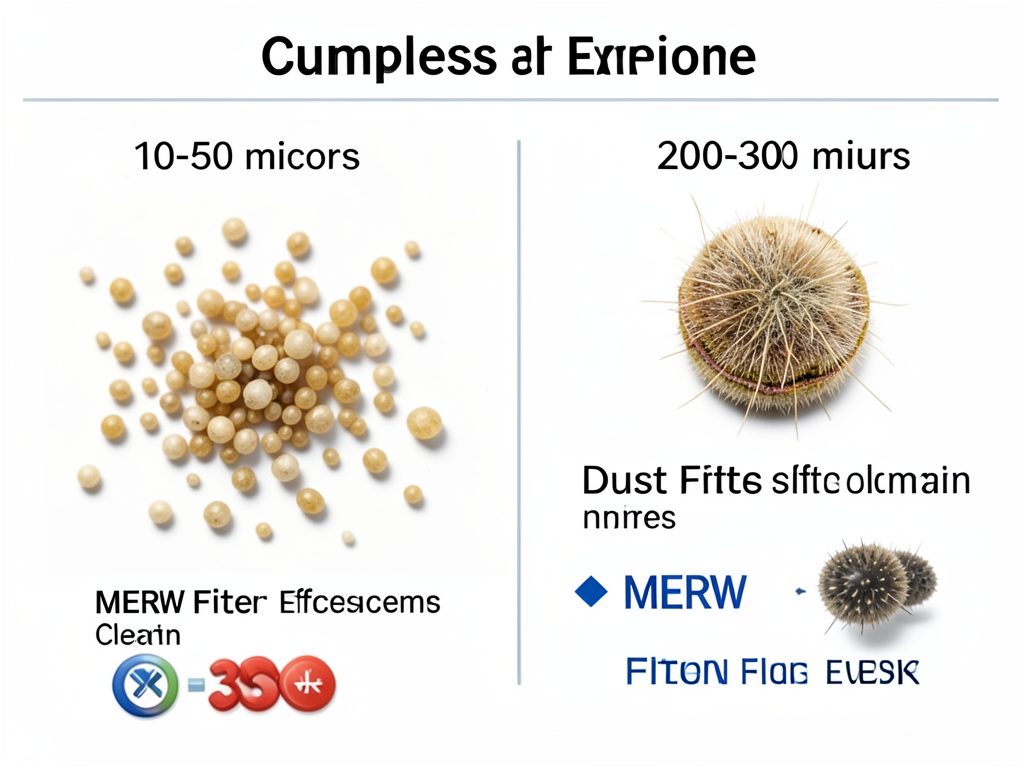
Oak trees dominate the University Park landscape, releasing microscopic pollen grains that infiltrate homes through even the smallest gaps. These particles measure between 10-50 microns – small enough to bypass standard residential filters. The region’s 70-80% relative humidity creates ideal conditions for dust mites and mold spores to thrive inside ductwork and on cooling coils.
Local construction patterns compound the problem. Many University Park homes feature older duct systems with inadequate sealing, allowing attic allergens to continuously circulate. The University of Central Florida campus nearby contributes additional pollen from its extensive landscaping, particularly during peak blooming seasons.. Read more about Customizing Your HVAC System for Asthma Relief in Your Lake Cherokee Home.
Understanding MERV ratings for allergy relief
Minimum Efficiency Reporting Value (MERV) ratings indicate a filter’s ability to capture particles. Most standard residential systems use MERV 8 filters, which capture 80-85% of particles 3-10 microns in size. For allergy sufferers, MERV 13 filters provide significantly better protection, trapping 90% of particles down to 1 micron.
However, upgrading beyond MERV 13 in standard systems creates airflow restrictions that reduce cooling efficiency. The increased pressure drop forces air handlers to work harder, potentially causing coil freeze-ups or compressor damage. University Park homes with older HVAC systems often require modifications before high-efficiency filtration becomes viable.
| Filter Type | Pollen Capture Rate | Mold Spore Capture | Airflow Impact |
|---|---|---|---|
| MERV 8 | 70-80% | 20-30% | Minimal |
| MERV 13 | 90-95% | 80-90% | Moderate |
| HEPA | 99.97% | 99.97% | High |
UV germicidal lights for mold control
Ultraviolet germicidal irradiation targets the DNA of microorganisms, preventing mold and bacteria from reproducing. Installing UV-C lights inside the air handler creates a sterile environment for cooling coils, where condensation provides perfect breeding conditions for biological growth.. Read more about Stopping Bathroom Mold Growth with Better Ventilation in Your Parramore Home.
The effectiveness depends on proper installation. UV lights must be positioned within 2-4 inches of the coil surface and operate continuously. Most University Park homes benefit from dual UV systems – one for the evaporator coil and another for the return air duct, where incoming allergens first enter the system.
Energy consumption remains minimal, typically adding less than $5 monthly to utility bills while potentially extending coil life by preventing biofilm buildup. The EPA recognizes UV technology as effective for reducing airborne microorganisms in HVAC systems. EPA Indoor Air Quality Guidelines.
Whole-home dehumidification strategies
Central Florida’s humidity directly impacts allergen proliferation. Dust mites require relative humidity above 50% to survive, while mold spores activate at 60% RH. Standard AC systems remove moisture but often cannot maintain optimal 45-50% indoor humidity levels during mild weather when cooling demand decreases.
Standalone dehumidifiers integrate with existing HVAC systems, providing continuous moisture removal independent of temperature. These units typically remove 70-100 pints of water daily – sufficient for most University Park homes. The added benefit includes reduced cooling costs, as drier air feels cooler at higher temperatures.
Installation requires dedicated condensate drains and electrical circuits. Many University Park homes with 2-story layouts need multiple dehumidification zones to address humidity variations between floors. The Florida Building Code Section 502.4.2 requires proper condensate disposal to prevent water damage.
HEPA filtration options for severe allergies
True HEPA filters capture 99.97% of particles 0.3 microns or larger – including most pollen, mold spores, and dust mite debris. However, residential HVAC systems rarely accommodate standard HEPA filters due to their thickness and airflow restrictions.
Portable HEPA air purifiers provide an alternative for bedrooms or living areas. Units rated for 500+ square feet typically move enough air to significantly reduce allergen concentrations. For University Park homes, look for models with activated carbon pre-filters to address both particulate and chemical pollutants.. Read more about Whole-Home Air Purifiers versus Portable Units for Your Richmond Heights House.
Whole-house HEPA systems exist but require specialized blowers and ductwork modifications. These installations cost $3,000-8,000 but provide the highest level of protection for severe allergy sufferers. The investment often pays for itself through reduced medication needs and improved sleep quality.
Duct sealing and cleaning protocols
Leaky ductwork allows attic contaminants – including insulation fibers, pest debris, and outdoor pollen – to enter the breathing air supply. University Park homes built before 2010 often have duct leakage rates exceeding 20%, compared to the current code maximum of 4%.
Professional duct sealing uses mastic compounds or aerosol sealants to close gaps in joints and seams. Testing with duct blasters identifies leakage locations and quantifies improvement. Sealed ducts typically reduce allergen infiltration by 60-80% while improving system efficiency. Professional duct cleaning services for historic homes in Thornton Park.
Cleaning protocols vary by contamination level. Light dust accumulation requires simple vacuuming, while mold growth demands antimicrobial treatment. The National Air Duct Cleaners Association recommends inspection every 3-5 years for homes with allergy sufferers or pets.
Seasonal maintenance for allergy management
University Park’s pollen seasons follow predictable patterns. Oak pollen peaks March through May, while ragweed dominates August through October. Mold spores remain problematic year-round but surge during summer thunderstorms. These patterns dictate maintenance timing.
Pre-season filter changes prevent buildup during high-pollen periods. Replace standard filters monthly during peak seasons, and high-efficiency filters every 60-90 days. Mark your calendar for February and August changes to prepare for upcoming pollen surges.
Annual professional maintenance should include coil cleaning, drain line clearing, and UV bulb replacement if applicable. These services cost $150-300 but prevent the system from becoming an allergen breeding ground. Many University Park HVAC contractors offer allergy-specific maintenance packages.
Smart thermostats and air quality monitoring
Modern smart thermostats track indoor air quality metrics including humidity, particulate matter, and volatile organic compounds. These devices can automatically adjust fan speeds or activate supplementary filtration when allergen levels spike.
Integration with whole-home systems allows for automated responses. When outdoor pollen counts exceed 9.0 grains per cubic meter, the system can switch to continuous fan mode with enhanced filtration. Some University Park residents connect their systems to local air quality monitoring services for real-time adjustments.
Initial setup requires professional configuration to balance energy efficiency with air quality needs. The learning algorithms typically optimize over 30-60 days of operation.
Cost considerations for allergy-focused HVAC upgrades
Basic filtration improvements start around $200-400 for high-efficiency filter cabinets and premium filters. UV light installations range from $600-1,200 depending on system configuration. Whole-home dehumidifiers cost $1,500-2,500 installed.
Comprehensive allergy remediation packages combining multiple technologies typically cost $2,000-5,000. These investments often qualify for energy efficiency rebates through Duke Energy or OUC, potentially reducing net costs by 15-25%.
Long-term savings accrue through reduced medical expenses and improved HVAC efficiency. Homes with optimized air quality systems report 15-20% lower HVAC operating costs due to cleaner coils and reduced system strain.
Frequently Asked Questions
Can my existing AC system handle HEPA filtration?
Most standard residential systems cannot accommodate true HEPA filters without modifications. The high resistance would strain the blower motor and reduce cooling capacity. However, many systems can handle MERV 13 filters, which capture 90% of pollen and mold spores.
How often should I replace my air filter during pollen season?
During peak pollen months (March-May), replace standard 1-inch filters monthly. High-efficiency pleated filters can last 60-90 days but should be checked monthly during severe allergy seasons. Homes with pets or multiple allergy sufferers may need more frequent changes.
Will UV lights eliminate all mold in my HVAC system?
UV lights significantly reduce mold growth but cannot eliminate existing contamination. They prevent new growth on treated surfaces but require clean coils to start. For established mold problems, professional cleaning precedes UV installation for optimal results.
What humidity level prevents dust mite growth?
Dust mites cannot survive when relative humidity drops below 50%. Maintaining 45-50% indoor humidity creates an inhospitable environment for these microscopic pests while remaining comfortable for humans. This level also inhibits most mold species.
Are portable air purifiers effective for whole-house allergy relief?
Portable units provide localized relief but cannot effectively treat entire homes. A single unit typically covers 500-1,500 square feet. For whole-house protection, integrated HVAC solutions or multiple strategically placed portable units offer better results than a single large purifier.
- Assess your current system
Check your existing filter’s MERV rating and inspect ductwork for visible dust or mold. This baseline evaluation determines which upgrades provide the most benefit.
- Upgrade filtration appropriately
Install MERV 13 filters if your system can handle the increased resistance. This single upgrade captures 90% of common allergens without requiring system modifications.
- Address humidity issues
Test indoor humidity levels and install dehumidification if readings consistently exceed 55%. This prevents dust mite and mold growth while improving comfort.
- Implement UV protection
Add UV germicidal lights to your air handler to prevent biological growth on cooling coils. This technology provides continuous protection with minimal energy consumption.
- Establish maintenance schedule
Create a seasonal maintenance calendar including filter changes, coil cleaning, and system inspections. Consistent maintenance prevents allergen buildup and system failures.
Allergy symptoms often worsen gradually, making it difficult to recognize when your home’s air quality has deteriorated. Many University Park residents discover significant improvement only after implementing comprehensive HVAC solutions. The investment in proper filtration and humidity control typically pays dividends through better sleep, reduced medication needs, and improved overall comfort.
Call (321) 463-7979 today to schedule your inspection. Our technicians understand University Park’s unique allergy challenges and can recommend solutions specific to your home’s construction and your family’s sensitivity levels. Don’t wait until symptoms become unbearable – proactive improvements provide the best results.
Pick up the phone and call (321) 463-7979 before the next storm hits. Our emergency services can address immediate air quality concerns while our comprehensive solutions prevent future problems. Your family deserves to breathe clean air year-round. For more information, visit ASHRAE Filtration Standards.
You may also find this helpful. How pet hair and dander are secretly killing your Fairview Shores AC unit.
{
“@context”: “https://schema.org”,
“@type”: “BlogPosting”,
“headline”: “Managing seasonal pollen and allergies inside your University Park home”,
“description”: “Learn how University Park’s oak pollen and humidity affect your allergies. Discover HVAC solutions like HEPA filters and UV lights to improve your indoor air quality.”,
“wordCount”: 1641,
“datePublished”: “2026-04-24T10:08:00.000Z”,
“dateModified”: “2026-04-24T10:08:00.000Z”,
“inLanguage”: “en-US”,
“mainEntityOfPage”: {
“@type”: “WebPage”,
“@id”: “https://summithvacorlando.com”
},
“publisher”: {
“@type”: “LocalBusiness”,
“name”: “Summit HVAC Orlando”,
“url”: “https://summithvacorlando.com”
},
“author”: {
“@type”: “Organization”,
“name”: “Summit HVAC Orlando”,
“url”: “https://summithvacorlando.com”
},
“image”: {
“@type”: “ImageObject”,
“url”: “https://summithvacorlando.com/wp-content/uploads/2026/03/managing-seasonal-pollen-and-allergies-inside-your-1.png”
}
}
{
“@context”: “https://schema.org”,
“@type”: “HVACBusiness”,
“name”: “Summit HVAC Orlando”,
“url”: “https://summithvacorlando.com”,
“address”: {
“@type”: “PostalAddress”,
“addressLocality”: “Orlando”
},
“areaServed”: {
“@type”: “City”,
“name”: “Orlando”
}
}
{
“@context”: “https://schema.org”,
“@type”: “FAQPage”,
“mainEntity”: [
{
“@type”: “Question”,
“name”: “Can my existing AC system handle HEPA filtration?”,
“acceptedAnswer”: {
“@type”: “Answer”,
“text”: “Most standard residential systems cannot accommodate true HEPA filters without modifications. The high resistance would strain the blower motor and reduce cooling capacity. However, many systems can handle MERV 13 filters, which capture 90% of pollen and mold spores.”
}
},
{
“@type”: “Question”,
“name”: “How often should I replace my air filter during pollen season?”,
“acceptedAnswer”: {
“@type”: “Answer”,
“text”: “During peak pollen months (March-May), replace standard 1-inch filters monthly. High-efficiency pleated filters can last 60-90 days but should be checked monthly during severe allergy seasons. Homes with pets or multiple allergy sufferers may need more frequent changes.”
}
},
{
“@type”: “Question”,
“name”: “Will UV lights eliminate all mold in my HVAC system?”,
“acceptedAnswer”: {
“@type”: “Answer”,
“text”: “UV lights significantly reduce mold growth but cannot eliminate existing contamination. They prevent new growth on treated surfaces but require clean coils to start. For established mold problems, professional cleaning precedes UV installation for optimal results.”
}
},
{
“@type”: “Question”,
“name”: “What humidity level prevents dust mite growth?”,
“acceptedAnswer”: {
“@type”: “Answer”,
“text”: “Dust mites cannot survive when relative humidity drops below 50%. Maintaining 45-50% indoor humidity creates an inhospitable environment for these microscopic pests while remaining comfortable for humans. This level also inhibits most mold species.”
}
},
{
“@type”: “Question”,
“name”: “Are portable air purifiers effective for whole-house allergy relief?”,
“acceptedAnswer”: {
“@type”: “Answer”,
“text”: “Portable units provide localized relief but cannot effectively treat entire homes. A single unit typically covers 500-1,500 square feet. For whole-house protection, integrated HVAC solutions or multiple strategically placed portable units offer better results than a single large purifier.”
}
}
]
}
{
“@context”: “https://schema.org”,
“@type”: “HowTo”,
“name”: “Managing seasonal allergies in University Park homes”,
“step”: [
{
“@type”: “HowToStep”,
“position”: 1,
“name”: “Assess your current system”,
“text”: “Check your existing filter’s MERV rating and inspect ductwork for visible dust or mold. This baseline evaluation determines which upgrades provide the most benefit.”
},
{
“@type”: “HowToStep”,
“position”: 2,
“name”: “Upgrade filtration appropriately”,
“text”: “Install MERV 13 filters if your system can handle the increased resistance. This single upgrade captures 90% of common allergens without requiring system modifications.”
},
{
“@type”: “HowToStep”,
“position”: 3,
“name”: “Address humidity issues”,
“text”: “Test indoor humidity levels and install dehumidification if readings consistently exceed 55%. This prevents dust mite and mold growth while improving comfort.”
},
{
“@type”: “HowToStep”,
“position”: 4,
“name”: “Implement UV protection”,
“text”: “Add UV germicidal lights to your air handler to prevent biological growth on cooling coils. This technology provides continuous protection with minimal energy consumption.”
},
{
“@type”: “HowToStep”,
“position”: 5,
“name”: “Establish maintenance schedule”,
“text”: “Create a seasonal maintenance calendar including filter changes, coil cleaning, and system inspections. Consistent maintenance prevents allergen buildup and system failures.”
}
],
“image”: “https://summithvacorlando.com/wp-content/uploads/2026/03/managing-seasonal-pollen-and-allergies-inside-your-1.png”
}
{
“@context”: “https://schema.org”,
“@type”: “BreadcrumbList”,
“itemListElement”: [
{
“@type”: “ListItem”,
“position”: 1,
“name”: “Home”,
“item”: “https://summithvacorlando.com”
},
{
“@type”: “ListItem”,
“position”: 2,
“name”: “Blog”,
“item”: “https://summithvacorlando.com/blog”
},
{
“@type”: “ListItem”,
“position”: 3,
“name”: “Managing seasonal pollen and allergies inside your University Park home”
}
]
}
{
“@context”: “https://schema.org”,
“@type”: “Service”,
“serviceType”: “HVAC”,
“provider”: {
“@type”: “LocalBusiness”,
“name”: “Summit HVAC Orlando”,
“url”: “https://summithvacorlando.com”
},
“areaServed”: {
“@type”: “City”,
“name”: “Orlando”
},
“description”: “Learn how University Park’s oak pollen and humidity affect your allergies. Discover HVAC solutions like HEPA filters and UV lights to improve your indoor air quality.”
}