
Living in a mobile home in Taft means dealing with Orlando’s intense summer heat that can push your HVAC system to its limits. The unique construction of manufactured homes creates specific cooling challenges that standard residential systems don’t face. Understanding these differences and taking proactive steps can mean the difference between a comfortable summer and a system failure when you need cooling most.. Read more about The real difference between package units and split systems for your Clarcona home.
Mobile homes in the Taft area experience higher internal temperatures due to their metal construction and limited insulation compared to traditional stick-built homes. The combination of Orlando’s 90+ degree days and high humidity creates a perfect storm that can overwhelm an unprepared HVAC system. Your packaged unit works harder than you might realize, and without proper maintenance, it can fail exactly when temperatures peak. EPA HVAC regulations.

Understanding packaged units versus split systems
Most mobile homes in Taft use packaged HVAC units rather than split systems. These all-in-one units sit outside and contain the compressor, condenser, and evaporator coil in a single cabinet. This design saves space but creates unique maintenance requirements. The compact nature means every component works harder and has less room for error.
Packaged units for mobile homes typically range from 2 to 5 tons and must meet specific HUD requirements for manufactured housing. The ductwork in these homes connects directly to the packaged unit through a belly board system beneath the floor. This under-home ducting is vulnerable to damage from moisture, pests, and Florida’s high water table. Florida Building Code.
Static pressure becomes a critical factor in mobile home HVAC systems. The shorter duct runs actually create higher resistance than you’d expect, forcing the blower motor to work harder. Many homeowners don’t realize their system is struggling until it’s too late. The constant cycling in Orlando’s heat can cause compressor failure within just a few years without proper maintenance.
Common AC problems in Orlando manufactured homes
The most frequent issue we see in Taft mobile homes is refrigerant leaks. The vibration from the packaged unit combined with Florida’s humidity causes copper lines to develop pinhole leaks. You might notice your system running constantly but not cooling effectively. This usually means you’ve lost refrigerant and the compressor is working overtime. Who to call when your AC stops working at 2 AM in Orlando.
Condensate drainage problems plague mobile homes during Orlando’s rainy season. The high humidity means your system pulls gallons of moisture from the air daily. If the drain line clogs with algae or debris, water backs up and can damage your belly board. This creates a cascade of problems including mold growth and structural damage to your home’s undercarriage.
Capacitor failure is another common issue. These components help start your compressor and fan motors. Orlando’s power grid fluctuations and constant cycling in extreme heat cause capacitors to fail more frequently in mobile homes. You might hear a clicking sound when your unit tries to start, or it may not start at all.. Read more about The most common reasons for a sudden spike in your Orlando Utilities Commission bill.
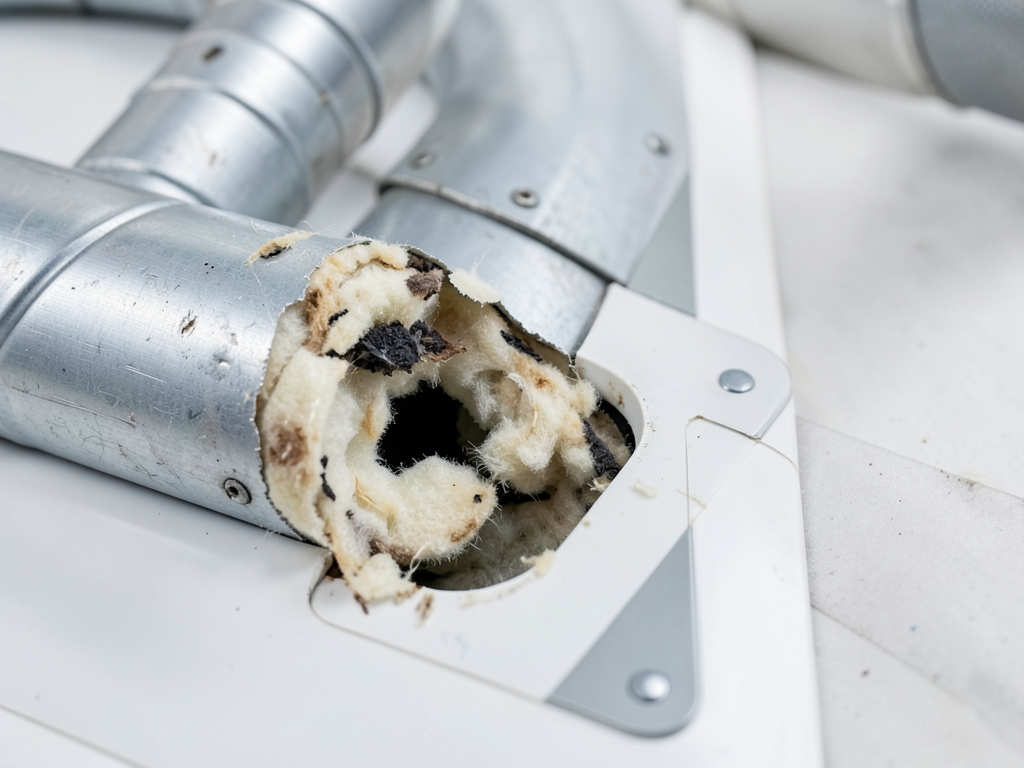
The belly board ductwork itself often develops problems. Tears in the insulation allow conditioned air to escape before it reaches your living space. Rodents and insects can nest in the under-home area, chewing through ducts and creating additional leaks. During an Orlando summer, even small duct leaks can significantly reduce your system’s efficiency.
Brands we service: Coleman, Miller, and Intertherm specialists
Mobile homes in Taft commonly use specific HVAC brands designed for manufactured housing. Coleman-Evcon, Miller, and Intertherm dominate the market because they meet HUD standards for packaged units. These brands build systems with specific features for mobile home applications, including high-static blowers and compact designs.
Coleman mobile home units often feature scroll compressors that handle the constant cycling better than older reciprocating designs. The sealed combustion systems prevent backdrafting in the confined spaces typical of manufactured homes. However, even these quality units need regular maintenance to survive Orlando’s climate.
Miller and Intertherm systems share many components since they’re owned by the same parent company. These units typically use electric heat strips rather than gas furnaces, which makes sense for Florida’s climate. The heat strips activate during defrost cycles and provide emergency heating during rare cold snaps. Emergency Furnace Repair.
Age matters significantly with these systems. Units over 10 years old in Taft are nearing the end of their service life due to the constant heat stress. The aluminum coils in older units corrode faster in Florida’s salt-air environment, even miles from the coast. Upgrading to a newer SEER2-rated unit can cut your energy bills by 30% while providing more reliable cooling.
Essential maintenance for extreme heat protection
Regular maintenance prevents most mobile home HVAC failures during Orlando’s extreme heat. Start with the air filter. Mobile homes have smaller air handlers, so a dirty filter restricts airflow much faster than in a standard home. Check your filter monthly during summer and replace it when light doesn’t pass through easily.
Clean the condenser coils annually. The packaged unit sits outside collecting dirt, grass clippings, and cottonwood seeds from nearby trees. Dirty coils reduce heat transfer efficiency by up to 30%. Use a garden hose with gentle pressure to clean the fins, working from the inside out to avoid bending them.
Check the belly board insulation. Tears or water damage allow cool air to escape and warm, humid air to enter. This forces your system to run longer cycles. Small tears can be sealed with specialized HVAC tape, but larger damage requires professional belly board replacement. The insulation R-value in mobile homes is already lower than site-built homes, so every bit of integrity matters. Professional duct cleaning services for historic homes in Thornton Park.
Test the condensate drain line quarterly. Pour a cup of white vinegar into the drain line access point to kill algae growth. This simple step prevents the most common cause of water damage in mobile homes. Also check that the drain line slopes away from your home and doesn’t create standing water beneath your unit.
Listen for unusual sounds. A failing bearing in the fan motor often starts with a high-pitched whine before the motor seizes completely. The cost of replacing a motor is much less than replacing the entire unit if it fails during a heatwave. Early detection saves money and prevents emergency service calls.. Read more about What to do when your AC starts blowing warm air in the middle of a Maitland heatwave.
Emergency cooling strategies when your system fails
Even with maintenance, systems can fail during Orlando’s most extreme heat waves. Knowing what to do while waiting for service can prevent heat-related illness. Close blinds and curtains on sun-facing windows to reduce solar heat gain. This simple step can lower indoor temperatures by 10-15 degrees.
Use box fans strategically. Place them in windows at night when outdoor temperatures drop below indoor levels. During the day, position fans to create cross-ventilation. While fans don’t cool air, they help your body’s natural cooling mechanisms work more effectively through evaporation.
Identify the coolest room in your home. Mobile homes often have one area that stays slightly cooler due to its position relative to the sun. This becomes your emergency cooling zone. Use a thermometer to monitor indoor temperatures, especially if you have elderly family members or young children who are more vulnerable to heat stress.
Consider temporary window units for critical areas. A 5,000 BTU window air conditioner can cool a bedroom sufficiently for sleeping during a system failure. While not as efficient as your main system, it provides crucial relief during extended repairs. Many Taft residents keep a small window unit on hand for exactly this purpose. Fast and affordable AC leak repair in Altamonte Springs.
Upgrading your mobile home HVAC system
If your system is over 12 years old, replacement often makes more financial sense than continued repairs. Modern mobile home HVAC units meet 2023 SEER2 standards, which are significantly more efficient than units from a decade ago. The energy savings alone can justify replacement, especially with Orlando’s long cooling season.
Consider a two-stage compressor when replacing your unit. These compressors run at lower capacity most of the time, providing better humidity control and lower energy bills. They also experience less wear and tear than single-stage units that constantly cycle on and off. The initial cost is higher, but the longevity and efficiency make it worthwhile.
Smart thermostats designed for mobile homes can optimize your system’s performance. These devices learn your schedule and adjust cooling based on occupancy. Some models provide energy usage reports and maintenance reminders. The ability to control your system remotely means you can cool your home efficiently even when you’re away.
When upgrading, ensure your contractor understands mobile home specifications. The units must meet HUD standards, and the installation must comply with local building codes. Improper installation is the leading cause of premature system failure in manufactured homes. Always verify your contractor’s experience with mobile home HVAC specifically.
Frequently Asked Questions
How often should I service my mobile home AC in Orlando?
Mobile home AC systems in Orlando should receive professional maintenance twice yearly – once before cooling season and once after. The extreme heat and humidity in Taft create additional stress on these systems compared to traditional homes.
What’s the average lifespan of a mobile home HVAC unit in Florida?
Most mobile home HVAC units in Florida last 10-12 years with proper maintenance. The constant heat cycling and high humidity in Orlando can reduce this to as little as 8 years without regular professional service.
Can I replace just the outdoor unit on my mobile home AC?
No, mobile home systems are designed as matched units. The indoor and outdoor components must be compatible for proper operation. Replacing only one part typically voids warranties and reduces efficiency.
Why is my mobile home AC running constantly but not cooling?
This usually indicates low refrigerant levels, which is common in mobile homes due to vibration and corrosion. It could also mean your compressor is failing or your ducts have significant leaks in the belly board area.
How much does it cost to replace a mobile home AC unit in Taft?
Replacement costs for mobile home AC units in Taft typically range from $3,500 to $6,500 depending on size, efficiency rating, and specific installation requirements. SEER2-rated units cost more upfront but save significantly on energy bills.
- Check and replace air filters monthly
Clean filters maintain proper airflow and prevent system strain during Orlando’s extreme heat.
- Clean condenser coils annually
Remove dirt and debris from outdoor coils to maintain heat transfer efficiency.
- Inspect belly board ductwork quarterly
Check for tears, water damage, or pest intrusion in under-home ducting.
- Test condensate drain lines monthly
Pour vinegar through drain lines to prevent algae clogs that cause water damage.
- Schedule professional maintenance twice yearly
Professional service identifies potential failures before they cause system breakdowns.
Protecting your mobile home HVAC system from Orlando’s extreme heat requires understanding the unique challenges these units face. The combination of packaged design, belly board ductwork, and constant cycling in high temperatures creates specific failure patterns. Regular maintenance, timely repairs, and eventual upgrades when needed will keep your Taft mobile home comfortable through even the hottest Florida summers.
Don’t wait until your system fails on a 95-degree day. Call (321) 463-7979 today to schedule your mobile home AC inspection and ensure your system is ready for whatever summer throws at it.
{
“@context”: “https://schema.org”,
“@type”: “BlogPosting”,
“headline”: “Protecting your mobile home HVAC system from the extreme heat in Taft”,
“description”: “Learn how Orlando’s extreme heat affects mobile home HVAC systems and discover expert tips to keep your manufactured home cool and efficient during summer.”,
“wordCount”: 1874,
“datePublished”: “2026-05-25T06:12:00.000Z”,
“dateModified”: “2026-05-25T06:12:00.000Z”,
“inLanguage”: “en-US”,
“mainEntityOfPage”: {
“@type”: “WebPage”,
“@id”: “https://summithvacorlando.com”
},
“publisher”: {
“@type”: “LocalBusiness”,
“name”: “Summit HVAC Orlando”,
“url”: “https://summithvacorlando.com”
},
“author”: {
“@type”: “Organization”,
“name”: “Summit HVAC Orlando”,
“url”: “https://summithvacorlando.com”
},
“image”: {
“@type”: “ImageObject”,
“url”: “https://summithvacorlando.com/wp-content/uploads/2026/03/protecting-your-mobile-home-hvac-system-from-the-e-1.png”
}
}
{
“@context”: “https://schema.org”,
“@type”: “HVACBusiness”,
“name”: “Summit HVAC Orlando”,
“url”: “https://summithvacorlando.com”,
“address”: {
“@type”: “PostalAddress”,
“addressLocality”: “Orlando”
},
“areaServed”: {
“@type”: “City”,
“name”: “Orlando”
}
}
{
“@context”: “https://schema.org”,
“@type”: “FAQPage”,
“mainEntity”: [
{
“@type”: “Question”,
“name”: “How often should I service my mobile home AC in Orlando?”,
“acceptedAnswer”: {
“@type”: “Answer”,
“text”: “Mobile home AC systems in Orlando should receive professional maintenance twice yearly – once before cooling season and once after. The extreme heat and humidity in Taft create additional stress on these systems compared to traditional homes.”
}
},
{
“@type”: “Question”,
“name”: “What’s the average lifespan of a mobile home HVAC unit in Florida?”,
“acceptedAnswer”: {
“@type”: “Answer”,
“text”: “Most mobile home HVAC units in Florida last 10-12 years with proper maintenance. The constant heat cycling and high humidity in Orlando can reduce this to as little as 8 years without regular professional service.”
}
},
{
“@type”: “Question”,
“name”: “Can I replace just the outdoor unit on my mobile home AC?”,
“acceptedAnswer”: {
“@type”: “Answer”,
“text”: “No, mobile home systems are designed as matched units. The indoor and outdoor components must be compatible for proper operation. Replacing only one part typically voids warranties and reduces efficiency.”
}
},
{
“@type”: “Question”,
“name”: “How much does it cost to replace a mobile home AC unit in Taft?”,
“acceptedAnswer”: {
“@type”: “Answer”,
“text”: “Replacement costs for mobile home AC units in Taft typically range from $3,500 to $6,500 depending on size, efficiency rating, and specific installation requirements. SEER2-rated units cost more upfront but save significantly on energy bills.”
}
}
]
}
{
“@context”: “https://schema.org”,
“@type”: “HowTo”,
“name”: “How to protect your mobile home AC”,
“step”: [
{
“@type”: “HowToStep”,
“position”: 1,
“name”: “Check and replace air filters monthly”,
“text”: “Clean filters maintain proper airflow and prevent system strain during Orlando’s extreme heat.”
},
{
“@type”: “HowToStep”,
“position”: 2,
“name”: “Clean condenser coils annually”,
“text”: “Remove dirt and debris from outdoor coils to maintain heat transfer efficiency.”
},
{
“@type”: “HowToStep”,
“position”: 3,
“name”: “Inspect belly board ductwork quarterly”,
“text”: “Check for tears, water damage, or pest intrusion in under-home ducting.”
},
{
“@type”: “HowToStep”,
“position”: 4,
“name”: “Test condensate drain lines monthly”,
“text”: “Pour vinegar through drain lines to prevent algae clogs that cause water damage.”
},
{
“@type”: “HowToStep”,
“position”: 5,
“name”: “Schedule professional maintenance twice yearly”,
“text”: “Professional service identifies potential failures before they cause system breakdowns.”
}
],
“image”: “https://summithvacorlando.com/wp-content/uploads/2026/03/protecting-your-mobile-home-hvac-system-from-the-e-1.png”
}
{
“@context”: “https://schema.org”,
“@type”: “BreadcrumbList”,
“itemListElement”: [
{
“@type”: “ListItem”,
“position”: 1,
“name”: “Home”,
“item”: “https://summithvacorlando.com”
},
{
“@type”: “ListItem”,
“position”: 2,
“name”: “Blog”,
“item”: “https://summithvacorlando.com/blog”
},
{
“@type”: “ListItem”,
“position”: 3,
“name”: “Protecting your mobile home HVAC system from the extreme heat in Taft”
}
]
}
{
“@context”: “https://schema.org”,
“@type”: “Service”,
“serviceType”: “HVAC”,
“provider”: {
“@type”: “LocalBusiness”,
“name”: “Summit HVAC Orlando”,
“url”: “https://summithvacorlando.com”
},
“areaServed”: {
“@type”: “City”,
“name”: “Orlando”
},
“description”: “Learn how Orlando’s extreme heat affects mobile home HVAC systems and discover expert tips to keep your manufactured home cool and efficient during summer.”
}