
How to file an insurance claim for HVAC lightning damage in Chuluota
Lightning strikes in Central Florida can cause immediate and severe damage to your HVAC system. The intense electrical surge can destroy components like capacitors, control boards, and compressors in seconds. If your air conditioning stops working after a storm in Chuluota, you need to act fast to protect your home from Florida’s heat and humidity. This guide walks you through the exact steps to file an insurance claim for lightning-damaged HVAC equipment in Chuluota. How to choose a central air replacement that handles the Dr. Phillips humidity.
Does homeowners insurance cover lightning damage to HVAC systems in Florida?
Most standard Florida homeowners insurance policies cover lightning damage to HVAC equipment under the dwelling coverage section. This includes damage from direct strikes and power surges caused by nearby lightning. However, coverage specifics vary by policy. Some insurers require a separate endorsement for full replacement cost value, while others only pay actual cash value based on the equipment’s age and condition.
Florida Statute 627.7011 requires insurance companies to provide replacement cost value coverage for dwelling losses unless the policyholder specifically waives it in writing. This means if your five-year-old AC unit gets fried by lightning, your policy should cover the full cost of a new comparable unit, not just the depreciated value. Always check your policy details or contact your insurance agent to confirm your coverage limits and deductible amounts before filing a claim.. Read more about How to spot a failing AC capacitor before it leaves you stranded in Altamonte Springs.
Common signs of lightning damage to your AC system
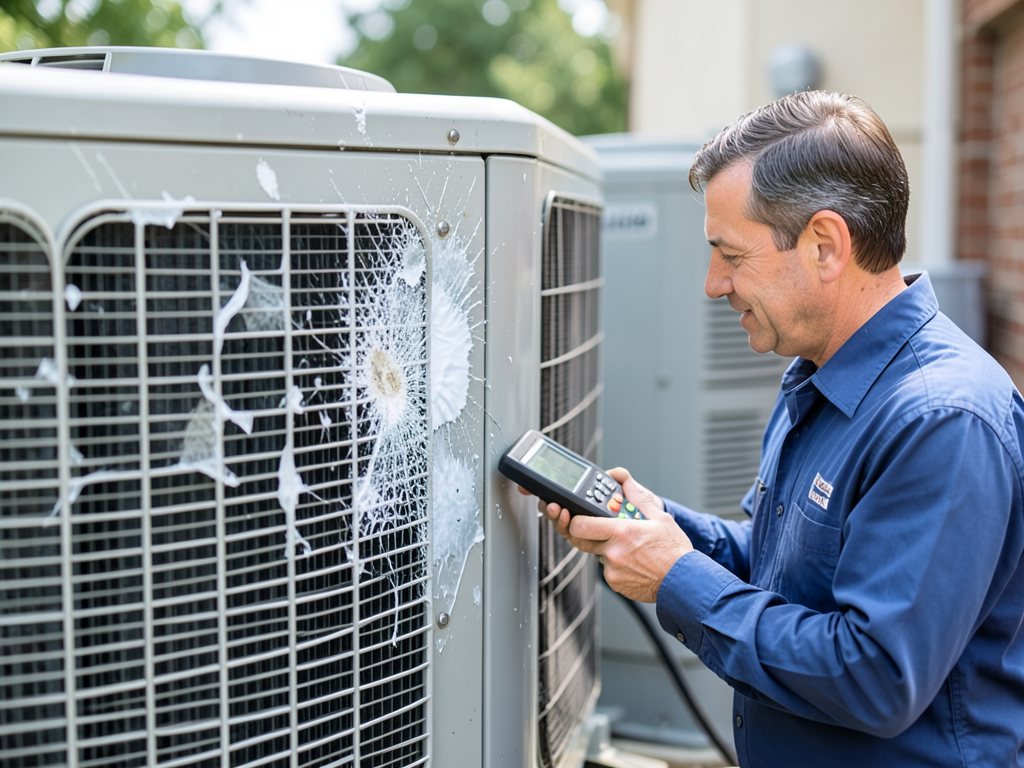
Lightning damage to HVAC equipment often shows immediate and obvious symptoms. The most common sign is complete system failure where the outdoor unit won’t turn on at all. You might hear a loud pop or see a flash of light from the unit during the storm. After the storm passes, the system remains completely dead with no response to the thermostat.. Read more about How to protect your Sanford outdoor AC unit from heavy rain and flooding.
Diagnostic testing reveals specific damage patterns. A technician will check the capacitor first since lightning often causes these components to bulge or leak. The control board may show burn marks or melted plastic components. The compressor might fail to start or make clicking sounds without running. Sometimes the damage is less obvious – a voltage spike can weaken components that fail days or weeks later.
Secondary damage occurs when the system stays off for extended periods. Florida’s humidity quickly creates mold problems in ductwork and evaporator coils. Standing water in drain pans breeds bacteria. These issues compound the original lightning damage and can make the system unsafe to operate even after repairs. Fast and affordable AC leak repair in Altamonte Springs.
Step-by-step guide to filing an HVAC lightning claim in Chuluota
The claims process moves quickly when you follow the right steps. Start by documenting everything before touching any equipment. Take clear photos of your outdoor unit showing the model number, serial number, and any visible damage like burn marks or melted components. Photograph the indoor air handler and thermostat to show they’re part of the same system. Everything you need to know about AC tune-ups in College Park.
Call your insurance company immediately after discovering the damage. Most Florida insurers have 24-hour claim reporting lines. Provide them with your policy number, the date and time of the storm, and a brief description of what happened. Ask about your deductible and whether they need a professional inspection before approving the claim. Professional duct cleaning services for historic homes in Thornton Park.
Schedule a licensed HVAC technician to inspect your system right away. The technician should provide a detailed written report listing all damaged components, their replacement costs, and photos of the damage. This diagnostic report becomes crucial evidence for your insurance claim. Some insurers require estimates from multiple contractors, so ask your technician about this possibility.
Submit your claim with all supporting documentation. Include the technician’s report, your photos, and any storm reports from local weather services that confirm lightning activity in your area. Keep copies of everything you send. Follow up with your insurance adjuster within 48 hours to ensure they received your materials and to answer any questions.
The importance of a professional HVAC diagnostic report for insurance adjusters
Insurance adjusters need specific technical evidence to approve HVAC claims. A professional diagnostic report should include multimeter readings showing voltage irregularities, continuity tests on damaged components, and thermal imaging if available to show internal damage. The report must identify the exact cause of failure – whether it was a direct lightning strike, a power surge through utility lines, or secondary damage from extended system downtime.
Technicians should document the system’s age, maintenance history, and pre-storm condition. This information helps determine if the damage resulted from the lightning event or if pre-existing issues contributed to the failure. The report should also include current market prices for replacement parts and labor, as insurance companies base their payouts on actual replacement costs in your area.
Ask your technician to include a statement about whether the damage is repairable or if full system replacement makes more economic sense. Some insurance policies have limits on repair costs versus replacement value. A clear recommendation from a licensed professional strengthens your position when negotiating with the insurance company.
Repair vs. replace decisions under Florida’s SEER2 regulations
Florida adopted SEER2 efficiency standards in 2023, which affect insurance claim decisions for HVAC replacements. SEER2 measures cooling efficiency more accurately than the previous SEER standards by accounting for real-world operating conditions. If your lightning-damaged system is over ten years old, replacing it with a new SEER2-compliant unit might be more cost-effective than repairing the old equipment.
Insurance companies consider the long-term value when deciding between repair and replacement. A new high-efficiency system reduces energy costs and provides better humidity control – crucial factors in Florida’s climate. Some insurers offer enhanced replacement cost coverage that allows you to upgrade to a more efficient system if repair costs exceed 50% of replacement value.
Local building codes in Orange County may require electrical system upgrades when replacing major HVAC components. This includes proper grounding, surge protection installation, and updated disconnect switches. These code requirements can increase replacement costs but also improve system safety and efficiency.
Preventing future lightning damage in Chuluota
Chuluota’s location in Central Florida’s lightning alley makes surge protection essential. The area experiences more lightning strikes per square mile than most of the United States. Installing a whole-home surge protector at your main electrical panel provides the first line of defense against voltage spikes that can travel through power lines during storms.
Point-of-use surge protectors for your HVAC system add another layer of protection. These devices install directly at the outdoor unit and can absorb smaller surges that make it past the main panel protector. Look for units with at least 30,000-amp surge capacity and indicator lights that show when protection is active.
Proper grounding of your HVAC equipment meets National Electrical Code requirements and improves surge protection effectiveness. The grounding system should include a dedicated ground rod for the outdoor unit, proper bonding to your home’s main grounding system, and surge protection at both the electrical panel and the equipment itself.
Secondary damage prevention after HVAC failure
When your AC system fails after lightning damage, Florida’s humidity creates secondary problems within 24-48 hours. Mold can start growing in ductwork and on evaporator coils when temperatures rise above 80 degrees with high humidity. Standing water in condensate drain pans becomes a breeding ground for bacteria and algae.
Immediate temporary cooling solutions prevent these issues. Portable dehumidifiers in your home reduce moisture levels while you wait for repairs. If possible, run fans to circulate air and prevent stagnant conditions. Some homeowners rent portable AC units to maintain comfortable temperatures during the claims process.
Document any secondary damage that occurs after the initial lightning strike. Insurance adjusters need to know if humidity-related problems developed because of the system failure. Take photos of any mold growth, water damage, or other issues that appeared after the storm. This documentation may be covered under your homeowners policy even if it’s not directly related to the lightning strike.
Understanding your Florida homeowners policy coverage limits
Florida homeowners policies typically use one of two valuation methods for damaged property: actual cash value or replacement cost value. Actual cash value pays the current market value minus depreciation, while replacement cost value pays to replace the item with new equipment of similar kind and quality. Most policies in Florida default to replacement cost value for dwelling coverage.
Equipment breakdown coverage is an optional endorsement that many Florida homeowners add to their policies. This coverage specifically addresses mechanical failures from electrical surges, including lightning damage. It often has lower deductibles than standard dwelling coverage and may cover additional expenses like temporary housing if your home becomes uninhabitable.
Business owners in Chuluota should check if their commercial property insurance includes equipment breakdown coverage for HVAC systems. Commercial policies often have different coverage limits and may require more extensive documentation for claims approval. Some policies also include business interruption coverage that pays for lost revenue during extended HVAC outages.
When to call a public adjuster for your HVAC claim
Public adjusters work for you, not the insurance company, and can help maximize your claim settlement. Consider hiring one if your claim involves extensive damage, if the insurance company disputes your assessment, or if you’re dealing with a high-dollar replacement cost. Public adjusters understand insurance policy language and can negotiate better settlements than most homeowners achieve on their own.
The cost of a public adjuster typically ranges from 5% to 15% of the claim settlement amount. For a $10,000 HVAC replacement claim, this fee might be $500 to $1,500. However, public adjusters often recover significantly more than the initial insurance offer, making their services cost-effective for complex or expensive claims.
Look for licensed public adjusters with experience in HVAC claims specifically. They should understand the technical aspects of air conditioning systems and be able to communicate effectively with both insurance adjusters and HVAC contractors. Ask for references and check their standing with the Florida Department of Financial Services before hiring.
Local building codes and permit requirements in Chuluota
Orange County requires permits for HVAC replacements, including those covered by insurance claims. The permitting process ensures the new equipment meets current energy efficiency standards and safety codes. Permit fees vary based on the scope of work but typically range from $75 to $300 for residential HVAC replacements.
SEER2 requirements affect all new HVAC installations in Florida. Units installed after January 1, 2023, must meet minimum efficiency ratings of 14 SEER2 for cooling and 8.8 HSPF2 for heat pumps. These standards may require upgrading to a larger or more efficient system than your original equipment, potentially increasing replacement costs beyond your insurance settlement.
Electrical code updates may be required when replacing lightning-damaged HVAC equipment. This includes proper grounding per National Electrical Code Article 250, dedicated circuits with appropriate breaker sizes, and updated disconnect switches. Your HVAC contractor should handle permit applications and ensure all work meets local code requirements.
Cost factors that affect your insurance settlement
Several factors influence how much your insurance company will pay for lightning-damaged HVAC equipment. The age and condition of your existing system affects the settlement amount – newer systems may qualify for full replacement cost coverage, while older systems might only receive depreciated value payments.
Current market prices for HVAC equipment in Central Florida impact your settlement. Supply chain issues and material cost increases since 2020 have raised replacement costs for many homeowners. Insurance companies base their payouts on current replacement costs, not what you originally paid for the equipment.
Additional costs like permit fees, electrical upgrades, and code compliance work may or may not be covered by your policy. Some insurers include these costs in the settlement, while others consider them separate expenses. Review your policy details or ask your insurance agent about coverage for these additional expenses.
Emergency steps while waiting for insurance approval
Florida heat can become dangerous within hours of AC failure. Take immediate steps to protect your home and family while waiting for insurance approval. Close blinds and curtains to block sunlight and reduce heat gain. Use ceiling fans to circulate air and create a cooling effect. Stay hydrated and check on elderly family members frequently.
Document your temporary living conditions if you need to relocate during repairs. Keep receipts for hotel stays, restaurant meals, and any other expenses related to the HVAC failure. Some homeowners policies include additional living expense coverage that reimburses these costs when your home becomes uninhabitable due to covered damage.
Avoid DIY repairs or temporary fixes that could void your insurance coverage or create safety hazards. Unqualified electrical work can cause fires or void your policy. Let licensed professionals handle all repairs and provide proper documentation for your insurance claim.
Frequently Asked Questions
How long do I have to file an insurance claim for lightning damage?
Most Florida insurance policies require you to report damage within 30 days of discovery. However, it’s best to file immediately after the storm to ensure timely processing. Some insurers have shorter reporting windows, so check your specific policy details.
Will my insurance rates increase after filing an HVAC lightning claim?
Lightning damage is typically considered an act of nature, which insurance companies treat differently than negligence claims. Your rates may not increase solely due to weather-related damage, but multiple claims within a short period could affect your premiums.
Can I choose my own HVAC contractor for the repairs?
Yes, you have the right to select your own licensed HVAC contractor in Florida. However, some insurance companies may have preferred vendors or require estimates from multiple contractors. Always verify that your chosen contractor is properly licensed and insured.
What if the insurance company denies my claim?
If your claim is denied, request a detailed explanation in writing. You have the right to appeal the decision and can hire a public adjuster or attorney to assist with the appeal process. Sometimes additional documentation or a second professional opinion can reverse a denial.
How can I prove the lightning damage was severe enough to warrant replacement?
A professional diagnostic report with photos, multimeter readings, and component testing provides the evidence insurance adjusters need. The report should clearly state whether repair costs exceed replacement value and recommend the most cost-effective solution.
- Document the damage
Take photos of all HVAC components, including model numbers and visible damage. Note the date and time of the lightning strike.
- Contact your insurance company
Report the damage immediately using your insurer’s 24-hour claim line. Provide policy details and basic information about the incident.
- Get a professional inspection
Schedule a licensed HVAC technician to diagnose the damage and provide a detailed written report with photos.
- Submit your claim
Provide all documentation including the technician’s report, your photos, and any weather service confirmation of lightning activity.
- Follow up with the adjuster
Contact your insurance adjuster within 48 hours to confirm receipt of your materials and answer any questions.
Take action now to protect your home
Lightning damage to your HVAC system requires immediate attention in Chuluota’s hot, humid climate. Don’t wait for the situation to worsen – the longer your system stays off, the more secondary damage can occur. A professional inspection within 24 hours of the storm can mean the difference between a simple repair and a complete system replacement.
Our licensed HVAC technicians understand the unique challenges of lightning damage in Central Florida. We provide detailed diagnostic reports that insurance companies trust, complete with photos, technical specifications, and clear recommendations for repair or replacement. We’ll work directly with your insurance adjuster to ensure your claim processes smoothly and you get the coverage you deserve.
Call (321) 463-7979 today to schedule your emergency inspection. Our team is ready to help you navigate the insurance claims process and restore comfort to your home. Don’t let Florida’s heat and humidity cause additional damage while you wait – pick up the phone and call (321) 463-7979 before the next storm hits. Emergency Furnace Repair.
Remember, acting quickly after lightning damage can save you thousands in secondary repairs and ensure your insurance claim gets approved without delays. Contact us now at (321) 463-7979 for fast, professional service you can trust.
{
“@context”: “https://schema.org”,
“@type”: “BlogPosting”,
“headline”: “How to file an insurance claim for HVAC lightning damage in Chuluota”,
“description”: “Learn the exact steps to file an insurance claim for lightning-damaged HVAC systems in Chuluota. Get professional diagnostic reports and navigate Florida insurance claims successfully.”,
“wordCount”: 2712,
“datePublished”: “2026-05-19T12:14:00.000Z”,
“dateModified”: “2026-05-19T12:14:00.000Z”,
“inLanguage”: “en-US”,
“mainEntityOfPage”: {
“@type”: “WebPage”,
“@id”: “https://summithvacorlando.com”
},
“publisher”: {
“@type”: “LocalBusiness”,
“name”: “Summit HVAC Orlando”,
“url”: “https://summithvacorlando.com”
},
“author”: {
“@type”: “Organization”,
“name”: “Summit HVAC Orlando”,
“url”: “https://summithvacorlando.com”
},
“image”: {
“@type”: “ImageObject”,
“url”: “https://summithvacorlando.com/wp-content/uploads/2026/03/how-to-file-an-insurance-claim-for-hvac-lightning-1.png”
}
}
{
“@context”: “https://schema.org”,
“@type”: “HVACBusiness”,
“name”: “Summit HVAC Orlando”,
“url”: “https://summithvacorlando.com”,
“address”: {
“@type”: “PostalAddress”,
“addressLocality”: “Orlando”
},
“areaServed”: {
“@type”: “City”,
“name”: “Orlando”
}
}
{
“@context”: “https://schema.org”,
“@type”: “FAQPage”,
“mainEntity”: [
{
“@type”: “Question”,
“name”: “Does homeowners insurance cover lightning damage to HVAC systems in Florida?”,
“acceptedAnswer”: {
“@type”: “Answer”,
“text”: “Most standard Florida homeowners insurance policies cover lightning damage to HVAC equipment under the dwelling coverage section. This includes damage from direct strikes and power surges caused by nearby lightning. However, coverage specifics vary by policy. Some insurers require a separate endorsement for full replacement cost value, while others only pay actual cash value based on the equipment’s age and condition.”
}
},
{
“@type”: “Question”,
“name”: “How long do I have to file an insurance claim for lightning damage?”,
“acceptedAnswer”: {
“@type”: “Answer”,
“text”: “Most Florida insurance policies require you to report damage within 30 days of discovery. However, it’s best to file immediately after the storm to ensure timely processing. Some insurers have shorter reporting windows, so check your specific policy details.”
}
},
{
“@type”: “Question”,
“name”: “Will my insurance rates increase after filing an HVAC lightning claim?”,
“acceptedAnswer”: {
“@type”: “Answer”,
“text”: “Lightning damage is typically considered an act of nature, which insurance companies treat differently than negligence claims. Your rates may not increase solely due to weather-related damage, but multiple claims within a short period could affect your premiums.”
}
},
{
“@type”: “Question”,
“name”: “Can I choose my own HVAC contractor for the repairs?”,
“acceptedAnswer”: {
“@type”: “Answer”,
“text”: “Yes, you have the right to select your own licensed HVAC contractor in Florida. However, some insurance companies may have preferred vendors or require estimates from multiple contractors. Always verify that your chosen contractor is properly licensed and insured.”
}
},
{
“@type”: “Question”,
“name”: “What if the insurance company denies my claim?”,
“acceptedAnswer”: {
“@type”: “Answer”,
“text”: “If your claim is denied, request a detailed explanation in writing. You have the right to appeal the decision and can hire a public adjuster or attorney to assist with the appeal process. Sometimes additional documentation or a second professional opinion can reverse a denial.”
}
},
{
“@type”: “Question”,
“name”: “How can I prove the lightning damage was severe enough to warrant replacement?”,
“acceptedAnswer”: {
“@type”: “Answer”,
“text”: “A professional diagnostic report with photos, multimeter readings, and component testing provides the evidence insurance adjusters need. The report should clearly state whether repair costs exceed replacement value and recommend the most cost-effective solution.”
}
}
]
}
{
“@context”: “https://schema.org”,
“@type”: “HowTo”,
“name”: “How to file an HVAC lightning damage insurance claim”,
“step”: [
{
“@type”: “HowToStep”,
“position”: 1,
“name”: “Document the damage”,
“text”: “Take photos of all HVAC components, including model numbers and visible damage. Note the date and time of the lightning strike.”
},
{
“@type”: “HowToStep”,
“position”: 2,
“name”: “Contact your insurance company”,
“text”: “Report the damage immediately using your insurer’s 24-hour claim line. Provide policy details and basic information about the incident.”
},
{
“@type”: “HowToStep”,
“position”: 3,
“name”: “Get a professional inspection”,
“text”: “Schedule a licensed HVAC technician to diagnose the damage and provide a detailed written report with photos.”
},
{
“@type”: “HowToStep”,
“position”: 4,
“name”: “Submit your claim”,
“text”: “Provide all documentation including the technician’s report, your photos, and any weather service confirmation of lightning activity.”
},
{
“@type”: “HowToStep”,
“position”: 5,
“name”: “Follow up with the adjuster”,
“text”: “Contact your insurance adjuster within 48 hours to confirm receipt of your materials and answer any questions.”
}
],
“image”: “https://summithvacorlando.com/wp-content/uploads/2026/03/how-to-file-an-insurance-claim-for-hvac-lightning-1.png”
}
{
“@context”: “https://schema.org”,
“@type”: “BreadcrumbList”,
“itemListElement”: [
{
“@type”: “ListItem”,
“position”: 1,
“name”: “Home”,
“item”: “https://summithvacorlando.com”
},
{
“@type”: “ListItem”,
“position”: 2,
“name”: “Blog”,
“item”: “https://summithvacorlando.com/blog”
},
{
“@type”: “ListItem”,
“position”: 3,
“name”: “How to file an insurance claim for HVAC lightning damage in Chuluota”
}
]
}
{
“@context”: “https://schema.org”,
“@type”: “Service”,
“serviceType”: “HVAC”,
“provider”: {
“@type”: “LocalBusiness”,
“name”: “Summit HVAC Orlando”,
“url”: “https://summithvacorlando.com”
},
“areaServed”: {
“@type”: “City”,
“name”: “Orlando”
},
“description”: “Learn the exact steps to file an insurance claim for lightning-damaged HVAC systems in Chuluota. Get professional diagnostic reports and navigate Florida insurance claims successfully.”
}