
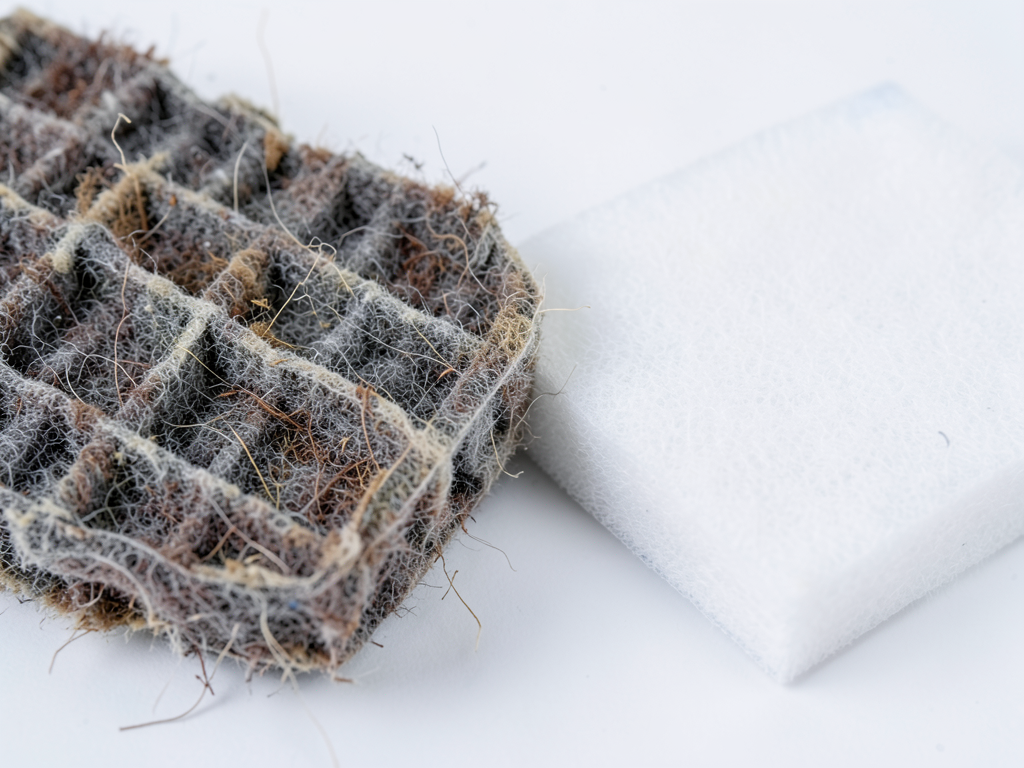
How to pick the best high-efficiency air filter for your pet-friendly Audubon Park bungalow
Living in an Audubon Park bungalow with pets means year-round HVAC use in Orlando’s humidity. Pet dander, fur, and skin cells constantly circulate through your system, creating unique indoor air quality challenges. The right high-efficiency air filter can trap these allergens while protecting your expensive HVAC equipment from strain.. Read more about The best ways to reduce dust and allergens in your Orwin Manor historic home.
Choosing the wrong filter wastes money and can damage your blower motor. Too restrictive and your system struggles to pull air through. Too loose and pet allergens pass right through. This guide shows you exactly which MERV rating works best for homes with pets in Central Florida’s climate. How to choose a central air replacement that handles the Dr. Phillips humidity.
Why Your Pets are Working Against Your HVAC System
Pet dander consists of microscopic skin flakes that measure between 2.5 to 10 microns. Standard fiberglass filters only capture particles larger than 10 microns. That means most dander passes through, builds up on your evaporator coil, and circulates back into your living space.
Cat dander is particularly problematic because it’s sticky and carries a static charge. It clings to surfaces and becomes airborne with the slightest movement. Dog hair creates larger blockages that restrict airflow through your return vents.
Audubon Park’s historic bungalows often have older ductwork with gaps and seams. These leaks allow unfiltered air to bypass your filter entirely, carrying pet hair and dander directly to your HVAC components.
Decoding MERV Ratings for Pet Owners
MERV stands for Minimum Efficiency Reporting Value. The scale runs from 1 to 20, with higher numbers capturing smaller particles. For pet owners, the sweet spot is MERV 11.
MERV 8 filters capture about 85% of particles between 3 to 10 microns. This includes some pet dander but misses the smallest particles that cause allergic reactions. MERV 13 filters capture up to 90% of particles as small as 1 micron, including most bacteria and smoke. Everything you need to know about AC tune-ups in College Park.
The problem with MERV 13 in Florida homes is static pressure. Your blower motor must work harder to pull air through the denser filter media. In Audubon Park’s older bungalows with already-restricted airflow, this can cause your system to short cycle or freeze up.
MERV 11 captures 80-85% of particles between 1 to 10 microns. This includes most pet dander while maintaining adequate airflow for Orlando’s year-round cooling demands.
Top 3 Filter Recommendations for Central Florida Homes
Premium Pleated Filters – These 1-inch filters use electrostatically charged media to attract pet dander. They last 60-90 days in homes with one pet, but homes with multiple pets need replacement every 30 days.
Carbon-Coated Filters – These add activated carbon to neutralize pet odors. The carbon layer also captures volatile organic compounds from cleaning products and cooking. They work well in Audubon Park’s older homes where air circulation can trap smells.
High-Efficiency Extended Surface Filters – These 4-inch filters fit in dedicated filter housings and provide MERV 13 performance without the airflow restriction. They last 6-12 months but require professional installation in most bungalows.
The Orlando Factor: Humidity, Pets, and Filter Mold
Orlando’s relative humidity averages 74% year-round. When warm, moist air hits your cold air conditioning coil, condensation forms. This moisture creates perfect conditions for mold growth on your filter.
Pet dander provides organic material that feeds mold spores. The combination of moisture and nutrients causes filters to become biological growth sites within 30-45 days in Florida homes.
Audubon Park’s historic bungalows often have pier-and-beam foundations or crawl spaces. These areas trap moisture and can introduce additional humidity into your HVAC system through duct leaks.
Florida Building Code Section 5 requires HVAC systems to maintain indoor humidity below 60% to prevent mold growth. Your filter choice directly impacts whether your system meets this requirement.
Maintenance Schedule: How Often to Change Your Filter with Pets
Standard recommendation of changing filters every 90 days doesn’t work for pet owners in Florida. The combination of year-round AC use and constant pet shedding requires more frequent changes.
For homes with one dog or cat: replace MERV 11 filters every 60 days. Check them at 30 days – if they appear gray or have visible debris, replace immediately.
For homes with two or more pets: replace filters every 30 days without exception. The added dander load overwhelms even high-quality filters quickly.
For homes with pets and allergies: consider 45-day replacement cycles with MERV 11 filters. This balances cost against air quality needs.
Visual inspection works better than calendar reminders. A dirty filter appears uniformly gray and may have visible hair or debris on the surface. Never wait until the filter is completely clogged.. Read more about Why your Pine Hills home smells like dirty socks when the AC kicks on.
Beyond Filters: Whole-Home Air Purifiers
When standard filtration isn’t enough, whole-home air purifiers provide hospital-grade air cleaning. These systems install directly into your HVAC ductwork and work continuously. Professional duct cleaning services for historic homes in Thornton Park.
UV light systems kill bacteria, viruses, and mold spores that pass through your filter. They’re particularly effective in Florida’s humid climate where biological growth is constant.
REME HALO systems use advanced oxidation to neutralize pet odors, VOCs, and allergens. They produce hydro-peroxide plasma that circulates through your home, cleaning air and surfaces.
Activated carbon air purifiers specifically target pet odors and chemical pollutants. They’re ideal for homes where litter box smells or pet bedding creates persistent odors.
These systems cost more upfront but eliminate the need for frequent filter changes and provide superior air quality for allergy sufferers.
Common Mistakes Pet Owners Make with HVAC Filters
Buying the highest MERV rating available is the most common mistake. MERV 16 filters can restrict airflow so severely that your system shuts down completely. This causes expensive repairs and leaves you without cooling in Orlando’s heat. EPA Indoor Air Quality Guidelines.
Ignoring filter size is another frequent error. Using a filter that’s too small allows air to bypass around the edges. This unfiltered air carries pet hair directly to your evaporator coil.
Waiting until filters look completely clogged before replacing them damages your blower motor. Restricted airflow causes the motor to overheat and fail prematurely.
Using washable filters seems economical but they often don’t capture pet dander effectively. The electrostatic charge that makes them effective washes away after the first cleaning.
Installing filters backward reduces their effectiveness by up to 50%. The air should flow through the filter in the direction indicated by the arrow on the frame.
How Pet Hair Affects Your HVAC Components
Pet hair doesn’t just clog filters – it accumulates throughout your HVAC system. When hair bypasses your filter, it sticks to the evaporator coil fins. This creates an insulating layer that reduces cooling efficiency by up to 30%.
The blower wheel collects hair and dander over time. This buildup throws the wheel out of balance, causing vibration and bearing wear. A failing blower motor often starts with a high-pitched whine that gets louder over weeks.
Condensate drain lines clog when pet hair mixes with the algae that naturally grows in Florida’s humid conditions. This backup can cause water damage to your ceiling or walls.
The cost to clean a contaminated evaporator coil ranges from $300 to $600. Replacing a seized blower motor costs $800 to $1,200. These expenses far exceed the cost of proper filtration.
Energy Efficiency and Filter Choice
Your HVAC system’s energy consumption directly relates to filter restriction. A clogged filter can increase energy usage by 15% as your system works harder to move the same amount of air.
MERV 11 filters strike the optimal balance between particle capture and energy efficiency. They provide excellent filtration without the significant static pressure increase of higher-rated filters.
Energy Star recommends checking your filter monthly and replacing it when it appears dirty. For pet owners in Florida, this typically means every 30-60 days depending on the number of pets.
Proper filter maintenance can reduce your annual cooling costs by $50 to $100 while extending your system’s lifespan by several years.
Special Considerations for Audubon Park Bungalows
Audubon Park’s historic bungalows built between 1920 and 1950 often have unique HVAC challenges. Many have original ductwork with rust, leaks, and inadequate return air capacity.
These older homes typically have smaller closets or attic spaces for HVAC equipment. This limits your filter options to standard 1-inch sizes rather than more efficient 4-inch filters.
The plaster walls and single-pane windows in historic bungalows allow more outdoor air infiltration. This brings additional pollen, dust, and humidity into your home, increasing the load on your filter.
Many Audubon Park homes have converted garages or sunrooms that weren’t designed for HVAC. These additions often have undersized ductwork that restricts airflow regardless of filter choice.
Professional HVAC assessment is crucial for these homes. A technician can measure static pressure and recommend filters that work with your specific system rather than against it.
Comparing Filter Types: Which Works Best for Pets
Fiberglass Filters – These cheap filters capture only large particles like dust and sand. They allow most pet dander to pass through and provide minimal air quality improvement.
Polyester Pleated Filters – These offer good value with MERV ratings from 6 to 13. They capture pet dander effectively while maintaining reasonable airflow. Most homeowners find these provide the best balance of performance and cost.
Electrostatic Filters – These use self-charging fibers to attract particles. They work well for pet hair but may lose effectiveness in Florida’s high humidity as moisture reduces the static charge.
HEPA Filters – True HEPA filters capture 99.97% of particles down to 0.3 microns. However, they require significant system modifications and can restrict airflow in residential systems.
Washable Filters – These reusable filters seem economical but often have MERV ratings below 4. They require monthly cleaning and don’t capture fine pet dander effectively.
Installation Tips for Maximum Filter Performance
Always turn off your HVAC system before replacing filters. Running the system without a filter allows unfiltered air to enter and contaminate your coil.
Check the filter frame for the airflow direction arrow. Installing the filter backward reduces its effectiveness and can cause the filter to collapse from air pressure.
Clean the filter rack before installing a new filter. Dust and debris in the track can bypass the filter edges and enter your system.
Seal any gaps around the filter with HVAC-approved tape. Even small leaks allow dirty air to bypass filtration entirely.
Consider upgrading to a filter cabinet if your system uses poorly fitting slot-in filters. This ensures a proper seal and prevents air bypass.
Seasonal Considerations for Orlando Pet Owners
Orlando’s oak pollen season from late February through April creates additional filtration challenges. During peak pollen, even homes without pets may need more frequent filter changes.
Summer brings higher humidity and more AC runtime. Your filter works harder during these months, often requiring replacement every 30 days regardless of pet ownership.
Fall’s slightly cooler temperatures allow some homeowners to reduce AC usage. This can extend filter life to 60-90 days, but pet owners should still check filters monthly.
Winter in Orlando means occasional heating use. If your system has a gas furnace, the heat can bake accumulated dust and pet dander, creating burning odors. Fresh filters prevent this issue. Emergency Furnace Repair.
Cost Analysis: Quality vs. Frequency
High-quality MERV 11 filters cost $15 to $25 each. Replacing them every 60 days costs $90 to $150 annually. Cheaper filters at $5 each need replacement every 30 days, costing $120 annually.
The premium filters capture more particles and maintain better airflow, potentially saving $30 to $50 per year in energy costs. They also reduce wear on your blower motor, extending its life by 2-3 years.
Over a 10-year period, quality filtration can save $500 to $1,000 in energy costs, repairs, and premature component replacement. Fast and affordable AC leak repair in Altamonte Springs.
The health benefits of better air quality – fewer allergy symptoms, less dust cleaning, and improved respiratory health – provide additional value that’s harder to quantify but very real for pet owners.
Professional Assessment: When to Call an HVAC Technician
If your home has persistent dust despite regular filter changes, your system may have duct leaks or inadequate return air capacity. A professional can test your system’s static pressure and identify these issues.
Strange odors from vents often indicate mold growth on your evaporator coil or in your ductwork. This requires professional cleaning and possibly UV light installation.
Uneven cooling throughout your home suggests airflow problems that no filter can fix. This may require duct modifications or a zoning system.
Excessive filter dirt accumulation within days of replacement indicates system problems. This could be duct leaks, oversized equipment, or poor filter fit.
Annual professional maintenance should include filter inspection, coil cleaning, and system performance testing. This prevents small issues from becoming expensive repairs.
Frequently Asked Questions
What MERV rating is best for homes with pets?
MERV 11 provides the optimal balance for pet owners. It captures 80-85% of pet dander while maintaining adequate airflow for most residential systems. Higher ratings like MERV 13 can restrict airflow and strain your blower motor.
How often should I change my air filter with pets in Orlando?
Change MERV 11 filters every 30-60 days depending on the number of pets. Homes with one pet should replace filters every 60 days. Homes with two or more pets need replacement every 30 days due to increased dander load.
Can pet hair damage my HVAC system?
Yes, pet hair can clog filters, coat evaporator coils, and accumulate on blower wheels. This reduces efficiency, strains components, and can lead to expensive repairs. Proper filtration and regular maintenance prevent these issues.
Are washable filters good for pet owners?
Washable filters are generally not recommended for pet owners. They typically have lower MERV ratings and lose their electrostatic charge after washing. They also require monthly cleaning and don’t capture fine pet dander as effectively as disposable filters.
Should I upgrade to a whole-home air purifier for pet allergies?
If you or family members have severe pet allergies, a whole-home air purifier can provide significant relief. UV light systems kill allergens, while REME HALO systems neutralize odors and capture microscopic particles that filters miss.
How do I know if my filter is installed correctly?
The filter frame has an arrow indicating airflow direction. This arrow should point toward the blower motor or furnace. Installing it backward reduces effectiveness by up to 50% and can cause the filter to collapse from air pressure.
What size filter do I need for my Audubon Park bungalow?
Most historic bungalows use standard 1-inch filters in sizes like 16×20, 20×25, or 14×30 inches. Check your existing filter or measure your filter rack. If you’re unsure, a professional HVAC technician can identify the correct size for your system.
Take Action for Better Air Quality Today
Don’t let pet dander compromise your comfort or damage your HVAC system. The right filter choice protects your investment while improving your indoor air quality. For Audubon Park homeowners, this means understanding your home’s unique characteristics and choosing filters that work with your system, not against it.
Summit HVAC Orlando has served Central Florida for over 15 years, helping pet owners breathe easier and keep their systems running efficiently. Our NATE-certified technicians understand the specific challenges of historic bungalows and Florida’s climate.
Call (321) 463-7979 today to schedule your professional HVAC assessment. We’ll evaluate your current system, recommend the perfect filtration solution for your pets, and show you how to maintain it properly. Your comfort is our priority.
Pick up the phone and call (321) 463-7979 before the next Orlando heat wave hits. Your pets deserve clean air, and your HVAC system deserves protection. Let Summit HVAC Orlando be your partner in home comfort. For more information, visit ASHRAE HVAC Standards.