
Living in Sanford means dealing with heavy rain and occasional flooding that can damage your outdoor AC unit. The combination of Seminole County’s low-lying areas near Lake Monroe and Central Florida’s intense summer storms creates a perfect storm for HVAC equipment failure. Your AC condenser sits outside with electrical components and copper tubing that water can quickly destroy. Without proper protection your system could short out or rust beyond repair after just one major storm. Florida Building Code Section 301.2.1.3.
The good news is you can take specific steps to shield your unit from water damage. From elevating the pad to installing proper tie-downs these measures cost far less than replacing a flooded condenser. Let’s walk through exactly what Sanford homeowners need to know about protecting their cooling systems from our unique weather challenges. Everything you need to know about AC tune-ups in College Park.
Understanding Sanford’s Flood Risk for Outdoor AC Units
Sanford’s location near Lake Monroe creates unique drainage challenges for outdoor HVAC equipment. The city sits at a lower elevation than many Orlando suburbs with several neighborhoods experiencing periodic standing water after heavy rains. Homes in the Sanford historic district and areas near the St. Johns River tributary face the highest risk.. Read more about Why the location of your outdoor unit in Avalon Park matters for your energy bill.
During hurricane season Sanford often sees 6-8 inches of rain in a single afternoon. This volume overwhelms many residential drainage systems especially in older neighborhoods with clay soil that drains slowly. The water table in Seminole County sits just 3-5 feet below the surface in many areas meaning even moderate rain can cause temporary flooding. Seminole County drainage ordinance.
Your outdoor AC unit needs special consideration because it contains both electrical components and metal parts that corrode quickly when submerged. The condenser fan motor alone costs $400-600 to replace and that’s before considering refrigerant line damage or control board failure.
Essential Protection Steps for Your Sanford AC Unit
Protecting your outdoor unit requires a two-pronged approach. First you need to prevent water from reaching critical components. Second you need to ensure the unit can withstand high winds that often accompany Florida storms.
Start with elevation. Your AC pad should sit at least 6 inches above the surrounding grade. Many Sanford homes have pads that settled over time putting them at or below ground level. A licensed HVAC contractor can lift and re-level your unit using a concrete or composite pad designed for wet conditions.
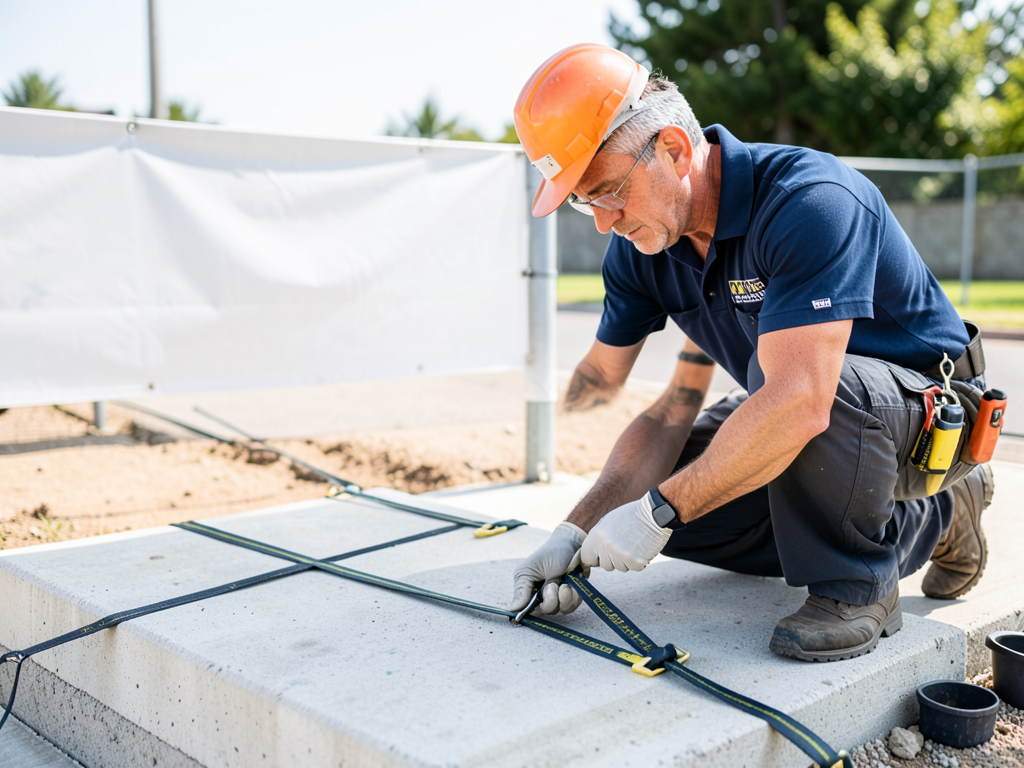
Next install hurricane tie-down straps. Florida Building Code requires these for all outdoor HVAC equipment in wind zones. The straps anchor your unit to a concrete slab preventing it from tipping during storms. Without them a strong gust could knock your AC over causing immediate damage and creating a projectile hazard.
Consider adding a protective cover for the top of your unit. These covers shield the fan and electrical components from direct rain exposure while still allowing proper airflow. Look for covers with UV-resistant material that won’t trap moisture underneath.
Sanford-Specific Building Codes and Requirements
Florida Building Code Section 301.2.1.3 requires all outdoor mechanical equipment in flood hazard areas to be elevated or flood-proofed. For Sanford this means units must sit at least 1 foot above the base flood elevation in designated flood zones.
The code also mandates specific tie-down requirements. All outdoor HVAC units must be secured with minimum 1/2-inch diameter galvanized steel straps anchored to a concrete pad. These straps must withstand 140 mph winds the standard for Central Florida. How to choose a central air replacement that handles the Dr. Phillips humidity.
Seminole County adds another layer with its drainage ordinance. This requires proper grading around all mechanical equipment to direct water away from the foundation. Many Sanford homeowners discover their AC pads violate this code only after experiencing flooding.
Working with a licensed contractor ensures your protection measures meet all local requirements. They can pull the necessary permits and verify your installation complies with both state and county codes. Who to call when your AC stops working at 2 AM in Orlando.
Emergency Shutdown Procedures During Flooding
Knowing when and how to shut down your AC during a flood can prevent catastrophic damage. The moment you see water rising toward your outdoor unit you should turn off the system at the thermostat and the circuit breaker.
Water conducts electricity and can cause short circuits in your compressor or fan motor. Even a few inches of standing water around your unit creates a serious hazard. The electrical disconnect box near your condenser should also be switched off.
After shutting down wait for the water to recede before restoring power. Never assume your unit is safe just because the rain stopped. Standing water can take hours to drain especially in Sanford’s slower-draining neighborhoods.
Once dry inspect your unit carefully. Look for visible water lines on the exterior check the electrical disconnect for moisture and examine the base for any signs of shifting. If you notice any damage call a professional before restarting your system. Professional duct cleaning services for historic homes in Thornton Park.
Professional vs DIY Protection Measures
Some AC protection steps you can handle yourself while others require professional expertise. Installing a decorative rock border or extending your gutter downspouts falls into the DIY category. These measures help direct water away from your unit without touching the electrical components.
Anything involving the unit’s foundation electrical connections or tie-down systems needs a licensed HVAC technician. Lifting an AC unit requires specialized equipment and knowledge of refrigerant line lengths. Improper lifting can kink copper lines causing expensive repairs. Fast and affordable AC leak repair in Altamonte Springs.
Professionals also understand the local code requirements that might not be obvious to homeowners. They know the specific wind zone requirements for Seminole County and can ensure your tie-down system meets all safety standards.
The cost of professional installation varies based on your specific situation. A simple pad elevation might cost $300-500 while a complete reinstallation with new tie-downs could reach $800-1200. Compare this to the $3000-5000 replacement cost for a flooded unit and the investment becomes clear.
Insurance Considerations for Flood Protection
Many Sanford homeowners don’t realize their standard homeowners insurance excludes flood damage. You need a separate flood policy through the National Flood Insurance Program or a private carrier. These policies often have specific requirements for mechanical equipment protection. National Flood Insurance Program.
Some insurance companies offer premium discounts for homes with properly elevated and secured HVAC equipment. They view these measures as risk reduction that lowers the chance of expensive claims after a storm.
Document your protection efforts with photos and receipts. If you do experience flooding having proof of proper installation and maintenance strengthens your claim. Insurance adjusters look for evidence that you took reasonable steps to protect your property.
Review your policy annually as requirements change. What qualified for coverage five years ago might not meet current standards. Your insurance agent can explain exactly what documentation you need to maintain coverage for your outdoor equipment.
Maintenance Schedule for Flood-Prone Areas
Living in Sanford means adopting a seasonal maintenance routine focused on flood preparation. Start each rainy season by clearing debris from around your unit. Leaves mulch and grass clippings can trap water against the base creating a perfect environment for rust.
Check your pad elevation every six months. Even properly installed pads can settle especially in Sanford’s sandy soil. A gap of just 2-3 inches can mean the difference between water draining away and pooling around your electrical components.
Test your tie-down straps annually for tightness and corrosion. The galvanized coating wears over time especially in Florida’s humid climate. Loose or rusted straps need immediate replacement to maintain your unit’s wind resistance.
Schedule professional maintenance before hurricane season. A technician can identify potential problems like cracked condensate lines or corroded electrical connections that might fail during a storm. They can also verify your elevation meets current code requirements.
Warning Signs Your AC Unit is at Risk
Learn to recognize the early warning signs that your outdoor unit faces flood danger. Standing water that lingers more than 24 hours after rain indicates drainage problems. Water that reaches within 6 inches of your unit’s base requires immediate attention.
Listen for unusual sounds during operation. A failing fan motor due to moisture exposure often makes grinding or clicking noises. These sounds indicate internal damage that could lead to complete failure during the next storm.
Watch for visible rust on the unit’s base or electrical components. Rust indicates prolonged moisture exposure that weakens structural integrity. Once rust appears the damage accelerates quickly especially in Sanford’s salt-air environment.
Notice if your AC trips breakers frequently. This often signals water intrusion into electrical components. The system might work fine during dry weather but fail when exposed to storm conditions.
Cost Comparison: Prevention vs Replacement
| Protection Measure | Average Cost | Protection Level |
|---|---|---|
| Pad elevation and re-leveling | $300-500 | Prevents water contact |
| Hurricane tie-down installation | $200-400 | Prevents wind damage |
| Protective cover | $50-150 | Reduces direct rain exposure |
| Complete flood protection system | $800-1200 | Comprehensive protection |
| AC unit replacement | $3000-5000 | N/A |
The numbers tell a clear story. Investing $800-1200 in comprehensive protection saves you $2200-3800 compared to replacing a flooded unit. Add in the cost of lost cooling during repairs and the savings become even more significant.
Beyond direct costs consider the inconvenience factor. A flooded AC means days without cooling during Florida’s hottest months. Professional installation of protection measures takes hours not days and lets you maintain comfort through any storm.
Frequently Asked Questions
How high should my AC pad be above ground level?
Your AC pad should sit at least 6 inches above the surrounding grade. In flood zones Seminole County requires 1 foot above base flood elevation. The higher elevation allows water to drain away from your unit rather than pooling around electrical components.
Can I install hurricane straps myself?
DIY installation of hurricane straps is not recommended. These require proper anchoring to a concrete pad and must meet specific tension requirements. A licensed HVAC contractor ensures your tie-down system meets Florida Building Code standards for wind resistance.
What should I do if my AC gets flooded?
Immediately shut off power at both the thermostat and circuit breaker. Do not restore power until a professional inspects the unit. Water can cause hidden electrical damage that creates fire hazards when reactivated. Document all damage with photos for insurance purposes.
How often should I check my AC’s flood protection?
Inspect your protection measures monthly during rainy season and at least twice yearly. Check pad elevation tie-down strap tightness and drainage patterns around your unit. Professional maintenance before hurricane season ensures all systems function properly.
Take Action Before the Next Storm
Sanford’s weather patterns aren’t changing. Heavy rains and occasional flooding will continue challenging outdoor AC units for the foreseeable future. The question isn’t if another storm will test your protection measures but when.
Don’t wait until water reaches your condenser to take action. A simple inspection can reveal whether your current setup meets modern flood protection standards. Many Sanford homes built before 2010 need upgrades to comply with current building codes.
The cost of prevention pales compared to emergency repairs during a heat wave. Pick up the phone and call (321) 463-7979 today to schedule your inspection. Our technicians understand Sanford’s unique challenges and can recommend the right protection for your specific situation.
Call (321) 463-7979 before the next storm hits. We’ll ensure your AC unit can weather any Florida downpour while keeping your home comfortable and your family safe. Don’t let another rainy season pass without proper protection.
- Assess Current Elevation
Check if your AC pad sits at least 6 inches above surrounding grade. Use a level to verify no settling has occurred.
- Install Hurricane Straps
Anchor your unit to a concrete pad using galvanized steel straps that meet Florida Building Code requirements.
- Improve Drainage
Grade soil away from your unit and extend downspouts to direct water flow around rather than toward your AC.
- Add Protective Cover
Install a UV-resistant cover that shields electrical components while allowing proper airflow during operation.
- Schedule Professional Inspection
Have a licensed technician verify all protection measures meet local code requirements before hurricane season.
{
“@context”: “https://schema.org”,
“@type”: “BlogPosting”,
“headline”: “How to protect your Sanford outdoor AC unit from heavy rain and flooding”,
“description”: “Protect your Sanford AC unit from flooding with elevation, tie-downs, and proper drainage. Learn local building codes and prevention costs.”,
“wordCount”: 2029,
“datePublished”: “2026-06-08T09:30:00.000Z”,
“dateModified”: “2026-06-08T09:30:00.000Z”,
“inLanguage”: “en-US”,
“mainEntityOfPage”: {
“@type”: “WebPage”,
“@id”: “https://summithvacorlando.com”
},
“publisher”: {
“@type”: “LocalBusiness”,
“name”: “Summit HVAC Orlando”,
“url”: “https://summithvacorlando.com”
},
“author”: {
“@type”: “Organization”,
“name”: “Summit HVAC Orlando”,
“url”: “https://summithvacorlando.com”
},
“image”: {
“@type”: “ImageObject”,
“url”: “https://summithvacorlando.com/wp-content/uploads/2026/03/how-to-protect-your-sanford-outdoor-ac-unit-from-h-1.png”
}
}
{
“@context”: “https://schema.org”,
“@type”: “HVACBusiness”,
“name”: “Summit HVAC Orlando”,
“url”: “https://summithvacorlando.com”,
“address”: {
“@type”: “PostalAddress”,
“addressLocality”: “Orlando”
},
“areaServed”: {
“@type”: “City”,
“name”: “Orlando”
}
}
{
“@context”: “https://schema.org”,
“@type”: “FAQPage”,
“mainEntity”: [
{
“@type”: “Question”,
“name”: “How high should my AC pad be above ground level?”,
“acceptedAnswer”: {
“@type”: “Answer”,
“text”: “Your AC pad should sit at least 6 inches above the surrounding grade. In flood zones Seminole County requires 1 foot above base flood elevation. The higher elevation allows water to drain away from your unit rather than pooling around electrical components.”
}
},
{
“@type”: “Question”,
“name”: “Can I install hurricane straps myself?”,
“acceptedAnswer”: {
“@type”: “Answer”,
“text”: “DIY installation of hurricane straps is not recommended. These require proper anchoring to a concrete pad and must meet specific tension requirements. A licensed HVAC contractor ensures your tie-down system meets Florida Building Code standards for wind resistance.”
}
},
{
“@type”: “Question”,
“name”: “What should I do if my AC gets flooded?”,
“acceptedAnswer”: {
“@type”: “Answer”,
“text”: “Immediately shut off power at both the thermostat and circuit breaker. Do not restore power until a professional inspects the unit. Water can cause hidden electrical damage that creates fire hazards when reactivated. Document all damage with photos for insurance purposes.”
}
},
{
“@type”: “Question”,
“name”: “How often should I check my AC’s flood protection?”,
“acceptedAnswer”: {
“@type”: “Answer”,
“text”: “Inspect your protection measures monthly during rainy season and at least twice yearly. Check pad elevation tie-down strap tightness and drainage patterns around your unit. Professional maintenance before hurricane season ensures all systems function properly.”
}
}
]
}
{
“@context”: “https://schema.org”,
“@type”: “HowTo”,
“name”: “How to Protect Your AC from Flooding”,
“step”: [
{
“@type”: “HowToStep”,
“position”: 1,
“name”: “Assess Current Elevation”,
“text”: “Check if your AC pad sits at least 6 inches above surrounding grade. Use a level to verify no settling has occurred.”
},
{
“@type”: “HowToStep”,
“position”: 2,
“name”: “Install Hurricane Straps”,
“text”: “Anchor your unit to a concrete pad using galvanized steel straps that meet Florida Building Code requirements.”
},
{
“@type”: “HowToStep”,
“position”: 3,
“name”: “Improve Drainage”,
“text”: “Grade soil away from your unit and extend downspouts to direct water flow around rather than toward your AC.”
},
{
“@type”: “HowToStep”,
“position”: 4,
“name”: “Add Protective Cover”,
“text”: “Install a UV-resistant cover that shields electrical components while allowing proper airflow during operation.”
},
{
“@type”: “HowToStep”,
“position”: 5,
“name”: “Schedule Professional Inspection”,
“text”: “Have a licensed technician verify all protection measures meet local code requirements before hurricane season.”
}
],
“image”: “https://summithvacorlando.com/wp-content/uploads/2026/03/how-to-protect-your-sanford-outdoor-ac-unit-from-h-1.png”
}
{
“@context”: “https://schema.org”,
“@type”: “BreadcrumbList”,
“itemListElement”: [
{
“@type”: “ListItem”,
“position”: 1,
“name”: “Home”,
“item”: “https://summithvacorlando.com”
},
{
“@type”: “ListItem”,
“position”: 2,
“name”: “Blog”,
“item”: “https://summithvacorlando.com/blog”
},
{
“@type”: “ListItem”,
“position”: 3,
“name”: “How to protect your Sanford outdoor AC unit from heavy rain and flooding”
}
]
}
{
“@context”: “https://schema.org”,
“@type”: “Service”,
“serviceType”: “HVAC”,
“provider”: {
“@type”: “LocalBusiness”,
“name”: “Summit HVAC Orlando”,
“url”: “https://summithvacorlando.com”
},
“areaServed”: {
“@type”: “City”,
“name”: “Orlando”
},
“description”: “Protect your Sanford AC unit from flooding with elevation, tie-downs, and proper drainage. Learn local building codes and prevention costs.”
}