
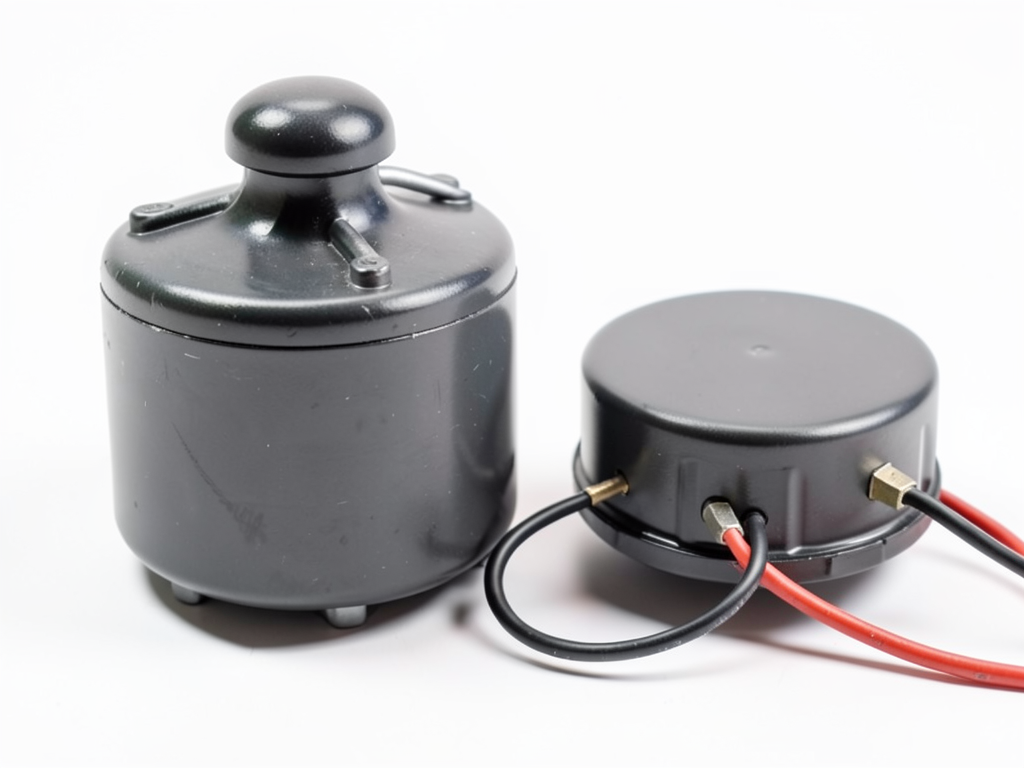
Your AC unit suddenly stops working on a 95-degree afternoon in Altamonte Springs. The outdoor fan spins briefly then dies. You hear a faint humming sound from the condenser. These are the classic symptoms of a failing AC capacitor. Before you get stranded in the Orlando heat, here’s how to identify the problem and understand why these components fail so frequently in Central Florida. capacitor safety guidelines.
Quick Checklist: 5 Signs Your Capacitor is Failing
- Humming Noise from Outdoor Unit
The compressor or fan motor tries to start but can’t generate enough torque. You hear a low humming sound but no cooling begins.. Read more about What it means when your Ocoee cooling system starts making a loud clicking sound.
- Intermittent Starting Issues
Your AC starts fine sometimes but fails to start on hot afternoons when the unit works hardest.. Read more about What to do when your AC starts blowing warm air in the middle of a Maitland heatwave.
- Visible Bulging or Leaking
Look at the capacitor inside your outdoor unit. A failing capacitor often bulges at the top or shows oil residue.
- Higher Energy Bills
A struggling capacitor forces the compressor to work harder, drawing more electricity without cooling effectively.
- Unit Age Over 10 Years
Capacitors typically last 10-15 years. In Orlando’s heat, they often fail closer to the 10-year mark.
What Does a Bad AC Capacitor Sound Like?
When you stand next to your outdoor condenser and hear a distinct humming sound without the fan spinning, you’re hearing the motor attempting to start without sufficient electrical boost. The sound resembles a low electrical buzz or a clicking noise as the motor repeatedly tries to engage. This happens because the capacitor provides the initial jolt of electricity needed to start the motor. Without it, the motor hums but can’t overcome inertia to begin spinning.
Visual Indicators: What to Look For
Before opening any electrical components, locate your outdoor condenser unit. The capacitor is typically a cylindrical metal canister with wires connected to the top. A healthy capacitor appears flat on top with no visible damage. A failing capacitor shows several warning signs:
Bulging Top: The metal top pushes outward like a mushroom cap. This happens when internal pressure builds from electrolyte breakdown.
Oil Leaks: Small puddles or residue around the base indicate electrolyte leakage. The capacitor contains oil that helps with heat dissipation.
Rusted Terminals: Corrosion on the wire connection points suggests age and potential internal damage.
Burned Marks: Black or brown discoloration on the metal casing indicates electrical arcing.
Warning: Never touch a capacitor directly. Even disconnected capacitors can hold dangerous electrical charges for days.
The ‘Fan Spin’ Test: A Safe Diagnostic Step
Homeowners can perform a simple test to confirm capacitor issues. Turn off your AC at the thermostat for 5 minutes. Then, using a long plastic stick or screwdriver, gently push one of the fan blades to start it spinning. If the fan continues running on its own, your capacitor likely needs replacement. This works because once the fan gains momentum, it can continue running without the capacitor’s initial boost.
Important: This test only works for fan motors. The compressor requires a capacitor to start and cannot be tested this way. Also, never insert anything into the unit while it’s running or while standing in water.
Why Orlando Heat Kills Capacitors Faster
Central Florida’s extreme climate creates perfect conditions for capacitor failure. Orlando experiences an average of 75 days above 90°F each year. When outdoor temperatures hit 95°F, the internal temperature of your AC condenser can reach 150°F or higher. This extreme heat accelerates the chemical breakdown of the dielectric material inside capacitors. How to choose a central air replacement that handles the Dr. Phillips humidity.
Additionally, Orlando’s high humidity (average 74% year-round) creates condensation that can corrode electrical connections. The constant thermal cycling – cooling at night then heating during the day – causes expansion and contraction that weakens solder joints and capacitor seals.
Florida Power & Light reports that Central Florida experiences more power surges than most regions due to frequent lightning strikes. Each voltage spike stresses capacitors, gradually degrading their ability to store and release electrical charge.
Safety Warning: Why DIY is Dangerous
AC capacitors store electrical energy even when the power is off. A typical dual-run capacitor for a residential AC unit can hold up to 400 volts. This charge can deliver a painful or dangerous shock even weeks after disconnection.
Professional technicians use a specialized resistor to safely discharge capacitors before handling them. They also test capacitance levels with a multimeter to verify if replacement is truly needed. Incorrect capacitor replacement can damage your compressor, which costs 5-10 times more to replace than a capacitor. Professional duct cleaning services for historic homes in Thornton Park.
According to the National Electrical Code (NEC Article 440), HVAC capacitors must be properly rated for the specific motor they serve. Using an incorrect microfarad rating can cause motor overheating and premature failure.
Start vs. Run Capacitors: Understanding the Difference
Most residential AC units use dual capacitors that serve both functions. The start capacitor provides the initial burst of energy to get the compressor or fan motor moving. The run capacitor maintains a consistent electrical phase to keep the motor running efficiently.
Start capacitors are typically larger and provide a higher microfarad rating (often 100-300 µF) for a brief moment. Run capacitors are smaller (typically 5-80 µF) but operate continuously. When either fails, your AC may struggle to start or run inefficiently.
Dual capacitors combine both functions in one unit, which is why they’re so common in Orlando homes. They’re more convenient but if one side fails, you often need to replace the entire unit.
When to Call for Professional Help
Call (321) 463-7979 immediately if you notice:
- Humming sounds from your outdoor unit with no fan movement
- Visible bulging or leaking from the capacitor
- AC won’t start at all on hot days
- Strange burning smells from the condenser
Emergency service is available 24/7 in Altamonte Springs and throughout the Orlando metro area. Don’t wait until your home reaches 85 degrees inside – capacitor failures often cascade into compressor damage if left unrepaired. Fast and affordable AC leak repair in Altamonte Springs.
Preventing Future Capacitor Failures
Regular maintenance can extend capacitor life significantly. Annual AC tune-ups include checking capacitor performance and cleaning components that help with heat dissipation. Technicians can also install surge protectors specifically designed for HVAC equipment to guard against voltage spikes.
For homes in Altamonte Springs, we recommend bi-annual maintenance due to the year-round cooling demands. The area’s proximity to Wekiva Springs means slightly higher humidity levels that stress electrical components more than other parts of Orlando.
Cost Considerations in the Orlando Market
Capacitor replacement in Altamonte Springs typically ranges from $150-$300 including parts and labor. The wide range depends on whether you need a standard or hard-start capacitor, and whether your system requires a specialized dual-run capacitor.
Hard-start kits, which help older compressors start more easily in Orlando’s heat, add $75-$150 to the replacement cost but can extend system life by 2-3 years.
Emergency service calls during heat waves may include a premium, but waiting until your compressor fails will cost significantly more – often $1,500-$2,500 for replacement. Emergency Furnace Repair.
Frequently Asked Questions
Can I run my AC with a bad capacitor?
No. A failing capacitor can cause the compressor to overheat and fail completely. The capacitor provides essential voltage regulation that protects expensive components.
How long does capacitor replacement take?
Most capacitor replacements take 30-60 minutes for a qualified technician. Emergency service is available the same day in most Altamonte Springs neighborhoods.
Will a bad capacitor damage my compressor?
Yes. A struggling capacitor forces the compressor to work harder, often leading to overheating and eventual failure. Early replacement prevents costly compressor damage.
How can I tell if my capacitor is still under warranty?
Check your AC unit’s installation date. Capacitors typically have 5-10 year warranties. If your unit is newer than 2016, the capacitor may still be covered.
Take Action Before You’re Stranded
Don’t wait for complete failure. If you’re experiencing any of the symptoms described above, call (321) 463-7979 today. Our technicians carry common capacitor sizes on their trucks and can often replace yours the same day.
Altamonte Springs residents trust our team because we understand the specific challenges of Orlando’s climate. We’ll diagnose the problem accurately, explain your options clearly, and get your cooling system running before the next heat wave hits.
Pick up the phone and call (321) 463-7979 now. Your comfort can’t wait for tomorrow’s cooler temperatures that may never come. For more information, visit FPL surge protection rebates.
{
“@context”: “https://schema.org”,
“@type”: “BlogPosting”,
“headline”: “How to spot a failing AC capacitor before it leaves you stranded in Altamonte Springs”,
“description”: “Learn the 5 warning signs of a bad AC capacitor in Altamonte Springs. Discover why Orlando’s heat kills capacitors faster and when to call (321) 463-7979 for emergency repair.”,
“wordCount”: 1413,
“datePublished”: “2026-06-02T07:44:00.000Z”,
“dateModified”: “2026-06-02T07:44:00.000Z”,
“inLanguage”: “en-US”,
“mainEntityOfPage”: {
“@type”: “WebPage”,
“@id”: “https://summithvacorlando.com”
},
“publisher”: {
“@type”: “LocalBusiness”,
“name”: “Summit HVAC Orlando”,
“url”: “https://summithvacorlando.com”
},
“author”: {
“@type”: “Organization”,
“name”: “Summit HVAC Orlando”,
“url”: “https://summithvacorlando.com”
},
“image”: {
“@type”: “ImageObject”,
“url”: “https://summithvacorlando.com/wp-content/uploads/2026/03/how-to-spot-a-failing-ac-capacitor-before-it-leave-1.png”
}
}
{
“@context”: “https://schema.org”,
“@type”: “HVACBusiness”,
“name”: “Summit HVAC Orlando”,
“url”: “https://summithvacorlando.com”,
“address”: {
“@type”: “PostalAddress”,
“addressLocality”: “Orlando”
},
“areaServed”: {
“@type”: “City”,
“name”: “Orlando”
}
}
{
“@context”: “https://schema.org”,
“@type”: “FAQPage”,
“mainEntity”: [
{
“@type”: “Question”,
“name”: “What Does a Bad AC Capacitor Sound Like?”,
“acceptedAnswer”: {
“@type”: “Answer”,
“text”: “When you stand next to your outdoor condenser and hear a distinct humming sound without the fan spinning, you’re hearing the motor attempting to start without sufficient electrical boost. The sound resembles a low electrical buzz or a clicking noise as the motor repeatedly tries to engage. This happens because the capacitor provides the initial jolt of electricity needed to start the motor. Without it, the motor hums but can’t overcome inertia to begin spinning.”
}
},
{
“@type”: “Question”,
“name”: “Can I run my AC with a bad capacitor?”,
“acceptedAnswer”: {
“@type”: “Answer”,
“text”: “No. A failing capacitor can cause the compressor to overheat and fail completely. The capacitor provides essential voltage regulation that protects expensive components.”
}
},
{
“@type”: “Question”,
“name”: “How long does capacitor replacement take?”,
“acceptedAnswer”: {
“@type”: “Answer”,
“text”: “Most capacitor replacements take 30-60 minutes for a qualified technician. Emergency service is available the same day in most Altamonte Springs neighborhoods.”
}
},
{
“@type”: “Question”,
“name”: “Will a bad capacitor damage my compressor?”,
“acceptedAnswer”: {
“@type”: “Answer”,
“text”: “Yes. A struggling capacitor forces the compressor to work harder, often leading to overheating and eventual failure. Early replacement prevents costly compressor damage.”
}
},
{
“@type”: “Question”,
“name”: “How can I tell if my capacitor is still under warranty?”,
“acceptedAnswer”: {
“@type”: “Answer”,
“text”: “Check your AC unit’s installation date. Capacitors typically have 5-10 year warranties. If your unit is newer than 2016, the capacitor may still be covered.”
}
}
]
}
{
“@context”: “https://schema.org”,
“@type”: “HowTo”,
“name”: “Diagnosing AC Capacitor Failure”,
“step”: [
{
“@type”: “HowToStep”,
“position”: 1,
“name”: “Humming Noise from Outdoor Unit”,
“text”: “The compressor or fan motor tries to start but can’t generate enough torque. You hear a low humming sound but no cooling begins.”
},
{
“@type”: “HowToStep”,
“position”: 2,
“name”: “Intermittent Starting Issues”,
“text”: “Your AC starts fine sometimes but fails to start on hot afternoons when the unit works hardest.”
},
{
“@type”: “HowToStep”,
“position”: 3,
“name”: “Visible Bulging or Leaking”,
“text”: “Look at the capacitor inside your outdoor unit. A failing capacitor often bulges at the top or shows oil residue.”
},
{
“@type”: “HowToStep”,
“position”: 4,
“name”: “Higher Energy Bills”,
“text”: “A struggling capacitor forces the compressor to work harder, drawing more electricity without cooling effectively.”
},
{
“@type”: “HowToStep”,
“position”: 5,
“name”: “Unit Age Over 10 Years”,
“text”: “Capacitors typically last 10-15 years. In Orlando’s heat, they often fail closer to the 10-year mark.”
}
],
“image”: “https://summithvacorlando.com/wp-content/uploads/2026/03/how-to-spot-a-failing-ac-capacitor-before-it-leave-1.png”
}
{
“@context”: “https://schema.org”,
“@type”: “BreadcrumbList”,
“itemListElement”: [
{
“@type”: “ListItem”,
“position”: 1,
“name”: “Home”,
“item”: “https://summithvacorlando.com”
},
{
“@type”: “ListItem”,
“position”: 2,
“name”: “Blog”,
“item”: “https://summithvacorlando.com/blog”
},
{
“@type”: “ListItem”,
“position”: 3,
“name”: “How to spot a failing AC capacitor before it leaves you stranded in Altamonte Springs”
}
]
}
{
“@context”: “https://schema.org”,
“@type”: “Service”,
“serviceType”: “HVAC”,
“provider”: {
“@type”: “LocalBusiness”,
“name”: “Summit HVAC Orlando”,
“url”: “https://summithvacorlando.com”
},
“areaServed”: {
“@type”: “City”,
“name”: “Orlando”
},
“description”: “Learn the 5 warning signs of a bad AC capacitor in Altamonte Springs. Discover why Orlando’s heat kills capacitors faster and when to call (321) 463-7979 for emergency repair.”
}