
The pros and cons of installing a multi-zone HVAC system in your Bay Hill mansion
Multi-zone HVAC systems give you precise control over temperatures in different areas of your home, but they come with significant upfront costs and installation complexities. For Bay Hill mansion owners, these systems can reduce energy bills by 20-30% while eliminating hot and cold spots that plague large Florida homes.
Multi-zone systems use dampers in your ductwork to direct conditioned air only where needed, controlled by separate thermostats for each zone. This technology particularly benefits Bay Hill’s sprawling properties where guest wings sit empty for months while master suites need constant cooling during Orlando’s brutal summers. EPA Section 608 certification requirements.
How multi-zone HVAC systems work in Florida homes
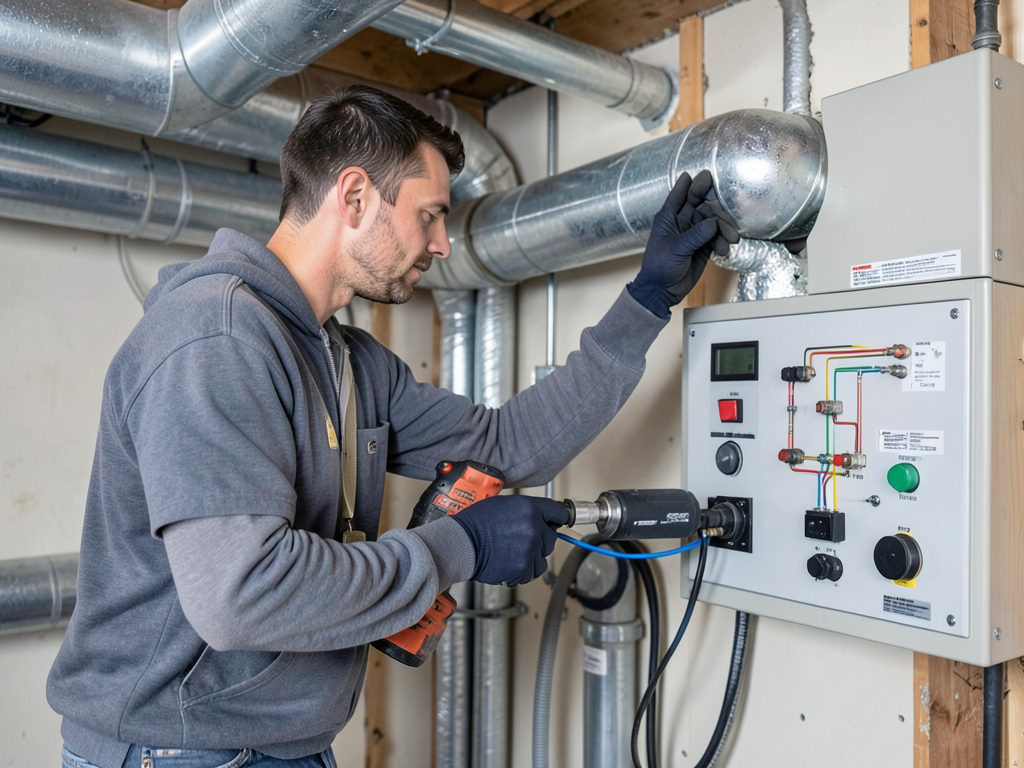
A typical multi-zone setup includes a central air handler connected to electronic dampers that open and close based on thermostat signals. Each zone has its own temperature sensor, allowing the system to cool the west-facing master suite differently from the shaded living room. How to choose a central air replacement that handles the Dr. Phillips humidity.
The control panel acts as the system’s brain, coordinating which zones need conditioning at any given time. Modern systems integrate with smart thermostats like Nest or Ecobee, letting you control zones from your phone whether you’re in Windermere or traveling.
Variable-speed compressors make zoning particularly effective in Orlando’s climate. These units adjust their output based on demand rather than cycling on and off, maintaining consistent humidity levels while using less electricity than single-stage systems.
Top 5 benefits of zoning for Bay Hill properties
- Energy savings: Cooling only occupied zones can reduce monthly utility bills by 20-30%, significant for Bay Hill homes where cooling costs often exceed $400 monthly during peak season.
- Personalized comfort: Family members can set different temperatures in bedrooms, offices, and living areas without compromise.
- Extended equipment life: Reduced runtime means your compressor, blower motor, and other components last longer than in traditional single-zone systems.
- Improved humidity control: Variable-speed operation maintains optimal humidity levels between 45-55%, crucial for preventing mold growth in Florida’s climate.
- Enhanced property value: Energy-efficient upgrades appeal to buyers in the luxury market, potentially increasing resale value.
Bay Hill-specific cooling challenges solved by zoning

Bay Hill’s large, multi-story homes face unique cooling challenges that zoning addresses directly. Second-floor bedrooms often become 5-8 degrees hotter than downstairs living areas due to heat rising and attic heat gain.. Read more about How to keep your Southchase living room cool when you have high vaulted ceilings.
Many Bay Hill properties feature west-facing windows that create solar heat gain in afternoon rooms. A zoned system can cool these areas more aggressively while maintaining comfort in east-facing spaces that receive morning sun.
The area’s mature tree canopy creates microclimates within properties. Rooms under dense shade may need less cooling than those in open areas, something zoning accommodates automatically.
Cost analysis: Is multi-zone worth the investment?
Installing a multi-zone system typically costs $8,000-$15,000 more than a standard single-zone upgrade. However, Bay Hill homeowners often recoup this investment within 4-6 years through energy savings alone.
The break-even timeline depends on your home’s size and occupancy patterns. Properties with frequent guest turnover or home offices benefit most, as these spaces can be cooled independently when occupied.
Local utility rebates through OUC and Duke Energy can offset 10-15% of installation costs for systems meeting SEER2 efficiency standards. Current 2026 rebates offer up to $500 for qualifying multi-zone installations.
Installation considerations for existing Bay Hill homes
Retrofitting zoning into an existing system requires evaluating your current ductwork capacity. Many Bay Hill homes built before 2010 need duct modifications to handle the reduced airflow when dampers close in unused zones.
The installation process typically takes 2-3 days and involves: installing electronic dampers at zone boundaries, running new thermostat wiring, mounting control panels, and programming the system for your home’s specific layout.
Some Bay Hill properties benefit more from ductless mini-split systems rather than zoned ductwork. Mini-splits eliminate duct losses (which can account for 30% of energy use in older homes) and provide individual room control without extensive remodeling.
Technical requirements and building codes
Florida Building Code Section 13 requires all new HVAC installations to meet specific efficiency standards. Multi-zone systems must achieve minimum SEER2 ratings of 15 for cooling and 12 for heating to comply with current 2026 regulations.
Local permitting through Orange County requires HVAC contractors to be licensed under Florida Statute 489. The permit process includes load calculations proving the system can handle your home’s cooling requirements across all zones simultaneously.
Proper refrigerant handling requires EPA Section 608 certification for all technicians. This ensures environmentally responsible installation and prevents the release of refrigerants that contribute to ozone depletion.
Common multi-zone system issues and solutions
Zone dampers can stick if not maintained, causing uneven cooling. Annual maintenance includes lubricating damper motors and checking control board connections to prevent these failures.
Some homeowners report longer cooling cycles with zoned systems as the air handler adjusts to changing duct pressures. This is normal operation and actually extends equipment life by reducing the number of compressor starts.
Smart thermostat compatibility varies by system manufacturer. Most 2026 models support major brands like Nest, Ecobee, and Honeywell, but integration features differ. Some systems offer geofencing to automatically adjust zones when you leave home.
Multi-zone vs. ductless mini-split: Which fits your Bay Hill home?
Ductless systems eliminate ductwork entirely, using wall-mounted units in each zone. They’re ideal for room additions, converted garages, or homes where adding ducts would be prohibitively expensive.
Traditional zoned systems maintain your home’s existing duct layout while adding control. This approach costs less for whole-house applications but requires sufficient duct capacity for proper operation.
Bay Hill’s historic properties often benefit from ductless solutions since adding ducts would damage architectural features. Modern mini-splits can be mounted discreetly and offer superior humidity control for Florida’s climate.
Maintenance requirements for zoned systems
Multi-zone systems require annual professional maintenance including: testing damper operation, checking refrigerant levels across all zones, cleaning condensate drains to prevent clogs, and verifying control board programming. Professional duct cleaning services for historic homes in Thornton Park.
Homeowners should change filters every 60-90 days, more frequently if you have pets or live near Bay Hill’s golf courses where pollen levels are high. Clogged filters reduce system efficiency and can cause zone dampers to malfunction.
Smart thermostats provide diagnostic alerts for issues like zone temperature discrepancies or damper failures. These early warnings help prevent costly repairs by catching problems before they escalate. Fast and affordable AC leak repair in Altamonte Springs.
Energy efficiency and environmental impact
Multi-zone systems reduce carbon emissions by using less electricity than traditional systems. A typical Bay Hill home switching to zoning can prevent 2-3 tons of CO2 emissions annually.
Variable-speed compressors in zoned systems maintain efficiency across different load conditions. Unlike single-stage units that run at full power or not at all, these compressors adjust output to match exact cooling needs.
Energy Star certified zoned systems meet strict efficiency guidelines set by the EPA. Look for systems with SEER2 ratings above 18 for maximum energy savings in Orlando’s climate.
Smart home integration possibilities
Modern zoned systems integrate with whole-home automation platforms. You can set zones to automatically adjust based on occupancy sensors, time schedules, or even weather forecasts from the National Weather Service.
Some systems learn your patterns over time, automatically pre-cooling bedrooms before bedtime or adjusting guest room temperatures based on your calendar. This intelligent operation maximizes both comfort and efficiency.
Voice control through Amazon Alexa or Google Home lets you adjust individual zones without touching a thermostat. This convenience encourages proper system use, leading to better energy management.
Real-world performance data from Bay Hill installations
Local installations show average energy savings of 22% for homes with proper zoning. The most successful implementations occur in properties where homeowners actively manage zone settings based on occupancy patterns.
Humidity control improvements are particularly noticeable in master suites and home offices. These spaces maintain consistent 50% relative humidity levels compared to 60-65% in non-zoned homes during summer months.
Noise levels decrease in zoned systems since the air handler runs at lower speeds more frequently. This creates a quieter home environment, especially beneficial for bedrooms and home theaters.
Making the decision: Is multi-zone right for your mansion?
Consider zoning if your Bay Hill home has: multiple stories with significant temperature differences, large square footage with unused rooms, home offices that need different temperatures than living areas, or frequent guests who stay for extended periods.
The investment makes less sense for smaller homes under 2,500 square feet or properties where all rooms see equal use throughout the day. In these cases, a high-efficiency single-zone system might provide better value.
Professional load calculations determine the exact number of zones needed for optimal performance. Most Bay Hill mansions benefit from 3-5 zones, but some properties require up to 8 separate temperature-controlled areas.
Frequently Asked Questions
How long does multi-zone HVAC installation take?
Most installations require 2-3 days for complete setup, including ductwork modifications, damper installation, and system programming. Complex retrofits may take up to a week.
Can I add zoning to my existing HVAC system?
Yes, most systems can be retrofitted with zoning, though some may need capacity upgrades or duct modifications. A professional assessment determines feasibility and cost.
What’s the typical payback period for multi-zone systems?
Homeowners typically recoup their investment in 4-6 years through energy savings, though this varies based on home size, usage patterns, and local utility rates.
Do zoned systems require special maintenance?
Zoned systems need annual professional maintenance plus regular filter changes. The additional dampers and control components require periodic inspection to ensure proper operation.
Will zoning affect my home’s resale value?
Energy-efficient upgrades like zoning appeal to luxury home buyers and can increase property value. The exact impact depends on your local market and the quality of installation.
Ready to upgrade your Bay Hill home’s comfort?
Multi-zone HVAC systems offer significant benefits for Bay Hill’s large luxury properties, but proper design and installation are crucial for optimal performance. Our NATE-certified technicians understand the unique challenges of Orlando’s climate and can design a system that maximizes both comfort and efficiency.
Call (321) 463-7979 today to schedule your free consultation. We’ll evaluate your home’s layout, discuss your comfort preferences, and provide a detailed proposal showing exactly how zoning can benefit your specific situation. Don’t wait until summer heat makes your current system struggle—take control of your home’s comfort now.
Pick up the phone and call (321) 463-7979 before the next heat wave hits. Your family deserves customized comfort in every room of your Bay Hill mansion. For more information, visit U.S. Department of Energy HVAC efficiency guidelines.