
The real reason your Winter Garden kitchen stays hot while you are cooking
Your kitchen turns into a sauna the moment you start cooking because the heat load from your stove oven and appliances overwhelms your central AC system. In Winter Garden where humidity hovers around 90% your kitchen can feel 10-15 degrees hotter than the rest of your home even with the AC running. This happens because kitchens generate both sensible heat from cooking surfaces and latent heat from steam and moisture creating a thermal load that standard HVAC systems weren’t designed to handle. How to choose a central air replacement that handles the Dr. Phillips humidity.
The combination of Florida’s relentless humidity and the concentrated heat output from kitchen appliances creates a perfect storm for discomfort. Your range hood might be venting steam but without proper makeup air the negative pressure actually pulls hot humid outdoor air into your home through every crack and crevice. Understanding this dynamic is the first step to finding real solutions that go beyond opening windows which simply invites more humidity into your Winter Garden home. Florida Building Code requirements.
Why Winter Garden kitchens face unique cooling challenges
Winter Garden’s subtropical climate creates specific problems for kitchen cooling that homeowners in other regions never experience. The year-round dew point issues mean moisture constantly enters your home through normal air exchange. When you add the heat from cooking you’re not just fighting temperature but also the latent heat load that makes the air feel heavier and more oppressive.
Many Winter Garden homes especially those built before 2010 were constructed with standard insulation and HVAC sizing that doesn’t account for modern open-concept kitchens. These large kitchen spaces with high ceilings and multiple heat-generating appliances require significantly more cooling capacity than a typical bedroom or living room. The result is a kitchen that stays hot while the rest of your home feels comfortable.
Local building patterns also contribute to the problem. Winter Garden’s rapid growth has led to homes with large windows facing west or south creating solar heat gain that compounds the cooking heat. Without proper thermal window films or exterior shading these windows turn your kitchen into a greenhouse during afternoon cooking sessions.
Quick fixes that actually make a difference
Before investing in major HVAC upgrades several simple changes can reduce kitchen heat buildup. Switching to LED lighting eliminates the waste heat from incandescent bulbs that can raise kitchen temperatures by 2-3 degrees. Using your microwave convection oven or Instant Pot instead of the range reduces direct heat output while still preparing meals efficiently.
Strategic window treatments make a surprising difference in Florida kitchens. Cellular shades or thermal curtains can block up to 80% of solar heat gain when cooking during peak sun hours. For Winter Garden homes with large kitchen windows this simple upgrade often reduces the need for additional cooling capacity.
Appliance timing matters more than you might think. Running the dishwasher oven or clothes dryer during cooler morning or evening hours prevents heat buildup during the hottest part of the day. This scheduling approach works particularly well in Winter Garden where afternoon temperatures regularly exceed 90 degrees from May through October.
The critical role of proper ventilation
Your range hood is your first line of defense against kitchen heat but only if it’s properly sized and installed. Florida Building Code requires specific CFM ratings based on your cooktop’s BTU output. For a standard 30000 BTU gas range you need at least 300 CFM of exhaust capacity but in Winter Garden’s humid climate you should consider upsizing to 400-500 CFM to handle the additional moisture load.
Makeup air systems are non-negotiable in modern Florida kitchens. Without them your powerful range hood creates negative pressure that pulls hot humid outdoor air through every available opening. This infiltration can add 5-10 degrees to your kitchen temperature and introduce moisture that your AC must then remove. Building codes now require makeup air systems for hoods over 400 CFM in new construction.
Proper duct design makes the difference between a hood that works and one that just makes noise. Smooth metal ducts with minimal bends and proper termination outside your home ensure maximum airflow. Flexible ducting with multiple turns can reduce your hood’s effective CFM by 30% or more turning a 500 CFM system into something closer to 350 CFM in real-world performance.
Advanced HVAC solutions for kitchen comfort
Zoned cooling systems offer the most effective solution for hot Winter Garden kitchens. By creating a separate zone for your kitchen you can direct additional cooling capacity exactly where needed without overcooling the rest of your home. Modern zone control systems use smart dampers and thermostats to maintain different temperatures in different areas automatically adjusting based on heat load.
Ductless mini-split systems excel in kitchen applications where traditional ductwork isn’t practical. These systems provide targeted cooling without the energy losses associated with central ductwork. A properly sized mini-split can deliver 9000-12000 BTU specifically for your kitchen while your main system handles the rest of your home. This approach eliminates the temperature battles between your cooking area and living spaces.
Variable speed compressors represent the latest advancement in kitchen cooling technology. Unlike single-stage units that run at full capacity or not at all variable speed systems can modulate their output to match exact cooling needs. This precision control means your kitchen stays at a consistent temperature without the temperature swings that occur with traditional systems.
Humidity control as a secondary cooling mechanism
Whole-home dehumidifiers work alongside your AC to make your kitchen feel cooler without lowering the thermostat. By removing excess moisture from the air these systems reduce the apparent temperature allowing you to feel comfortable at higher actual temperatures. In Winter Garden’s humid climate this approach can save 15-20% on cooling costs while improving comfort.
The science behind this comfort improvement involves latent heat removal. Your AC must remove both sensible heat and latent heat from your home. When a dehumidifier handles the latent load your AC can focus on sensible cooling operating more efficiently and maintaining more consistent temperatures throughout your home including the kitchen.
Standalone dehumidifiers can help in kitchens but they require proper drainage and regular maintenance. Units with continuous drainage eliminate the need to empty water tanks but must be connected to a proper drain line. In Winter Garden where humidity levels often exceed 80% a 50-pint dehumidifier can remove enough moisture to noticeably improve kitchen comfort during cooking.
Energy efficiency and cost considerations
Upgrading to high-SEER2 HVAC equipment provides both immediate comfort improvements and long-term energy savings. Modern systems with SEER2 ratings of 16+ use variable speed technology and improved heat exchange designs to deliver more cooling per watt of electricity. In Winter Garden’s cooling-dominated climate these efficiency gains translate directly to lower utility bills.
Duke Energy and OUC offer rebates for energy-efficient HVAC upgrades that can offset 15-25% of installation costs. These programs specifically target high-efficiency equipment and smart thermostats that help manage kitchen heat loads. Checking current rebate availability before scheduling installation can significantly reduce your out-of-pocket expenses.
The return on investment for kitchen-specific cooling solutions varies based on your cooking habits and home design. Homes with frequent cooking large kitchens or west-facing windows typically see faster payback periods. A dedicated kitchen cooling solution often pays for itself within 3-5 years through improved comfort and reduced energy consumption.
Professional assessment and installation considerations
Accurate heat load calculations are essential for proper kitchen cooling system sizing. These calculations must account for all heat sources including appliances solar gain through windows and even body heat from multiple people cooking together. In Winter Garden the high humidity levels mean latent heat removal capacity is just as important as sensible cooling capacity.
Building permits are required for most HVAC modifications in Orange County. The permitting process ensures your new system meets Florida Building Code requirements for ventilation makeup air and energy efficiency. Working with licensed contractors who understand local codes prevents costly mistakes and ensures your system operates as intended. Who to call when your AC stops working at 2 AM in Orlando.
Installation quality directly impacts system performance. Proper refrigerant charging ductwork sealing and airflow balancing determine whether your new system delivers promised comfort levels. In Winter Garden’s demanding climate even small installation errors can lead to significant performance issues and higher energy bills.
Maintenance strategies for optimal performance
Regular filter changes prevent airflow restrictions that reduce cooling efficiency. In Winter Garden’s dusty environment filters should be checked monthly and replaced when visibly dirty. Restricted airflow forces your system to work harder increasing energy consumption and reducing cooling capacity when you need it most during cooking.
Condenser coil cleaning becomes critical in Florida’s salt-air environment. Coastal proximity means Winter Garden condensers accumulate corrosive deposits that reduce heat transfer efficiency. Annual professional cleaning along with keeping vegetation at least 2 feet from outdoor units ensures maximum system performance. Professional duct cleaning services for historic homes in Thornton Park.
Smart thermostat programming helps manage kitchen heat loads automatically. Setting your thermostat to pre-cool your home 30 minutes before typical cooking times and adjusting fan speeds during cooking can maintain more consistent temperatures without manual intervention. Many modern systems learn your patterns and adjust automatically.
Future trends in kitchen cooling technology
Integrated kitchen cooling systems represent the next evolution in home comfort. These systems combine ventilation humidity control and targeted cooling into unified solutions that respond automatically to cooking activities. Sensors detect heat and moisture generation adjusting system operation in real-time to maintain optimal conditions.
Induction cooking technology reduces kitchen heat generation at the source. Unlike gas or traditional electric resistance cooking induction cooktops generate heat directly in the cookware minimizing waste heat in your kitchen. Combined with proper ventilation this technology can reduce kitchen cooling requirements by 30-40%.
Smart home integration allows kitchen cooling systems to communicate with other home systems. Your HVAC can coordinate with window shades lighting and even your refrigerator to optimize energy use while maintaining comfort. These integrated approaches become more sophisticated each year offering better performance with lower energy consumption.
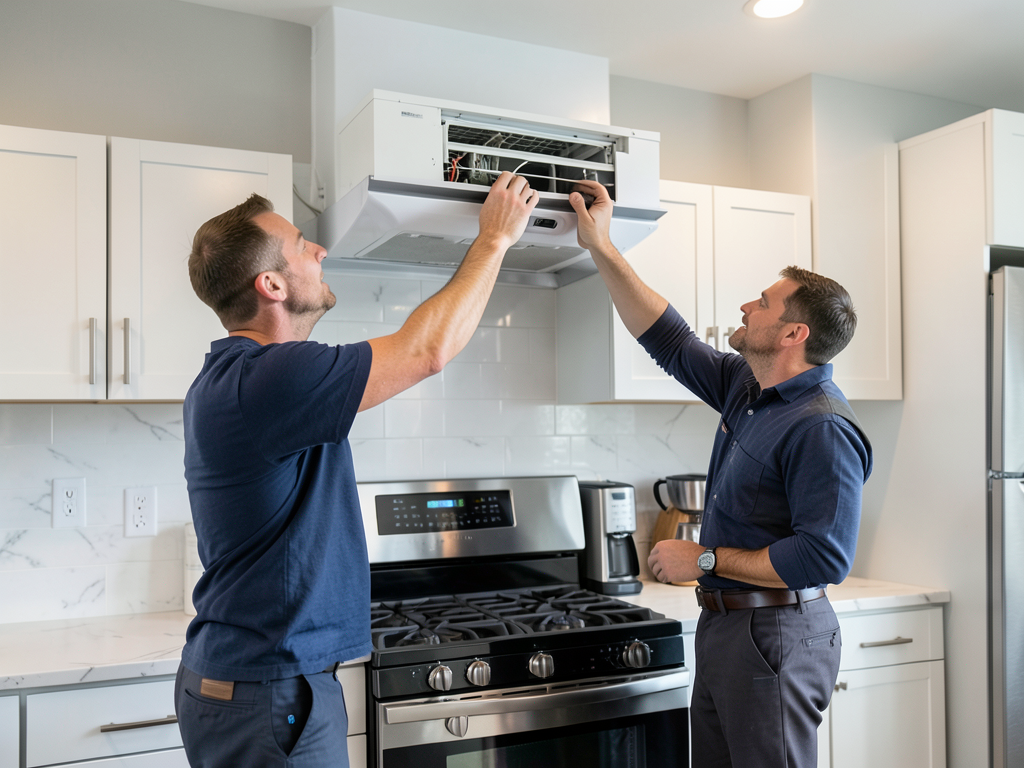
Making the right choice for your Winter Garden home
The best kitchen cooling solution depends on your specific situation cooking habits and budget. Homes with frequent cooking large kitchens or significant solar heat gain benefit most from dedicated cooling systems. For occasional cooks simple ventilation improvements and strategic appliance use might provide sufficient relief.
Professional evaluation helps identify the most cost-effective approach for your situation. A thorough assessment considers your home’s construction cooking patterns and existing HVAC system to recommend solutions that address your specific problems rather than applying generic fixes that might not solve your kitchen heat issues.
The investment in proper kitchen cooling pays dividends beyond comfort. Reduced energy consumption extended HVAC system life and improved indoor air quality all contribute to the value proposition. In Winter Garden’s demanding climate environment where air conditioning runs nearly year-round these benefits compound over time making the right cooling solution a smart long-term investment.
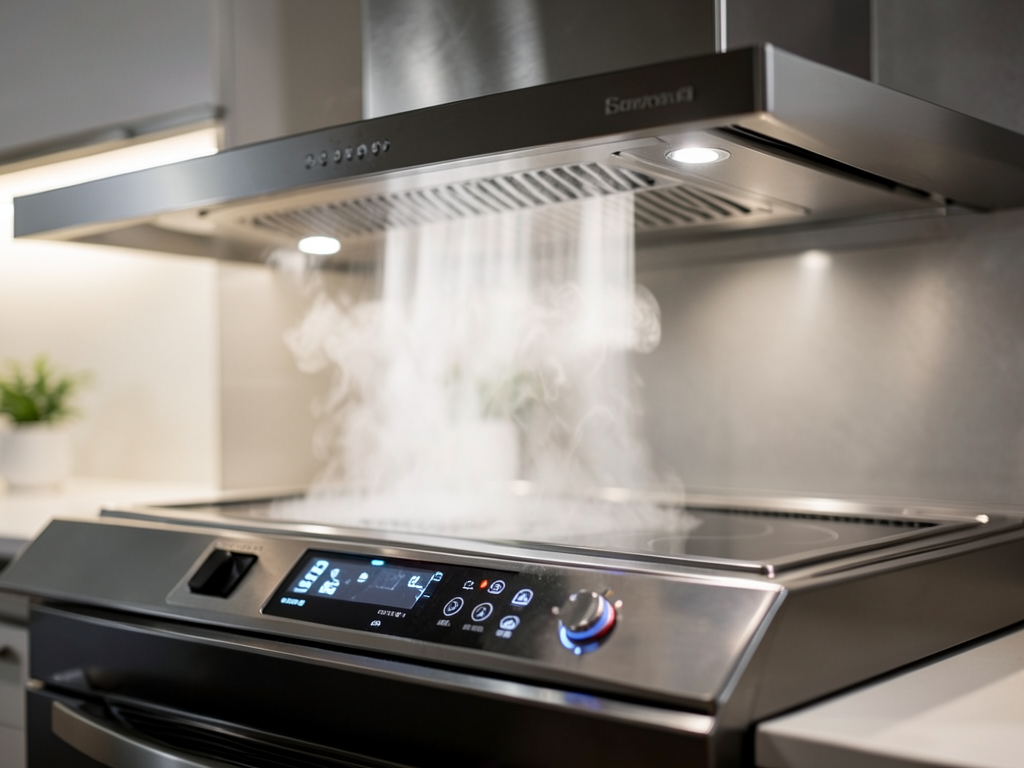
Take control of your kitchen comfort today
Don’t let kitchen heat ruin your cooking experience or drive up your energy bills. Understanding the real causes of kitchen overheating empowers you to make informed decisions about solutions that actually work. Whether you need simple ventilation improvements or a complete cooling system upgrade addressing kitchen heat is essential for comfort in Winter Garden’s challenging climate. Everything you need to know about AC tune-ups in College Park.
Professional assessment can identify the specific factors contributing to your kitchen heat problems and recommend targeted solutions. With proper planning and expert installation you can enjoy comfortable cooking temperatures year-round while potentially reducing your overall energy consumption. The right approach transforms your kitchen from the hottest room in your home to a comfortable space where you actually want to spend time preparing meals.
Frequently Asked Questions
How much does it cost to install a kitchen-specific cooling system in Winter Garden?
Kitchen cooling solutions range from $1500 for improved ventilation to $8000+ for dedicated mini-split systems. The final cost depends on your kitchen size existing infrastructure and chosen solution. Professional assessment helps identify the most cost-effective approach for your specific situation.
Can I just open windows to cool my kitchen while cooking?
Opening windows in Winter Garden typically makes kitchen heat worse by introducing humid outdoor air. This increases both temperature and moisture levels forcing your AC to work harder. Proper mechanical ventilation with makeup air provides better results without the humidity problems.
How do I know if my range hood is properly sized for my kitchen?
Your hood should provide 100 CFM per 10000 BTU of cooktop output plus 50 CFM per linear foot for island installations. In Winter Garden’s humid climate consider oversizing by 20-30% to handle the additional moisture load. Professional assessment ensures proper sizing for your specific situation.
What’s the most energy-efficient way to cool a hot kitchen?
Zoned cooling systems with variable speed compressors offer the best efficiency by directing cooling only where needed. Combining this with whole-home dehumidification allows higher thermostat settings while maintaining comfort. Smart controls optimize operation based on actual heat loads reducing energy consumption.
How long does it take to install a kitchen cooling solution?
Simple ventilation improvements can be completed in a few hours while complete system installations typically require 1-2 days. Mini-split installations may need additional time for electrical work and condensate drainage. Most projects can be scheduled within 1-2 weeks of your initial consultation.
Will improving my kitchen cooling help my whole home’s comfort?
Yes kitchen cooling improvements often benefit your entire home. Reducing heat and moisture from the kitchen decreases the overall cooling load allowing your main system to operate more efficiently. This can lead to more consistent temperatures throughout your home and potentially lower energy bills.
Call (321) 463-7979 today to schedule your kitchen heat assessment. Our Winter Garden HVAC experts will evaluate your specific situation and recommend solutions that actually solve your kitchen cooling problems. Don’t wait until the next cooking session leaves you sweating over the stove. For more information, visit Department of Energy cooling efficiency guidelines.
{
“@context”: “https://schema.org”,
“@type”: “BlogPosting”,
“headline”: “The real reason your Winter Garden kitchen stays hot while you are cooking”,
“description”: “Discover why your Winter Garden kitchen gets unbearably hot when cooking and learn professional HVAC solutions to keep your home cool and comfortable.”,
“wordCount”: 2355,
“datePublished”: “2026-06-06T09:46:00.000Z”,
“dateModified”: “2026-06-06T09:46:00.000Z”,
“inLanguage”: “en-US”,
“mainEntityOfPage”: {
“@type”: “WebPage”,
“@id”: “https://summithvacorlando.com”
},
“publisher”: {
“@type”: “LocalBusiness”,
“name”: “Summit HVAC Orlando”,
“url”: “https://summithvacorlando.com”
},
“author”: {
“@type”: “Organization”,
“name”: “Summit HVAC Orlando”,
“url”: “https://summithvacorlando.com”
},
“image”: {
“@type”: “ImageObject”,
“url”: “https://summithvacorlando.com/wp-content/uploads/2026/03/the-real-reason-your-winter-garden-kitchen-stays-h-1.png”
}
}
{
“@context”: “https://schema.org”,
“@type”: “HVACBusiness”,
“name”: “Summit HVAC Orlando”,
“url”: “https://summithvacorlando.com”,
“address”: {
“@type”: “PostalAddress”,
“addressLocality”: “Orlando”
},
“areaServed”: {
“@type”: “City”,
“name”: “Orlando”
}
}
{
“@context”: “https://schema.org”,
“@type”: “FAQPage”,
“mainEntity”: [
{
“@type”: “Question”,
“name”: “How much does it cost to install a kitchen-specific cooling system in Winter Garden?”,
“acceptedAnswer”: {
“@type”: “Answer”,
“text”: “Kitchen cooling solutions range from $1500 for improved ventilation to $8000+ for dedicated mini-split systems. The final cost depends on your kitchen size existing infrastructure and chosen solution. Professional assessment helps identify the most cost-effective approach for your specific situation.”
}
},
{
“@type”: “Question”,
“name”: “Can I just open windows to cool my kitchen while cooking?”,
“acceptedAnswer”: {
“@type”: “Answer”,
“text”: “Opening windows in Winter Garden typically makes kitchen heat worse by introducing humid outdoor air. This increases both temperature and moisture levels forcing your AC to work harder. Proper mechanical ventilation with makeup air provides better results without the humidity problems.”
}
},
{
“@type”: “Question”,
“name”: “How do I know if my range hood is properly sized for my kitchen?”,
“acceptedAnswer”: {
“@type”: “Answer”,
“text”: “Your hood should provide 100 CFM per 10000 BTU of cooktop output plus 50 CFM per linear foot for island installations. In Winter Garden’s humid climate consider oversizing by 20-30% to handle the additional moisture load. Professional assessment ensures proper sizing for your specific situation.”
}
},
{
“@type”: “Question”,
“name”: “What’s the most energy-efficient way to cool a hot kitchen?”,
“acceptedAnswer”: {
“@type”: “Answer”,
“text”: “Zoned cooling systems with variable speed compressors offer the best efficiency by directing cooling only where needed. Combining this with whole-home dehumidification allows higher thermostat settings while maintaining comfort. Smart controls optimize operation based on actual heat loads reducing energy consumption.”
}
},
{
“@type”: “Question”,
“name”: “How long does it take to install a kitchen cooling solution?”,
“acceptedAnswer”: {
“@type”: “Answer”,
“text”: “Simple ventilation improvements can be completed in a few hours while complete system installations typically require 1-2 days. Mini-split installations may need additional time for electrical work and condensate drainage. Most projects can be scheduled within 1-2 weeks of your initial consultation.”
}
},
{
“@type”: “Question”,
“name”: “Will improving my kitchen cooling help my whole home’s comfort?”,
“acceptedAnswer”: {
“@type”: “Answer”,
“text”: “Yes kitchen cooling improvements often benefit your entire home. Reducing heat and moisture from the kitchen decreases the overall cooling load allowing your main system to operate more efficiently. This can lead to more consistent temperatures throughout your home and potentially lower energy bills.”
}
}
]
}
{
“@context”: “https://schema.org”,
“@type”: “BreadcrumbList”,
“itemListElement”: [
{
“@type”: “ListItem”,
“position”: 1,
“name”: “Home”,
“item”: “https://summithvacorlando.com”
},
{
“@type”: “ListItem”,
“position”: 2,
“name”: “Blog”,
“item”: “https://summithvacorlando.com/blog”
},
{
“@type”: “ListItem”,
“position”: 3,
“name”: “The real reason your Winter Garden kitchen stays hot while you are cooking”
}
]
}
{
“@context”: “https://schema.org”,
“@type”: “Service”,
“serviceType”: “HVAC”,
“provider”: {
“@type”: “LocalBusiness”,
“name”: “Summit HVAC Orlando”,
“url”: “https://summithvacorlando.com”
},
“areaServed”: {
“@type”: “City”,
“name”: “Orlando”
},
“description”: “Discover why your Winter Garden kitchen gets unbearably hot when cooking and learn professional HVAC solutions to keep your home cool and comfortable.”
}