
Your air conditioner’s outdoor unit placement in Avalon Park directly impacts your monthly utility bills. In Orlando’s intense heat and humidity, even a few feet of distance or a bit of shade can make a measurable difference in your system’s efficiency. The right location keeps your condenser cool, improves airflow, and protects your investment from Florida’s harsh conditions. Florida Building Code Section 1620.
Let’s explore the specific factors that matter most for Avalon Park homes and how proper placement can save you money year after year.
Standard clearance requirements: the 12-24-60 rule
Manufacturers and building codes establish minimum clearance distances to ensure proper airflow and heat discharge. For your condenser unit, these measurements matter more in Florida’s heat:
Side clearance: At least 12 inches from walls, fences, or other obstructions. This allows air to circulate around the unit and prevents heat buildup.
Front clearance: A minimum of 24 inches from any obstruction to the air intake. Your condenser needs this space to pull in air efficiently.
Top clearance: At least 60 inches of vertical space above the unit. Heat rises, and your condenser needs room to expel it without recirculation.
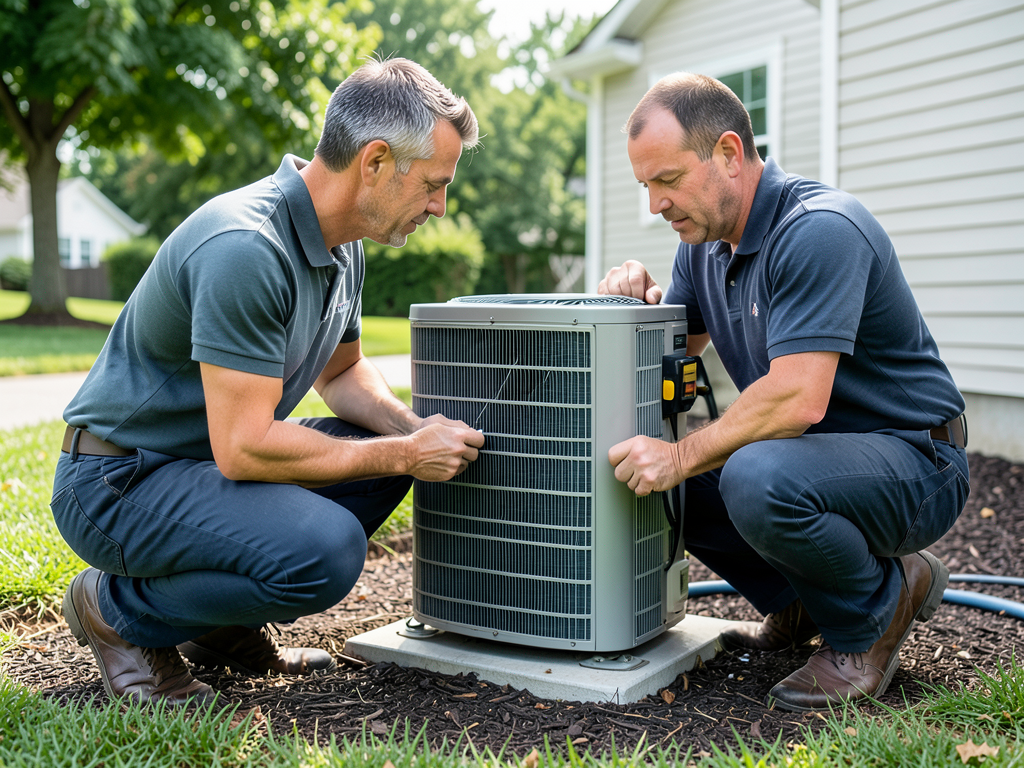
These clearances prevent the unit from recycling its own hot exhaust air, which forces it to work harder and consume more electricity. In Avalon Park’s tight lot layouts, planning these distances during installation prevents costly efficiency losses.
Why sun exposure matters in Central Florida
Direct sunlight on your condenser can increase its operating temperature by 10-25 degrees Fahrenheit. In Avalon Park, where afternoon temperatures often exceed 95 degrees, this heat gain forces your system to run longer cycles.
A shaded unit operates more efficiently because it doesn’t have to work as hard to reject heat. The temperature difference between the refrigerant and the outside air determines how effectively heat transfers from your home to the outdoors.
Strategic shading can improve your system’s efficiency by 2-4 SEER points. For a 16 SEER unit, that could mean operating closer to 18-20 SEER during peak hours, significantly reducing your energy consumption.
Natural shade from trees works best, but maintain at least 24 inches of clearance from foliage to prevent debris buildup and ensure proper airflow.
Airflow and vegetation: protecting your unit from debris
Orlando’s year-round growing season means vegetation around your condenser requires constant attention. Fast-growing plants common in Avalon Park can quickly encroach on required clearances.
Grass clippings, oak leaves, and palm fronds are the most common debris problems. When these materials block the condenser’s fins, airflow decreases and efficiency drops by up to 15%.
Regular maintenance includes trimming vegetation back to maintain clearances and removing debris from the condenser coils. A clean coil can improve efficiency by 5-10% compared to a dirty one.
Consider installing a gravel or mulch barrier around the unit to prevent grass from growing too close and to make debris removal easier.
Florida building codes: hurricane pads and elevation
Florida Building Code Section 1620 requires outdoor HVAC equipment to be secured against hurricane winds. In Avalon Park, this means your condenser needs proper tie-downs and a stable mounting surface.
The code also addresses elevation requirements for flood-prone areas. While Avalon Park sits on higher ground than many Orlando neighborhoods, proper pad elevation prevents water damage during heavy rains.
Concrete pads are standard, but composite pads offer advantages in Florida’s sandy soil. They resist settling better than concrete and provide vibration isolation that can extend compressor life.
Proper pad installation includes a slight tilt away from your home’s foundation to prevent water pooling around the unit.
Noise considerations for you and your neighbors
Modern condensers operate between 70-80 decibels at one foot away. That’s about as loud as a vacuum cleaner. While this seems manageable, sound carries differently in residential areas. Everything you need to know about AC tune-ups in College Park.
Distance reduces noise significantly. At 10 feet away, the sound drops to about 60 decibels. At 20 feet, it’s closer to 50 decibels – a noticeable difference.
Strategic placement can minimize noise impact. Positioning the unit away from bedroom windows and using natural barriers like shrubs can reduce perceived noise by 5-10 decibels.
Newer variable-speed units operate more quietly than single-stage models, especially during startup when older units are loudest.
Common placement mistakes to avoid
Many homeowners don’t realize their condenser is in a suboptimal location until they see higher energy bills. Here are the most common mistakes:
Enclosed spaces: Installing units in alcoves or between buildings traps hot air and reduces efficiency by up to 30%.
Proximity to heat sources: Placing units near dryer vents or kitchen exhaust forces them to work harder against additional heat.
Improper line set length: Refrigerant lines that are too long or have too many bends reduce system efficiency. Keep lines under 75 feet when possible.
Sandy soil settling: Florida’s sandy soil can cause pads to sink over time, creating drainage issues and strain on refrigerant lines.
Avoiding these mistakes during installation or correcting them through relocation can save hundreds of dollars annually.
Refrigerant line set considerations
The distance between your indoor and outdoor units affects system performance. Longer line sets increase refrigerant charge and can reduce efficiency.
For optimal performance, keep line sets under 75 feet. Every additional 10 feet beyond this can reduce efficiency by 1-2%.
Line set routing also matters. Sharp bends create restrictions that force the compressor to work harder. Use gradual curves and minimize the number of fittings.
Proper insulation on refrigerant lines prevents condensation and energy loss. In Florida’s humidity, uninsulated lines can sweat and create moisture problems around your home’s foundation.
Protection from lawn mower debris
Lawn maintenance near your condenser requires careful technique. Grass clippings can clog condenser fins and reduce efficiency by up to 10%.
Always mow with the chute pointing away from the unit. Consider installing a small fence or barrier that allows airflow but blocks debris.
Weed whackers pose another threat. The nylon line can damage the unit’s fins, creating restrictions that reduce efficiency. Keep at least 12 inches of clearance around the entire unit.
Annual professional cleaning removes accumulated debris and restores optimal airflow. This simple maintenance can improve efficiency by 5-15%. Professional duct cleaning services for historic homes in Thornton Park.
Call (321) 463-7979 for a professional site assessment
Don’t let poor condenser placement cost you money every month. Our technicians can evaluate your current setup and recommend improvements that could save you 15-30% on cooling costs.
We understand Avalon Park’s specific challenges – from sandy soil conditions to HOA requirements. Our assessments include checking clearances, evaluating shading, and ensuring your system meets all Florida Building Code requirements.
Call (321) 463-7979 today to schedule your inspection before the next heat wave hits.
Frequently Asked Questions
How much can condenser placement affect my energy bill?
Proper placement can reduce your cooling costs by 15-30% annually. Factors like shade, clearance, and airflow all contribute to efficiency gains that directly impact your utility bills.
Can I move my existing condenser to a better location?
Yes, relocation is possible but requires professional handling of refrigerant lines, electrical connections, and proper pad installation. The cost varies based on distance and complexity, but savings often offset the investment within 2-3 years.
What’s the ideal distance from my house?
Maintain at least 12 inches from walls for side clearance and 24 inches from any obstruction to the front intake. These distances ensure proper airflow and prevent heat recirculation that reduces efficiency.
Does shading really make a difference in Florida?
Absolutely. Shading can improve efficiency by 2-4 SEER points, which translates to 5-15% energy savings during peak cooling months. Natural shade from trees works best, but maintain proper clearances to prevent debris issues. For more information, visit ASHRAE HVAC standards.
{
“@context”: “https://schema.org”,
“@type”: “BlogPosting”,
“headline”: “Why the location of your outdoor unit in Avalon Park matters for your energy bill”,
“description”: “Discover how proper AC condenser placement in Avalon Park affects your energy costs, efficiency, and equipment lifespan in Orlando’s unique climate.”,
“wordCount”: 1289,
“datePublished”: “2026-06-14T15:35:00.000Z”,
“dateModified”: “2026-06-14T15:35:00.000Z”,
“inLanguage”: “en-US”,
“mainEntityOfPage”: {
“@type”: “WebPage”,
“@id”: “https://summithvacorlando.com”
},
“publisher”: {
“@type”: “LocalBusiness”,
“name”: “Summit HVAC Orlando”,
“url”: “https://summithvacorlando.com”
},
“author”: {
“@type”: “Organization”,
“name”: “Summit HVAC Orlando”,
“url”: “https://summithvacorlando.com”
},
“image”: {
“@type”: “ImageObject”,
“url”: “https://summithvacorlando.com/wp-content/uploads/2026/03/why-the-location-of-your-outdoor-unit-in-avalon-pa-1.png”
}
}
{
“@context”: “https://schema.org”,
“@type”: “HVACBusiness”,
“name”: “Summit HVAC Orlando”,
“url”: “https://summithvacorlando.com”,
“address”: {
“@type”: “PostalAddress”,
“addressLocality”: “Orlando”
},
“areaServed”: {
“@type”: “City”,
“name”: “Orlando”
}
}
{
“@context”: “https://schema.org”,
“@type”: “FAQPage”,
“mainEntity”: [
{
“@type”: “Question”,
“name”: “How much can condenser placement affect my energy bill?”,
“acceptedAnswer”: {
“@type”: “Answer”,
“text”: “Proper placement can reduce your cooling costs by 15-30% annually. Factors like shade, clearance, and airflow all contribute to efficiency gains that directly impact your utility bills.”
}
},
{
“@type”: “Question”,
“name”: “Can I move my existing condenser to a better location?”,
“acceptedAnswer”: {
“@type”: “Answer”,
“text”: “Yes, relocation is possible but requires professional handling of refrigerant lines, electrical connections, and proper pad installation. The cost varies based on distance and complexity, but savings often offset the investment within 2-3 years.”
}
},
{
“@type”: “Question”,
“name”: “What’s the ideal distance from my house?”,
“acceptedAnswer”: {
“@type”: “Answer”,
“text”: “Maintain at least 12 inches from walls for side clearance and 24 inches from any obstruction to the front intake. These distances ensure proper airflow and prevent heat recirculation that reduces efficiency.”
}
},
{
“@type”: “Question”,
“name”: “Does shading really make a difference in Florida?”,
“acceptedAnswer”: {
“@type”: “Answer”,
“text”: “Absolutely. Shading can improve efficiency by 2-4 SEER points, which translates to 5-15% energy savings during peak cooling months. Natural shade from trees works best, but maintain proper clearances to prevent debris issues. For more information, visit ASHRAE HVAC standards.”
}
}
]
}
{
“@context”: “https://schema.org”,
“@type”: “BreadcrumbList”,
“itemListElement”: [
{
“@type”: “ListItem”,
“position”: 1,
“name”: “Home”,
“item”: “https://summithvacorlando.com”
},
{
“@type”: “ListItem”,
“position”: 2,
“name”: “Blog”,
“item”: “https://summithvacorlando.com/blog”
},
{
“@type”: “ListItem”,
“position”: 3,
“name”: “Why the location of your outdoor unit in Avalon Park matters for your energy bill”
}
]
}
{
“@context”: “https://schema.org”,
“@type”: “Service”,
“serviceType”: “HVAC”,
“provider”: {
“@type”: “LocalBusiness”,
“name”: “Summit HVAC Orlando”,
“url”: “https://summithvacorlando.com”
},
“areaServed”: {
“@type”: “City”,
“name”: “Orlando”
},
“description”: “Discover how proper AC condenser placement in Avalon Park affects your energy costs, efficiency, and equipment lifespan in Orlando’s unique climate.”
}