
Your Dr. Phillips home gym turns into a sauna faster than you think. Standard central air conditioning wasn’t built to handle the concentrated heat, humidity, and CO2 from intense workouts. Florida’s year-round high dew points make this problem worse, creating conditions where mold grows, rubber flooring off-gasses VOCs, and your equipment suffers. The air quality in a sealed workout space directly impacts your performance and health. You need dedicated ventilation that can handle the unique load of a home gym, not just recycled air from the rest of your house. How to choose a central air replacement that handles the Dr. Phillips humidity.
The hidden risks of poor home gym ventilation
Beyond the obvious discomfort, poor ventilation creates real problems. High humidity levels in a closed gym space create perfect conditions for mold growth on walls, ceilings, and equipment. The rubber flooring common in home gyms releases volatile organic compounds (VOCs) that build up without proper airflow. Your body produces more CO2 during exercise, and without fresh air exchange, you’re breathing recycled air that can cause fatigue and headaches. The heat load from exercise equipment adds to the strain on your HVAC system. These issues compound in Dr. Phillips where the average humidity stays above 70% year-round.
Call (321) 463-7979 today to schedule your inspection.
Tiered ventilation solutions for Dr. Phillips home gyms
Different ventilation approaches work for different budgets and gym setups. Understanding the options helps you make the right choice for your space and workout intensity.
Passive ventilation: windows and vents
Opening windows sounds simple but creates problems in Orlando’s climate. During summer months, opening a window can pull in air with 85% relative humidity, making your gym feel worse. This approach works best during cooler months or if your gym has excellent cross-ventilation. Vents in exterior walls provide minimal airflow and don’t address humidity control. These methods cost little but provide limited benefit in Florida’s heat.
Mechanical ventilation: exhaust fans and ERVs
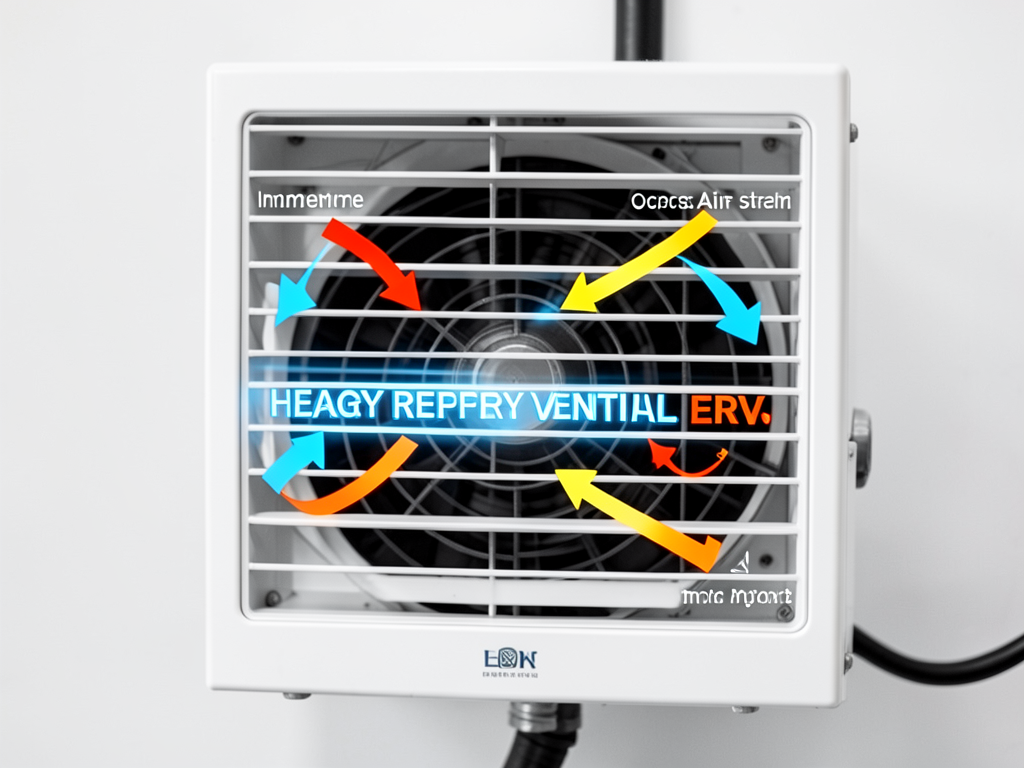
Exhaust fans remove stale air but don’t bring in conditioned replacement air. This creates negative pressure that can pull conditioned air from other parts of your home. Energy Recovery Ventilators (ERVs) solve this by exchanging heat and moisture between incoming and outgoing air streams. An ERV maintains temperature while removing humidity and VOCs. These systems meet ASHRAE 62.2 standards for indoor air quality but require professional installation to work correctly in Florida’s climate. ASHRAE 62.2 ventilation standards.
Climate control: mini-splits and dedicated dehumidifiers
Ductless mini-split systems provide the most effective solution for home gyms. These units cool and dehumidify independently of your home’s central system. A 12,000 BTU mini-split handles most 200-300 square foot home gyms. The variable speed compressor adjusts to workout intensity, running efficiently when you’re not exercising. Dedicated dehumidifiers remove 30-70 pints of moisture daily but don’t cool the air. For maximum control, combine a mini-split with a dehumidifier during Florida’s wettest months.
The Orlando factor: managing high dew points
Orlando’s climate creates unique challenges for home gym ventilation. The average dew point stays between 65-70°F for eight months of the year. When outdoor air temperature drops below this dew point, condensation forms on cool surfaces. Your gym’s air conditioning system creates these cool surfaces. Without proper humidity control, you’ll see condensation on equipment, windows, and even walls. This moisture feeds mold growth and damages electronics. Energy Recovery Ventilators become essential because they precondition incoming air, removing much of the moisture before it enters your space. Standard ventilation that works in drier climates fails here.
Professional calculation: how much airflow do you need?
Proper ventilation requires calculating your gym’s specific needs. The basic formula starts with your gym’s cubic footage. For a 200 square foot gym with 10-foot ceilings, you have 2,000 cubic feet. During intense exercise, you need 6-8 air changes per hour. That’s 12,000-16,000 cubic feet per hour, or 200-267 CFM. Add 50% more capacity if you use rubber flooring or have multiple occupants. For dehumidification, calculate 1.5 pints per hour per 1,000 BTU of cooling capacity. A 12,000 BTU mini-split needs to remove about 18 pints of moisture per hour during peak use. These numbers ensure your system keeps up with the heat and humidity your workouts generate. Everything you need to know about AC tune-ups in College Park.
Local case study: garage gym conversion in Bay Hill
A Bay Hill homeowner converted their three-car garage into a 400 square foot home gym last summer. The space had no existing ductwork and faced west, absorbing afternoon heat. Initial attempts with portable AC units failed during July workouts. The solution involved installing a 24,000 BTU ductless mini-split with a dedicated 70-pint dehumidifier. The system maintains 74°F with 50% relative humidity during workouts. Before installation, humidity levels exceeded 80% within 30 minutes of exercise. Post-installation testing showed consistent 50% humidity even during hour-long high-intensity sessions. The total project cost $4,800 but eliminated mold concerns and improved workout comfort significantly.
Comparing ventilation solutions: cost vs. benefit
| Solution Type | Initial Cost | Monthly Operating Cost | Humidity Control | Best For |
|---|---|---|---|---|
| Windows/Vents | $0-200 | $0 | Poor | Occasional use, mild months |
| Exhaust Fan | $300-600 | $15-25 | Fair | Light workouts, budget option |
| ERV System | $1,800-3,500 | $30-45 | Good | Year-round use, energy efficiency |
| Ductless Mini-Split | $2,500-5,000 | $40-75 | Excellent | Intense workouts, Florida climate |
| Mini-Split + Dehumidifier | $3,500-7,000 | $60-100 | Superior | Large spaces, professional use |
Installation considerations for Dr. Phillips homes
Dr. Phillips homes often feature Mediterranean and Spanish Colonial architecture with tile roofs and stucco exteriors. These designs affect ventilation installation. Roof-mounted equipment requires hurricane tie-downs per Florida Building Code. Exterior wall penetrations need proper flashing to prevent water intrusion during storms. Many Dr. Phillips homes have limited attic space, making ductless mini-splits ideal since they don’t require extensive ductwork. The sandy soil common in the area means outdoor units need concrete pads to prevent settling. Local building permits are required for electrical work and exterior modifications. Professional installation ensures your system meets all local codes and performs optimally in our climate. Professional duct cleaning services for historic homes in Thornton Park.
Smart home integration for home gym climate control
Modern ventilation systems integrate with smart home technology. Wi-Fi enabled mini-splits allow smartphone control of temperature and fan speed. Motion sensors can trigger ventilation when you enter the gym. Smart thermostats learn your workout schedule and pre-cool the space before you arrive. Humidity sensors can automatically activate dehumidifiers when levels rise above your set point. These integrations save energy by running systems only when needed. Some systems integrate with fitness trackers to adjust ventilation based on workout intensity. The initial setup requires professional programming but provides convenience and efficiency for daily use.
Maintenance requirements for home gym HVAC systems
Ventilation systems in home gyms need more frequent maintenance than standard residential HVAC. The increased dust from rubber flooring and equipment clogs filters faster. Clean or replace filters every 30-45 days instead of every 90 days. Check condensate drains monthly to prevent algae growth that can cause water damage. Inspect outdoor units quarterly for debris buildup, especially after storms. The high humidity means evaporator coils need cleaning twice yearly to prevent mold growth. Professional maintenance includes checking refrigerant levels, which affect both cooling capacity and humidity control. Skipping maintenance reduces efficiency and can lead to system failure during peak summer use.
Energy efficiency and operating costs
Ventilation systems add to your monthly utility costs but proper selection minimizes the impact. Mini-splits with SEER2 ratings of 18+ use less electricity than older central AC systems. Running a dedicated dehumidifier costs $30-50 monthly but prevents the larger expense of mold remediation. ERVs recover 70-80% of the energy from exhaust air, reducing heating and cooling loads. The most efficient approach combines a high-SEER mini-split with an ERV, cutting operating costs by 30-40% compared to separate systems. Local utility OUC offers rebates for high-efficiency HVAC equipment, potentially offsetting 10-15% of installation costs. Calculate your specific costs based on your gym’s size and your workout frequency.
Frequently Asked Questions
Can I use my existing central AC for my home gym?
Standard central AC wasn’t designed for the concentrated heat load of a home gym. While it can provide some cooling, it won’t adequately handle humidity or provide the targeted airflow needed. This often leads to mold growth and equipment strain. A dedicated system works much better.
How do I know what size mini-split I need?
Calculate your gym’s square footage and multiply by 20-25 BTU per square foot for a general estimate. For a 200 square foot gym, that’s 4,000-5,000 BTU minimum. However, Florida’s high humidity means you should add 30-50% capacity. A professional load calculation provides the most accurate sizing.
What’s the difference between an ERV and an HRV?
Energy Recovery Ventilators (ERVs) transfer both heat and moisture between air streams, making them ideal for Florida’s humid climate. Heat Recovery Ventilators (HRVs) only transfer heat, not moisture. In Orlando’s high humidity, HRVs can actually increase indoor moisture levels, making ERVs the better choice.
How much does professional installation cost?
Professional installation for a ductless mini-split in a home gym typically costs $2,500-5,000 depending on the unit size and installation complexity. This includes mounting hardware, electrical work, and proper refrigerant charging. DIY installation often leads to poor performance and voided warranties.
Will ventilation eliminate all gym odors?
Proper ventilation significantly reduces gym odors but won’t eliminate them completely. The combination of adequate airflow, humidity control, and occasional deep cleaning of equipment and flooring provides the best results. Activated carbon filters in your ventilation system can also help capture odor-causing compounds.
Take control of your home gym environment
Your Dr. Phillips home gym deserves ventilation that matches your commitment to fitness. The unique combination of Florida heat, humidity, and the concentrated load from exercise equipment creates conditions that standard HVAC cannot handle. Whether you choose a simple exhaust fan or a complete mini-split system with ERV, proper ventilation protects your investment in equipment, prevents mold growth, and creates a more comfortable workout environment. The right system pays for itself through improved performance, better air quality, and prevented damage to your home and gear.
Don’t let poor ventilation hold back your fitness goals. The subtropical climate of Dr. Phillips demands solutions designed for our specific conditions. Professional assessment ensures you get the right system for your space, workout intensity, and budget. From the initial load calculation to final installation, expert guidance makes the difference between a system that barely works and one that performs flawlessly for years.
Pick up the phone and call (321) 463-7979 before the next storm hits. Summit HVAC Orlando specializes in creating comfortable, healthy workout spaces throughout Dr. Phillips and surrounding areas. Our technicians understand the unique challenges of Florida home gyms and can recommend solutions that actually work in our climate. Schedule your consultation today and breathe easier during every workout. For more information, visit Department of Energy mini-split guide.
You may also find this helpful. The real reason your Winter Garden kitchen stays hot while you are cooking.
{
“@context”: “https://schema.org”,
“@type”: “BlogPosting”,
“headline”: “Why your Dr. Phillips home gym needs better ventilation than the rest of the house”,
“description”: “Dr. Phillips home gyms trap heat and humidity fast. Learn why standard AC fails and what ventilation solutions actually work in Florida’s climate.”,
“wordCount”: 1808,
“datePublished”: “2026-05-31T11:03:00.000Z”,
“dateModified”: “2026-05-31T11:03:00.000Z”,
“inLanguage”: “en-US”,
“mainEntityOfPage”: {
“@type”: “WebPage”,
“@id”: “https://summithvacorlando.com”
},
“publisher”: {
“@type”: “LocalBusiness”,
“name”: “Summit HVAC Orlando”,
“url”: “https://summithvacorlando.com”
},
“author”: {
“@type”: “Organization”,
“name”: “Summit HVAC Orlando”,
“url”: “https://summithvacorlando.com”
},
“image”: {
“@type”: “ImageObject”,
“url”: “https://summithvacorlando.com/wp-content/uploads/2026/03/why-your-dr-phillips-home-gym-needs-better-ventila-1.png”
}
}
{
“@context”: “https://schema.org”,
“@type”: “HVACBusiness”,
“name”: “Summit HVAC Orlando”,
“url”: “https://summithvacorlando.com”,
“address”: {
“@type”: “PostalAddress”,
“addressLocality”: “Orlando”
},
“areaServed”: {
“@type”: “City”,
“name”: “Orlando”
}
}
{
“@context”: “https://schema.org”,
“@type”: “FAQPage”,
“mainEntity”: [
{
“@type”: “Question”,
“name”: “Professional calculation: how much airflow do you need?”,
“acceptedAnswer”: {
“@type”: “Answer”,
“text”: “Proper ventilation requires calculating your gym’s specific needs. The basic formula starts with your gym’s cubic footage. For a 200 square foot gym with 10-foot ceilings, you have 2,000 cubic feet. During intense exercise, you need 6-8 air changes per hour. That’s 12,000-16,000 cubic feet per hour, or 200-267 CFM. Add 50% more capacity if you use rubber flooring or have multiple occupants. For dehumidification, calculate 1.5 pints per hour per 1,000 BTU of cooling capacity. A 12,000 BTU mini-split needs to remove about 18 pints of moisture per hour during peak use. These numbers ensure your system keeps up with the heat and humidity your workouts generate. Everything you need to know about AC tune-ups in College Park.”
}
},
{
“@type”: “Question”,
“name”: “Can I use my existing central AC for my home gym?”,
“acceptedAnswer”: {
“@type”: “Answer”,
“text”: “Standard central AC wasn’t designed for the concentrated heat load of a home gym. While it can provide some cooling, it won’t adequately handle humidity or provide the targeted airflow needed. This often leads to mold growth and equipment strain. A dedicated system works much better.”
}
},
{
“@type”: “Question”,
“name”: “How do I know what size mini-split I need?”,
“acceptedAnswer”: {
“@type”: “Answer”,
“text”: “Calculate your gym’s square footage and multiply by 20-25 BTU per square foot for a general estimate. For a 200 square foot gym, that’s 4,000-5,000 BTU minimum. However, Florida’s high humidity means you should add 30-50% capacity. A professional load calculation provides the most accurate sizing.”
}
},
{
“@type”: “Question”,
“name”: “What’s the difference between an ERV and an HRV?”,
“acceptedAnswer”: {
“@type”: “Answer”,
“text”: “Energy Recovery Ventilators (ERVs) transfer both heat and moisture between air streams, making them ideal for Florida’s humid climate. Heat Recovery Ventilators (HRVs) only transfer heat, not moisture. In Orlando’s high humidity, HRVs can actually increase indoor moisture levels, making ERVs the better choice.”
}
},
{
“@type”: “Question”,
“name”: “How much does professional installation cost?”,
“acceptedAnswer”: {
“@type”: “Answer”,
“text”: “Professional installation for a ductless mini-split in a home gym typically costs $2,500-5,000 depending on the unit size and installation complexity. This includes mounting hardware, electrical work, and proper refrigerant charging. DIY installation often leads to poor performance and voided warranties.”
}
},
{
“@type”: “Question”,
“name”: “Will ventilation eliminate all gym odors?”,
“acceptedAnswer”: {
“@type”: “Answer”,
“text”: “Proper ventilation significantly reduces gym odors but won’t eliminate them completely. The combination of adequate airflow, humidity control, and occasional deep cleaning of equipment and flooring provides the best results. Activated carbon filters in your ventilation system can also help capture odor-causing compounds.”
}
}
]
}
{
“@context”: “https://schema.org”,
“@type”: “BreadcrumbList”,
“itemListElement”: [
{
“@type”: “ListItem”,
“position”: 1,
“name”: “Home”,
“item”: “https://summithvacorlando.com”
},
{
“@type”: “ListItem”,
“position”: 2,
“name”: “Blog”,
“item”: “https://summithvacorlando.com/blog”
},
{
“@type”: “ListItem”,
“position”: 3,
“name”: “Why your Dr. Phillips home gym needs better ventilation than the rest of the house”
}
]
}
{
“@context”: “https://schema.org”,
“@type”: “Service”,
“serviceType”: “HVAC”,
“provider”: {
“@type”: “LocalBusiness”,
“name”: “Summit HVAC Orlando”,
“url”: “https://summithvacorlando.com”
},
“areaServed”: {
“@type”: “City”,
“name”: “Orlando”
},
“description”: “Dr. Phillips home gyms trap heat and humidity fast. Learn why standard AC fails and what ventilation solutions actually work in Florida’s climate.”
}