
Why your St. Cloud home needs both attic insulation and HVAC sealing
Florida’s heat and humidity make your HVAC system work overtime. Many St. Cloud homeowners don’t realize that poor attic insulation and leaky ductwork force their AC to run longer than necessary. When your attic traps heat and your ducts lose conditioned air you’re essentially cooling the outdoors while your energy bills climb. The solution is a whole-home approach that combines proper attic insulation with professional HVAC sealing to create an efficient thermal envelope. Professional duct cleaning services for historic homes in Thornton Park.
St. Cloud homes face unique challenges. The city’s mix of mid-century ranches and newer stucco builds means insulation levels vary widely. Many homes built before the 2000s have minimal attic insulation often just 3-4 inches of fiberglass batt instead of the current Florida Building Code recommendation of R-38 to R-60. Combine that with ductwork running through unconditioned attic spaces and you have a recipe for energy waste. Hot attic air infiltrates your ducts and your AC works harder to maintain comfortable temperatures. The result is higher utility bills uneven cooling and premature system wear.
The good news is that addressing both issues together delivers maximum benefit. Professional HVAC sealing stops conditioned air from escaping through duct leaks gaps and poor connections. Proper attic insulation prevents heat transfer through your ceiling keeping your living space cooler. When these systems work together your AC cycles less frequently maintains consistent temperatures and lasts longer. Many St. Cloud homeowners see 20-30% reductions in cooling costs after completing both upgrades. Who to call when your AC stops working at 2 AM in Orlando.
Understanding attic insulation requirements for St. Cloud homes
Florida’s climate zone 2 requires specific insulation performance. The Florida Building Code mandates minimum R-values based on your home’s construction and location. For most St. Cloud homes R-38 represents the baseline for attic insulation though R-49 to R-60 provides optimal performance in our hot climate. These numbers indicate resistance to heat flow – the higher the R-value the better your insulation resists heat transfer.
Many older St. Cloud homes fall far short of these standards. A typical 1980s ranch might have just R-13 insulation in the attic less than half the recommended level. This means heat pours through your ceiling during summer afternoons forcing your AC to run continuously. The problem compounds when ductwork runs through that same hot attic space.
Modern insulation options include blown-in fiberglass spray foam and radiant barriers. Blown-in fiberglass offers excellent value and can be added over existing insulation to reach target R-values. Spray foam provides superior air sealing but costs more. Radiant barriers reflect heat away from your attic reducing heat gain by up to 40% when properly installed. The best choice depends on your home’s construction budget and specific performance goals.
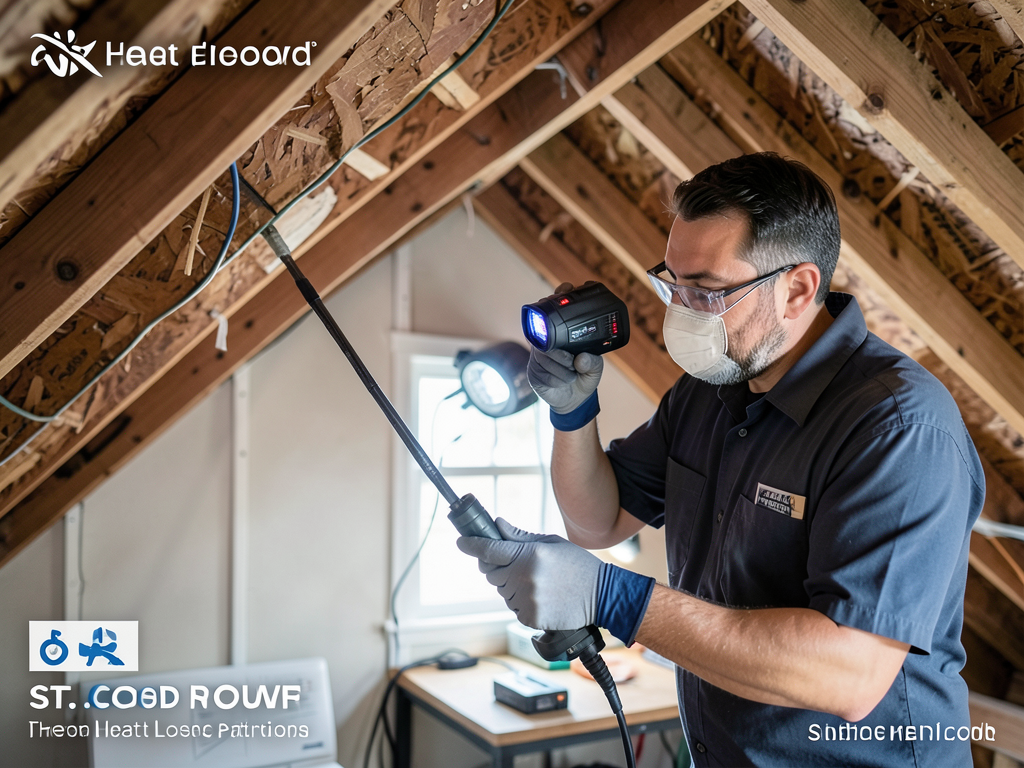
Professional insulation contractors use thermal imaging cameras to identify heat loss patterns in your attic. They’ll measure existing insulation depth check for moisture damage and assess ventilation. Proper attic ventilation works with insulation to prevent heat buildup and moisture problems that can damage your roof structure.
HVAC duct sealing: The hidden energy waster in your attic
Leaky ductwork represents one of the biggest energy wastes in Florida homes. Studies show typical duct systems lose 20-30% of conditioned air through leaks holes and poor connections. In St. Cloud’s hot attics that loss is even more significant because the temperature differential between your cool air and hot attic air is extreme.
Common duct problems include disconnected joints deteriorated seals and damage from pests or maintenance workers. You might hear whistling sounds from your vents or notice certain rooms stay warmer than others. These symptoms often indicate duct leaks that allow conditioned air to escape before reaching your living space.
Professional duct sealing uses specialized equipment to pressurize your duct system and identify leak locations. Technicians apply mastic sealant or metal tape to joints and connections. For severe cases they might recommend duct replacement especially if your existing ducts are old damaged or poorly designed for your home’s layout.
The process typically takes one to two days for an average home. Technicians seal all accessible ductwork including boots elbows and connections to your air handler. They also check for proper insulation on ducts running through unconditioned spaces. Sealed and insulated ducts maintain air temperature better reducing the workload on your AC system.
The science behind HVAC and insulation synergy
When attic insulation and HVAC sealing work together they create a complete thermal envelope that dramatically improves efficiency. Think of your home as a refrigerator – if you leave the door open the compressor runs constantly trying to cool the kitchen. Similarly when your attic leaks heat into your living space and your ducts leak cool air into the attic your AC runs continuously without achieving comfortable temperatures.
This synergy prevents a phenomenon called short-cycling. When your AC cools the attic instead of your home it reaches the thermostat’s temperature quickly shuts off then restarts soon after as the actual living space warms up. This constant cycling wastes energy and stresses system components. Proper insulation and sealing allow your AC to run longer more efficient cycles that maintain steady temperatures.
The humidity control benefit is equally important in St. Cloud. Your AC removes moisture from the air as it cools. When the system runs properly sized cycles it effectively dehumidifies your home. Short cycling leaves humidity levels high making your home feel warmer and promoting mold growth. The combination of good insulation and sealed ducts helps your AC maintain both temperature and humidity at optimal levels.
Energy calculations show that upgrading both systems together provides better ROI than either upgrade alone. While new insulation might reduce heat gain by 30% and duct sealing might reduce losses by 25% combining them often cuts total cooling load by 50% or more. This means you might be able to install a smaller more efficient AC system when replacement time comes.
Common problems in St. Cloud homes that affect efficiency
St. Cloud’s housing stock presents specific challenges. Many homes built in the 1970s and 1980s used minimal insulation by today’s standards. These houses often have 2×4 roof trusses with limited space for insulation making it difficult to achieve recommended R-values without adding layers or using spray foam.
Another common issue is inadequate attic ventilation. Florida homes need proper airflow to prevent heat buildup and moisture problems. Without adequate soffit vents ridge vents or powered attic fans your attic can reach 150°F on summer days. This extreme heat radiates through your ceiling overwhelming even good insulation.
Pest damage affects many St. Cloud attics. Rodents nest in insulation compressing it and creating pathways for air movement. They also damage duct insulation and can chew through flexible ductwork. After pest removal affected insulation often needs replacement to restore proper performance.
Water damage from roof leaks or condensation creates another problem. Wet insulation loses most of its R-value and can promote mold growth. Professional inspections use moisture meters to detect hidden water damage that homeowners might not see. Addressing these issues before adding new insulation ensures your investment performs as intended.
Cost factors and potential savings for St. Cloud homeowners
The investment for attic insulation and HVAC sealing varies based on your home’s size and existing conditions. Basic blown-in fiberglass insulation for an average St. Cloud home costs $1,500 to $3,000 while professional duct sealing runs $800 to $1,500. Combined projects often receive package pricing that reduces the per-service cost.
Energy savings depend on your current efficiency and usage patterns. Homes with severe deficiencies might see 30-40% reductions in cooling costs while those closer to current standards might see 15-20% savings. The average St. Cloud homeowner spends $150-200 monthly on cooling during peak season. A 25% reduction saves $450-600 annually meaning the improvements often pay for themselves within 3-5 years.
Utility rebates make these upgrades more affordable. Duke Energy and OUC offer incentives for both insulation improvements and duct sealing. Current programs provide $200-400 for insulation upgrades meeting specific R-value targets and $150-250 for professional duct sealing. These rebates can reduce your out-of-pocket costs by 20-30%.
Beyond direct energy savings these improvements increase home value and comfort. Buyers increasingly look for energy-efficient features and documentation of insulation and duct sealing upgrades can strengthen your home’s market position. The improved comfort – more consistent temperatures better humidity control and quieter operation – provides immediate quality-of-life benefits.
Choosing the right contractor for your St. Cloud home
Not all contractors approach HVAC and insulation projects the same way. Look for companies with specific experience in Florida’s climate and building codes. They should perform detailed assessments using thermal imaging blower door tests and duct leakage testing to identify your home’s specific issues rather than applying one-size-fits-all solutions.
Verify credentials carefully. In Florida HVAC contractors need state licensing (CAC license) while insulation contractors may need different certifications. Ask about experience with both systems – companies specializing only in HVAC or only in insulation might miss the synergistic benefits of addressing both together.
Request detailed proposals that explain the scope of work materials to be used and expected performance improvements. Quality contractors provide before-and-after assessments showing actual improvements in duct leakage insulation levels and potential energy savings. They should also discuss building code requirements and permit needs for your specific project.
Check references from other St. Cloud homeowners particularly those with similar home styles or age. Ask about the contractor’s cleanup practices timeline adherence and warranty support. Good contractors stand behind their work with written guarantees on both materials and labor.
Maintenance tips to protect your investment
After completing insulation and duct sealing upgrades regular maintenance ensures lasting performance. Schedule annual HVAC inspections to check for new duct leaks clean coils and verify proper refrigerant charge. These checks catch small problems before they become major efficiency losses.
Monitor your attic’s condition annually. Look for signs of moisture pest activity or insulation settling that might reduce performance. Many homeowners add an attic access door insulation kit to prevent conditioned air loss through this often-overlooked area.
Change your air filters regularly – every 30-60 days in Florida’s dusty climate. Clean filters maintain proper airflow preventing your system from working harder than necessary. Consider upgrading to high-efficiency filters if allergies are a concern but verify your system can handle the increased airflow resistance.
Keep vegetation trimmed away from outdoor units to maintain proper airflow. Ensure your condensate drain line stays clear to prevent water damage and humidity problems. These simple steps help your newly efficient system operate at peak performance year after year.
Frequently Asked Questions
How do I know if my St. Cloud home needs better attic insulation?
Signs include high cooling bills uneven temperatures between rooms your AC running constantly during hot weather and snow or ice melting quickly from your roof in winter. A professional energy audit using thermal imaging can identify specific insulation deficiencies in your attic.
Can I add new insulation over old insulation?
Yes in most cases you can add new insulation over existing material if it’s dry and in good condition. However if the old insulation is wet moldy or compressed it should be removed first. A professional assessment determines the best approach for your specific situation.
How long does professional duct sealing take?
Most residential duct sealing projects take one to two days. The process includes testing for leaks sealing accessible ductwork and verifying improvements. Larger homes or those with complex duct systems may require additional time.
Will these improvements qualify for any rebates or tax credits?
Many utility companies offer rebates for both insulation upgrades and duct sealing. Duke Energy and OUC frequently provide incentives that can reduce your costs by hundreds of dollars. Federal tax credits may also be available for energy efficiency improvements – check current IRS guidelines for eligibility.
What’s the difference between R-38 and R-60 insulation?
R-value measures resistance to heat flow – higher numbers mean better insulation. R-38 is the Florida code minimum for most attics while R-60 provides enhanced performance in our hot climate. The difference matters most during peak summer heat when your AC works hardest.
Ready to improve your home’s efficiency?
Don’t let another summer of high energy bills and uncomfortable rooms pass by. The combination of proper attic insulation and professional HVAC sealing can transform your home’s comfort while reducing your utility costs. Our team understands St. Cloud’s specific housing stock and climate challenges and we’ll develop a customized plan for your home.
Call (321) 463-7979 today to schedule your free energy assessment. We’ll evaluate your current insulation levels test your duct system for leaks and provide a detailed proposal showing exactly how these improvements will benefit your home. Our assessments include thermal imaging scans that reveal hidden energy losses most homeowners never see.
Pick up the phone and call (321) 463-7979 before the next heat wave hits. Your home deserves to be comfortable and efficient and we have the expertise to make it happen. Don’t wait until your AC fails on the hottest day of the year – take action now and enjoy lower bills and better comfort all year long.
Learn more about our AC repair services
Read about AC maintenance best practices
Discover humidity control solutions