
Why Your Windermere Wine Cellar Needs Its Own Dedicated Cooling System
Florida’s subtropical climate creates unique challenges for wine collectors in Windermere. Standard air conditioning systems cannot maintain the precise temperature and humidity levels required for proper wine storage. Your valuable collection deserves specialized climate control that addresses Orlando’s year-round humidity and heat. Florida Building Code.
Windermere’s location near the Butler Chain of Lakes means high ambient humidity levels that standard HVAC systems struggle to manage. Without dedicated cooling, your wine collection faces cork drying, label damage, and temperature fluctuations that can ruin even the finest vintages.
How Orlando’s Climate Affects Wine Storage
Windermere experiences humidity levels that regularly exceed 70% during summer months. Standard residential air conditioning typically maintains indoor humidity around 45-55%, which falls below the optimal range for wine storage. This constant battle between your AC system and Florida’s humidity creates unstable conditions.
The area’s sandy soil and high water table also contribute to moisture problems. Many Windermere homes sit on properties where groundwater can affect basement and cellar environments. Without proper vapor barriers and dedicated cooling, moisture seeps into storage areas regardless of how well your main AC performs.
Temperature swings in Central Florida can reach 30 degrees between day and night during spring and fall. These fluctuations stress wine corks and accelerate aging processes. A dedicated wine cellar cooling system maintains consistent temperatures between 55-57°F year-round, protecting your investment from seasonal changes. How to choose a central air replacement that handles the Dr. Phillips humidity.
Types of Wine Cellar Cooling Systems Available
Through-the-wall units represent the most common solution for Windermere wine cellars. These self-contained systems mount through an exterior wall and work well for spaces up to 500 cubic feet. They require minimal construction and provide reliable temperature control without extensive ductwork.
Ductless split systems offer flexibility for larger collections or unusual cellar layouts. The evaporator mounts inside your cellar while the condenser sits outside, connected by refrigerant lines through a small wall penetration. This configuration reduces noise inside the storage area and allows for more precise temperature control.
Ducted cooling systems integrate with your existing ductwork for whole-home climate management. These work best for new construction or major renovations where you can plan the installation during building phases. The system distributes conditioned air through ceiling or wall vents while maintaining the specific humidity levels wine requires.
Self-contained cooling units provide all-in-one solutions for smaller spaces. These compact systems include both evaporator and condenser in a single cabinet, making them ideal for retrofits where exterior wall access is limited. They typically handle spaces up to 350 cubic feet efficiently.
Installation Requirements for Windermere Homes
Proper insulation becomes critical in Windermere’s climate. Wine cellars require R-19 to R-30 insulation in walls and ceilings to maintain stable temperatures. The area’s high humidity demands vapor barriers on all exterior walls to prevent moisture infiltration that could damage labels and promote mold growth.
Condensate management poses unique challenges in Florida. Dedicated wine cooling systems produce significant moisture that must drain properly. Local building codes require condensate drains to terminate at least 12 inches above grade and include traps to prevent air infiltration. Windermere’s sandy soil can shift over time, making proper drain line support essential.
Electrical requirements for wine cooling systems typically include dedicated 115V or 208V circuits depending on unit size. Most installations require GFCI protection due to the proximity to moisture. Local inspectors verify proper grounding and bonding to prevent electrical hazards in these specialized environments.
Vapor barrier installation follows specific protocols in Florida. Building codes mandate continuous vapor barriers with sealed seams and penetrations. In Windermere’s climate, even small gaps can allow significant moisture intrusion. Professional installers use specialized tapes and sealants designed for high-humidity environments. Professional duct cleaning services for historic homes in Thornton Park.
Top Brands and Maintenance Considerations
WhisperKOOL systems dominate the premium market with their quiet operation and reliability. These units feature digital thermostats, automatic defrost cycles, and energy-efficient compressors designed for wine storage. Many Windermere collectors choose WhisperKOOL for their proven performance in Florida’s challenging climate.
Wine Guardian offers commercial-grade solutions for larger collections. Their split systems provide superior humidity control and can handle spaces up to 2,000 cubic feet. The brand’s reputation for durability makes it popular among serious collectors who view their wine as a long-term investment.
CellarPro specializes in through-the-wall units that balance performance with affordability. Their systems include features like charcoal filters to remove odors and UV protection for sensitive wines. The brand’s focus on wine-specific design appeals to collectors who want reliable performance without premium pricing.
Breezaire provides entry-level options for smaller collections. While less feature-rich than premium brands, these units offer reliable temperature control at budget-friendly prices. They work well for collectors just starting to build their collections or those with limited space requirements.
Annual maintenance prevents costly repairs and ensures optimal performance. Professional technicians clean evaporator coils, check refrigerant levels, and verify thermostat accuracy. In Windermere’s climate, condensate drain cleaning becomes particularly important as algae growth can clog lines quickly in warm, humid conditions. EPA heat island effect.
Cost Factors and Energy Efficiency
Installation costs vary based on system type and cellar size. Through-the-wall units typically range from $1,500 to $3,500 installed, while split systems cost $3,000 to $6,000. Ducted systems represent the highest investment at $5,000 to $10,000 but offer superior performance for larger spaces.
Energy consumption depends on insulation quality and ambient conditions. Well-insulated cellars in Windermere use 30-40% less electricity than poorly insulated spaces. Modern wine cooling systems achieve SEER2 ratings of 13-16, making them significantly more efficient than older equipment.
Local utility rebates may offset some installation costs. OUC and Duke Energy occasionally offer incentives for high-efficiency cooling equipment. While specific wine cellar systems rarely qualify, the same energy-saving principles that apply to standard HVAC often extend to specialized cooling applications.
Operating costs typically range from $20 to $80 monthly depending on system size and usage patterns. Windermere’s year-round cooling demands mean continuous operation, but proper insulation and efficient equipment minimize electricity consumption compared to standard air conditioning.
Common Problems and Emergency Repairs
Refrigerant leaks represent the most frequent failure in wine cooling systems. Florida’s high humidity accelerates corrosion on copper lines and fittings. Technicians use electronic leak detectors to locate small leaks before they cause complete system failure. Early detection prevents wine damage from temperature fluctuations.
Condensate drain issues plague many Windermere installations. The area’s sandy soil can shift over time, causing drain lines to separate or develop leaks. Regular inspection catches these problems before water damage occurs to flooring or wine collections. Many failures happen during summer when systems work hardest.
Thermostat malfunctions create dangerous temperature swings. Digital controls can fail due to power surges common during Florida thunderstorms. Backup battery systems and surge protection prevent unexpected shutdowns. Some collectors install secondary monitoring systems that alert them to temperature changes via smartphone apps.
Compressor failures often result from inadequate maintenance or power quality issues. Windermere’s electrical grid experiences occasional voltage fluctuations that stress compressor motors. Quality surge protection and regular maintenance extend equipment life significantly. Most compressors last 8-12 years with proper care.
Emergency repair services prioritize wine cellar issues due to the sensitive nature of stored collections. Many HVAC companies offer 24/7 response for wine cooling emergencies, understanding that temperature excursions can damage thousands of dollars worth of wine within hours. Fast and affordable AC leak repair in Altamonte Springs.
Commercial Wine Storage Solutions
Orlando restaurants and wine bars require different approaches than residential installations. Commercial spaces often need systems capable of handling larger volumes while maintaining precise temperature zones for different wine types. Walk-in coolers with multiple temperature zones serve establishments with diverse wine programs.
Health department regulations affect commercial wine storage design. Local codes require specific temperature monitoring, alarm systems, and documentation for establishments serving wine. Professional installers understand these requirements and design systems that comply while meeting operational needs.. Read more about Why your Dr. Phillips home gym needs better ventilation than the rest of the house.
Energy costs impact commercial operations significantly. High-efficiency systems with smart controls reduce operating expenses while maintaining proper storage conditions. Some establishments use thermal mass cooling strategies, taking advantage of off-peak electricity rates to pre-cool storage areas during lower-cost hours.
Maintenance contracts for commercial wine storage typically include quarterly inspections and priority emergency service. The cost of spoiled wine far exceeds preventive maintenance expenses, making regular service essential for business operations. Many restaurants budget for system replacement every 8-10 years as part of their capital planning. Emergency Furnace Repair.
Frequently Asked Questions
What temperature should my wine cellar maintain?
Ideal storage temperature ranges from 55-57°F for most wines. Red wines tolerate slightly warmer conditions up to 60°F, while white wines benefit from cooler temperatures around 53°F. Consistent temperature matters more than exact degree settings.
How much humidity does my wine cellar need?
Relative humidity should stay between 50-70% for optimal wine storage. This range prevents cork drying while avoiding mold growth. Most wine cooling systems include humidity control features that maintain these levels automatically.
Can I use my regular air conditioner for wine storage?
Standard AC systems cannot maintain the precise temperature and humidity levels wine requires. They typically produce air too cold and dry for proper wine storage. Dedicated wine cooling systems address these specific needs with specialized controls and components.
How long do wine cooling systems last?
Quality wine cooling systems typically last 8-12 years with proper maintenance. Factors affecting lifespan include usage patterns, maintenance quality, and local climate conditions. Windermere’s year-round cooling demands may slightly reduce equipment life compared to cooler climates.
What size cooling system do I need?
System sizing depends on cellar volume, insulation quality, and heat load from lighting and equipment. A general rule suggests 20-30 BTU per cubic foot of storage space. Professional load calculations ensure proper sizing for your specific conditions.
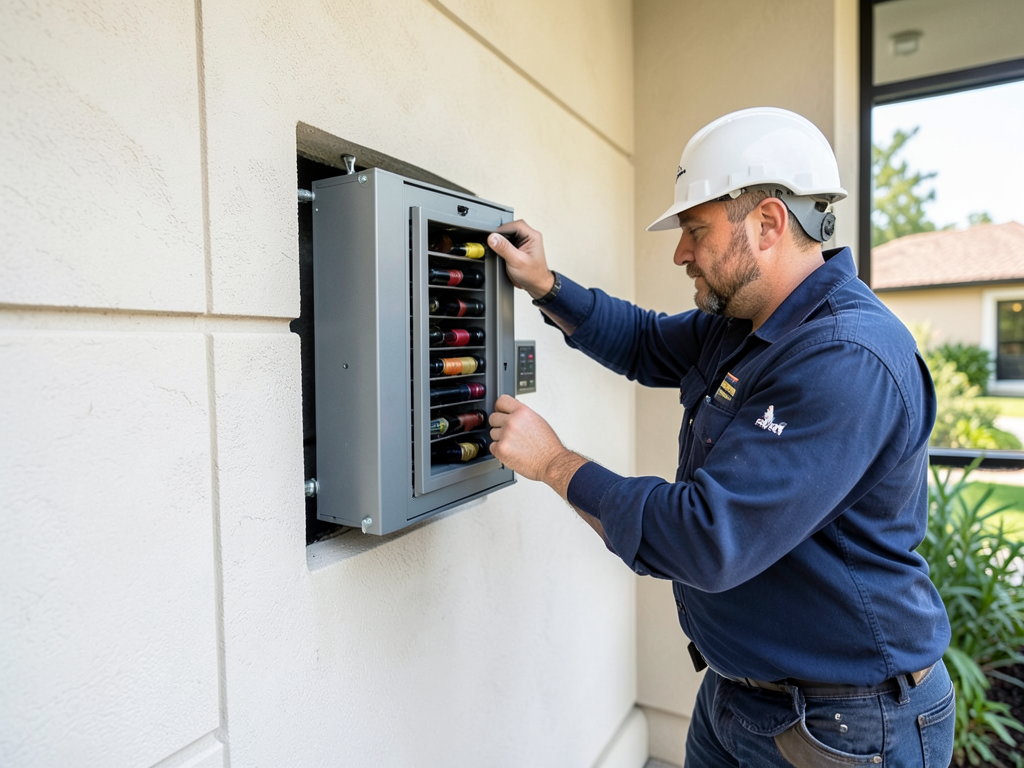
Diagram showing proper wine cellar insulation and vapor barrier installation for Florida’s humid climate.
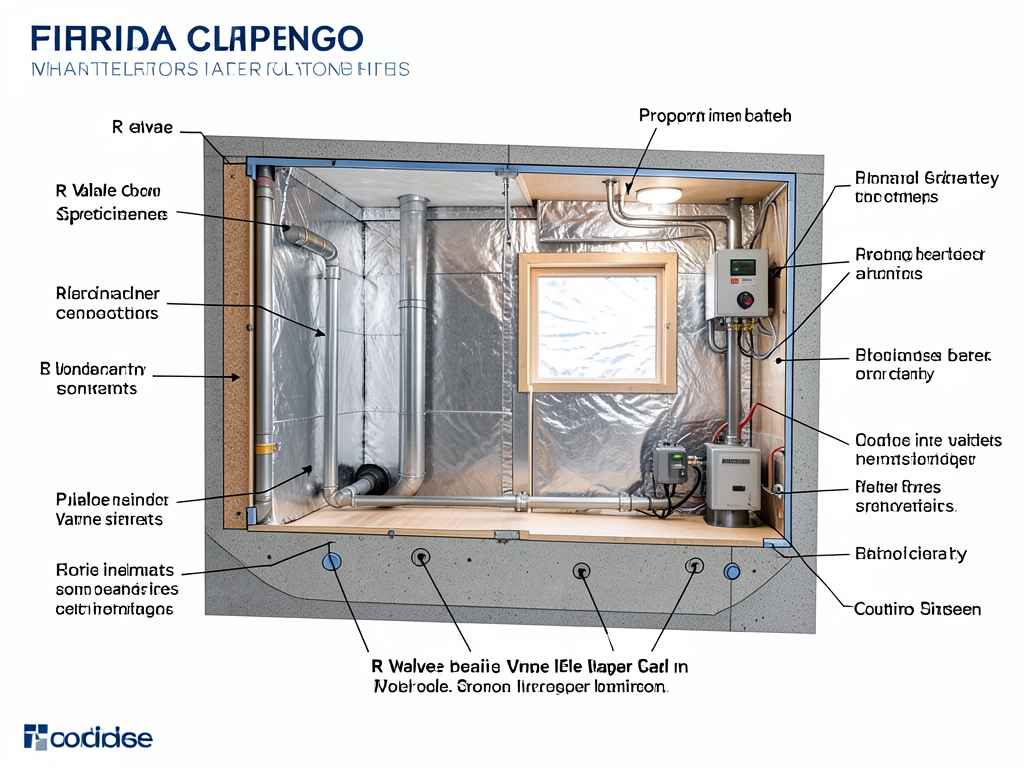
Photo of a through-the-wall wine cooling unit installation in a Windermere home, showing exterior mounting and interior controls.
Technical illustration comparing different wine cooling system types (through-wall, split, ducted) with key components labeled.
Protect Your Wine Collection Today
Your wine collection represents both financial investment and personal passion. Windermere’s challenging climate makes dedicated cooling systems essential for proper storage. Whether you’re protecting a modest collection or a serious investment portfolio, the right cooling system ensures your wines age as intended.
Don’t wait until temperature problems damage your collection. Professional assessment can identify your specific needs and recommend solutions that fit your space and budget. Modern wine cooling technology offers options for every collection size and architectural constraint.
Call (321) 463-7979 today to schedule your wine cellar cooling consultation. Our technicians understand Windermere’s unique climate challenges and can design systems that protect your investment year-round. Quick action prevents costly wine damage and ensures your collection remains in perfect condition for years to come.
Pick up the phone and call (321) 463-7979 before the next heat wave hits. Your wine deserves specialized care that only dedicated cooling systems can provide. Don’t risk your collection to Florida’s unpredictable weather patterns.
{
“@context”: “https://schema.org”,
“@type”: “BlogPosting”,
“headline”: “Why your Windermere wine cellar needs its own dedicated cooling system”,
“description”: “Protect your investment from Florida’s humidity. Learn why standard AC fails and how dedicated wine cellar cooling systems maintain perfect conditions in Windermere.”,
“wordCount”: 1841,
“datePublished”: “2026-06-03T10:45:00.000Z”,
“dateModified”: “2026-06-03T10:45:00.000Z”,
“inLanguage”: “en-US”,
“mainEntityOfPage”: {
“@type”: “WebPage”,
“@id”: “https://summithvacorlando.com”
},
“publisher”: {
“@type”: “LocalBusiness”,
“name”: “Summit HVAC Orlando”,
“url”: “https://summithvacorlando.com”
},
“author”: {
“@type”: “Organization”,
“name”: “Summit HVAC Orlando”,
“url”: “https://summithvacorlando.com”
},
“image”: {
“@type”: “ImageObject”,
“url”: “https://summithvacorlando.com/wp-content/uploads/2026/03/why-your-windermere-wine-cellar-needs-its-own-dedi-1.png”
}
}
{
“@context”: “https://schema.org”,
“@type”: “HVACBusiness”,
“name”: “Summit HVAC Orlando”,
“url”: “https://summithvacorlando.com”,
“address”: {
“@type”: “PostalAddress”,
“addressLocality”: “Orlando”
},
“areaServed”: {
“@type”: “City”,
“name”: “Orlando”
}
}
{
“@context”: “https://schema.org”,
“@type”: “FAQPage”,
“mainEntity”: [
{
“@type”: “Question”,
“name”: “What temperature should my wine cellar maintain?”,
“acceptedAnswer”: {
“@type”: “Answer”,
“text”: “Ideal storage temperature ranges from 55-57°F for most wines. Red wines tolerate slightly warmer conditions up to 60°F, while white wines benefit from cooler temperatures around 53°F. Consistent temperature matters more than exact degree settings.”
}
},
{
“@type”: “Question”,
“name”: “How much humidity does my wine cellar need?”,
“acceptedAnswer”: {
“@type”: “Answer”,
“text”: “Relative humidity should stay between 50-70% for optimal wine storage. This range prevents cork drying while avoiding mold growth. Most wine cooling systems include humidity control features that maintain these levels automatically.”
}
},
{
“@type”: “Question”,
“name”: “Can I use my regular air conditioner for wine storage?”,
“acceptedAnswer”: {
“@type”: “Answer”,
“text”: “Standard AC systems cannot maintain the precise temperature and humidity levels wine requires. They typically produce air too cold and dry for proper wine storage. Dedicated wine cooling systems address these specific needs with specialized controls and components.”
}
},
{
“@type”: “Question”,
“name”: “How long do wine cooling systems last?”,
“acceptedAnswer”: {
“@type”: “Answer”,
“text”: “Quality wine cooling systems typically last 8-12 years with proper maintenance. Factors affecting lifespan include usage patterns, maintenance quality, and local climate conditions. Windermere’s year-round cooling demands may slightly reduce equipment life compared to cooler climates.”
}
},
{
“@type”: “Question”,
“name”: “What size cooling system do I need?”,
“acceptedAnswer”: {
“@type”: “Answer”,
“text”: “System sizing depends on cellar volume, insulation quality, and heat load from lighting and equipment. A general rule suggests 20-30 BTU per cubic foot of storage space. Professional load calculations ensure proper sizing for your specific conditions.”
}
}
]
}
{
“@context”: “https://schema.org”,
“@type”: “BreadcrumbList”,
“itemListElement”: [
{
“@type”: “ListItem”,
“position”: 1,
“name”: “Home”,
“item”: “https://summithvacorlando.com”
},
{
“@type”: “ListItem”,
“position”: 2,
“name”: “Blog”,
“item”: “https://summithvacorlando.com/blog”
},
{
“@type”: “ListItem”,
“position”: 3,
“name”: “Why your Windermere wine cellar needs its own dedicated cooling system”
}
]
}
{
“@context”: “https://schema.org”,
“@type”: “Service”,
“serviceType”: “HVAC”,
“provider”: {
“@type”: “LocalBusiness”,
“name”: “Summit HVAC Orlando”,
“url”: “https://summithvacorlando.com”
},
“areaServed”: {
“@type”: “City”,
“name”: “Orlando”
},
“description”: “Protect your investment from Florida’s humidity. Learn why standard AC fails and how dedicated wine cellar cooling systems maintain perfect conditions in Windermere.”
}