
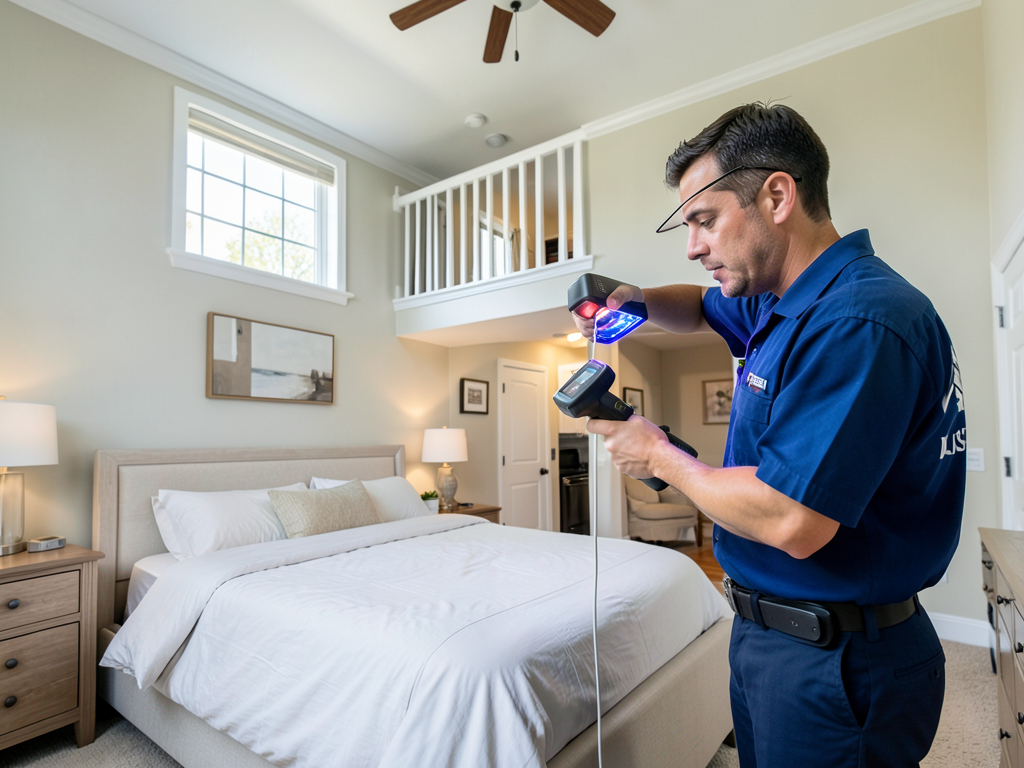
Solving the ‘hot upstairs room’ problem in your two-story Vista Lakes house
Living in a two-story home in Vista Lakes means enjoying spacious living areas and beautiful lake views. But it also means dealing with the frustrating reality of uneven cooling. If your upstairs bedroom or bonus room feels like a sauna while the downstairs stays comfortable, you’re experiencing one of the most common HVAC challenges in Central Florida homes. Florida Building Code Energy Conservation standards.
The problem stems from basic physics and Orlando’s intense climate. Heat rises naturally, and when combined with Florida’s relentless sun beating down on your roof and upstairs windows, it creates a perfect storm of discomfort. Your air conditioning system struggles to push cool air upstairs against both gravity and the thermal load from your Vista Lakes home’s second story.. Read more about The pros and cons of installing a multi-zone HVAC system in your Bay Hill mansion.
Before you resign yourself to sleeping downstairs or running a window unit upstairs, understanding the real causes and solutions can help you restore comfort throughout your entire home. The good news is that most hot upstairs room problems have identifiable causes and effective fixes.
Why your upstairs room stays hot in Vista Lakes
Several factors contribute to upstairs rooms staying hot in Central Florida homes. The most common culprits include inadequate attic insulation, ductwork problems, and improper HVAC sizing. In Vista Lakes, where many homes were built during the housing boom of the 2000s, these issues are particularly prevalent. How to choose a central air replacement that handles the Dr. Phillips humidity.
Your attic acts like an oven during Orlando summers, often reaching temperatures of 130-140 degrees Fahrenheit. Without proper insulation with an R-value of at least R-30 to R-38 (Florida Building Code requirement for Zone 2 climate), that heat radiates directly through your ceiling into upstairs rooms. Many Vista Lakes homes have only the minimum insulation required at construction, which may not be sufficient for today’s energy costs and comfort expectations.. Read more about How to tell if your attic ventilation is making your AC work twice as hard in Mount Plymouth.
Ductwork issues compound the problem. In two-story homes, the longest duct runs are often to upstairs rooms. These ducts can develop leaks, especially at joints and connections. According to the Department of Energy, the average home loses 20-30% of conditioned air through duct leaks. In Vista Lakes’ humid climate, these leaks not only waste energy but also draw in warm, moist air that your AC must then cool and dehumidify. Department of Energy duct efficiency information.
Another factor specific to Vista Lakes and similar Orlando communities is the prevalence of open floor plans with vaulted ceilings. While these designs create beautiful living spaces, they increase the volume of air your HVAC system must condition. A system that barely keeps up on mild days will struggle during Orlando’s scorching summer afternoons when temperatures regularly exceed 95 degrees.
Window orientation also plays a crucial role. South and west-facing windows in your upstairs rooms receive direct sunlight during the hottest parts of the day. Standard windows have a Solar Heat Gain Coefficient (SHGC) of 0.7 or higher, meaning they allow 70% of solar heat to pass through. This creates a significant thermal load that your air conditioning must overcome.
Quick diagnostic tests you can perform today
Before calling for professional help, several simple tests can help identify the source of your upstairs cooling problems. These diagnostic steps take less than 30 minutes and can save you time and money. Professional duct cleaning services for historic homes in Thornton Park.
First, check your air filter. A clogged filter restricts airflow throughout your entire system, but upstairs rooms feel the impact most severely because they’re already at the end of the duct runs. Hold your filter up to a light source. If you can’t see light clearly through it, replace it with a new one. This simple step alone can improve airflow by 10-15%.. Read more about How to pick the best high-efficiency air filter for your pet-friendly Audubon Park bungalow.
Next, examine all supply and return vents in your upstairs rooms. Make sure none are blocked by furniture, curtains, or rugs. Even partially blocked vents force your system to work harder and create pressure imbalances that reduce overall efficiency. Also, check that all vents are fully open – some homeowners mistakenly close vents in unused rooms, thinking it saves energy, but this actually creates system imbalances.. Read more about How smart vents can help balance the temperature in your Laureate Park smart home.
Feel the air coming from your supply vents. It should feel noticeably cooler than the room air, typically 15-20 degrees cooler. If the temperature difference is less than 12 degrees, your system may be low on refrigerant or have other performance issues. This test requires a simple thermometer but provides valuable diagnostic information.. Read more about Should you repair or replace your aging AC unit in Winter Springs?.
Check your thermostat location. If it’s on the first floor in a central hallway, it may not accurately represent upstairs temperatures. Many modern thermostats offer remote sensors that can be placed upstairs for more accurate whole-home temperature management.. Read more about Smart thermostat installation services for tech-savvy homes in Celebration.
Finally, listen for unusual sounds from your HVAC system. Whistling or hissing noises often indicate duct leaks, while rattling could mean loose components or debris in the system. These audible clues can help pinpoint problems before a technician even arrives.
Professional solutions for lasting comfort
When DIY troubleshooting doesn’t solve your hot upstairs room problem, professional solutions can restore comfort and improve energy efficiency. These options range from simple adjustments to comprehensive system upgrades.
Duct sealing represents one of the most cost-effective professional solutions. Using specialized equipment, technicians can identify and seal leaks throughout your duct system. The process, called Aeroseal, involves pressurizing the duct system and injecting a polymer mist that seals leaks from the inside out. This technology can reduce duct leakage by up to 90%, significantly improving both comfort and energy efficiency.
Attic insulation upgrades provide another high-return investment. If your Vista Lakes home has less than R-30 insulation, adding more can dramatically reduce heat transfer through your ceiling. Modern insulation materials like blown-in cellulose or fiberglass can be added without major construction, and the improvement is immediate and measurable.
For homes with persistent hot spots, zoning systems offer a sophisticated solution. These systems use motorized dampers in your ductwork to direct more conditioned air to upstairs areas when needed. Smart zoning controllers can maintain different temperatures on each floor automatically, eliminating the compromise of setting one temperature for your entire home.
Ductless mini-split systems provide another excellent option for bonus rooms or converted spaces that always seem too hot or cold. These systems don’t require ductwork and can heat and cool specific areas independently. They’re particularly effective for rooms over garages or additions where extending existing ductwork isn’t practical.
Sometimes the root cause is simply an undersized or aging HVAC system. Central Florida’s climate has become more extreme in recent years, and systems that were adequate 10-15 years ago may struggle with today’s heat loads. A professional Manual J load calculation can determine if your system is properly sized for your home’s current needs.
The Orlando climate factor
Living in Vista Lakes means dealing with Orlando’s unique climate challenges. Our high humidity levels, often exceeding 90% during summer months, create comfort problems that go beyond simple temperature control. When humidity is high, your body can’t cool itself through evaporation, making 78-degree air feel much warmer than it actually is.
Central Florida’s intense sunlight also creates unique challenges. The same sun that makes our winters pleasant creates brutal heat gain during summer. Homes in Vista Lakes, with their large windows and open designs, are particularly susceptible to solar heat gain. This is why addressing window treatments and attic insulation is so crucial for Orlando homes.
Our climate also affects how HVAC systems operate. Systems must not only cool air but also remove moisture – a process that requires additional energy and affects system sizing. A system that’s too large will cool quickly but won’t run long enough to properly dehumidify, leaving your home feeling clammy and uncomfortable.
Orlando’s occasional cold snaps, while brief, also impact HVAC decisions. Heat pumps, which are common in Florida, lose efficiency as temperatures drop. This means your cooling system must be sized for summer heat while still providing adequate heating during those rare cold mornings.
Cost considerations and ROI
Investing in solutions for your hot upstairs room requires understanding both costs and potential returns. Simple fixes like air filter replacement and vent clearing cost under $50 and can provide immediate improvements. Professional duct cleaning typically ranges from $300-500, while duct sealing with Aeroseal technology costs $1,500-2,500 but can reduce energy bills by 20-30%.
Attic insulation upgrades cost $1-3 per square foot installed, with most Vista Lakes homes needing 1,000-2,000 square feet of coverage. While this represents a $1,000-6,000 investment, the energy savings and improved comfort often pay for themselves within 3-5 years through reduced utility bills.
Zoning systems represent a larger investment at $2,500-4,000 installed, but they provide the most comprehensive solution for multi-story homes. These systems not only solve hot upstairs room problems but also allow for customized comfort throughout your entire home.
Ductless mini-splits cost $3,000-5,000 per zone installed, making them more expensive per unit of cooling than central systems. However, their efficiency, quiet operation, and ability to solve specific problem areas make them an excellent choice for bonus rooms, converted garages, or home additions.
When evaluating costs, consider that energy-efficient upgrades often qualify for utility rebates through Duke Energy or OUC. These rebates can reduce your net cost by 10-30%, improving the return on your investment. Additionally, improved efficiency means lower monthly utility bills, which add up significantly over time.
Maintenance strategies for year-round comfort
Once you’ve solved your hot upstairs room problem, maintaining that comfort requires ongoing attention. Regular maintenance prevents small issues from becoming major problems and ensures your system operates at peak efficiency.
Change air filters every 30-60 days during peak cooling season. In Orlando’s dusty environment, more frequent changes may be necessary if you have pets or live near construction. Clean filters improve airflow, reduce system strain, and maintain indoor air quality.
Keep outdoor condenser units clear of debris, vegetation, and obstructions. These units need at least two feet of clearance on all sides to operate efficiently. In Vista Lakes, where many homes have lush landscaping, this clearance can be easily compromised.
Schedule professional maintenance twice yearly – once before cooling season and once before heating season. These tune-ups include checking refrigerant levels, cleaning coils, inspecting electrical connections, and ensuring all components operate correctly. Professional maintenance can extend system life by 5-10 years and prevent costly breakdowns.
Monitor your energy bills for unexpected increases, which often indicate developing problems. A 15-20% increase in cooling costs without a corresponding weather change suggests your system needs attention.
Consider upgrading to a smart thermostat if you haven’t already. These devices learn your schedule, optimize system operation, and can be controlled remotely. Many utility companies offer rebates for smart thermostat installation, making this upgrade both affordable and beneficial. Fast and affordable AC leak repair in Altamonte Springs.
When to call a professional
While many hot upstairs room issues can be resolved with DIY troubleshooting, certain situations require professional expertise. If you’ve tried the basic fixes and still experience significant temperature differences between floors, it’s time to call an HVAC professional.. Read more about Deciding between a home warranty and an HVAC service agreement in Longwood.
Signs that indicate professional help is needed include inconsistent cooling throughout your home, unusual noises from your system, ice formation on refrigerant lines, or a system that runs constantly without adequately cooling your home. These symptoms often indicate underlying problems that require specialized diagnostic equipment and expertise to resolve.
Professional HVAC technicians use advanced tools like thermal imaging cameras to identify heat loss areas, digital manometers to measure system pressure, and airflow hoods to test individual room performance. These diagnostic tools can pinpoint problems that aren’t visible to the naked eye.
When selecting a professional, look for technicians licensed by the Florida Department of Business and Professional Regulation, EPA certification for refrigerant handling, and experience with the specific challenges of Central Florida homes. Ask about their experience with Vista Lakes and similar communities, as local knowledge can be invaluable in diagnosing and solving comfort problems. Everything you need to know about AC tune-ups in College Park.
Don’t wait until a complete system failure to seek professional help. Addressing comfort issues early often prevents more expensive repairs later and ensures your system operates efficiently throughout Orlando’s long cooling season.
Your path to a comfortable home
Solving your hot upstairs room problem in Vista Lakes requires understanding the unique challenges of Central Florida homes and taking a systematic approach to diagnosis and repair. Whether your solution involves simple maintenance, professional duct sealing, or a comprehensive system upgrade, the investment in comfort and efficiency pays dividends through improved quality of life and reduced energy costs.
Remember that every home is different, and what works for your neighbor might not be the ideal solution for your specific situation. Factors like your home’s construction, orientation, existing system condition, and your family’s comfort preferences all influence the best approach to solving upstairs cooling problems.
The key is taking action rather than suffering through another summer of uncomfortable upstairs rooms. With the right diagnosis and solution, you can enjoy consistent comfort throughout your entire home, regardless of which floor you’re on or how hot it gets outside in Orlando.
Don’t let another season of uncomfortable upstairs temperatures impact your family’s comfort and your home’s energy efficiency. The solutions exist, and professional help is available to guide you through the process of identifying and implementing the right fix for your Vista Lakes home.
Frequently Asked Questions
Why is my upstairs room always hotter than downstairs?
Heat naturally rises, and upstairs rooms in Vista Lakes homes face additional heat gain from attic temperatures that can exceed 130 degrees and direct sunlight through windows. Inadequate insulation, duct leaks, and improper system sizing compound these issues, creating significant temperature differences between floors.
How much does it cost to fix a hot upstairs room?
Costs vary widely depending on the solution. Simple fixes like air filter replacement cost under $50, while professional duct sealing runs $1,500-2,500. Comprehensive solutions like zoning systems cost $2,500-4,000, and attic insulation upgrades run $1-3 per square foot. Most homeowners spend $500-3,000 for effective solutions.
Can I install a window unit to cool my upstairs room?
While window units provide immediate relief, they’re inefficient and can strain your electrical system. They also create security concerns and don’t address the underlying HVAC system issues. Professional solutions like ductless mini-splits or system upgrades provide better long-term results and maintain your home’s aesthetics and security.
How do I know if my HVAC system is properly sized?
A properly sized system should maintain consistent temperatures throughout your home without running constantly. Signs of improper sizing include rooms that are always too hot or cold, systems that short-cycle (turn on and off frequently), or inability to maintain set temperatures on extreme weather days. A Manual J calculation by a professional can verify proper sizing.
Will closing vents in unused rooms help cool my upstairs?
No, closing vents actually creates system imbalances and can reduce overall efficiency. Your HVAC system is designed to move a specific amount of air, and closing vents increases pressure in the ducts, potentially causing leaks and reducing airflow to all rooms. This practice often makes upstairs cooling problems worse.
How often should I have my HVAC system serviced?
Professional maintenance should be performed twice yearly – once before cooling season and once before heating season. This schedule ensures your system operates efficiently during Orlando’s long cooling season and is prepared for occasional cold snaps. Regular maintenance can extend system life by 5-10 years and prevent costly breakdowns.
What’s the best thermostat setting for a two-story home?
For optimal comfort and efficiency, set your thermostat to 78 degrees when home during cooling season. If you have zoning, upstairs areas may need to be 2-3 degrees cooler than downstairs. Using ceiling fans can make rooms feel 4-6 degrees cooler, allowing you to raise thermostat settings while maintaining comfort.
How long do HVAC systems typically last in Orlando?
In Orlando’s demanding climate, air conditioning systems typically last 10-15 years with proper maintenance. Heat pumps may last slightly longer since they provide both heating and cooling. Factors affecting lifespan include maintenance frequency, system sizing, and how well your home is insulated and sealed.
Ready to solve your hot upstairs room problem? Call (321) 463-7979 today to schedule a comprehensive comfort assessment. Our Orlando HVAC experts will diagnose the exact cause of your upstairs cooling issues and recommend proven solutions that restore comfort to your entire home.
Don’t wait until the next heat wave hits. Pick up the phone and call (321) 463-7979 before the next storm hits. Your family deserves consistent comfort throughout your Vista Lakes home, and our team has the expertise to make it happen.
You may also find this helpful. Trane versus Carrier—which AC brand handles the Central Florida heat better?.
You may also find this helpful. Comparing variable speed and single stage cooling for large Heathrow estate homes.