
Why Your Pine Hills Home Smells Like Dirty Socks When the AC Kicks On
That foul, locker-room smell when your air conditioner starts up is not your imagination. You are dealing with Dirty Sock Syndrome, a common HVAC problem in Orlando homes caused by microbial growth on evaporator coils. The humid Central Florida climate makes Pine Hills homes especially vulnerable to this issue. Florida Department of Health indoor air quality resources.
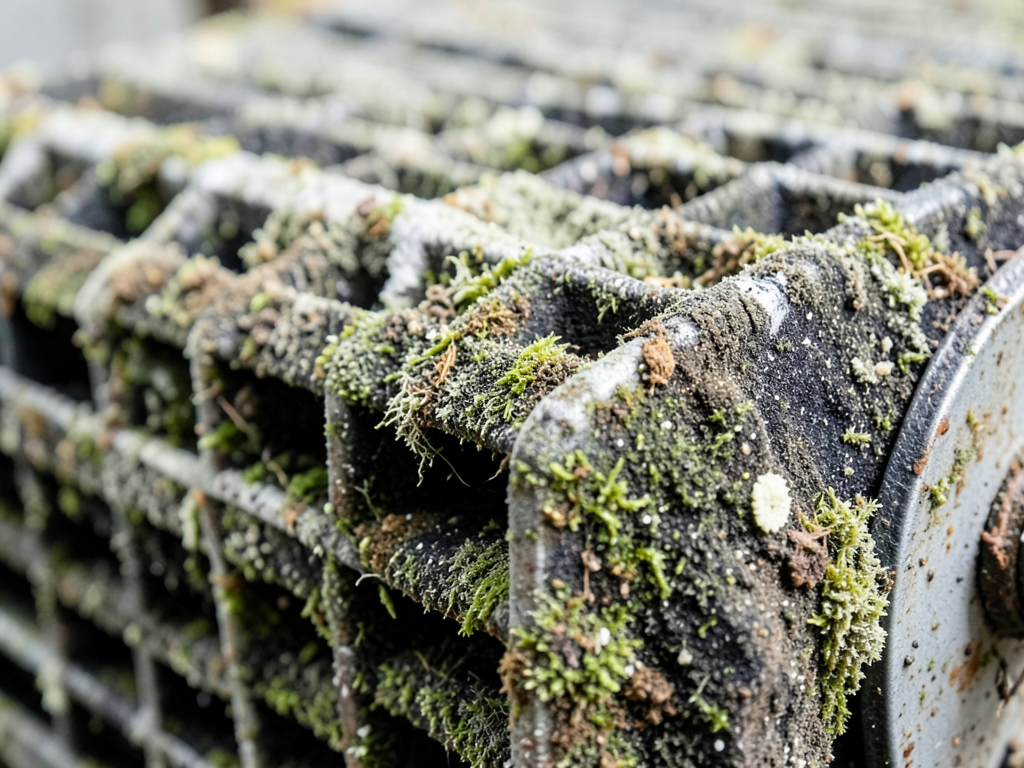
The smell comes from bacteria and mold feeding on organic debris that collects on the cold evaporator coils inside your air handler. When the system cycles on, these microbes release volatile organic compounds that create that distinctive odor. The problem worsens during Florida’s shoulder seasons when you switch between heating and cooling, creating ideal conditions for bacterial growth.
Dirty Sock Syndrome affects homes throughout Pine Hills zip codes 32808 and 32811, where mid-century ranch homes with original ductwork often struggle with moisture management. The combination of Orlando’s year-round humidity levels averaging 75% and older HVAC systems creates the perfect breeding ground for the bacteria that cause this smell. HVAC Pine Hills.
Understanding what causes this problem and how to fix it can restore fresh air to your home and protect your family’s health. Let’s examine why Orlando homes face this issue and what solutions actually work.
What Causes That Dirty Sock Smell in Your AC
The technical term for this problem is biofilm accumulation on evaporator coils. When airborne organic particles like skin cells, pet dander, and pollen pass through your air filter, they collect on the cold aluminum fins of the evaporator coil. In Orlando’s humid environment, this organic matter becomes a food source for bacteria and mold.. Read more about Managing seasonal pollen and allergies inside your University Park home.
The specific microorganisms responsible include alkaliphilic bacteria that thrive in the slightly alkaline condensate water on the coils. These bacteria produce compounds called 2-heptanone and other VOCs that create the characteristic dirty sock odor. The smell intensifies when the system first starts because cold air hitting the warm coil causes rapid bacterial metabolism.. Read more about Is water dripping from your ceiling? Finding the secondary drain pan in Rosemont.
Common triggers include:
- High indoor humidity levels above 60%
- Infrequent filter changes allowing more debris to reach coils
- Condensate drain line clogs creating standing water
- Oversized AC units that short cycle and never fully dehumidify
- Older systems with corroded or damaged coils
According to EPA guidelines on indoor air quality, microbial growth in HVAC systems can release allergens and irritants that affect respiratory health, especially for children, elderly residents, and those with asthma or allergies. EPA guidelines on indoor air quality.
Why Pine Hills Homes Are Especially Vulnerable
Pine Hills sits in a low-lying area of Orange County where the water table can be just a few feet below the surface. This creates naturally high humidity levels in crawl spaces and attics where air handlers are often located. The combination of sandy soil and poor drainage means moisture constantly surrounds many Pine Hills homes.. Read more about The best way to control humidity in your Edgewood walk-in closet or pantry.
The area’s mid-century construction boom created thousands of homes with original HVAC systems that are now 30-40 years old. These older systems often have aluminum fin coils that are more susceptible to corrosion and biofilm buildup than modern copper tube coils. The original ductwork in many Pine Hills homes also has gaps and poor insulation that allow humid air to infiltrate the system.
Florida Building Code Section 403.3.3 requires mechanical ventilation in homes, but many older Pine Hills properties were built before these standards existed. Without proper ventilation, moisture accumulates in attics and wall cavities, creating additional breeding grounds for the bacteria that cause Dirty Sock Syndrome.
The seasonal temperature swings in Central Florida also contribute to the problem. When overnight temperatures drop to the 50s but daytime highs reach the 80s, homeowners frequently switch between heating and cooling modes. This temperature cycling creates condensation on coils and provides the moisture bacteria need to thrive. How to choose a central air replacement that handles the Dr. Phillips humidity.
Is Dirty Sock Syndrome Dangerous for Your Family
While the smell itself is unpleasant, the real concern is what that smell indicates about your indoor air quality. The same conditions that allow bacteria to grow on coils can also support mold growth throughout your HVAC system. This creates potential health risks for your family. Everything you need to know about AC tune-ups in College Park.
People with allergies, asthma, or respiratory conditions may experience increased symptoms when exposed to the microbial byproducts released by Dirty Sock Syndrome. Children and elderly residents are particularly vulnerable to these airborne irritants. The VOCs produced by the bacteria can trigger headaches, nausea, and respiratory irritation even in healthy adults.
The Florida Department of Health emphasizes that indoor air quality directly impacts respiratory health, especially in humid climates where mold growth is common. Homes with persistent Dirty Sock Syndrome often have elevated levels of airborne particulates and microbial volatile organic compounds.
Beyond health concerns, the bacteria and mold can spread throughout your ductwork, creating a larger contamination problem. Once established, these microorganisms can colonize other areas of your HVAC system, including the blower wheel, drain pan, and even the air filter housing.
The presence of Dirty Sock Syndrome also indicates your system is not properly managing humidity, which can lead to other problems like dust mite proliferation, increased allergens, and even structural damage from excess moisture in walls and ceilings.
Professional Solutions That Actually Work
Many homeowners try quick fixes like spraying air fresheners or using over-the-counter coil cleaners, but these approaches rarely solve the underlying problem. Professional solutions address both the immediate odor and the conditions that allow bacteria to grow. Professional duct cleaning services for historic homes in Thornton Park.
Professional coil cleaning involves removing the evaporator coil and using specialized non-rinse cleaners that penetrate the microscopic crevices where bacteria hide. Technicians use foaming agents that expand to reach areas traditional cleaning cannot access. This process typically costs between $300-500 for a standard residential system.
UV-C germicidal light installation provides long-term protection by continuously irradiating the coil surface with ultraviolet light that destroys bacteria and mold spores. These systems install directly into the air handler and operate whenever the blower runs. The initial investment ranges from $800-1,500 but eliminates recurring cleaning costs.
Anti-microbial coil coatings create a protective barrier that prevents organic matter from adhering to the coil surface. These epoxy-based treatments last several years and make routine maintenance more effective. When combined with UV-C lights, they provide comprehensive protection against microbial growth.
Complete coil replacement becomes necessary when corrosion has damaged the aluminum fins beyond cleaning or when the coil is too old to support modern cleaning chemicals. New coils with enhanced corrosion protection typically cost $1,200-2,500 installed, depending on the system size and efficiency rating.
Professional duct cleaning may be recommended if contamination has spread beyond the coils. This process uses negative air pressure and rotating brushes to remove accumulated debris from ductwork. The service costs $500-1,000 for a typical home and should be performed by NADCA-certified technicians.
DIY Steps for Temporary Relief
While professional service provides the most reliable solution, you can take steps to reduce the odor while waiting for service. These measures won’t eliminate the underlying problem but can make your home more comfortable.
Replace your air filter with a high-quality MERV 11 or 13 filter. These filters capture smaller particles before they reach the coils, reducing the organic matter that feeds bacteria. Change filters every 30-60 days during peak cooling season.
Run your AC in fan-only mode for 30-60 minutes daily. This circulates air through the system without cooling, allowing the coils to dry completely and reducing moisture that supports bacterial growth.
Check and clean your condensate drain line. A clogged drain line causes water to pool around the coils, creating ideal conditions for bacterial growth. Use a wet-dry vacuum to clear the drain line and ensure proper water flow.
Install a whole-home dehumidifier to maintain indoor humidity between 45-55%. This reduces the moisture available for bacterial growth while improving overall comfort. Many Orlando homeowners find that proper humidity control eliminates recurring HVAC odors.
Schedule a professional inspection to identify any duct leaks or insulation problems that allow humid air to enter your system. Even small gaps in ductwork can introduce enough moisture to sustain bacterial growth.
Prevention Strategies for Orlando Homes
Preventing Dirty Sock Syndrome requires a comprehensive approach to moisture management and system maintenance. The strategies that work best in Orlando’s climate focus on humidity control and regular professional service.
Implement a biannual maintenance schedule with a licensed HVAC contractor. Spring maintenance prepares your system for the heavy cooling season, while fall service addresses any issues from summer operation. Professional technicians check refrigerant levels, clean coils, and inspect drain lines during these visits.
Upgrade to a variable-speed air handler that runs at lower speeds for longer periods. These systems remove more humidity than single-speed units because they operate below maximum cooling capacity, allowing more moisture removal per Btu of cooling.
Consider installing a whole-home air purifier with HEPA filtration and activated carbon. These systems capture both particulate matter and gaseous pollutants, reducing the organic compounds that feed bacteria on coils.
Monitor indoor humidity with a hygrometer and maintain levels between 45-55%. Many smart thermostats now include humidity sensors and can automatically adjust system operation to optimize moisture removal.
Seal and insulate ductwork, especially in unconditioned spaces like attics and crawl spaces. Even small leaks allow humid air to enter the system, creating condensation and providing moisture for bacterial growth.
Replace aging HVAC equipment before it becomes a chronic problem source. Modern systems with enhanced coil protection and improved moisture management are less susceptible to Dirty Sock Syndrome than 15+ year old equipment.
Cost Comparison: Repair vs. Prevention
Understanding the long-term costs helps you make informed decisions about addressing Dirty Sock Syndrome. Here’s how different approaches compare for a typical Orlando home:
| Solution | Initial Cost | Annual Maintenance | Expected Lifespan | Effectiveness Rating |
|---|---|---|---|---|
| Professional Coil Cleaning | $300-500 | $150-300 | 1-2 years | 3/5 |
| UV-C Light Installation | $800-1,500 | $100-200 | 5-7 years | 4/5 |
| Anti-Microbial Coating | $400-600 | $100-150 | 3-5 years | 4/5 |
| Complete Coil Replacement | $150-300 | 10-15 years | 5/5 | |
| Whole Home Dehumidifier | $1,500-2,500 | $150-250 | 8-12 years | 5/5 |
The most cost-effective long-term solution typically combines UV-C light installation with improved humidity control. While the upfront investment is higher, these systems prevent recurring cleaning costs and eliminate the need for temporary fixes.
Many Orlando homeowners find that addressing Dirty Sock Syndrome also solves other comfort issues like uneven cooling and high indoor humidity. The improvements in air quality and system efficiency often justify the investment even if odor was the primary concern.
5 Signs You Have Dirty Sock Syndrome
Recognizing the symptoms helps you identify the problem early before it becomes severe. Here are the five most common indicators that you’re dealing with Dirty Sock Syndrome:
- Distinctive Odor Pattern – The smell appears within seconds of your AC starting and typically lasts 5-10 minutes before fading. It often returns when the system cycles off and back on.
- Seasonal Timing – The odor is most noticeable during Florida’s shoulder seasons when you switch between heating and cooling modes, creating temperature fluctuations that promote bacterial growth.
- Localized Intensity – The smell is strongest near air vents and may be more noticeable in certain rooms depending on your ductwork layout and airflow patterns.
- Humidity Correlation – The odor worsens during humid weather or when indoor humidity levels rise above 60%, indicating the moisture-driven nature of the problem.
- Filter Inspection Results – When you replace your air filter, you may notice dark discoloration or slimy residue on the filter surface, indicating microbial growth in your system.
If you notice three or more of these signs, you likely have Dirty Sock Syndrome requiring professional attention. The sooner you address the problem, the easier and less expensive the solution typically becomes.
Choosing the Right HVAC Contractor in Pine Hills
Not all HVAC contractors have experience with Orlando’s specific climate challenges. When selecting a professional to address Dirty Sock Syndrome, look for these qualifications:
NATE certification indicates the technician has passed rigorous testing on HVAC systems and stays current with industry best practices. This certification is particularly important for diagnosing complex issues like microbial contamination.
Experience with Florida humidity issues matters more than general HVAC experience. Contractors who understand how Orlando’s climate affects system performance can recommend solutions tailored to local conditions rather than generic approaches.
Proper licensing through the Florida Department of Business and Professional Regulation ensures the contractor meets state requirements for insurance, bonding, and technical knowledge. Always verify license status before hiring any HVAC service provider.
References from Pine Hills or similar Orlando neighborhoods provide evidence the contractor understands local building characteristics and can work effectively in your specific type of home.
Comprehensive diagnostic equipment including UV inspection lights, moisture meters, and airflow testing tools indicates the contractor takes a thorough approach rather than just treating symptoms.
Professional contractors should provide written estimates that detail the specific solutions recommended, including equipment specifications and warranty information. Avoid contractors who cannot explain their recommendations in clear terms.
Frequently Asked Questions
Why does my AC only smell when I first turn it on?
The initial odor occurs because cold air hitting the warm, bacteria-laden coil causes rapid microbial metabolism, releasing concentrated VOCs. As the system runs, air flow disperses the smell and the bacteria become less active.
Can Dirty Sock Syndrome make me sick?
While the bacteria themselves are not typically harmful, the VOCs and potential mold growth can irritate respiratory systems, especially for people with allergies, asthma, or compromised immune systems. The smell indicates conditions that support microbial growth throughout your HVAC system.
How long does professional cleaning take?
Most professional coil cleaning services take 2-4 hours for a standard residential system. UV-C light installation typically requires 3-5 hours including system testing and safety checks.
Will a new air filter solve the problem?
A new filter may temporarily reduce the odor by capturing some airborne bacteria, but it won’t eliminate the established microbial growth on your coils. The bacteria will continue producing odor until professionally treated.
Is this covered by my home warranty?
Most home warranties cover mechanical failures but not microbial contamination or preventive maintenance. However, if Dirty Sock Syndrome results from a covered component failure, some repairs might be included. Check your specific warranty terms. Fast and affordable AC leak repair in Altamonte Springs.
Take Action Today
That dirty sock smell is more than just unpleasant—it’s a warning sign that your HVAC system needs professional attention. The humid Orlando climate makes Dirty Sock Syndrome a recurring problem for Pine Hills homeowners, but effective solutions exist.
Don’t let poor indoor air quality affect your family’s health and comfort. Professional diagnosis and treatment can eliminate the odor permanently while improving your system’s efficiency and your home’s air quality.
Call (321) 463-7979 today to schedule your inspection. Our NATE-certified technicians understand Orlando’s unique climate challenges and can recommend the most effective solution for your specific situation. We serve all Pine Hills zip codes with fast, reliable service that gets to the root of the problem.
Pick up the phone and call (321) 463-7979 before the next heat wave hits. Fresh, clean air is just one call away, and your family deserves to breathe easy in your own home.
Don’t wait until the smell gets worse or your system develops additional problems. Early intervention saves money and prevents the microbial contamination from spreading throughout your home’s ductwork.
Summit HVAC Orlando has been solving Orlando’s toughest HVAC problems since 2010. We understand why Pine Hills homes face specific challenges and how to address them effectively. Your comfort is our priority, and we stand behind our work with comprehensive warranties and satisfaction guarantees.
You may also find this helpful. How pet hair and dander are secretly killing your Fairview Shores AC unit.