



Storm Damage HVAC Repair in Orlando – Emergency Response Within 60 Minutes

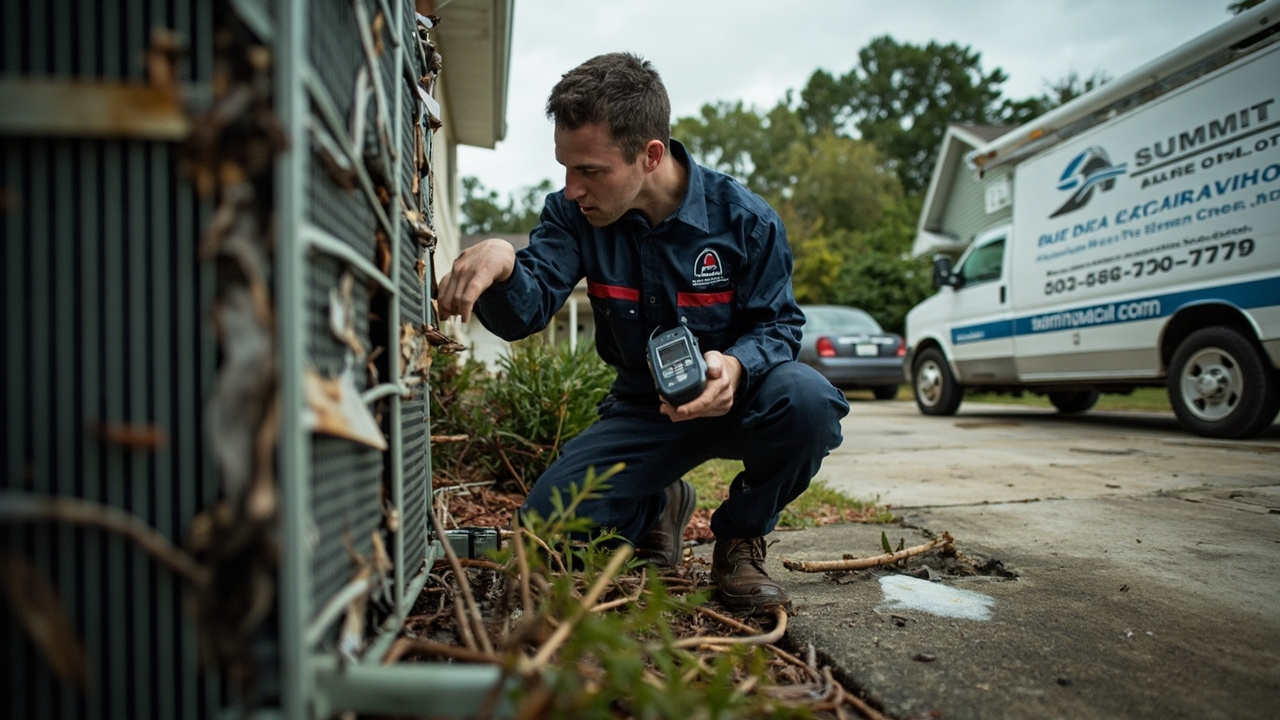
When severe weather strikes Central Florida, your climate control system can't wait. Summit HVAC Orlando dispatches certified technicians immediately for storm damage HVAC repair, protecting your property from secondary damage and restoring comfort fast.

Slider Image 1
Slider Image 2
Slider Image 3
Slider Image 4
Slider Image 5
Slider Image 7
Slider Image 8
Slider Image 9
Slider Image 10
Slider Image 11

When Orlando Storms Strike, Your HVAC System Takes the Hit

Orlando sits in the lightning capital of North America. Thunderstorms roll through nearly 100 days per year, bringing power surges that fry circuit boards, hail that punctures condenser coils, and wind-driven rain that floods air handlers. You walk outside after the storm passes and see your condenser fan bent at an angle. Or you flip the thermostat and nothing happens because a voltage spike fried the control board.

The humid subtropical climate makes emergency HVAC storm repair critical. When your AC goes down in 95-degree heat with 80 percent humidity, you face mold growth within 24 to 48 hours. Refrigerant lines damaged by flying debris leak expensive coolant and expose your family to chemical vapors. Storm damaged AC unit repair becomes a race against secondary damage that multiplies your costs.

Hurricane season from June through November brings sustained winds that vibrate mounting brackets loose, allowing your outdoor unit to shift and sever refrigerant lines. Tropical moisture intrusion corrodes electrical connections faster than in drier climates. The clay soils around Lake Nona and Baldwin Park shift during heavy rain, tilting concrete pads and stressing copper line sets until they crack.

You need heating and cooling storm damage repair from technicians who understand Orlando's specific weather patterns. The difference between a quick fix and a complete system replacement often comes down to response time. Water damage to ductwork in your attic spreads fast in Florida heat. Electrical components exposed to moisture fail catastrophically if not addressed immediately.

When Orlando Storms Strike, Your HVAC System Takes the Hit
How We Restore Storm Damaged HVAC Systems

How We Restore Storm Damaged HVAC Systems

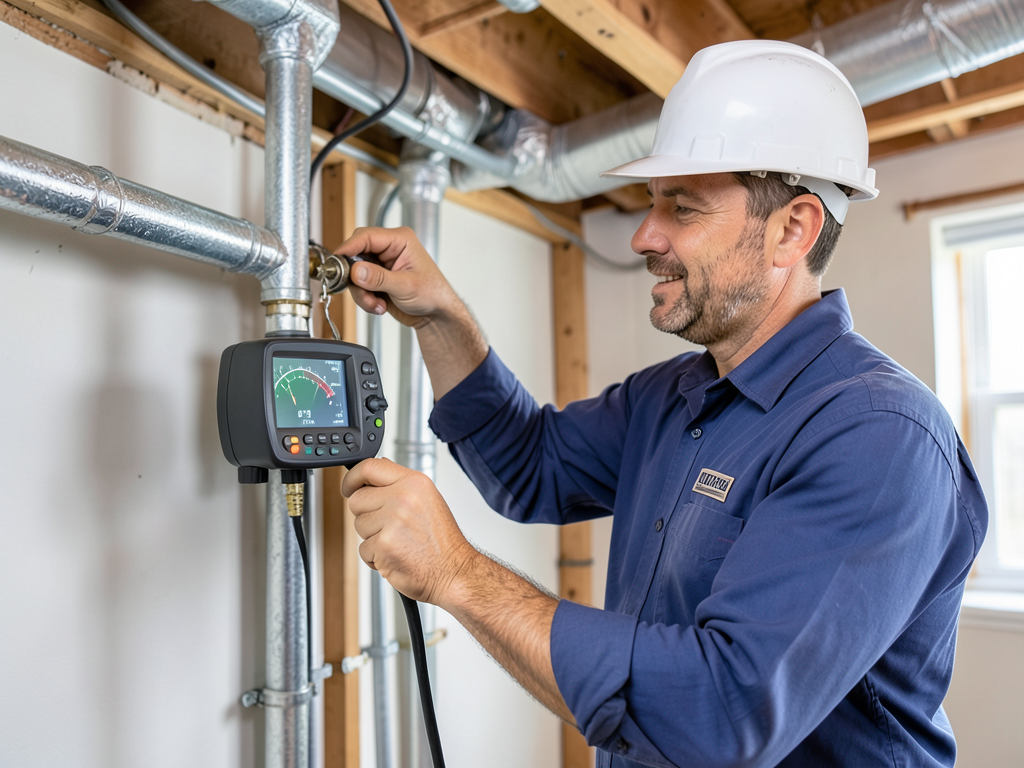
Summit HVAC Orlando uses a systematic approach to fix storm damaged HVAC systems. We start with electrical isolation. Before touching any component, we verify power is off at the breaker and use a multimeter to check for voltage at the disconnect box. Lightning strikes send current through unexpected paths, turning metal cabinets into live conductors.

Our technicians inspect the compressor windings with a megohmmeter to detect insulation breakdown from power surges. A compressor that tests good immediately after a storm can fail weeks later from damaged windings, so we document baseline readings for your insurance claim. We pressure test refrigerant lines with nitrogen before adding refrigerant because storm debris often causes pinhole leaks that are invisible to the naked eye.

Water intrusion requires immediate attention in Orlando's climate. We pull apart air handlers to check for standing water in the drain pan and condensate pump. Mold spores colonize wet fiberglass insulation within 48 hours, requiring complete replacement of the insulation and potentially the entire air handler cabinet. We use moisture meters to check ductwork in your attic because wet insulation loses R-value and becomes a mold factory.

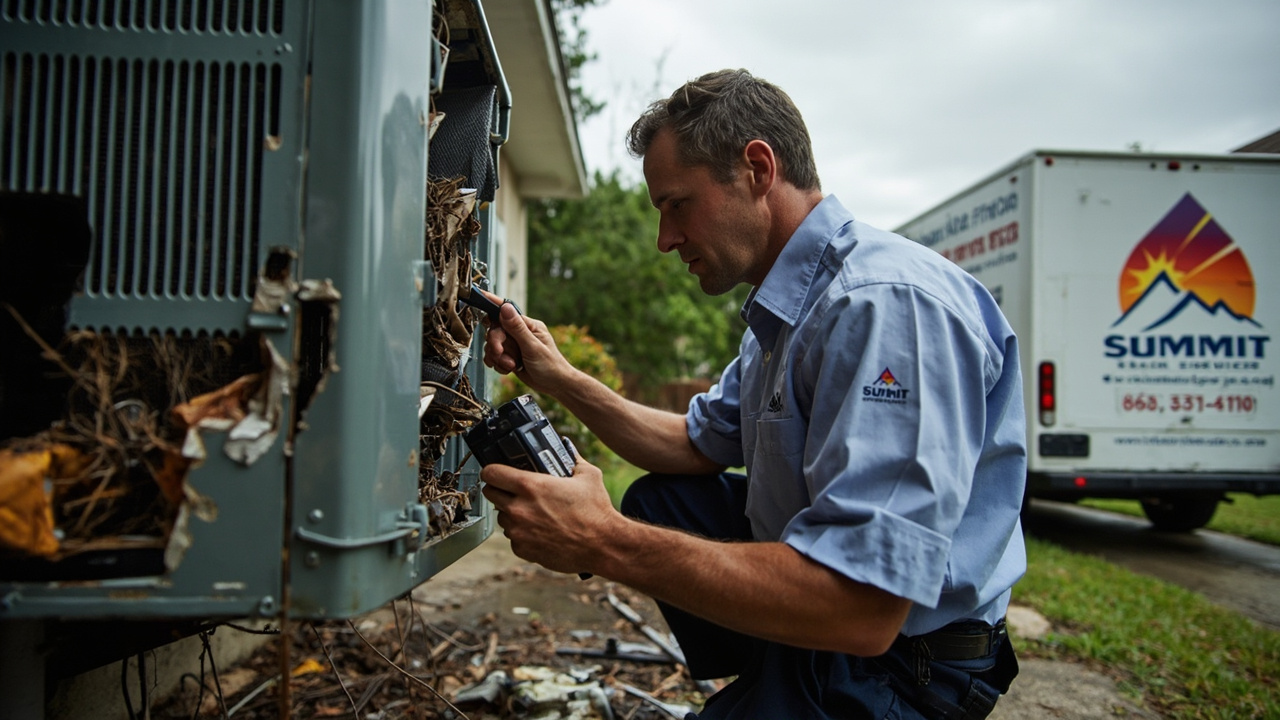
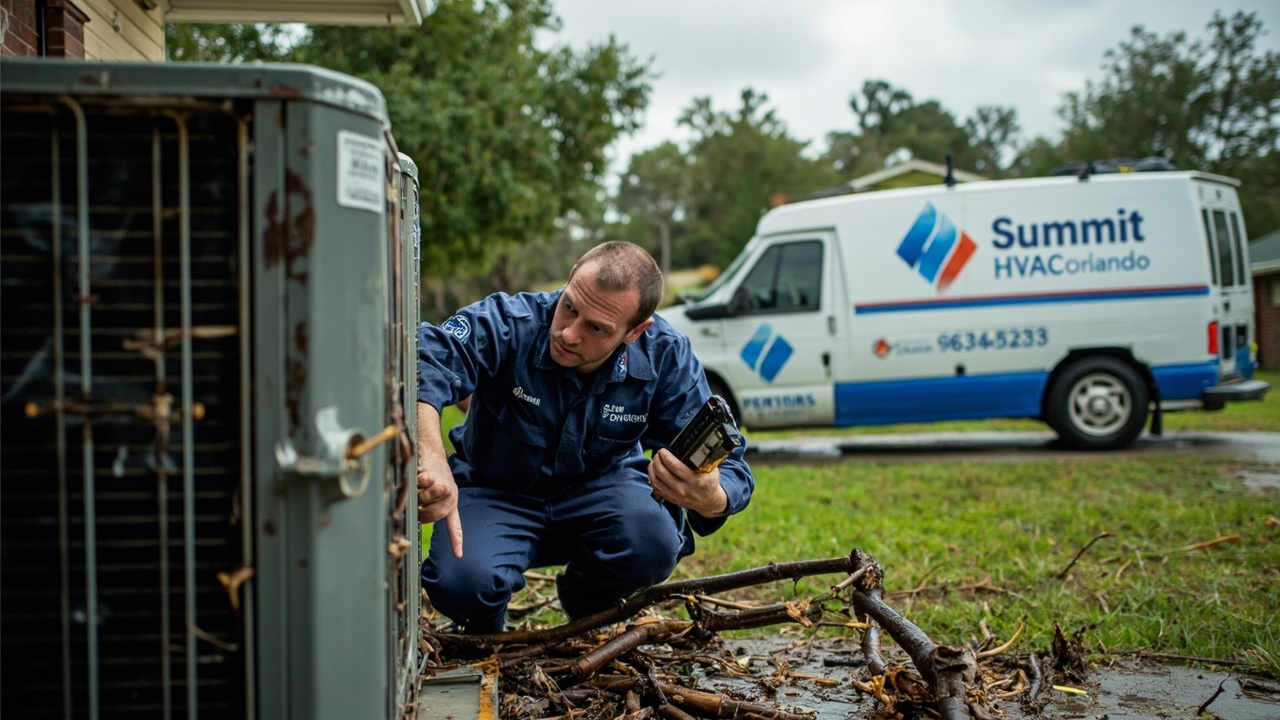
Hail damage to condenser coils requires careful inspection. We use a flashlight at an angle to spot dented fins that restrict airflow. Fin combs can straighten minor damage, but deep impacts that contact refrigerant tubing require coil replacement. We document everything with photos and detailed notes for your insurance adjuster.

HVAC storm restoration services demand knowledge of Orlando building codes. We ensure repaired systems meet current permitting requirements because insurance companies deny claims for non-compliant work.

What Happens During Emergency Storm Damage Response

Storm Damage HVAC Repair in Orlando – Emergency Response Within 60 Minutes
01

Immediate Safety Assessment

Our technician arrives and performs a visual safety inspection before touching your equipment. We look for downed power lines, water pooling near electrical components, and structural damage to mounting brackets. We use non-contact voltage testers to verify circuits are de-energized. If your outdoor unit sits in standing water or shows signs of electrical arcing, we lock out the breaker and tag it until conditions are safe to proceed with repairs.
02

Damage Documentation and Diagnosis

We photograph all visible damage from multiple angles for your insurance documentation. Our technician tests compressor motor windings, checks refrigerant pressures, inspects electrical connections for corrosion, and runs amp draws on fan motors. We create a written assessment that separates storm damage from pre-existing wear, clearly identifying what the storm caused. This documentation separates approved claims from denied ones. We measure airflow across evaporator coils and check for duct damage in accessible areas.
03

Repair and System Restoration

After you approve the scope, we complete repairs using manufacturer-specified parts that match your system. We replace damaged components, pressure test refrigerant circuits, and verify electrical connections meet code. Before leaving, we run a full system test cycle, measuring temperature splits across coils and verifying proper amp draws. You receive a detailed report of all work completed, parts installed, and system performance readings. We coordinate directly with your insurance adjuster to streamline the claims process and get you back to normal faster.

Why Orlando Property Owners Choose Summit HVAC for Storm Damage

Storm damage HVAC repair requires more than technical skill. It requires insurance documentation expertise that protects you from claim denials. Summit HVAC Orlando employs technicians trained in forensic HVAC assessment who understand the difference between storm damage and pre-existing conditions. Insurance adjusters scrutinize claims for any reason to reduce payouts. Our detailed reports with photographs, electrical readings, and pressure measurements create undeniable evidence of storm causation.

We understand Orlando's building permit requirements. Orange County requires permits for compressor replacements and refrigerant line repairs. Unpermitted work gives insurance companies grounds to deny your entire claim. We pull permits, schedule inspections, and ensure every repair meets Florida Building Code Section 423 for mechanical systems. This protects your insurance claim and your property value.

Our response time matters in Florida's climate. We dispatch technicians within 60 minutes because every hour your system sits damaged increases secondary damage costs. Water intrusion in ductwork spreads. Refrigerant leaks contaminate your home. Electrical damage worsens as moisture penetrates deeper into circuit boards. We arrive with fully stocked trucks carrying common storm damage parts like contactor relays, capacitors, and control boards to complete repairs immediately.

We serve every Orlando neighborhood from College Park to Avalon Park. Our technicians know the older systems common in historic districts near Lake Eola require different approaches than the high-efficiency units in new construction around Medical City. We understand the duct configurations typical to Orlando's ranch-style homes and the rooftop unit challenges in commercial buildings along International Drive.

You face enough stress after a storm. We handle insurance paperwork, permit applications, and code compliance so you can focus on your family and property.

What to Expect During Storm Damage HVAC Repair

Emergency Response Time

We answer emergency calls 24 hours a day, seven days a week, because Orlando storms don't wait for business hours. Our dispatcher takes your call immediately and sends the closest available technician to your location. You receive a text message with your technician's name, photo, and estimated arrival time within 15 minutes of calling. During major storm events affecting multiple properties, we prioritize calls based on safety hazards like electrical arcing or refrigerant leaks, then address comfort issues. Most emergency storm damage calls receive same-day service. Our average response time from call to technician arrival is 60 minutes for Orlando metro addresses.

Initial Damage Assessment

Your technician performs a comprehensive inspection covering electrical systems, refrigerant circuit integrity, mechanical components, and control systems. We test voltage at multiple points to identify surge damage. We inspect your outdoor unit cabinet for hail dents, check fan blades for cracks, and examine refrigerant lines for impact damage. Inside, we pull your air handler cover to check for water intrusion and inspect the blower motor for bearing damage from power fluctuations. This assessment takes 30 to 45 minutes. You receive a verbal explanation of all findings before we move to written documentation and repair recommendations.

Repair Quality and Standards

We use OEM parts that match your equipment manufacturer specifications. Aftermarket parts void warranties and give insurance companies reasons to dispute claims. Our refrigerant recovery and recharge procedures follow EPA Section 608 protocols with certified scales and manifold gauges. We torque all electrical connections to manufacturer specifications because loose connections cause the majority of post-repair failures. Every brazing joint gets nitrogen purged to prevent oxidation inside copper lines. We test system performance after repairs, measuring superheat and subcooling to verify proper refrigerant charge. You receive documentation showing your system operates within manufacturer specifications for temperature split, airflow, and electrical draw.

Insurance Coordination and Follow-Up

We create insurance-ready documentation packages that include itemized repair lists, photographic evidence, and technical justifications for each replaced component. Our estimates clearly separate storm damage from any recommended maintenance or pre-existing issues. We communicate directly with your insurance adjuster to answer technical questions and provide supplemental documentation if needed. This direct communication speeds claim approval and reduces your out-of-pocket costs. After repairs, we contact you within one week to verify your system operates correctly. We maintain detailed service records for future reference and warranty purposes. If additional issues arise from the storm damage, we document them and submit supplemental claims to your insurance carrier at no charge.

Frequently Asked Questions

You Have Questions,
We Have Answers

What is the $5000 rule for HVAC? +

The $5000 rule is a practical guideline for HVAC replacement decisions. If your repair cost multiplied by your system's age exceeds $5000, replacement often makes more financial sense than repair. For example, a $500 repair on a 12-year-old unit equals $6000, suggesting replacement. After Orlando storm damage, this calculation becomes critical. High humidity and hurricane-force winds accelerate wear on aging systems. If your damaged unit is over 10 years old and facing expensive repairs, replacement with a modern, storm-resilient system may prevent future emergency breakdowns during Florida's brutal summer months.

Does insurance cover HVAC damage? +

Most homeowners insurance policies in Orlando cover sudden HVAC damage from covered perils like hurricanes, wind, hail, or falling debris. Your policy typically covers storm-related compressor damage, refrigerant line breaks, or electrical component failures. Insurance does not cover gradual wear, lack of maintenance, or flood damage unless you have separate flood coverage. After a storm, document all visible damage immediately with photos. Get a professional inspection within 24-48 hours. Many Orlando insurers require prompt reporting. If your system fails after a hurricane, contact your insurer and a licensed HVAC contractor simultaneously to expedite your claim.

How long after storm damage can I claim? +

File your storm damage claim immediately. Most Florida insurers require notification within days of discovering damage, though you typically have one to two years to file the actual claim. Do not wait. Orlando's humid climate causes secondary damage fast. Water intrusion from roof damage spreads to ductwork. Mold grows within 48 hours. Delaying your claim can result in denial if the insurer argues the damage worsened due to neglect. Take photos, document everything, and call your insurance company within 24 hours of the storm. Get a professional HVAC inspection to catch hidden damage before it escalates.

What is the 3 minute rule for AC? +

The 3-minute rule prevents compressor damage during HVAC operation. After your air conditioner shuts off, wait at least 3 minutes before restarting it. This allows refrigerant pressures to equalize throughout the system. Restarting too quickly forces the compressor to work against high pressure, causing premature failure. This rule becomes critical after Orlando storm power outages. When electricity flickers on and off during hurricanes, your AC may short-cycle repeatedly. If you experience power fluctuations, turn off your system at the thermostat. Wait 5 minutes after power stabilizes before restarting to protect your compressor.

What is the tax credit for HVAC system 2025? +

The 2025 federal Energy Efficient Home Improvement Credit offers up to $2000 for qualified HVAC systems. Your new system must meet ENERGY STAR criteria, including specific SEER2 ratings for air conditioners and heat pumps. This credit can offset storm damage replacement costs if you upgrade to a qualifying high-efficiency unit. For Orlando homeowners replacing hurricane-damaged systems, pairing insurance claims with tax credits reduces your out-of-pocket expense. Keep all receipts and manufacturer certifications. Consult a tax professional to confirm eligibility, as requirements change annually. This credit applies only to existing homes, not new construction.

What is the average lifespan of an HVAC? +

HVAC systems in Orlando typically last 12-15 years, shorter than the national average of 15-20 years. Central Florida's extreme heat, high humidity, and salt air near coastal areas accelerate system degradation. Air conditioners run nearly year-round here, unlike northern climates with seasonal breaks. Hurricane storm surges and power fluctuations further stress components. After severe storm damage, a system older than 10 years often warrants replacement rather than repair. Modern units offer better hurricane resistance, improved energy efficiency, and surge protection. Regular maintenance extends lifespan, but Orlando's harsh climate ultimately limits system longevity compared to milder regions.

What two events are not covered under homeowners insurance? +

Homeowners insurance typically excludes flood damage and earth movement. In Orlando, this matters during hurricanes. If storm surge or heavy rain floods your home and damages your HVAC system, your standard policy will not cover it. You need separate flood insurance through NFIP or private carriers. Earth movement includes sinkholes, common in Central Florida due to limestone geology, and ground settling. If foundation shifts from sinkhole activity damage your ductwork or compressor pad, standard policies exclude it. After a storm, determine whether your HVAC damage resulted from wind or water to know which policy applies.

How much does it cost to fix a leak in your AC system? +

AC refrigerant leak repairs in Orlando range from minor seal replacements to complete coil replacements. Small leaks cost $200-$500 to locate and repair. Major evaporator or condenser coil leaks requiring replacement run $1000-$2500. After storm damage, flying debris can puncture refrigerant lines or coils. Your exact cost depends on leak location, refrigerant type, and labor. Older systems using R-22 refrigerant cost more due to phase-out regulations. If your post-storm leak repair approaches 50 percent of replacement cost and your system is over 10 years old, replacement makes better financial sense given Orlando's demanding climate.

What is the most common damage to your home that insurance does not cover? +

Flood damage is the most common exclusion in homeowners insurance. In Orlando, this creates serious gaps during hurricane season. When heavy rain overwhelms drainage or storm surge pushes water inland, standard policies do not cover resulting damage to HVAC systems, ductwork, or electrical components. Many Orlando homeowners mistakenly believe hurricane coverage includes all water damage. Wind-driven rain through a damaged roof is covered. Standing floodwater is not. If your outdoor condenser unit sits in floodwater or your indoor air handler floods from ground-level water intrusion, you need separate flood insurance. Purchase it before storm season starts.

When not to file a homeowners insurance claim? +

Do not file claims for minor damage below your deductible or slightly above it. In Orlando, typical homeowners deductibles run $1000-$2500, with hurricane deductibles often 2-5 percent of dwelling coverage. If your HVAC repair costs $1200 and your deductible is $1000, you gain little while risking premium increases or policy non-renewal. Multiple claims within three years can make you uninsurable. File claims only for significant storm damage exceeding your deductible by at least $1000. For minor post-storm HVAC issues like a tripped breaker or loose electrical connection, pay out of pocket to protect your insurance history.

Why Orlando's Storm Patterns Make HVAC Systems Vulnerable

Orlando averages 233 thunderstorm days annually, more than any major metro area in the continental United States. These storms generate lightning strikes that follow power lines directly into your electrical panel and HVAC control systems. The sea breeze convergence zone that forms over Central Florida each summer afternoon creates severe convective storms with hail up to golf ball size and wind gusts exceeding 70 miles per hour. Your outdoor condenser unit sits exposed to this punishment year after year. Hurricane threats compound the problem from June through November, bringing sustained winds and storm surge that can flood ground-level equipment in low-lying areas near Lake Conway and the Butler Chain of Lakes. Emergency HVAC storm repair becomes routine maintenance in this climate.

Orange County building codes require HVAC systems to withstand 150 mile per hour wind loads in residential applications, but older systems installed before 2002 don't meet current hurricane standards. Properties in historic neighborhoods like Colonialtown and Delaney Park often have equipment that predates modern mounting requirements. Summit HVAC Orlando maintains relationships with local building inspectors and understands the permit requirements that vary between Orange County and incorporated areas like Winter Park and Maitland. We pull permits through the Orange County online portal and schedule inspections to keep your project moving. This local knowledge protects your insurance claim and ensures repairs meet current code requirements for storm resistance.
HVAC Services in The Orlando Area

Summit proudly serves Orlando and surrounding Central Florida areas with fast, professional HVAC services. Whether you're in the heart of the city or in nearby neighborhoods, our technicians are just a call away. Use the map below to view our service area and plan your visit or consultation. We make it convenient to get expert help where and when you need it. Your comfort is always within reach with Summit.

Address:
Summit HVAC Orlando, 4700 Millenia BlvdOrlando, Orlando, FL, 32839

Additional Services We Offer

Our news updates

Latest Articles & News from The Blogs

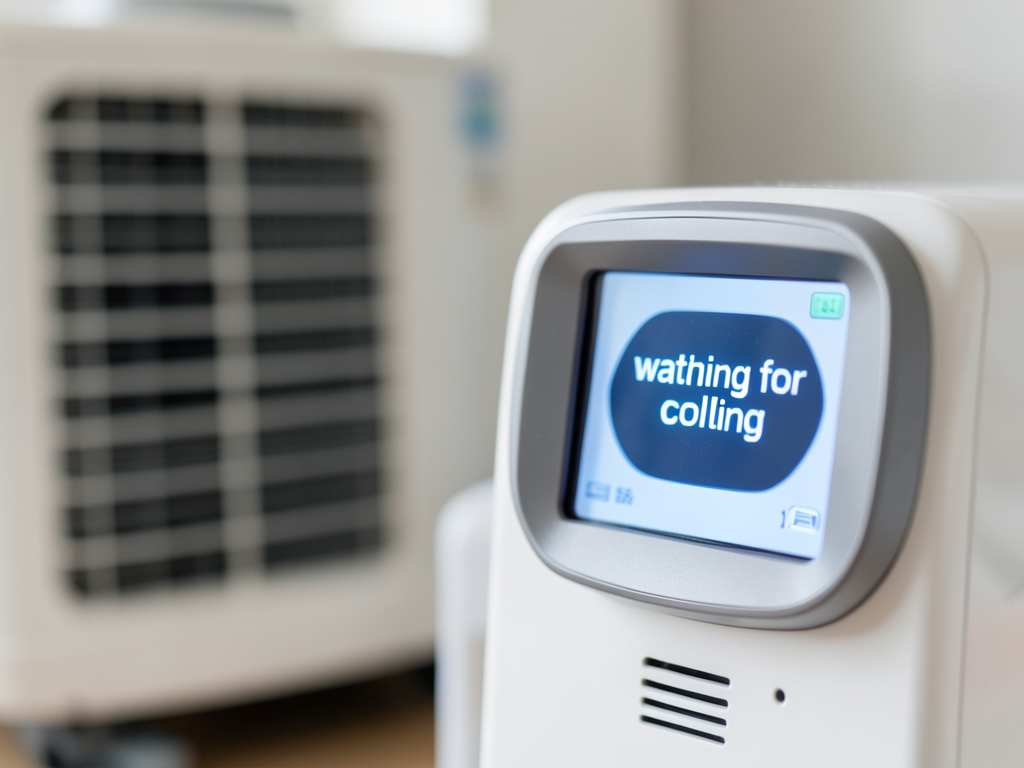
What to do if your St. Cloud thermostat says waiting for more than five minutes Your thermostat displays 'waiting for…

What to do if your St. Cloud thermostat says waiting for more than five minutes

What to do if your St. Cloud thermostat says waiting for more than five minutes Your thermostat displays 'waiting for…

What it means when your Ocoee cooling system starts making a loud clicking sound

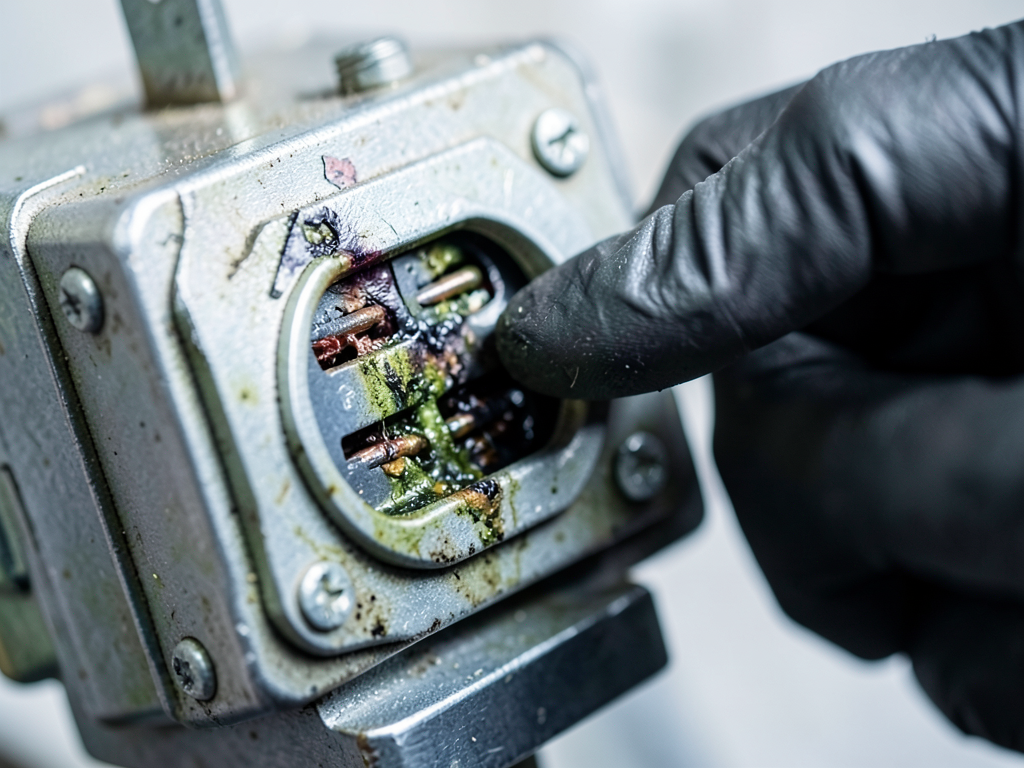
What it means when your Ocoee cooling system starts making a loud clicking sound Your outdoor AC unit should hum…

How to tell if your Celebration home builder installed the right size ductwork

How to tell if your Celebration home builder installed the right size ductwork Your Celebration home should feel comfortable year-round.…

Contact Us

Your HVAC system can't wait. Call Summit HVAC Orlando at (321) 463-7979 right now for immediate storm damage assessment. Our trucks are ready to roll with the parts and expertise to restore your comfort and protect your property from additional damage.